REVIEW · ROME
Rome: Pasta, Ravioli & Tiramisu Cooking Class by Colosseum
Book on GetYourGuide →Operated by EnjoyCooking.com · Bookable on GetYourGuide
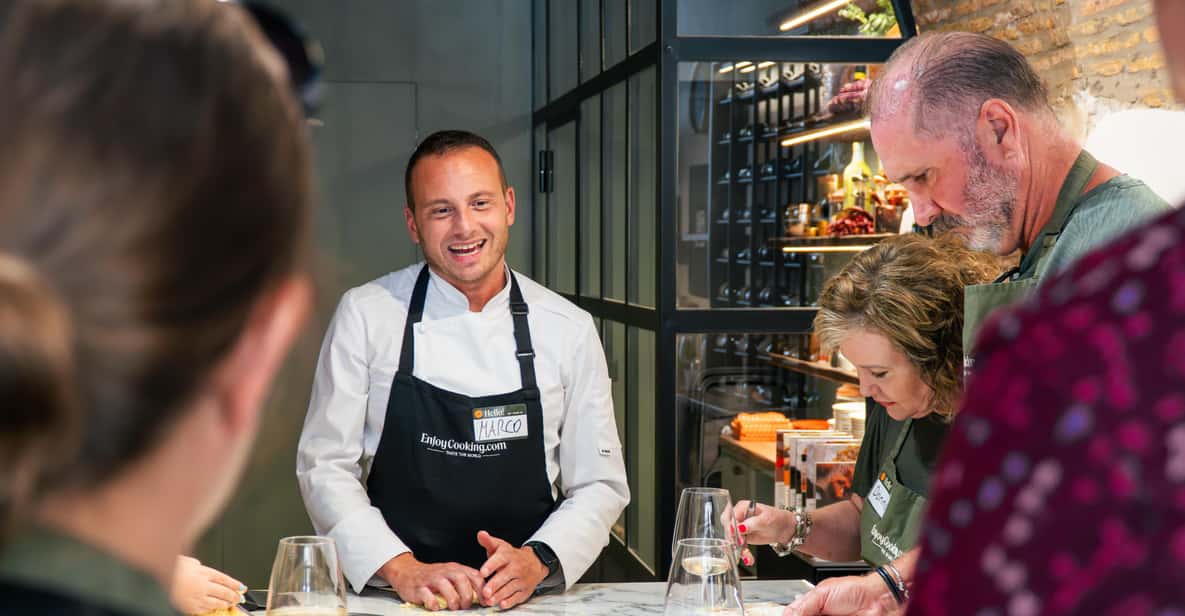
Rolling pasta in Rome beats sightseeing. This 3-hour class teaches handmade pasta and tiramisu with step-by-step help from chefs like Marco, and you’re cooking in a small group setting. I also love the free-flowing Italian wine that keeps the mood relaxed while you work.
Logistics matter: the meeting point can vary, there’s no transportation provided, and late arrivals aren’t guaranteed. The class still runs in bad weather, and the group is capped at 10 for real attention.
In This Review
- Key takeaways before you book
- A Rome cooking class that trades lines for a rolling pin
- What you’ll make: pasta dough, ravioli filling, and a sauce you’ll remember
- The “small details” that make a night like this taste better than homemade
- Tiramisu from scratch: layers you can actually repeat
- The wine-and-snacks table moment (and how to handle it)
- How the chef experience changes the whole class
- Price and value: what $112.15 buys you in Rome
- Who this cooking class suits best (and who should reconsider)
- Practical tips for a smooth evening (clothes, timing, weather)
- Should you book the pasta and tiramisu class near the Colosseum?
- FAQ
- How long is the cooking class in Rome?
- How many people are in the class?
- What dishes will I learn to make?
- Is wine included?
- Is transportation to the meeting point included?
- What is the cancellation policy?
Key takeaways before you book
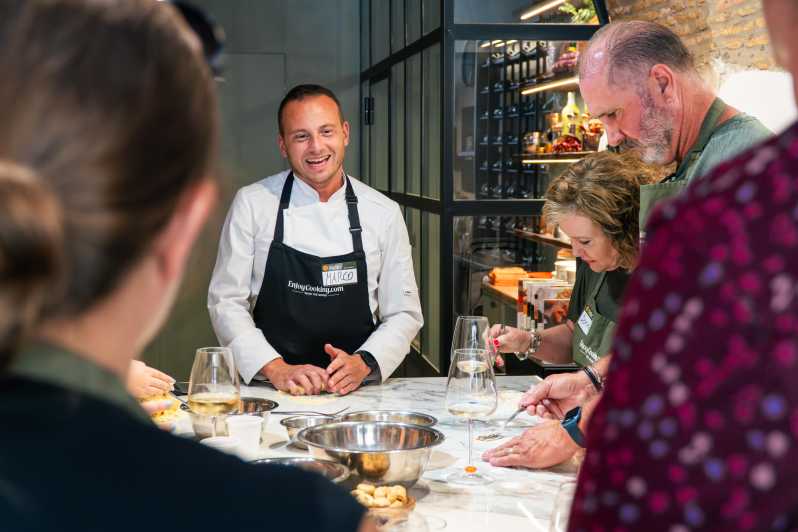
- Up to 10 people means you’re not yelling across the room for help.
- Two pasta builds in one session, including ravioli-style work from scratch.
- Tiramisu made layer by layer, not assembled with shortcuts.
- Free-flowing Italian wine (or unlimited soft drinks) while you cook and eat.
- Recipe book included, so you can repeat the results at home.
A Rome cooking class that trades lines for a rolling pin
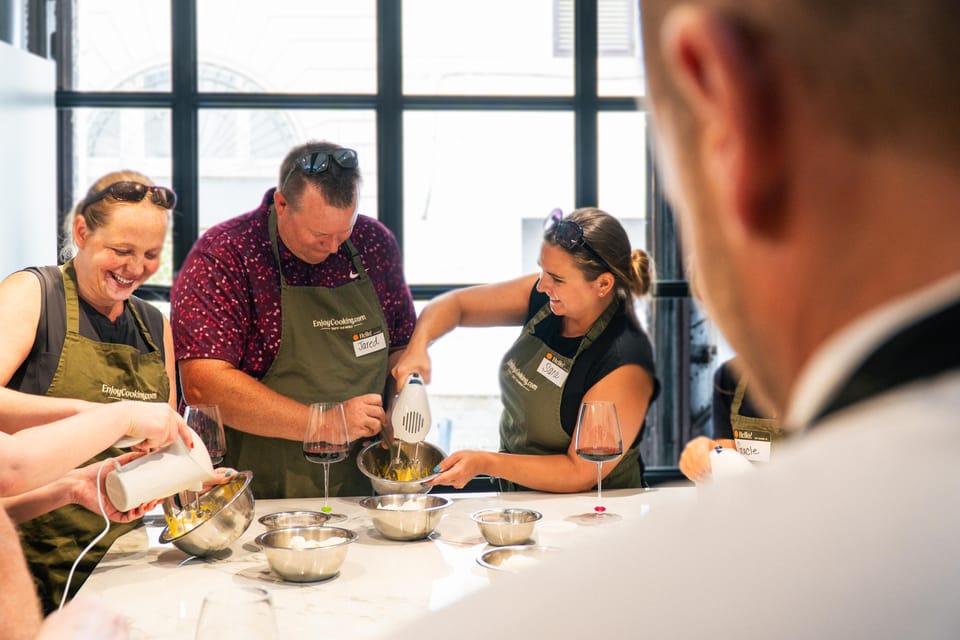
Rome is great at putting you in front of things—ruins, fountains, views. This experience flips that. You get your hands on pasta dough, you learn how ravioli actually comes together, and you finish with tiramisu that tastes like it came from a serious Italian kitchen.
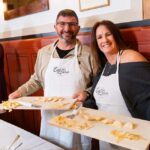
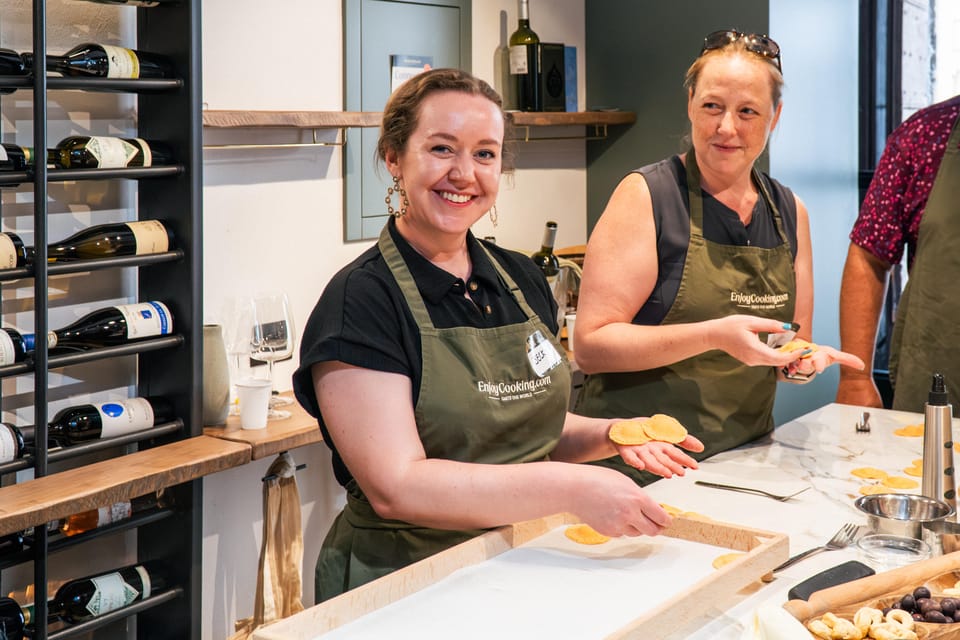
What makes it especially appealing is the format. It’s hands-on, guided by local chefs, and it stays intimate. With a maximum of 10 participants, you’re more likely to get personal help when dough gets sticky or the filling needs adjusting. And when the wine starts flowing, the whole evening has that easy Rome rhythm: cook, laugh, eat, and talk food.
One more plus: it’s designed for beginners and people who already cook. The class covers the full process, but the pace is practical. You’re not just watching someone else do it.
You can also read our reviews of more cooking classes in Rome

What you’ll make: pasta dough, ravioli filling, and a sauce you’ll remember
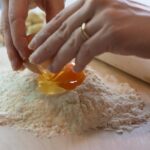
The backbone of the class is real hand-made pasta. You start from scratch—mixing ingredients into pasta dough, getting it to the right texture, and then working with it so it’s rollable and flexible. That matters because pasta dough isn’t “one recipe fits all.” The feel of it is everything.
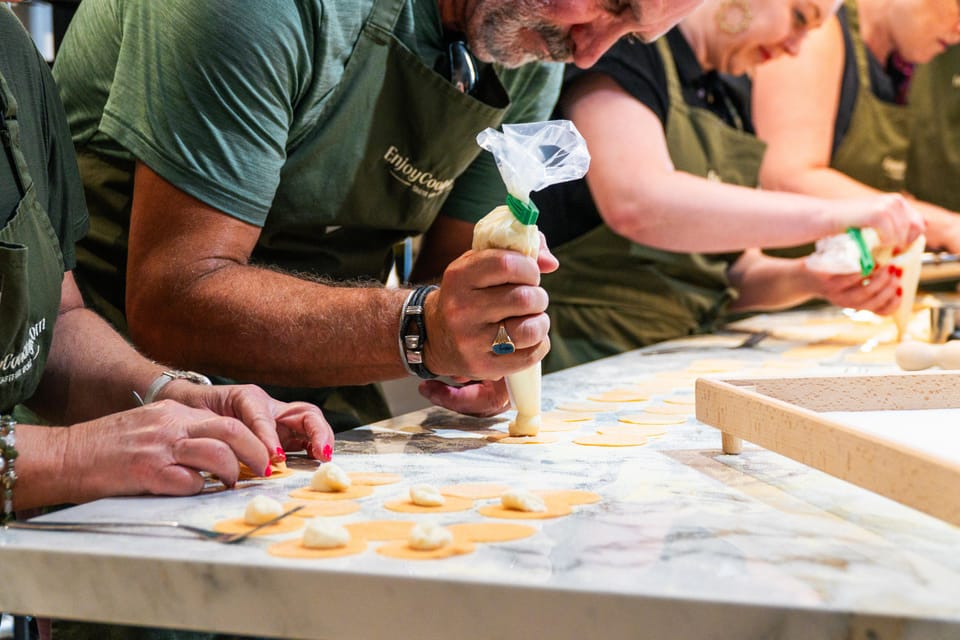
Then you move into shaping. You’ll roll the dough, cut it, and learn how to fill and form your ravioli. The goal isn’t just pretty shapes. It’s learning how much filling to use and how to seal so it cooks well. If you’ve ever had ravioli that tastes fine but falls apart, this is where you learn why that happens.
You also work on finishing the pasta with a sauce. You’re not only learning how to make the pasta; you’re learning how Italians build flavor around it. That’s a big deal for value: pasta classes that stop at dough are fun, but you usually can’t recreate the meal without the sauce know-how.
The “small details” that make a night like this taste better than homemade
In a good Rome cooking class, you leave with habits, not just recipes. Here, the chefs focus on the parts people skip when they cook at home: consistency, timing, and how ingredients behave once heat hits.
For example, the class doesn’t treat sauce as an afterthought. You learn how fillings and sauces work together, and you practice the steps that influence the final bite. In the reviews, people consistently point to how much they learned about sauces and fillings—not only the pasta-making.
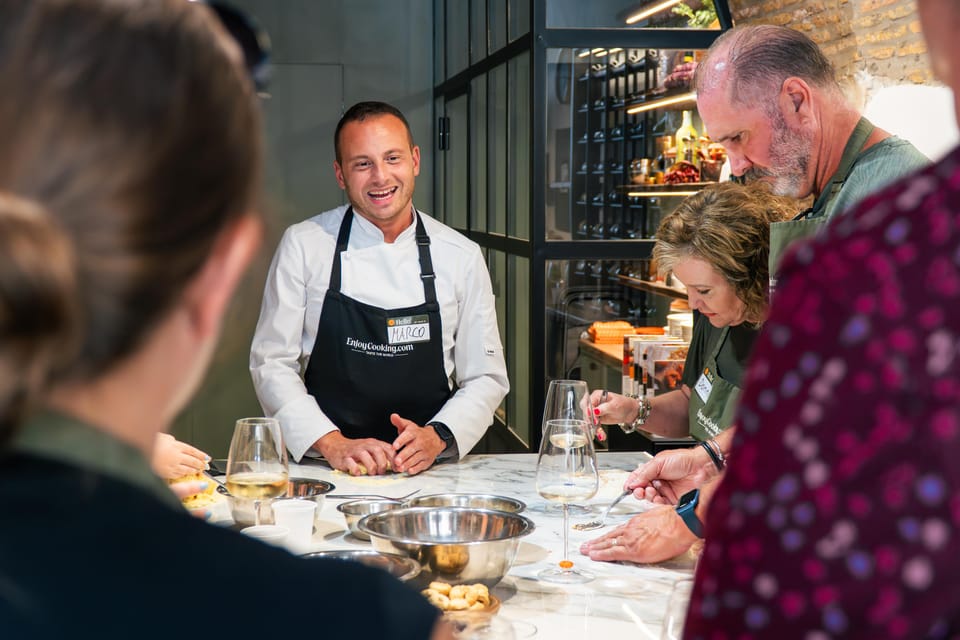
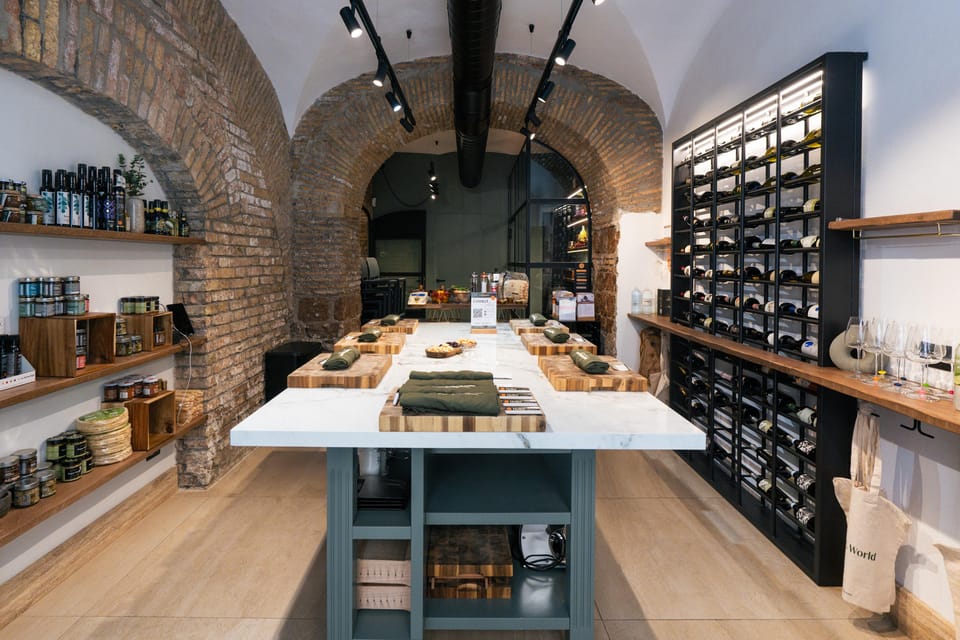
Another smart feature: you’re in an organized kitchen setup designed for cooking. That means fewer frustrating bottlenecks. You can actually do the steps, rather than waiting your turn or sharing tools while someone explains the technique from across the room.
Tiramisu from scratch: layers you can actually repeat
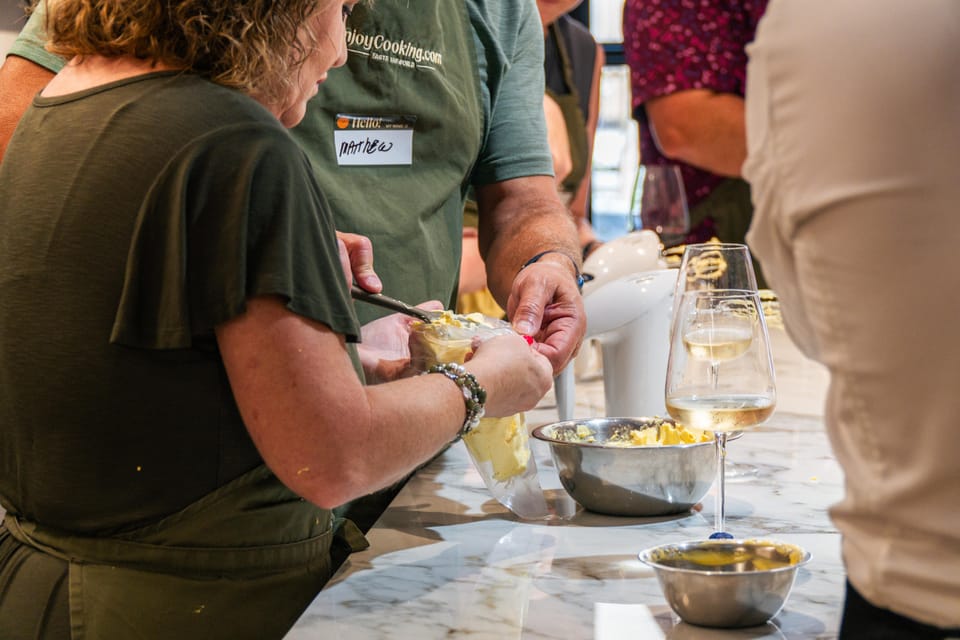
Then comes tiramisu, and this is where a lot of cooking classes either impress or disappoint. This one aims for competence. You’ll craft each creamy layer from scratch, with guidance while you build it.
What you’re really learning is structure:
- how the layers come together
- how to handle the mixture so it stays smooth
- how to assemble so it cuts cleanly later
That’s why this class gets such strong reactions. Tiramisu is one of those desserts that people think they know—until they make it and realize it’s all in the details. Getting those details in a 3-hour session, while someone points out what to look for, makes the dessert feel less mysterious.
And you’ll finish by tasting what you made, so you get fast feedback: does it taste balanced, rich, and properly “tiramisu”? You’re not guessing.
The wine-and-snacks table moment (and how to handle it)
One of the most enjoyable parts here is the meal vibe. You get free-flowing Italian wine during the class, and it’s served in a way that keeps things relaxed. Reviews describe it as the kind of setup where you pour your own, with wine or unlimited soft drinks depending on what you prefer.
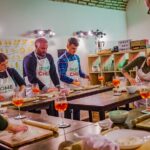
Expect a social rhythm: cooking stations, snack moments in the middle of the table flow, then a shared sit-down to eat your results. It’s not a stuffy “chef demonstration.” It’s an evening that feels like you’re with friends who happen to be great at pasta.
Practical tip: if you want to cook at full speed and focus on technique, pace yourself early. The class is interactive, and wine makes the time fly—but your hands still need clarity for dough and assembly.
You can also read our reviews of more tours and experiences in Rome


How the chef experience changes the whole class
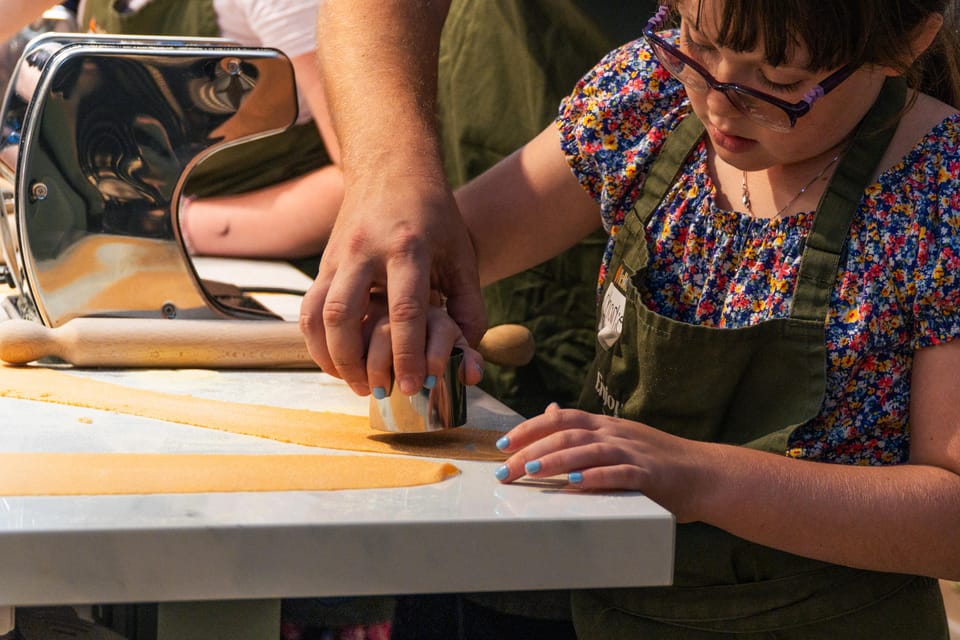
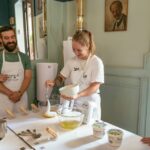
A huge part of why this class works is the personalities behind it. The experience is led by local chefs who run the session in English, and you’ll hear familiar names like Marco, Max, and Alex tied to different instances of the class. The consistent theme is energy: they keep things fun, but they still teach.
Small group size also changes the teaching style. Instead of one big explanation, you get nudges as you work. If your dough is off, someone helps. If your ravioli needs a better seal, someone shows you. If you’re doing this for the first time, that kind of attention makes the difference between learning and frustration.
And there’s a bonus possibility: on lighter-booked evenings, the class can feel even more personal—some slots end up much smaller than the advertised max.
Price and value: what $112.15 buys you in Rome
At $112.15 per person, you should look at value in terms of what’s included, not just the headline number.
Here’s what you’re getting:
- A full hands-on session lasting about 3 hours
- Two types of handmade pasta from scratch (with recipes)
- Tiramisu with recipe
- Free-flowing Italian wine
- A small group (maximum 10)
- A take-home recipe book so you can recreate the meal
For Rome, where many food experiences are either tastings or guided walks, this is “skill plus meal.” You’re not only eating local food—you’re learning a process you can use again. That recipe book matters too. The recipes are there so you aren’t stuck trying to remember measurements and steps after you get home.
Also, the class provides the ingredients and the kitchen space. That’s part of the value. Making pasta at home can be cheap on paper, but your real costs are time, equipment, and the learning curve. Here, you’re paying for instruction and momentum.
Who this cooking class suits best (and who should reconsider)
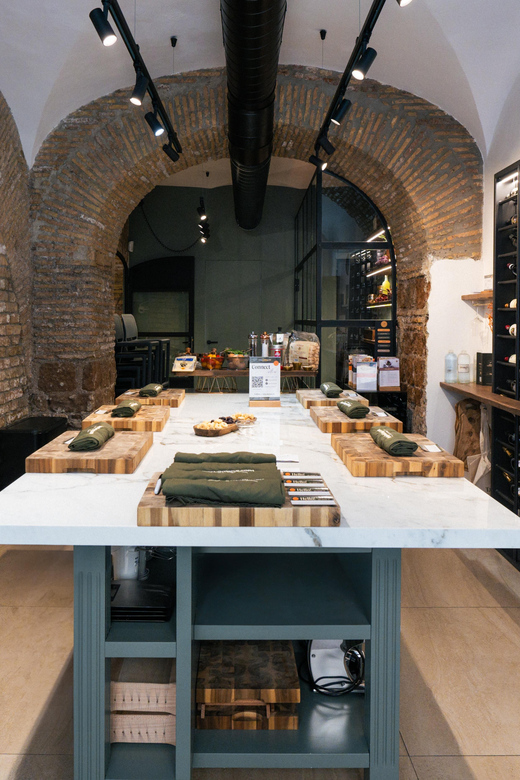
This is ideal if you want a genuine hands-on experience in Rome without needing any cooking background. Beginners will like the step-by-step coaching. People who already cook will appreciate learning how Italians build the sauces and fillings, and how they handle dough and assembly.
It’s also a smart choice if you’re traveling solo. The group stays small, the tone is social, and you’ll have plenty to do while you’re there—so you don’t feel awkward waiting for something to happen.
Two cases where you should pause:
- If you have nut allergies, the activity is not suitable as stated.
- If you have dietary restrictions beyond that, you should inform the provider right after booking; some needs may not be possible because trace amounts could be in ingredients.
Practical tips for a smooth evening (clothes, timing, weather)
This class is practical, but you still need to show up ready to cook.
Wear clothing you’re comfortable getting a bit messy in. Pasta dough and tiramisu work can be playful, but it’s still real cooking. Closed shoes are a good idea, since the kitchen environment can get busy.
Arrive early if you can. Late arrivals aren’t guaranteed participation. Since the meeting point may vary depending on the option you book, give yourself extra time to find it.
Weather isn’t a dealbreaker here. The activity proceeds regardless of conditions. So if Rome is rainy, you’ll want a rain plan for the walk to the venue—but once you’re inside, you’re cooking.
Finally, if you’re planning to drink wine, consider how much you want to steer your evening afterward. This is a cooking class, so expect to be standing, working, and then eating. Moderate pacing makes it more enjoyable.
Should you book the pasta and tiramisu class near the Colosseum?
If you want one standout Rome night that’s more skill than sightseeing, I’d book it. You leave with something tangible: pasta know-how, tiramisu confidence, and recipes you can use again. Add in the small group size and the free-flowing wine, and you’ve got an experience that feels both authentic and easy.
Book it now if:
- you love Italian food and want to learn how it’s made, not just where to eat it
- you want a small-group evening instead of a big tour bus crowd
- you’re the type who likes practical take-home value (recipes + technique)
Skip it (or at least message first) if:
- you have a nut allergy
- you don’t want alcohol at all and don’t want the social pacing that comes with wine and an eating session
- your schedule is tight and you can’t manage the meeting point timing since transportation isn’t included
If you want a Rome experience that actually teaches you something while you enjoy a fun night, this is the kind of class that earns its spot on your itinerary.
FAQ
How long is the cooking class in Rome?
The experience runs for 3 hours. You’ll need to check availability to see the starting times.
How many people are in the class?
It’s a small group limited to a maximum of 10 participants.
What dishes will I learn to make?
You’ll make two types of handmade pasta from scratch (with recipes) and tiramisu (also with a recipe).
Is wine included?
Yes. The class includes free-flowing Italian wine.
Is transportation to the meeting point included?
No. Transportation is not included, and the meeting point may vary depending on the option booked.
What is the cancellation policy?
You can cancel up to 24 hours in advance for a full refund.