REVIEW · ROME
Trastevere and Villa Farnesina: 3 Hours Private Tour
Book on GetYourGuide →Operated by Rome Guides · Bookable on GetYourGuide
Gold mosaics and Renaissance paint in one walk. This private 3-hour tour strings together Trastevere’s narrow lanes, Villa Farnesina, and two major churches for a focused art-and-neighborhood visit. I’m especially drawn to the blend of Raphael frescoes at Villa Farnesina and the Basilica of Santa Maria’s shimmering mosaics, including Pietro Cavallini’s work. One thing to plan for: churches have strict dress rules—no bare knees or shoulders—so bring long pants and a long-sleeved shirt.
You’ll start by meeting your guide at the Villa Farnesina entrance, then walk on foot through Trastevere, with entry tickets handled as part of the experience. If you want a simple, high-value way to see serious art without getting lost in Rome’s maze, this format works well.
In This Review
- Key Highlights You’ll Actually Care About
- Why Trastevere + Villa Farnesina Is a Smart Match
- Starting at Villa Farnesina: Where the Tour Finds Its Legs
- Villa Farnesina and the Raphael Frescoes: Renaissance Art With Neighborhood Roots
- Trastevere Streets on Foot: Stories Between the Churches
- Basilica of Santa Maria in Trastevere: Gold Mosaics and Pietro Cavallini
- Church of Santa Cecilia: A Baroque Sculpture Stop That Feels Closer
- Entry Tickets and the Guide: Where the Tour Value Actually Comes From
- Logistics That Keep the 3 Hours Pleasant (Not Stressful)
- Who Should Book This Tour (And Who Might Find It Frustrating)
- Should You Book This Trastevere and Villa Farnesina Private Tour?
- FAQ
- How long is the Trastevere and Villa Farnesina private tour?
- What is the price per person?
- Where do we meet the guide?
- Are entry tickets included?
- Which sites are visited during the tour?
- What should I wear?
- Is the tour private?
- What languages is the guide available in?
- Is the tour canceled for bad weather?
- Is it suitable for wheelchair users or mobility impairments?
Key Highlights You’ll Actually Care About
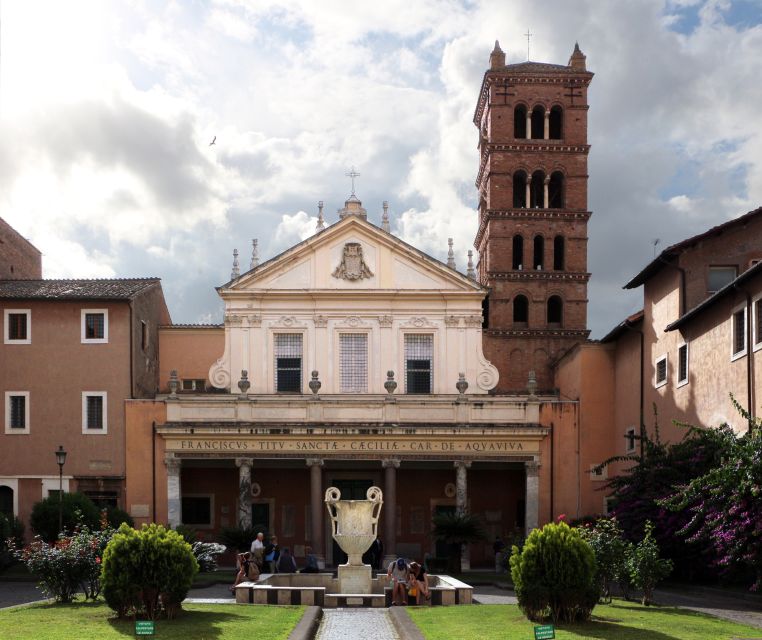
- Trastevere by foot: cobblestones, small streets, and the neighborhood’s real-life rhythm between sights
- Villa Farnesina frescoes: extensive wall and ceiling decoration tied to Renaissance stories
- Santa Maria in Trastevere mosaics: centuries-old gold mosaics that look different once you know what to look for
- Pietro Cavallini: mosaics in the mix, giving the art a clearer historical thread
- Santa Cecilia church: a Baroque-era sculpture stop in a smaller, more intimate setting
- A local guide who connects the dots: praised guides such as Vincenzo turn names and dates into something you remember
Why Trastevere + Villa Farnesina Is a Smart Match
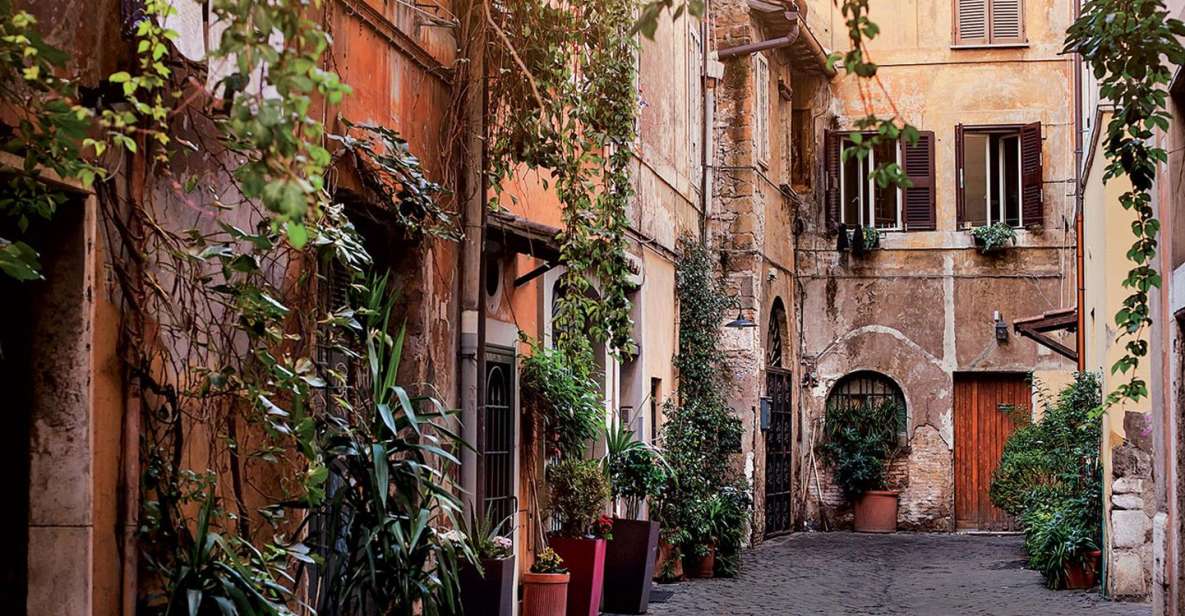
Trastevere can feel like Rome at street level. It’s the kind of neighborhood where you notice details—doorways, street angles, the way people move—long before you reach any museum door. Pair that with Villa Farnesina, and you get a rare two-for-one: everyday neighborhood Rome plus high-art Renaissance decoration.
What makes this combination work is pacing. In 3 hours, you’re not trying to win a sightseeing contest. You’re walking through one coherent pocket of the city, then spending real time where the artwork matters.
I also like that the tour is designed around churches and art rather than only plazas and photo stops. That means you’re building a story: patronage and artists, the area’s role in Rome, and how decoration turned into religious and civic identity.
You can also read our reviews of more private tours in Rome



Starting at Villa Farnesina: Where the Tour Finds Its Legs
You meet your guide outside the Villa Farnesina entrance. The practical part matters here: arrive about 15 minutes early, because the guide will be waiting holding a sign with the tour name. From there, the tour stays walk-based, so you can keep your brain switched on without constantly checking transit schedules.
This is also a good early test of whether the visit will feel comfortable for you. Villa Farnesina is the kind of stop where you’ll want to look carefully, not rush past. If you enjoy art moments that reward slow attention, you’ll likely find the start sets the tone for the rest of the walk.
One heads-up: this tour is scheduled rain or shine, and churches keep their rules no matter the weather. Wear comfortable shoes, and plan on being outdoors at least part of the time.
Villa Farnesina and the Raphael Frescoes: Renaissance Art With Neighborhood Roots
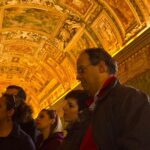
Villa Farnesina is a Renaissance suburban villa, and that detail changes how you see it. You’re not walking into a distant palace-museum fantasy; you’re stepping into a place that reflects how art lived next to everyday city life. The result is that the artwork feels more personal and grounded.
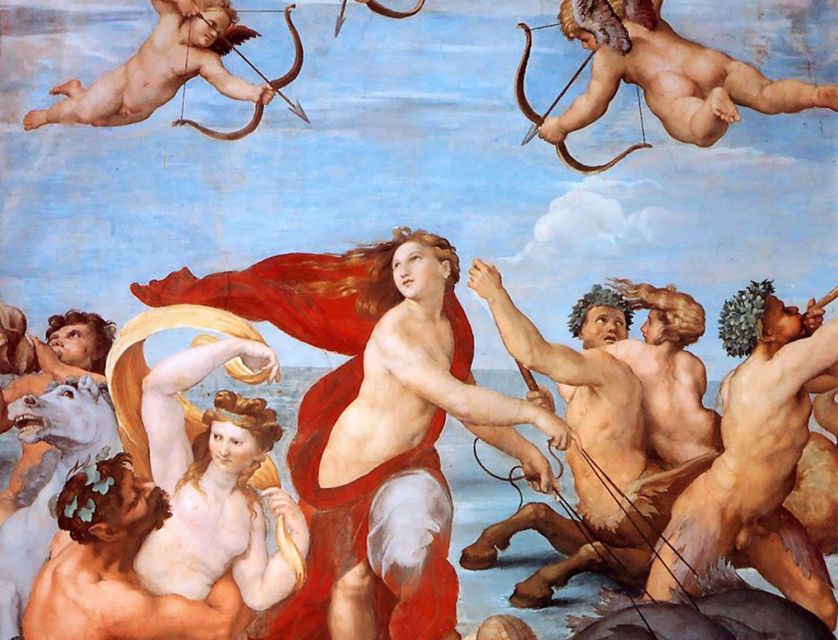
The star draw is the fresco decoration at Villa Farnesina, including works attributed to or associated with Raphael. The tour also ties the art to the stories people told about the area—like the claim that Raphael’s lover lived here. Even if you treat that as a legend, it gives you a reason to pay attention, instead of staring at images like they’re random wallpaper.
I like that the guide’s job isn’t just to point. A good guide helps you see frescoes as carefully planned communication: who commissioned what, why certain themes mattered, and how Renaissance taste was shaped by Rome itself. That’s where a private tour beats self-guided wandering—someone gives you a lens.
Practical note: churches and indoor sites often enforce dress expectations. Plan for long sleeves and long pants from the start so you don’t end up deciding between looking good and looking compliant.
Trastevere Streets on Foot: Stories Between the Churches
Once Villa Farnesina is done, you move into the Trastevere neighborhood experience. This is where you get the sense of the area as lived-in Rome: narrow lanes, lively restaurant energy, and plenty of places that show up in Rome photos for a reason.
The tour uses that street setting as more than a backdrop. You learn the neighborhood’s role in the city’s history while you walk past familiar types of places—pizzerias, lively restaurants, and all the everyday movement that makes Trastevere feel like a real community, not a theme park.
This is a smart way to handle Rome fatigue. Instead of sprinting from one artwork room to the next, you get a change of pace: walking, listening, absorbing. The best part is that the guide keeps connecting what you see outside (the area’s character) to what you’ll see inside (the church art).
If you’re the kind of traveler who hates standing in lines with nothing to do, this section can be a breather. It’s also the moment where comfortable shoes pay off the most.
Basilica of Santa Maria in Trastevere: Gold Mosaics and Pietro Cavallini
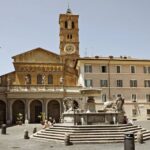
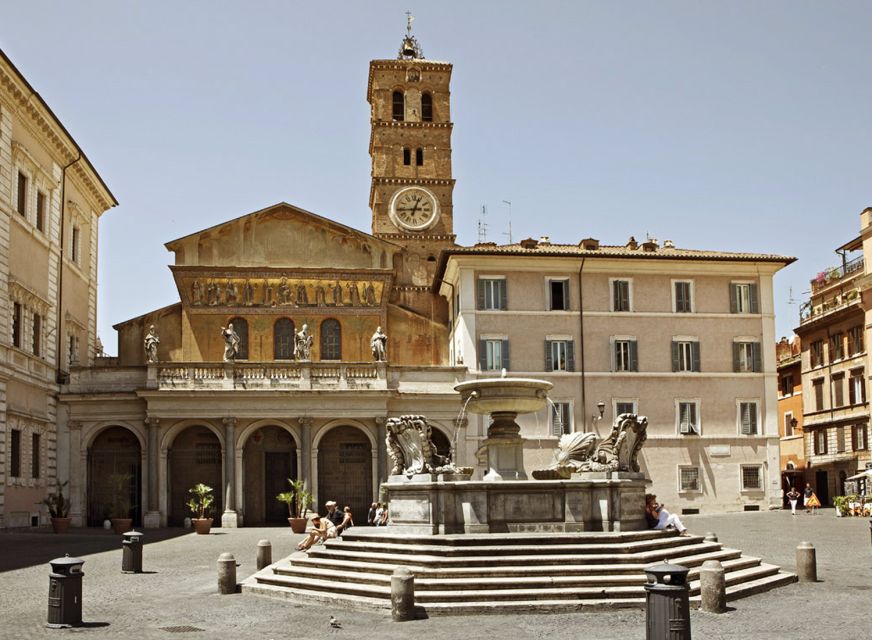
The Basilica of Santa Maria is one of Rome’s oldest churches, and the tour approaches it like that matters. You arrive expecting mosaics, but you’ll likely leave understanding how those mosaics function: not just decoration, but a visual statement meant to last.
The headline attraction is the centuries-old gold mosaics in the basilica. In practice, that means you spend time looking at surfaces that catch light differently depending on your angle. A guide helps here because it’s easy to admire gold without knowing what you’re actually seeing.
This is also where Pietro Cavallini comes into the story. The tour highlights the shining mosaics connected to him, adding an art-historical anchor so it doesn’t feel like a random collection of shiny things. You’ll get more out of the experience when someone gives you names and explains why they matter.
One caution: churches often enforce the no-bare-knees and no-shoulders rule. If you’re wearing shorts or a sleeveless top, you may have trouble entering. Bring what the tour asks for—long pants and a long-sleeved shirt—and you’ll walk in without drama.
You can also read our reviews of more tours and experiences in Rome




Church of Santa Cecilia: A Baroque Sculpture Stop That Feels Closer
From Santa Maria you continue to the nearby Church of Santa Cecilia. This is one of the tour’s “jewelbox” style moments: smaller space, big impact, and a focus on a specific highlight rather than a mile of wandering.
The standout here is the magnificent Baroque-era sculpture of Saint Cecilia. Baroque art can be theatrical, but in the right church setting it doesn’t feel like a museum performance. It feels like the building was made to frame emotion and detail.
What you gain from a guided visit is interpretation. Sculpture is one of those categories where it’s easy to admire the workmanship and still miss the point. A guide can help you notice what makes the piece Baroque—movement, attitude, dramatic presentation—so it registers beyond the first look.
Dress code still applies. If you’ve followed the tour’s clothing rules from the start, you’ll be in good shape for this second church stop too.
Entry Tickets and the Guide: Where the Tour Value Actually Comes From
Let’s talk value, because $147.27 per person isn’t pocket change. The good news: the price includes entry tickets plus a 3-hour private tour with a guide. That matters in Rome, where ticketing logistics and site entry can eat your time and energy.
A private walking format also changes how the money feels. Instead of splitting your attention across other groups, you can follow the guide’s pace and ask questions when something catches your eye. For art lovers, that can be worth a lot more than you might think.
You’re also not paying extra for “get your bearings” time. The tour sets a clear flow: Villa Farnesina first, then Trastevere streets, then Basilica of Santa Maria and the Church of Santa Cecilia. You end back at the meeting point, so you don’t have to solve a finish-line problem.
What’s not included is hotel pickup/drop-off and private transportation. So if you’re staying far away, factor that into your plan. If you’re already near Trastevere, the tour feels like a convenient payoff: walk out, enjoy a curated route, walk back.
Logistics That Keep the 3 Hours Pleasant (Not Stressful)
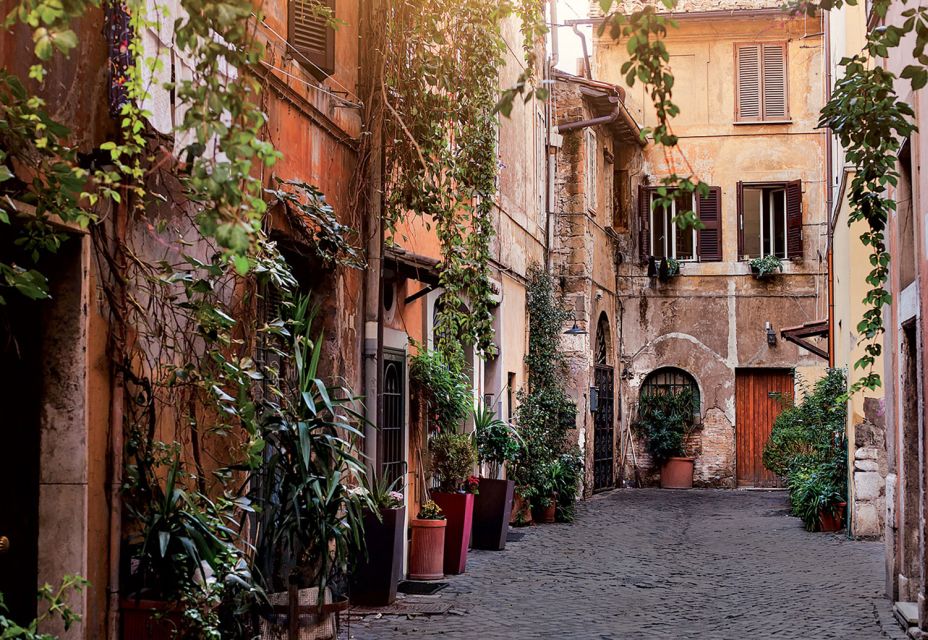
This is a 3-hour private walking tour, so you’re dealing with a real rhythm: arrive, meet, walk, pause, look, repeat. The tour is set up for you to cover a lot without constant transfers, but you still need to be ready for cobblestones.
Bring comfortable shoes. Even if you love Rome, your feet will not love you if you wear the wrong soles. Also bring the right clothing: long sleeves and long pants, no shorts, and avoid sleeveless shirts—church restrictions are part of the deal here.
The tour also notes that it’s not suitable for people with mobility impairments and wheelchair users. That’s a key detail because cobbled streets and church stairs can be unavoidable in this kind of walking route. If you need mobility accommodations, it’s better to look for a different format.
Finally, remember it runs rain or shine. That means you’ll want a rain layer you can tolerate indoors too. You don’t need to overpack, but you do need to be comfortable in wet conditions.
Who Should Book This Tour (And Who Might Find It Frustrating)
This tour is a good fit if you want art that connects to place. If you like frescoes, mosaics, and church sculpture, you’ll get a solid payoff in 3 hours without racing across the entire city.
It’s also a great choice if you prefer private pacing. You’ll move through Trastevere with a guide who explains the history as you go, so you’re not stuck with vague “this is pretty” reactions.
On the other hand, if you hate church rules, this might feel annoying. Dress requirements matter here—bare knees and bare shoulders can be a show-stopper. Also, the walking format means it’s not ideal if mobility is a concern.
Should You Book This Trastevere and Villa Farnesina Private Tour?
I’d book it if you’re chasing a high-quality mix of Renaissance art and neighborhood context. The combination of Villa Farnesina frescoes, Trastevere streets, and two focused church visits (including Santa Maria’s gold mosaics and Santa Cecilia’s Baroque sculpture) is a clear, coherent plan for the time you have.
I’d skip it or look for alternatives if your clothing options don’t meet church dress expectations or if walking on cobblestones is likely to be a problem. And if you only want quick highlights with zero listening, you might find a guided format feels too structured.
But if you like being guided—so you know what you’re looking at and why—it’s a strong use of 3 hours in Rome.
FAQ
How long is the Trastevere and Villa Farnesina private tour?
The tour lasts 3 hours.
What is the price per person?
The price is $147.27 per person.
Where do we meet the guide?
Meet at the entrance of the Villa Farnesina. Arrive about 15 minutes early, and the guide will wait holding a sign with the tour name.
Are entry tickets included?
Yes. Entry tickets are included.
Which sites are visited during the tour?
The tour includes Villa Farnesina, the Basilica of Santa Maria, and the nearby Church of Santa Cecilia, along with time strolling through Trastevere.
What should I wear?
Bring comfortable shoes, a long-sleeved shirt, and long pants. Shorts and sleeveless shirts are not allowed, and bare knees and shoulders are prohibited in many churches.
Is the tour private?
Yes. It’s a private group tour.
What languages is the guide available in?
The live guide is available in English and Italian.
Is the tour canceled for bad weather?
No. The tour takes place rain or shine.
Is it suitable for wheelchair users or mobility impairments?
No. It is not suitable for people with mobility impairments or wheelchair users.