A Roman food tour that starts in a real market? That’s the smart way to eat well fast. This Taste of Trastevere walk gives you high-quality ingredient know-how plus classic snacks from historic spots, led by guides like Luca, Manuela, or Gabi. I especially like how the stops mix food with street-level context, and how you get hands-on lessons for olive oil and Modena balsamic vinegar DOP. The only real drawback is that it depends on good walking pace and weather, since the experience is outdoors for large chunks.
You’ll pay $162.21 for about 3 hours, capped at 12 people, with a mobile ticket and an English-speaking guide when requested. It’s not a museum tour. It’s a “taste, learn, repeat later” kind of evening—if you like eating your way through Rome rather than just taking photos.
In This Review
- Key things to know before you go
- Trastevere tastes best when you build the habit at the market
- Campo de’ Fiori: learning to spot real extra virgin olive oil and Modena balsamic
- Rione Parione bakery stop: Roman pizza lessons in Margherita and Pizza Rossa
- Ponte Sisto walk: the view that explains why you came
- Trastevere streets and Supplì: the fried-rice classic you’ll remember
- Santa Maria in Trastevere: wine tasting plus stories you can actually use
- San Francesco a Ripa Grande: meats and cheeses from a traditional grocery shop
- Piazza San Cosimato and the family-run biscuit factory dating to 1940
- Gelato finish: a sweet landing after 3 hours of bites
- Price and value: what $162.21 gets you in real terms
- Guides like Luca, Manuela, or Gabi: what good service looks like here
- What to watch for (so you’re glad you booked)
- Who should book this Taste of Trastevere tour
- Should you book Taste of Trastevere
- FAQ
- Where does the Taste of Trastevere Roman Food Tour start and end?
- What time does the tour run?
- How much does it cost?
- How many people are in the group?
- Is wine included?
- Is the tour available in English?
- Do I need a printed ticket?
- What kinds of food will I try?
- What happens if the weather is bad?
- Is free cancellation available?
Key things to know before you go

- Small group (max 12): you’re more likely to get real back-and-forth than head-down marching.
- Market skills, not just samples: you learn what to look for in extra virgin olive oil and DOP balsamic.
- Classic Trastevere comfort foods: pizza, Supplì (fried risotto balls), wine, cheese and meat bites, biscuits, and gelato.
- Wine lesson tied to the stops: one glass each, plus stories about wine traditions from the surrounding countryside.
- Allergy-aware guidance (in practice): guides like Luca have tailored tastings for peanut/nut allergies, and worked with vegetarian and gluten-free needs in past groups.
Trastevere tastes best when you build the habit at the market
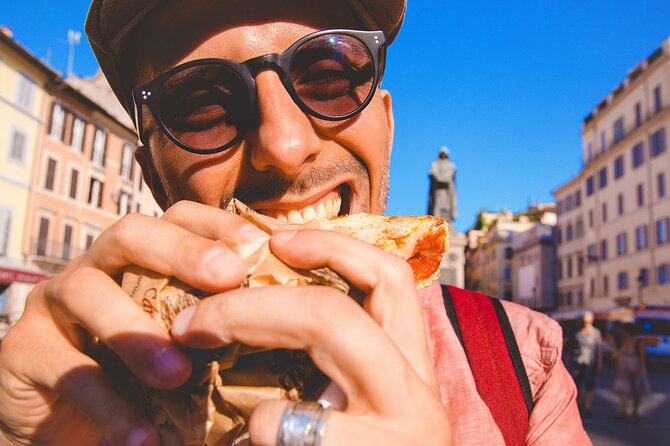
This tour is designed around one simple idea: start where Romans actually shop, then let that lead you into the neighborhoods where they actually hang out. You meet at Campo de’ Fiori at 3:00 pm, right by the statue of Giordano Bruno, and you spend your first stretch in the market atmosphere instead of jumping straight to a restaurant.
I like that the pacing works for an evening meal without turning into a long crawl. You’re out for about 3 hours, and the route takes you from Campo de’ Fiori into the Trastevere area via Ponte Sisto, then finishes near Piazza di San Cosimato. With a group size capped at 12, you’re less likely to get lost in the shuffle.
One practical consideration: you’ll be walking. It’s not stated as a strenuous tour, but you should still wear shoes that handle cobblestones and expect frequent stop-and-go moments. If you’re sensitive to crowds, the small group helps, but Campo de’ Fiori is still a market.
You can also read our reviews of more food & drink experiences in Rome

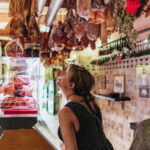
Campo de’ Fiori: learning to spot real extra virgin olive oil and Modena balsamic
Campo de’ Fiori is where the tour earns its name. You start in Piazza di Campo de’ Fiori and then spend time exploring the market products with your Roman guide. Two early stops keep you in that environment long enough to actually notice differences, not just grab bites and move on.
The standout education here is quality. You’ll learn how to spot high-quality extra virgin olive oil and how to recognize Modena balsamic vinegar DOP. That matters because “balsamic” in tourist shops can be a totally different product than the real thing. On a food tour, this is one of the best uses of your money: you’re paying for guidance that can save you from buying the wrong bottles later.
What you can expect:
- Market browsing with ingredient talk, not just tasting.
- A sense for what’s local and dependable, so you know what to look for again.
- A guide who explains how Italians think about these staples, especially oil and vinegar.
A quick tip: if you’re the type who wants to buy souvenirs that won’t disappoint, ask your guide what they recommend. The tour focus is on quality, and the market is the place where that logic matters most.
Rione Parione bakery stop: Roman pizza lessons in Margherita and Pizza Rossa
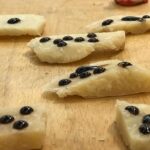
After the market, the tour shifts from ingredients to something Romans eat without making a big show of it: pizza. In Rione Parione, you visit one of the oldest bakeries in Rome and try Roman pizza variations—specifically Pizza Rossa and Margherita.
This stop is valuable for two reasons. First, it anchors you in Trastevere-adjacent Rome with a historic feel. Second, it helps you connect what you taste to what locals treat as normal food. Pizza in Italy isn’t only about cheese and tomato. It’s about how a place does its dough, its toppings, and its flavor balance.
What I like here:
- You’re tasting something recognizable, but you also get context that makes it easier to order confidently on your own later.
- The bakery stop is short, so you don’t end up stuck in a long line while the tour moves on.
One drawback to consider: if you’re already planning to do multiple pizza stops in Rome, you’ll want to treat this as a “baseline” comparison. Use it to decide what style you want to chase after the tour.
Ponte Sisto walk: the view that explains why you came
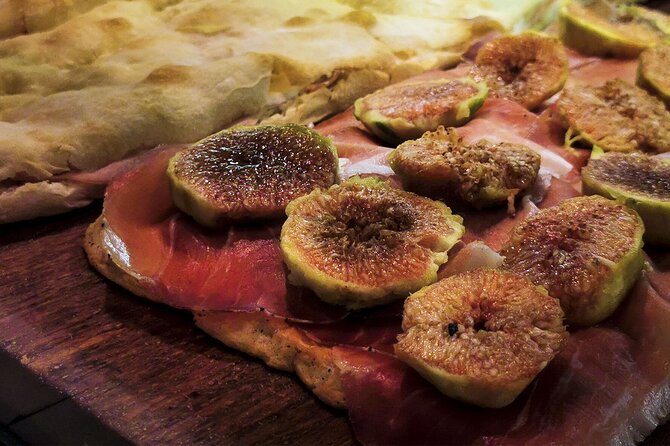
Before you fully settle into Trastevere, you cross Ponte Sisto. This is a simple transit moment that turns into a payoff: views of the Tiber River and the Vatican as you move toward the neighborhood known for everyday local culture.
I love that the tour doesn’t treat the walk as wasted time. The bridge gives you a quick sense of geography—where you are in relation to big landmarks—so the rest of the streets feel more “located” rather than random turns.
Photo-wise, this is an easy win. Practical-wise, it also helps you reset your appetite between bites so you’re ready for the real Trastevere classics.
Trastevere streets and Supplì: the fried-rice classic you’ll remember
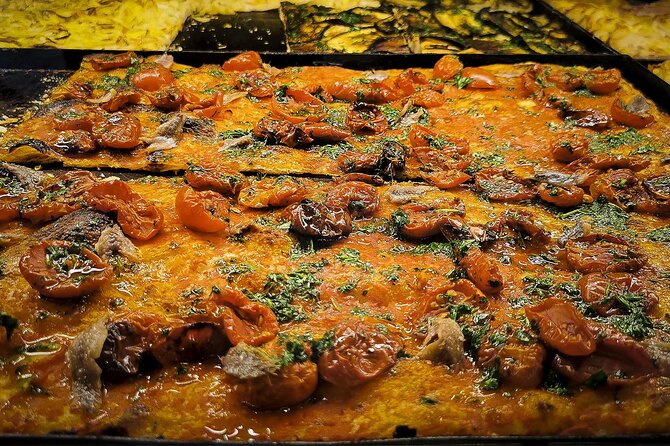
Once you reach Trastevere, the tour leans into the neighborhood’s rhythm: narrow streets, small food moments, and the kind of casual “where locals stop” feeling that makes Rome feel like a living city instead of a theme park.
You get a stop in Trastevere for atmosphere, and then you try one of the area’s famous comfort foods: Supplì. The description is specific—tomato and mozzarella deep fried risotto balls—which is exactly why this tasting works on a walking tour. It’s compact, portable, and intensely satisfying.
Why it’s a great choice for this tour:
- You can eat it while still moving through the neighborhood.
- It’s a local classic that gives you a flavor memory you can repeat later.
- It’s easy to compare with other fried bites you’ll see around Rome.
If you’re sensitive to fried foods, pace yourself. One Supplì is enough to understand the idea without making it a heavy meal.
You can also read our reviews of more tours and experiences in Rome



Santa Maria in Trastevere: wine tasting plus stories you can actually use
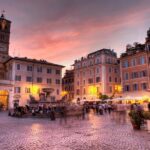
Your next big moment is Piazza and Basilica di Santa Maria in Trastevere. This is a stop that mixes a beautiful public space with the tour’s wine lesson.
Here’s what you get:
- A time in the Piazza and at the Basilica area.
- A glass of local wine sourced from producers in the surrounding countryside.
- Tales tied to Italian wine history and wine’s ancient origins and reputation.
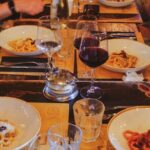
Even if you don’t consider yourself a “wine person,” this stop can sharpen your instincts. A single glass plus context is often the perfect ratio for tourists: enough to taste, enough to understand the why, not so much that you’re overwhelmed.
Practical thought: if you’re not used to wine, eat slowly during the earlier snacks so this glass lands comfortably. The tour includes alcohol, but it’s still your evening—manage it like you would at dinner.
San Francesco a Ripa Grande: meats and cheeses from a traditional grocery shop
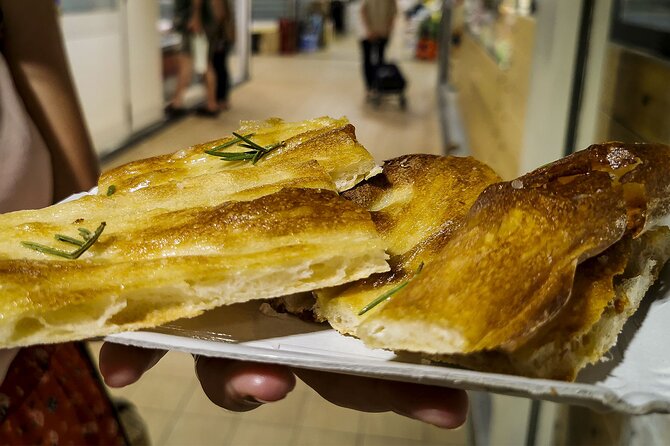
After the wine and the square, you wander to Chiesa di San Francesco a Ripa Grande and down a historic street. The focus shifts to a traditional grocery shop in Trastevere, where the tour introduces intense flavors of meats and cheeses.
This is one of those stops that often gets overlooked on food tours because it’s not flashy. But that’s exactly why it’s good. Grocery-shop tastings are where you learn what Italians buy for everyday eating—what they reach for without ceremony.
What you’ll likely notice in this stop:
- The flavors are front and center, and the guide’s job is to explain what you’re tasting and why it works.
- You’re getting a more “Roman home fridge” feel than a plated restaurant experience.
If you’re picky, this stop is also where your guide can help you decide quickly. If you have dietary restrictions, you should flag them early so the guide can tailor choices.
Piazza San Cosimato and the family-run biscuit factory dating to 1940
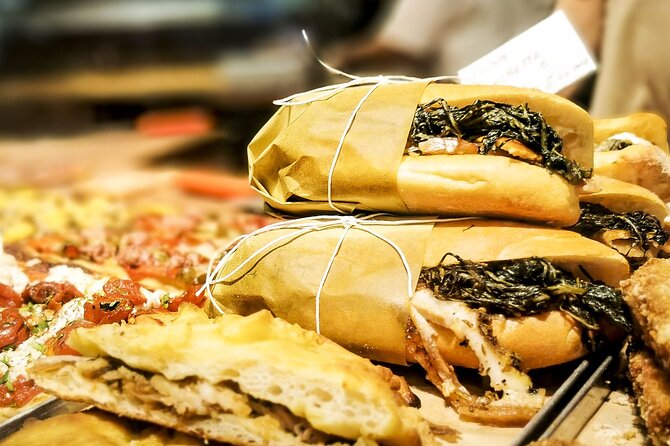
The tour ends up at Piazza San Cosimato, and here you stop by a historic biscuit factory and a family-run bakery that dates back to 1940.
This is a nice change of pace after richer bites. Cookies and biscuits are easy to enjoy even if you’re already full, and they give you a sweet snapshot of local treats you might not seek out on your own.
Why this stop is worth a spot on your agenda:
- It anchors the route in a real neighborhood time line, with a bakery tradition that goes back decades.
- It’s an easy “carry the memory” tasting. Biscotti-style snacks and cookies are a good souvenir type—if you can get them packed well.
Gelato finish: a sweet landing after 3 hours of bites
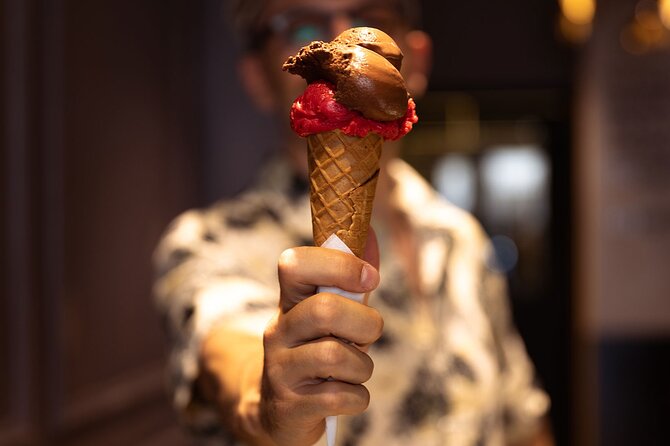
You close the tour in Trastevere with homemade Italian gelato, made with fresh ingredients, for the perfect final sweet stop.
Gelato at the end isn’t random. It balances the savory sequence you’ve already had: oil and vinegar lessons, pizza, Supplì, wine, cheese and meats, biscuits. Ending with something cold and light helps reset your palate for one more taste rather than making the last hour a stretch.
If you have strong preferences, ask for flavors you’ve been curious about in Rome. The tour includes this final gelato stop, so you’ll get a chance to choose rather than simply consume what’s offered.
Price and value: what $162.21 gets you in real terms
Let’s talk money plainly. At $162.21 per person for about 3 hours, you’re paying for:
- A local Roman guide (English-speaking by request).
- Multiple tasting stops across historic areas (the tour describes a complete dinner with tastings at 7 exclusive locations).
- One glass of wine per guest.
- A route that connects Campo de’ Fiori to Trastevere on foot, with scenic and historic pauses.
Is it “cheap”? No. But it’s also not just paying for food. You’re paying for the shortcut to quality: learning what counts in olive oil and balsamic, getting the right classics at the right places, and having a guide who can steer you through the neighborhood without you guessing.
In past tours of this type, two things drive value: small group size and guide flexibility. This one caps at 12 people, and reviews point to guides who adjust tastings for needs and preferences. That matters because it turns a standard menu into a personalized experience.
Guides like Luca, Manuela, or Gabi: what good service looks like here
The tour data includes English-speaking service, but the bigger win is how the guides work. Reviews mention Luca, Manuela, and Gabi in positive ways, and certain patterns show up:
- Guides explain history and culture alongside flavors, not in a dry lecture style.
- Guides can be accommodating with requests and can help you find specific tastes you care about.
- Allergy safety is taken seriously, with example tailoring for peanut/nut allergies.
- Flexibility shows up in pacing and in giving extra time where it counts.
If you’re hoping for a tour that feels like a conversation, this format fits. You’re not just moving through food counters; you’re learning what to look for.
What to watch for (so you’re glad you booked)
A few considerations can make or break your experience:
- Weather dependency: the tour requires good weather, and if it’s canceled due to poor weather, you’ll be offered a different date or a full refund.
- Walking and timing: start time is 3:00 pm, and it runs about 3 hours. Plan for a late dinner after, not a jam-packed first-night schedule.
- Food fullness: this is described as a complete dinner with tastings, plus one glass of wine and water included at stops. If you tend to eat very light, you’ll still want to pace.
- Dietary needs: there’s evidence guides can tailor tastings for allergies and for vegetarian/gluten-free groups, but you should still communicate needs during booking so the guide can plan.
Who should book this Taste of Trastevere tour
This tour is a great fit if:
- You want real Roman staples: pizza, Supplì, cheese and meats, cookies, gelato.
- You care about ingredient quality and want practical buying advice, especially for extra virgin olive oil and Modena balsamic vinegar DOP.
- You like neighborhood walking with a guide who connects food to place.
You might choose something else if:
- You hate crowds or walking on uneven surfaces.
- You’re not interested in learning anything about ingredients and just want a sit-down meal.
- You already have a full food schedule and don’t have space for an organized tasting sequence.
Should you book Taste of Trastevere
If you’re going to spend a few days in Rome, I think this tour is one of the smarter ways to start your eating. You get classic Trastevere food, you learn how to evaluate staples like olive oil and balsamic, and the small group helps the guide actually interact with you.
Book it early if you can. The experience is often booked about 180 days in advance, so you’ll have more date options if you lock it in sooner rather than later.
FAQ
Where does the Taste of Trastevere Roman Food Tour start and end?
It starts at Campo de’ Fiori, 00186 Roma RM, Italy, near the statue of Giordano Bruno, and it ends at Piazza di San Cosimato, Piazza di S. Cosimato, 00153 Roma RM, Italy.
What time does the tour run?
The start time is 3:00 pm, and the duration is about 3 hours.
How much does it cost?
The price is $162.21 per person.
How many people are in the group?
The tour has a maximum of 12 travelers.
Is wine included?
Yes. Alcoholic beverages include 1 glass of wine per guest.
Is the tour available in English?
Yes, it’s offered in English. An English, Spanish, or Italian-speaking local guide is provided depending on your request.
Do I need a printed ticket?
No. It uses a mobile ticket.
What kinds of food will I try?
Expect tastings that include olive oil and Modena balsamic vinegar DOP, pizza (Margherita and Pizza Rossa), Supplì (tomato and mozzarella deep fried risotto balls), local wines, meats and cheeses, cookies/biscuits from a historic bakery, and gelato.
What happens if the weather is bad?
This experience requires good weather. If it’s canceled due to poor weather, you’ll be offered a different date or a full refund.
Is free cancellation available?
Yes. You can cancel up to 24 hours in advance for a full refund. If you cancel less than 24 hours before the start time, the amount paid is not refunded.