REVIEW · ROME
Surroundings of Rome on Vespa
Book on Viator →Operated by Landimension Travel · Bookable on Viator
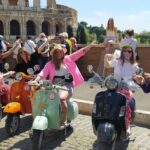
Rome on a scooter turns sightseeing into motion. This private Vespa outing strings together Roman hills, sea-side ruins, and UNESCO gardens in a smooth 4–5 hour loop, with helmets and basic insurance built in. Your guide on the route, often including Mario, helps you move through traffic and focus on the views and photos instead of stress.
I love the way the day mixes big-name stops with the everyday Roman edges. You’ll get time in Ostia Antica by the sea and also see the harbor area of Porto di Traiano, then head toward Tivoli for either Villa d’Este or the caves-and-waterfalls setting of Villa Gregoriana. And you’re not on an empty stomach: lunch is included, and guides commonly aim you at a great local place.
One consideration: this is designed for you to be a passenger. If you request your own Vespa to drive, you need solid scooter skills (and, if you’re not an EU citizen, an international drivers licence), plus you’ll pay a one-day Vespa rental—so it’s not a do-it-yourself beginner option.
In This Review
- Key things that make this Vespa day work
- Why a Vespa is the best way to see Rome’s hills (and not just the center)
- Scooter logistics: passenger rules, driver requirements, and staying comfortable
- Your 4–5 hour route: hills first, then sea ruins, then Tivoli
- Ostia Antica: an ancient city by the sea, plus a light beach-side break
- Porto di Traiano and Fiumicino: Claudius and Trajan’s harbor energy
- Tivoli UNESCO gardens: Villa d’Este fountains or Villa Gregoriana grotto country
- Lunch and onboard extras: what’s included and why it matters
- Price and value: what you’re paying for at $298.33 per person
- Who this Vespa tour suits best (and who should rethink it)
- Should you book this Rome on a Vespa tour?
- FAQ
- How long is the Rome on Vespa experience?
- Is pickup available from my hotel?
- Do I need to ride as a passenger or can I drive?
- What’s included with the tour price?
- Are entry tickets included for all stops?
- What time does the tour start and where does it begin?
- Does the tour run in poor weather?
- What language is the tour in?
Key things that make this Vespa day work
- A private ride with a guide, so you’re not fighting your way through Rome solo
- Safety gear included (helmets, scooter, basic insurance) plus rain ponchos if the weather flips
- Two free archaeology stops: Ostia Antica and Porto di Traiano are listed with free admission
- Tivoli choice: Villa d’Este or Villa Gregoriana, with entry tickets not included
- Lunch included with water on board, so your day stays on schedule
Why a Vespa is the best way to see Rome’s hills (and not just the center)
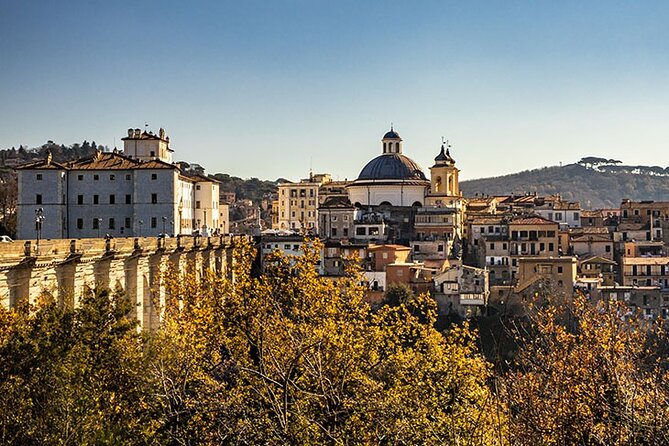
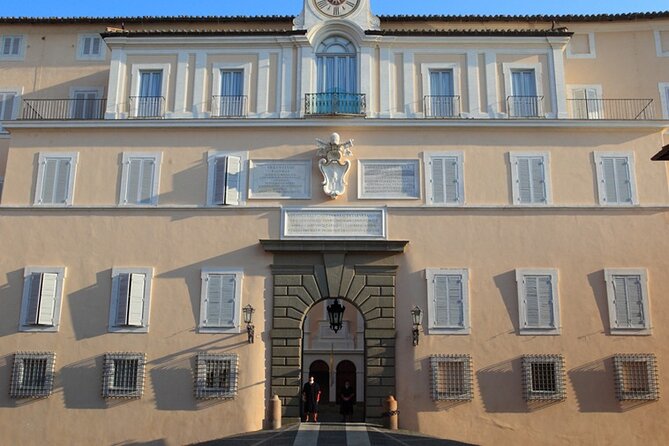
Rome looks great from street level, but it’s next level from moving viewpoint height. On this tour, you’re rolling along the hills surrounding the city—think Albano, Ariccia, Castel Gandolfo, Frascati, Grottaferrata, Marino, and Rocca di Papa. That’s where you start seeing villas, lakes, and long sightlines over the countryside, not just stone buildings stacked on stone buildings.
You also get a reality check on Rome’s shape. The hills make the scale obvious fast. You understand why the city clings to certain ridgelines, and you see why people talk about panoramas here so much. It’s the kind of day where photos make sense, because you’re actually traveling through the viewpoints rather than pausing in one crowded piazza for hours.
This is also a smart fit if you want variety in one go. The route isn’t just “ancient Rome.” It’s ancient ruins by the water, a major Roman harbor area, and then Tivoli’s gardens and grotto-like settings—places that feel different from the typical hop-on tour.
You can also read our reviews of more tours and experiences in Rome



Scooter logistics: passenger rules, driver requirements, and staying comfortable
The single most important detail is how you ride. This experience is for you to be a passenger on the scooter while the guide handles navigation and pace. That’s what makes it practical for a short 4–5 hour outing: you’re not trying to learn Italian traffic rules and turn signals at the same time.
If you ask to drive your own Vespa, the rules are stricter:
- You must already be well experienced driving a scooter or moto
- A drivers licence alone isn’t enough
- If you’re not an EU citizen, you need an international drivers licence
- You must show proficient riding skills
- You’ll pay for a one day Vespa rental
So for most people, the easiest plan is to go as a passenger. You’ll still be responsible for basic safety: keep a steady posture, follow the guide’s stops, and wear your helmet correctly.
And yes, your comfort matters on a scooter day. You’ll be given a helmet, and the tour includes rain ponchos and mineral water. That combination is small but useful—Rome can shift from sunny to drizzly quickly, and you don’t want to spend the best part of the day cold and soaked.
Your 4–5 hour route: hills first, then sea ruins, then Tivoli
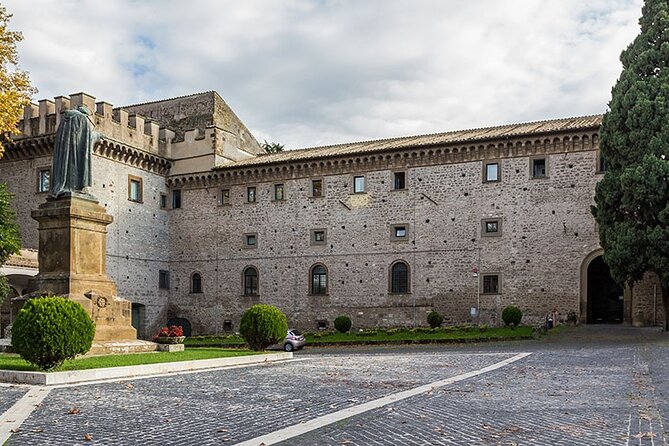
The flow is built for momentum. You start with the hills surrounding Rome, then move toward the coast and harbor zones, and finish with Tivoli’s garden world. The exact pacing varies with traffic and your group, but the itinerary is structured so you hit the highlight zones without turning the day into a long museum slog.
Here’s the big picture of what’s on the schedule:
- Hills and towns around Rome: Albano, Ariccia, Castel Gandolfo, Frascati, Grottaferrata, Marino, Rocca di Papa
- Stop at Ostia Antica
- Stop at Porto di Traiano and the Fiumicino harbor area
- Ride to Tivoli for Villa d’Este (or Villa Gregoriana)
Because the whole tour is listed at about 4 to 5 hours, you’ll want to treat each stop like a well-timed taste. You’re getting “see it, walk it, photograph it, and move on,” not lingering for half a day.
That’s a plus for many visitors. If you’re trying to balance Rome’s museums with outdoor sights, this format helps you cover ground without burning your whole vacation on one long attraction.
Ostia Antica: an ancient city by the sea, plus a light beach-side break
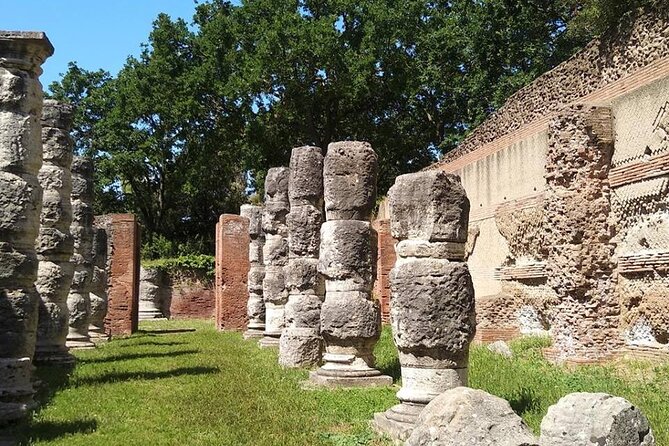
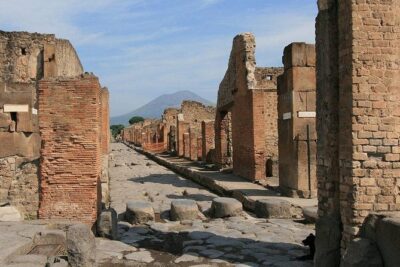
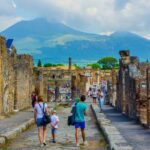
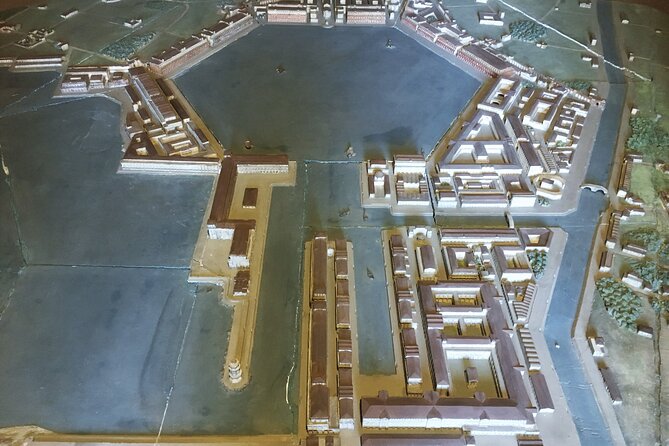
Ostia Antica is about 35 km from Rome, and it’s a change of scenery in a good way. You’re visiting the archaeological park of an ancient Roman city by the sea. That sea-side setting is part of the appeal: the ruins don’t feel shut in the way many urban ruins can.
This stop is listed for about 1 hour, with admission ticket free. The tour also includes a stop by the beach with a light lunch, then you return to Rome after.
A practical note: even if admission is free, you should still plan for comfort. Sun and wind can change fast near the coast. If you tend to get cold easily, bring a layer you can put on quickly—especially if clouds roll in.
Also, think of Ostia Antica as a place to slow your eyes down. You’ll notice street grids and building outlines, and you’ll start to imagine day-to-day life rather than just looking at “cool ruins.” The sea air helps, too. It makes the place feel like an actual living zone that once fed into the harbor economy.
Porto di Traiano and Fiumicino: Claudius and Trajan’s harbor energy
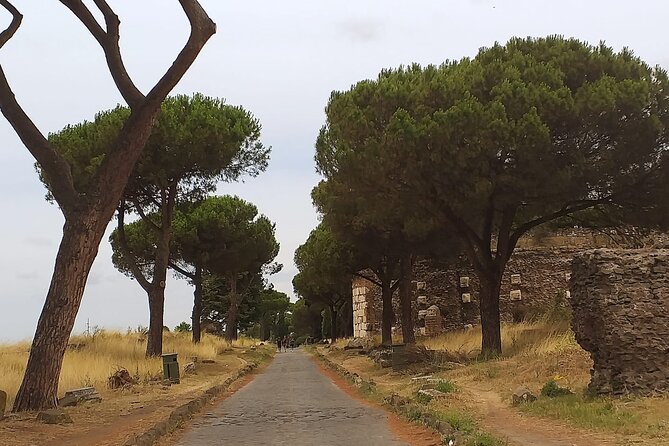
Next is Porto di Traiano. This is about 35 km from Rome and focuses on a major piece of Roman engineering: the largest harbor built by Claudius and Trajan. Even if you’re not a “technical history” person, the harbor story makes sense once you see the scale of the area.
This stop is also listed for about 1 hour, with admission ticket free. Then the itinerary includes a move toward the modern harbor in Fiumicino for a light lunch before heading back.
What I like about this part of the route is how it links past and present. Rome isn’t just stone monuments. It’s a logistics and trade story too. Porto di Traiano shows you why emperors cared about where ships could dock safely—and Fiumicino helps you visualize what that kind of movement looks like today.
You’ll likely spend most of your time walking, looking, and absorbing the setting. Since the tour is time-managed, don’t expect a long archaeological deep study. Do expect that you’ll come away with a clearer mental map of Rome’s relationship to the coast.
You can also read our reviews of more tours and experiences in Rome


Tivoli UNESCO gardens: Villa d’Este fountains or Villa Gregoriana grotto country
After the coast, the tour shifts to Tivoli. This is where you trade sea air and harbor geometry for fountains, caves, and garden paths—plus the UNESCO connection.
You have a choice here:
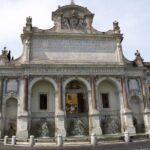
- Villa d’Este, a masterpiece of Italian gardens with an impressive concentration of fountains, nymphs, grottoes, and related sights tied to Hadrian’s Villa (Villa Adriana)
- Villa Gregoriana, at the feet of the ancient acropolis area, commissioned by Pope Gregory XVI in 1835 to rebuild the Aniene River bed after a flood in 1826, with paths leading to caves, grottoes, waterfalls, and Roman ruins
Villa d’Este’s admission is listed as not included, and the scheduled visit time is about 35 minutes. If you choose Villa Gregoriana, you’re also looking at a short “walk-and-look” window rather than a long circuit.
So how do you choose? Think about what you want your photos to look like.
- If you want classic garden drama—fountains and theatrical waterwork—lean toward Villa d’Este.
- If you want more natural-feeling paths with caves and waterfalls and that Pope-era restoration story, pick Villa Gregoriana.
Either way, the UNESCO context helps. You’re not just touring pretty gardens; you’re seeing a place designed to wow, built from a mix of power, engineering, and artistic taste.
Lunch and onboard extras: what’s included and why it matters

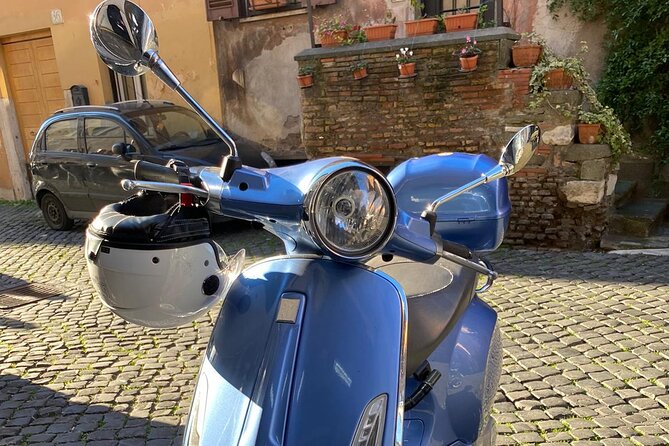
This tour includes lunch, plus Vespa ride support items like rain ponchos, mineral water, and helmets with scooter and basic insurance. It’s a practical package, and that matters on a day that mixes driving, stops, and short walking time.
The lunch piece is more than a perk. When your schedule is tight, being fed keeps energy steady for the next viewpoint and the next ruin zone. You’re also not spending your “best time” hunting for something open.
One more small but real advantage: private transportation means you’re not guessing how to get between distant stops like Ostia Antica, Porto di Traiano, and Tivoli. Rome is spread out. This tour is built to reduce that friction.
And if you want to add a little local comfort, a guide like Mario has been known to include a quick espresso moment and to point guests toward a standout lunch spot in the neighborhood. That kind of guidance is the difference between eating something convenient and eating something memorable.
Price and value: what you’re paying for at $298.33 per person
At $298.33 per person, this isn’t the cheapest way to “see Rome.” But it’s also not only paying for sights. You’re paying for:
- A private guide-led Vespa experience
- Helmets and scooter support with basic insurance
- Private transportation connecting Rome hills, coastal ruins, and Tivoli
- Lunch, plus water and rain ponchos
Two stops list admission as free: Ostia Antica and Porto di Traiano. That reduces the museum-ticket “surprise” factor for a big chunk of the day.
The main cost uncertainty is that Tivoli’s stop (Villa d’Este) is listed with admission not included. So you should budget for at least one paid ticket if you choose Villa d’Este, and you may have the same situation with Villa Gregoriana since admission isn’t listed as included for stop 3.
If you’re comparing value, put it like this: you’re paying to avoid the hassle of scooter logistics plus the time cost of figuring out long-distance connections. In a city where traffic and navigation can drain a day, that’s often worth it—especially when your time is limited.
Tips are not included, so keep a little extra set aside if you want to reward the guide.
Who this Vespa tour suits best (and who should rethink it)
This tour fits you if you want a fast, scenic day that covers a lot of Rome-shaped variety without making you plan every transit step. It’s also a good match if you like being outside and prefer views you can reach while moving.
You should consider skipping or adjusting your expectations if:
- You want to drive your own Vespa but you’re not already a confident scooter rider
- You don’t like being a passenger for several hours
- You want long, slow museum-style visits at each major stop (this itinerary is time-boxed)
It’s also dependent on weather. The experience requires good weather, and if it’s canceled due to poor weather, you’re offered a different date or a full refund.
Should you book this Rome on a Vespa tour?
Book it if you want a day that feels like Rome from street level to hillside panorama—then flips to ancient coastal ruins and ends with Tivoli garden drama. The included safety gear, onboard extras, and the fact that lunch is built into the schedule make it feel less like a gamble and more like a smooth plan.
Think twice if you’re chasing guaranteed quiet time. With a scooter ride, short stop windows, and moving between zones, this is built for motion. It’s also built for passenger riding unless you already meet the driving requirements.
If your goal is maximum variety in limited time, this is a strong choice. If your goal is deep museum immersion or full control of your own scooter without experience hurdles, you’ll probably prefer a different format.
FAQ
How long is the Rome on Vespa experience?
The tour runs about 4 to 5 hours (approx.).
Is pickup available from my hotel?
Pickup is offered. For hotels out of the list, you’re asked to contact the operator.
Do I need to ride as a passenger or can I drive?
The tour is for you to be a passenger on the scooter. If you request your own Vespa to drive, you must be well experienced, and if you are not an EU citizen you need an international drivers licence and must demonstrate proficient riding skills. You’ll also pay for a one-day Vespa rental.
What’s included with the tour price?
Helmets and scooter with basic insurance, private transportation, Vespa rain ponchos, mineral water, and lunch are included.
Are entry tickets included for all stops?
Ostia Antica and Porto di Traiano list admission as free. Villa d’Este admission is not included.
What time does the tour start and where does it begin?
It starts at 10:00 am at Vicolo di S. Nicola de’ Cesarini, 4, 00186 Roma RM, Italy, and it ends back at the same meeting point.
Does the tour run in poor weather?
This experience requires good weather. If it’s canceled due to poor weather, you’ll be offered a different date or a full refund.
What language is the tour in?
The tour is offered in English.