REVIEW · ROME
Skip The Line- Vatican Museum & Sistine Chapel
Book on GetYourGuide →Operated by Ancient Roman Tours srl · Bookable on GetYourGuide
One short day can feel like centuries. This skip-the-line visit to the Vatican Museums and Sistine Chapel is all about high-impact stops without losing your morning to queues. I like that you get priority entry through a separate entrance, and I also like the focus on big visual hits like the Raphael Rooms and Michelangelo’s frescoes, including The School of Athens. One thing to weigh: even with skip-the-line access, you still have to go through airport-style security, so peak-season lines can still add time.
The best way I’ve found to make this day work is to treat it like a plan, not a wander. You’ll move through a carefully chosen route that connects art, history, and Renaissance ideas, including the marble legacy of ancient Greece and Rome, and the scientific vibe of the Gallery of Maps. If your travel gets derailed by transport issues, I’d build in buffer too, because one rough day can mean missing your entry time slot.
In This Review
- Key Highlights You’ll Really Notice
- Skip-the-Line Reality: What Priority Access Actually Means
- Arriving at Via Santamaura and Getting Started With a Host
- Inside the Vatican Museums: Raphael Rooms and The School of Athens
- Marble and Meaning: Ancient Greek and Roman Statues
- Gallery of Maps: Renaissance Science You Can Actually See
- Michelangelo’s Sistine Chapel: What to Know Before You Go
- Dress Code and Ticket Rules That Can Save Your Day
- Timing, Crowds, and a One-Day Plan That Works
- Price and Value: Is $67.22 a Good Deal?
- Who This Tour Fits Best (and Who Might Prefer Another Option)
- Should You Book This Vatican Skip-The-Line Ticket?
- FAQ
- What does the tour include?
- Where is the meeting point?
- Where does the tour end?
- How long is the experience?
- Does the ticket include priority access?
- What about security and waiting lines?
- Is transportation included?
- Are food and drinks included?
- Are there dress code restrictions?
- Are there age discounts or free entry for children?
- Will the Sistine Chapel always be open?
Key Highlights You’ll Really Notice
- Skip-the-line via a separate entrance that helps you start faster than standard entry lines
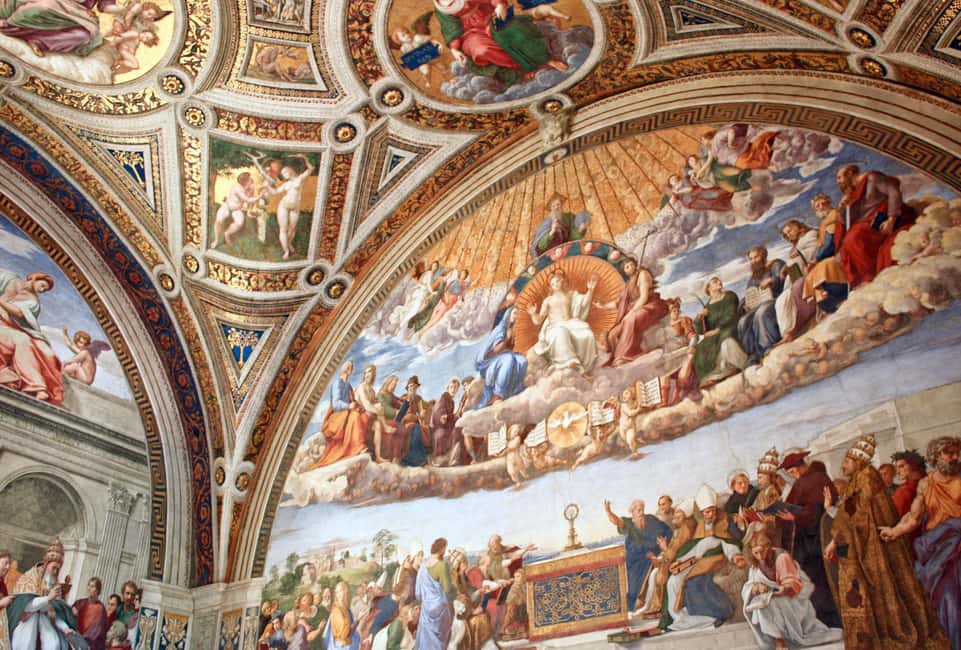
- Raphael Rooms and The School of Athens as the classic “wow” moment you came for
- Gallery of Maps, where Renaissance curiosity and design meet political geography
- Michelangelo’s Sistine Chapel story, built around what you’re actually seeing
- Ancient Greek and Roman marble works, showing how artists “breathed life” into stone
- Host assistance at the meeting point, plus a flyer and map to keep you oriented
Skip-the-Line Reality: What Priority Access Actually Means
Skip-the-line tickets can sound magical. In practice, it usually means one thing: you enter the Vatican Museums through a separate entrance and move ahead of the main crowd. That matters because the Vatican can be slow in the bottlenecks—especially when you’re fighting for a time slot.
But here’s the catch I want you to plan around: all visitors go through airport-style security. During peak season, security waits can run over 30 minutes. So yes, you’re saving time on the museum side, but you’re not getting a free pass on security.
I also recommend you think about timing like this: your ticket is tied to a date and time slot, so being late is not a “no worries” scenario. If your arrival day is shaky (train delays, strikes, or weather), it can turn your best-laid plan into a miss. I’d rather show up early than gamble on “we’ll be fine.”
Finally, note that June, July, and August are especially crowded. If your trip falls in those months, prioritize early logistics and keep expectations realistic about how long you might stand before you’re fully inside.
You can also read our reviews of more museum experiences in Rome



Arriving at Via Santamaura and Getting Started With a Host
This tour starts at Via Santamaura, 32. The check-in is inside the Ancient Roman Tours office, downstairs. You’ll get assistance at the meeting point with a host, which is one of the most underrated parts of any Vatican visit.
I love this format because it cuts through confusion. Vatican days can be chaotic even when everything is running smoothly. Having someone point you the right way, hand you your materials, and help you get to the start of your visit reduces that first-hour stress.
You also receive a flyer and map. That sounds small until you’re standing in a museum maze. Even if you don’t follow everything word-for-word, it helps you keep your bearings so you don’t waste your limited time backtracking.
At the end, the activity finishes back at the meeting point. You’re not left figuring out your way out alone, which is nice when you’re tired and hungry by late afternoon.
Inside the Vatican Museums: Raphael Rooms and The School of Athens
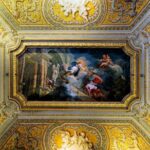
The heart of your day is the Vatican Museums route, built around the kind of masterpieces that anchor art history. The standout here is the Raphael Rooms, plus famous works like The School of Athens.
These rooms are more than “pretty paintings on walls.” They show you how Renaissance artists organized space and ideas. Raphael’s scenes are carefully staged, with figures arranged like living architecture. The result is that you’re not just looking—you’re reading the composition, even if you don’t know every detail.
When you see The School of Athens, you’ll understand why people lose track of time here. It’s a crowd-pleaser, sure, but it’s also a smart introduction to the Renaissance mindset: learning, debate, and classical inspiration all packaged into visual form.
One practical note: these rooms can be busy. If you want photos, choose your moment. If you want the full impact, slow down for a few key views instead of chasing every angle at once. That’s how the time feels worth it.
Marble and Meaning: Ancient Greek and Roman Statues
You also get a connection to the ancient world through the museum’s collections that highlight how Greeks and Romans shaped marble into something you can almost feel. The experience emphasizes how these statues “breathed life” through form and expression.
This matters because it gives context. Renaissance art didn’t appear out of nowhere. It’s built on the study of classical models—on the belief that ancient craft and ideas could be reworked into new visions.
In practical terms, this part of your visit helps your brain switch from “look at art” to “understand why it looks that way.” You start noticing proportions, poses, and the way artists used realism to communicate personality. Even if you’re not an art-history person, you’ll probably feel the difference when you compare your first statue view to your later ones.
If you get tired, don’t force it. Take short breaks, step aside when you can, and let your eyes reset. This is a long day in a big building.
Gallery of Maps: Renaissance Science You Can Actually See
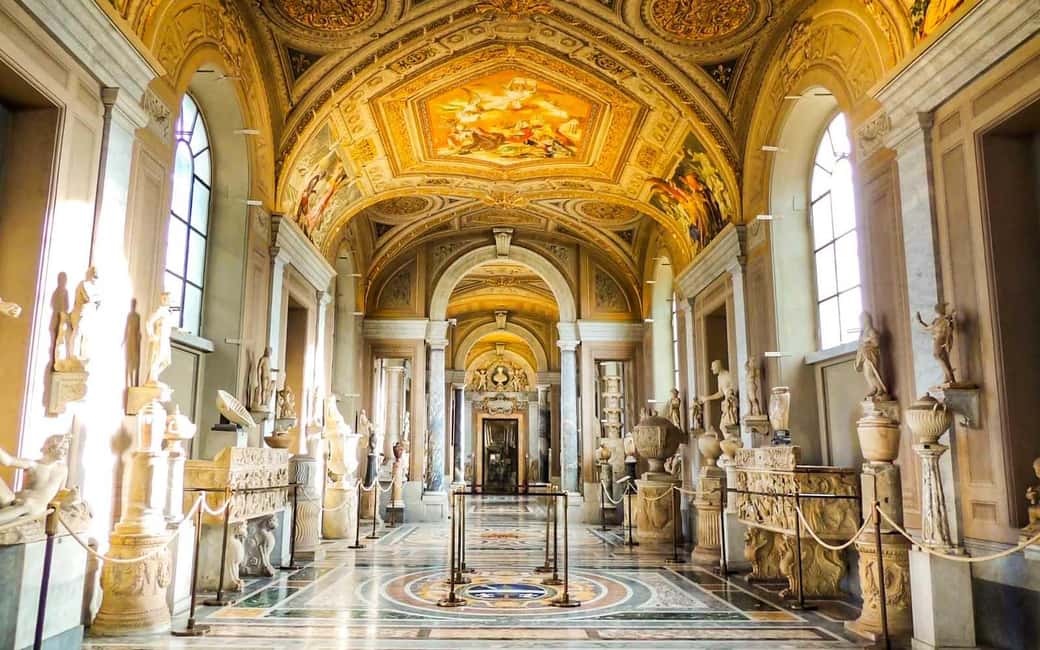
The Gallery of Maps is one of those stops that surprises first-timers. It’s not just “old maps.” It’s the Renaissance idea of knowledge made visible—geography treated like a serious intellectual project.
I like this room because it changes the pace. After art-heavy rooms, you get something that feels like planning, measurement, and curiosity. It’s a reminder that the Renaissance wasn’t only painters and sculptors—it was also people thinking about the world, the way it worked, and how to document it.
You’ll walk through a gallery that makes the era feel practical, not only poetic. And if you’re someone who loves history but gets bored by dates and timelines, visual references like these make the story easier to hold onto.
You can also read our reviews of more tours and experiences in Rome
- Skip-the-Line Group Tour of the Vatican, Sistine Chapel & St. Peter’s Basilica
★ 4.5 · 12,779 reviews



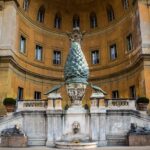
Michelangelo’s Sistine Chapel: What to Know Before You Go
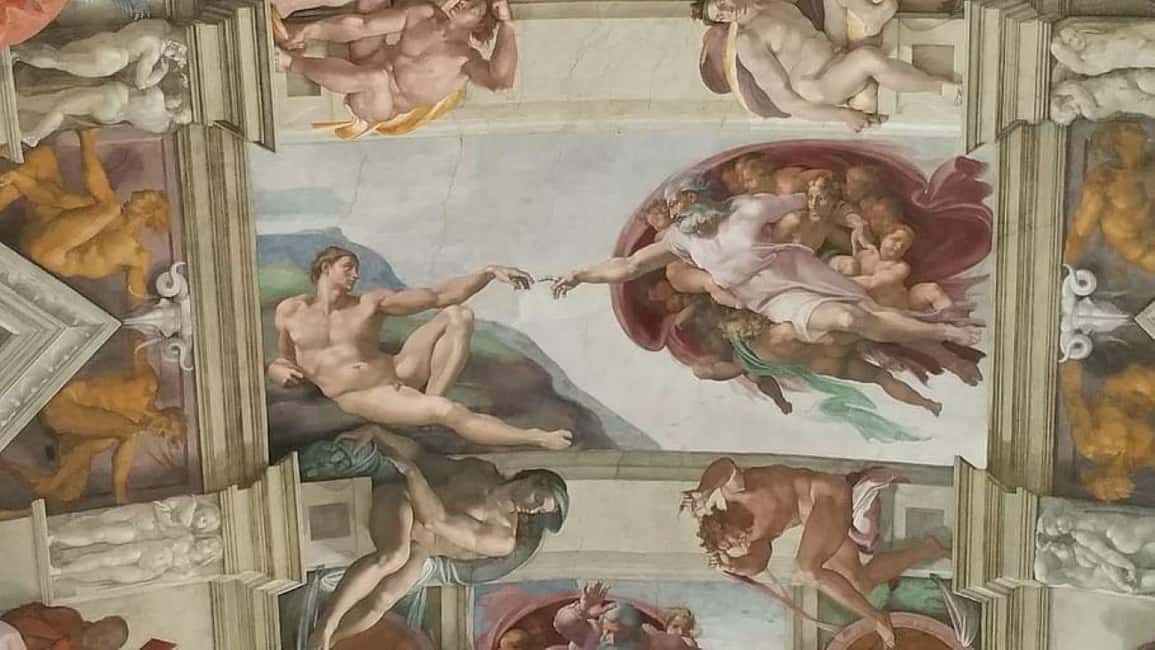
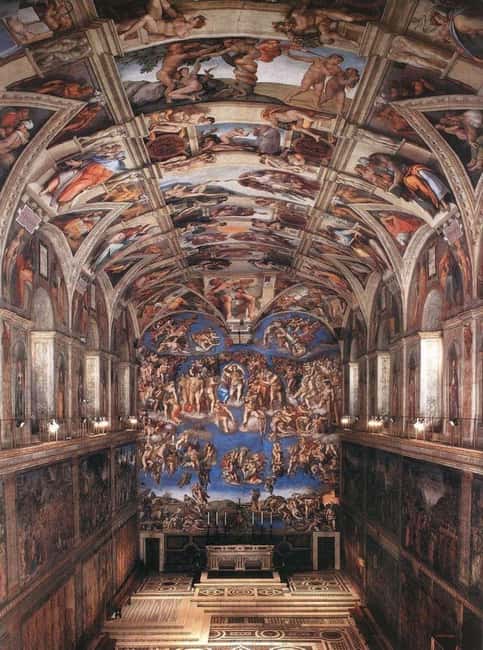
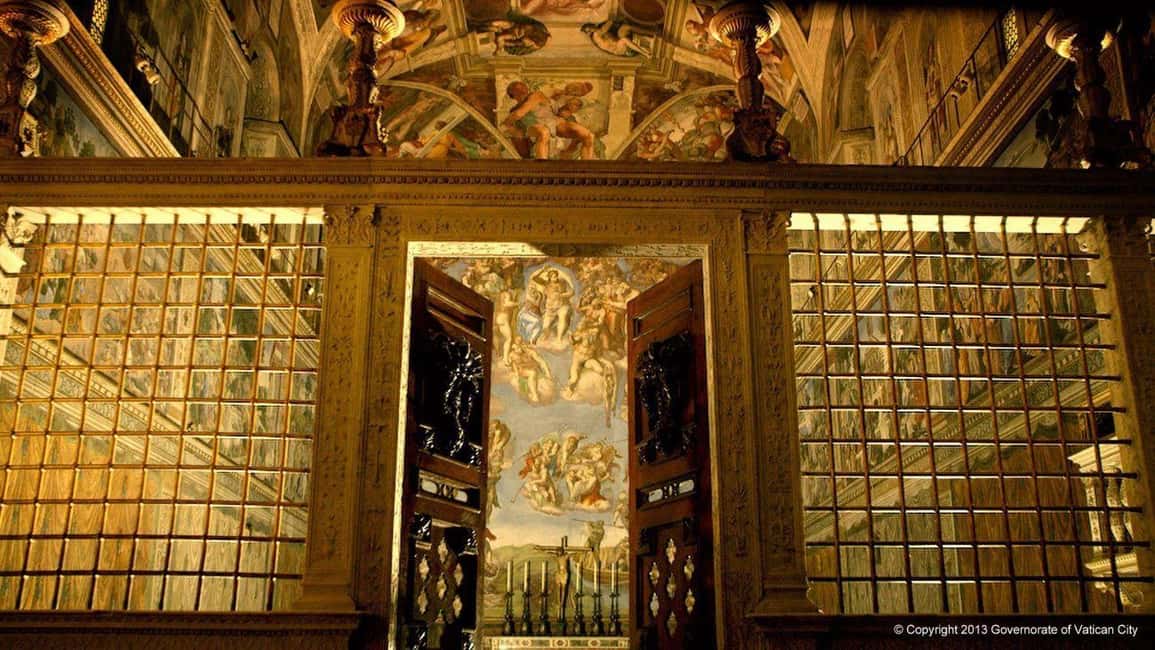
Michelangelo’s frescoes are the main event, and the experience is built around the story behind the Sistine Chapel—so you’re not just staring at ceiling paint. You’re meant to understand what you’re seeing and why it became such a cultural earthquake.
There’s also a crucial planning item: the Conclave is currently taking place in the Sistine Chapel, and the chapel will be closed starting April 28. That means your exact date matters. Your ticket is for the time slot chosen, but closures can affect access to the Sistine Chapel depending on the current situation.
My advice: before you commit your whole day, verify the status close to departure or check the provided info for updates. If your visit date is near that closure window, treat the Sistine Chapel as a “must-check” item.
Even when the chapel is functioning normally, expect crowds and controlled movement. Keep your pace steady, and aim to see the main fresco areas clearly rather than trying to capture every detail from every corner. With Michelangelo, clarity beats frantic viewing.
Dress Code and Ticket Rules That Can Save Your Day
This is the part that can ruin a plan if you ignore it. There’s a strict clothing rule: no shorts or skirts above the knee, and no sleeveless tops for both men and women. If you’re traveling in warm weather, that matters.
So I’d plan like this:
- Wear something that fits the rule the first time you step out.
- If you’re unsure, bring a light layer you can adjust quickly.
Your ticket is also valid for the date and time slot chosen. Don’t count on being able to switch times at the last second.
Kids have options too. Youth tickets are available for ages 7 to 18 with a valid ID, and children under 7 enter free with a valid ID.
And because you’ll pass through security, keep your bag simple and ready. The less you fumble, the less time you spend stuck.
Timing, Crowds, and a One-Day Plan That Works
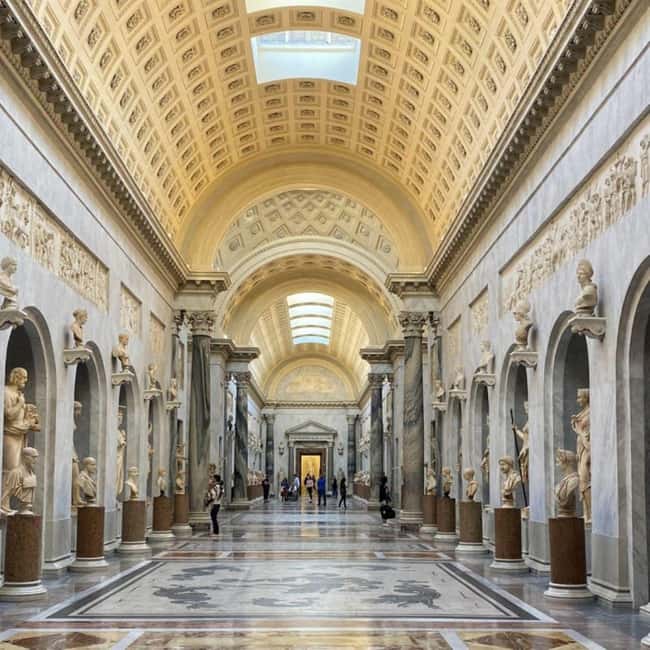
The tour is listed as duration: 1 day, with starting times you select based on availability. That’s a good setup for people who only have a limited window in Rome.
But the Vatican does not run on “tourist math.” Even with priority entry, you’re dealing with:
- security
- crowds
- timed entry rules
- occasional schedule changes due to special events
Opening hours are subject to change, and special events can impact the Vatican Museums, Sistine Chapel, and St. Peter’s Basilica. So plan for flexibility. If your day already has tight connections, I’d rather you choose an earlier slot and protect the rest of your itinerary.
Also, the months of June, July, and August can be packed. Those are the months when every line feels longer and every room feels tighter. If that’s when you’re going, arrive with the mindset that this is a crowd experience, not a quiet museum day.
Price and Value: Is $67.22 a Good Deal?
At $67.22 per person, this ticket can be good value if your #1 goal is efficiency. What you’re paying for isn’t just entry—it’s the combination of:
- skip-the-line access via a separate entrance
- a host at Via Santamaura, 32
- an entry ticket that includes the Vatican Museums and Sistine Chapel
- a flyer and map to help you use your time well
What you’re not paying for is also clear: transportation, food, and drinks aren’t included. So you’ll still budget for a lunch break and how you get to the meeting point.
Here’s the value math I use: if you’d rather spend your time seeing art than waiting in lines, skip-the-line tickets usually earn their keep fast. But if you enjoy slow, flexible museum wandering and you’re comfortable spending extra time in queues, you may feel less “bargain” energy from paying for convenience.
Given the strict time slots and the security process, I think the price makes sense for first-timers or anyone with limited time.
Who This Tour Fits Best (and Who Might Prefer Another Option)
This is a strong match if you:
- want the big-ticket Vatican highlights in one day
- hate wasting time in long lines
- like structured routes that connect art and ideas (Raphael, maps, marble, Michelangelo)
- appreciate having host support at check-in and orientation materials
It’s also useful for families, because the rules are clear for youth and younger kids with the right ID. Still, it’s a long day and the pacing may not suit very young children who need lots of breaks.
It may be less ideal if you want total freedom to roam slowly with no route focus, or if you’re visiting during a window when the Sistine Chapel might be affected by events. The info about the Conclave and the April 28 closure start date is a big clue that availability could be different depending on your exact trip.
And if your transport situation is unpredictable, take that seriously. One travel disruption can cost the time slot that your ticket depends on. Build buffer.
Should You Book This Vatican Skip-The-Line Ticket?
I’d book it if you want a practical one-day plan that gets you to the best rooms fast, with help at the start and a route that hits Raphael, maps, ancient sculpture, and Michelangelo. The host assistance and the provided materials are the kind of small things that reduce stress when you’re surrounded by crowds.
I wouldn’t book it if your trip dates are near the Sistine Chapel closure timing and Michelangelo’s ceiling access is your top priority, or if your travel day is fragile with lots of transfer risk. In that case, you’d want extra confirmation and a backup mindset.
Bottom line: for most people, this is a sensible way to experience the Vatican without losing half your day to waiting.
FAQ
What does the tour include?
It includes assistance at the meeting point with a host, a Vatican Museums and Sistine Chapel entry ticket, and a flyer and map.
Where is the meeting point?
Check-in is inside the Ancient Roman Tours office (downstairs) at Via Santamaura, 32.
Where does the tour end?
It ends back at the meeting point.
How long is the experience?
The duration is listed as 1 day, with starting times based on availability.
Does the ticket include priority access?
Yes. It provides skip-the-line access through a separate entrance.
What about security and waiting lines?
All visitors must go through airport-style security, and during peak season waits can exceed 30 minutes.
Is transportation included?
No. Transportation is not included.
Are food and drinks included?
No. Food and drinks are not included.
Are there dress code restrictions?
Yes. No shorts, skirts above the knee, or sleeveless tops for both men and women.
Are there age discounts or free entry for children?
Youth tickets are for ages 7 to 18 with valid ID. Children under 7 enter free with valid ID.
Will the Sistine Chapel always be open?
Not necessarily. The Conclave is currently taking place, and the Sistine Chapel will close starting April 28.


More Skip the Line in Rome
- Skip-the-Line Group Tour of the Vatican, Sistine Chapel & St. Peter’s Basilica
★ 4.5 · 12,779 reviews