REVIEW · ROME
Ancient Rome: Colosseum + Digital Booklet and Audioguide
Book on Viator →Operated by LITIBERI TRAVEL · Bookable on Viator
Three stops, one fast history hit. This Ancient Rome experience turns the Colosseum, Roman Forum, and Palatine Hill into a guided walk with digital audioguide support and multimedia storytelling. It’s built for people who want major sights without juggling multiple bookings.
I especially like that you get the Colosseum entrance ticket plus reservation fee included, which takes one big planning step off your plate. I also like the pacing: about an hour at each site, so you’re not stuck in one place too long. One possible drawback: the Roman Forum segment can feel slower in tempo, so patience helps if you’re hoping for a brisk sprint.
In This Review
- Key points to know before you go
- Why this Colosseum, Forum, and Palatine Hill combo makes sense
- Price and value: what your $59.45 is really buying
- What the 3-hour plan feels like on the ground
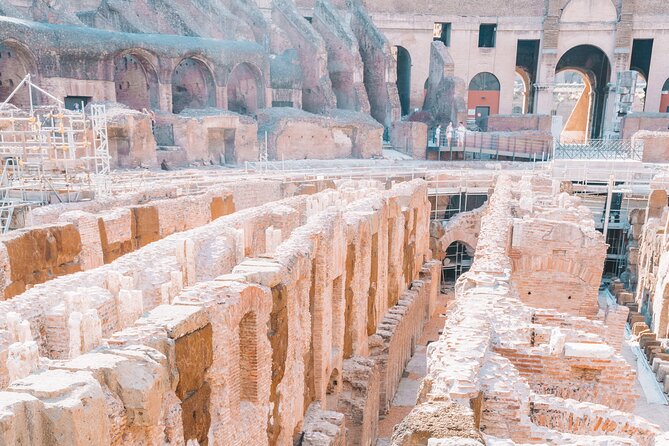
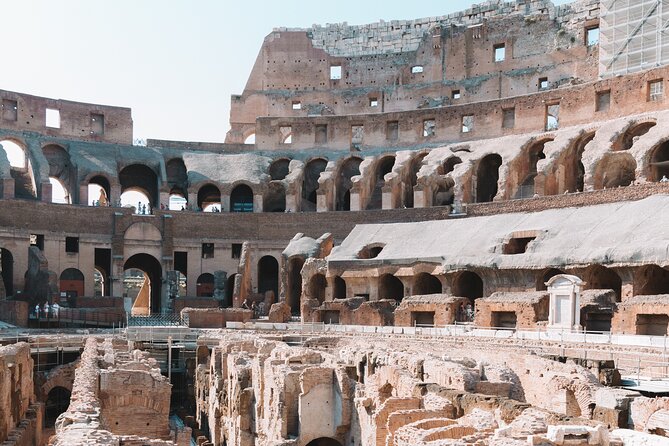
- Stop 1: The Colosseum arenas, corridors, and the thrill factor
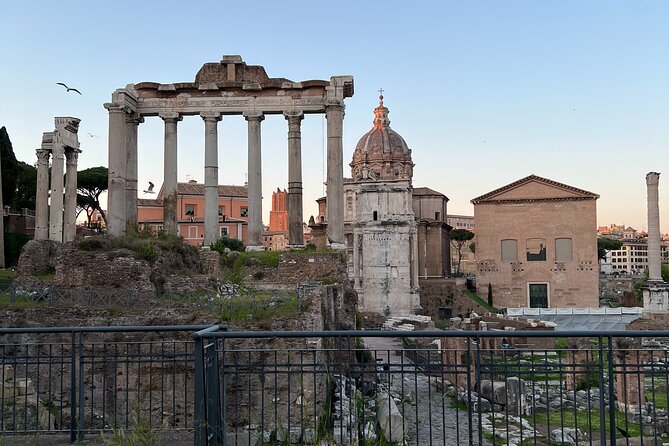
- Stop 2: Roman Forum, Temple of Saturn, and politics in stone
- Stop 3: Palatine Hill views, legend, and imperial palaces
- Digital booklet and digital audioguide: how to use it to your advantage
- Colosseum ticket and reservation: why this matters more than it sounds
- Group size, transport area, and real-world logistics
- Who this is best for (and who might want a different plan)
- What to bring for an easy day at these ancient sites
- Should you book this experience? A practical yes-or-no
- FAQ
- How long is the experience?
- Is the Colosseum ticket included?
- What language is the experience in?
- Does the experience include a guided tour or pickup?
- Are there any limits on group size?
- Is the Roman Forum and Palatine Hill admission covered?
Key points to know before you go
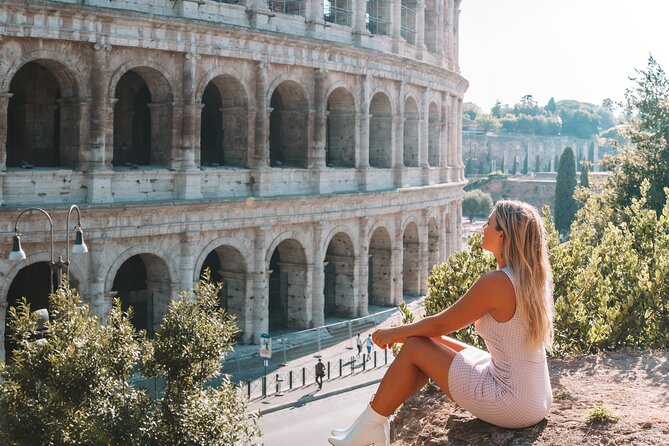
- Three legendary sites in one plan: Colosseum, Roman Forum, and Palatine Hill in about 3 hours.
- Digital booklet + digital audioguide included: you can follow the story while you’re standing in front of the ruins.
- Multimedia, VR-style reconstructions help bring ancient Rome to life, and they work especially well for kids.
- Colosseum ticket and reservation fee are included, so you’re not scrambling for the timed entry.
- Group size is capped at 20, which usually means less crowding and easier movement.
- English-only experience, great if you want the narration and text in a language you can track easily.
Why this Colosseum, Forum, and Palatine Hill combo makes sense
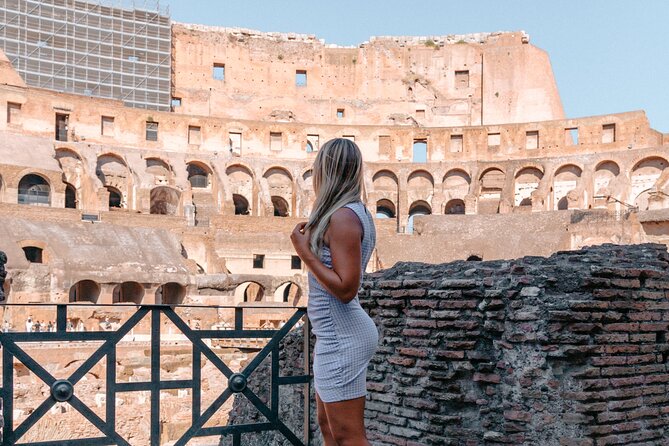
Rome’s ancient core can feel like sensory overload. You step from one ruin to the next, with crowds pressing from every direction, and it’s easy to miss what you’re looking at. This format solves that problem by chaining three of the big-name sights into a single, timed outing.
The real value here is not just that you check off famous places. It’s that the story stays connected as you move: start with the arena drama at the Colosseum, zoom out to the political and religious center in the Forum, then climb up to Palatine Hill, where the legends and power of the city overlap. You get a sense of how Rome worked, not just how it looked.
And because the experience is designed for a busy vacation schedule, it fits cleanly into a tight itinerary. Three hours is enough time to feel like you did something meaningful, without taking over your whole day.
You can also read our reviews of more tours and experiences in Rome.



Price and value: what your $59.45 is really buying
At $59.45 per person, you’re paying for more than “entry to sites.” The Colosseum portion has clear built-in value: the experience includes a Colosseum entrance ticket valued at €18 and a Colosseum reservation fee valued at €2.
That’s about €20 of official Colosseum costs covered before you even consider the services portion. The remaining amount is what supports the rest of the experience—primarily the digital booklet and digital audioguide (plus the multimedia component).
So when you’re deciding if this is worth it, I’d think of it as a way to buy:
- timed, organized access to the Colosseum
- storytelling you can use while you’re walking
- a small-group visit built around three sites
If your goal is to see the big three (Colosseum, Roman Forum, Palatine Hill) and you don’t want to spend your precious Rome time decoding ruins on your own, this price tends to pencil out well.
What the 3-hour plan feels like on the ground
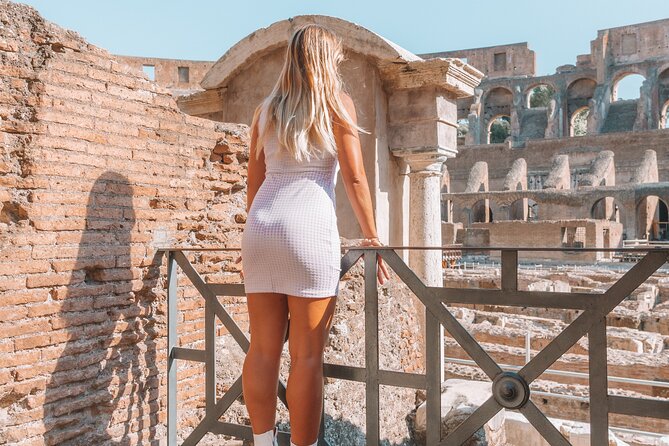
The itinerary is laid out as three one-hour stops. That matters because Rome ruins punish “too much flexibility.” If you try to wing it all day, queues and wandering can stretch the day. Here, you get a structure that helps you move with purpose.
Also, because the group is capped at 20, you’re less likely to get stuck behind a long line of people slowing down every photo. You still need to expect crowds at peak hours, but the plan helps.
And note this detail: it’s English offered. If you’re comfortable with English narration and you like information that’s ready when you need it, that’s a good match.
Stop 1: The Colosseum arenas, corridors, and the thrill factor
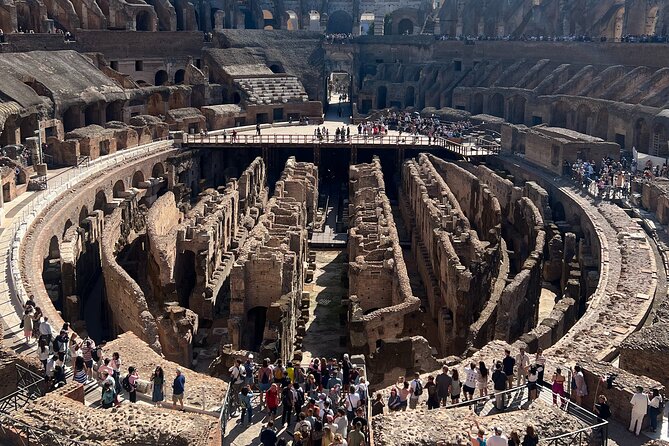
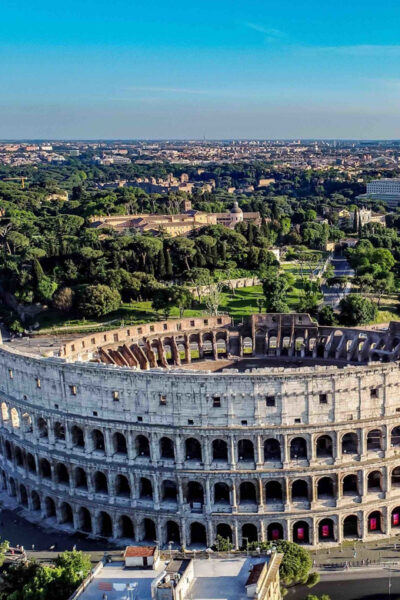
The Colosseum stop is the headline, and for good reason. You stand where gladiators once fought, then move through the arena space and into the corridors that made the whole spectacle possible.
This is also the moment where the multimedia storytelling can do its best work. The Colosseum is huge, and without context it’s easy to feel like you’re just looking at stone. The digital experience includes a VR-style reconstruction that helps you visualize what you’re seeing, which is especially helpful for kids and for first-timers who don’t want to study architecture notes before lunch.
A practical upside: one of the best moments of many first Colosseum visits is feeling oriented fast. If you’re arriving with the story already loaded, you’ll understand why certain areas mattered and what you’re meant to notice.
Potential drawback to keep in mind: this part can be a crowd magnet. If you’re sensitive to busy spaces, arrive prepared for that energy and plan to move steadily rather than pausing for long stretches.
Stop 2: Roman Forum, Temple of Saturn, and politics in stone
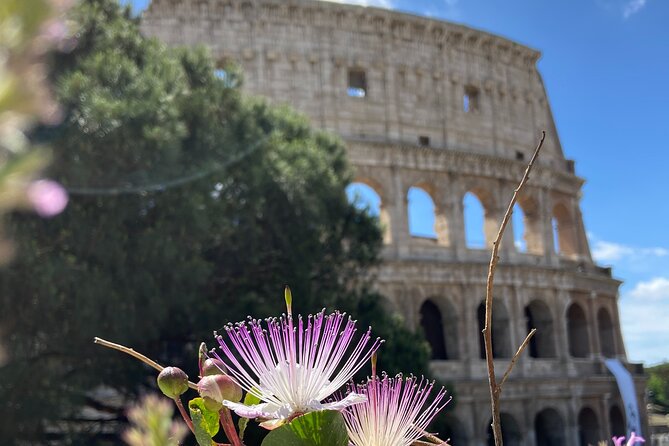
After the spectacle, you shift gears to the Roman Forum—Rome’s political, religious, and social center. This stop is built around famous landmarks you can actually locate and connect to the bigger picture.
You’ll see major ruins tied to the city’s power structure, including:
- the Temple of Saturn
- the Arch of Septimius Severus
- the Curia, linked to where emperors shaped history
This is where the digital audioguide becomes useful, because the Forum is less straightforward than the Colosseum. It’s not one clear arena. It’s a complex web of stone remnants, layers of use, and different eras stacked together. Having narrated context helps you avoid the common problem: walking through a big space and forgetting what each piece is.
Here’s the consideration I’d flag: pacing can feel slower at the Forum. One person described it as slow, and that tracks with how the space tends to work. There’s a lot to look at, and it takes time to connect the dots between politics, religion, and daily Roman life.
If you do the Forum with the mindset of learning in smaller chunks, you’ll get a lot more out of it.





Stop 3: Palatine Hill views, legend, and imperial palaces
Palatine Hill is the climb where the story expands. This is where Rome’s legend is tied in, and it’s also where emperors built grand palaces.
What you’re really chasing here is viewpoint and meaning. You’re not just seeing ruins; you’re seeing the city’s scale. From Palatine, the Forum and the wider area come into focus, and suddenly all those stones feel like part of one place—rather than separate stops on a sightseeing checklist.
The big draw is that the hill connects to how Rome grew: from legend and early identity to imperial power. When you understand that shift, Palatine Hill stops feel like more than just another ruin.
If you’re planning your day, keep in mind that Palatine Hill often involves uneven paths and some uphill movement. The tour is designed for most people to participate, but you’ll still want comfortable shoes and a steady pace.
Digital booklet and digital audioguide: how to use it to your advantage
The included digital booklet and digital audioguide are the glue that holds everything together. Without them, you can spend time wandering and still end up with vague memories of what you saw.
Here’s how you’ll get the best results:
- Start listening before you hit the key zones, so your brain knows what to look for.
- Use the audioguide to anchor each stop with names and purpose (like what the Forum sites were used for).
- Treat the multimedia as a visual assistant, not a replacement for walking the space. Look around while the story runs, then switch focus back to the ruins once you understand the idea.
The VR-style reconstruction is especially effective if you’re traveling with kids or anyone who learns better with visuals. It turns the Colosseum from a scary crowd-and-stone moment into a more understandable scene.
One more practical note: because it’s digital, you can pause and move at your own speed when the group flow allows. That makes it easier to handle photo breaks, snack stops, or moments where you want to re-read a detail on the spot.
Colosseum ticket and reservation: why this matters more than it sounds
Timed entry at the Colosseum is one of those things you don’t want to gamble on. Including the Colosseum entrance ticket and a reservation fee is a strong part of the value.
Instead of spending your energy on last-minute ticket math, you can focus on actually getting there early enough and moving through the site confidently. It also reduces the risk of arriving and discovering your plans are missing a needed reservation step.
If you hate planning stress, this included piece does a lot of work in your favor.
Group size, transport area, and real-world logistics
This experience keeps the group to a maximum of 20. That’s a meaningful cap in Rome, where crowds can turn a short walk into a slow crawl.
It also runs near public transportation, which helps if you’re juggling multiple parts of the day. And service animals are allowed, which is important for travelers who need that support.
Pick your start time with energy in mind. A three-hour outing is short, but Roman sites require walking, standing, and attention. If you’re tired from jet lag, it helps to make this the first big ancient stop of your day.
Also, there’s no pick-up included. You’ll want to show up on your own and meet the experience where it expects you.
Who this is best for (and who might want a different plan)
This fits especially well if:
- you want major Rome highlights without building a multi-ticket adventure
- you’d like a digital guide you can follow while standing in place
- you’re traveling with children and want the story to feel interactive
- you prefer structure (about an hour per stop) instead of roaming freely all day
It may not be ideal if:
- you’re looking for a long, detailed live lecture from a guide (the experience does not include a guided tour)
- you hate any multimedia component and would rather rely entirely on your own research
- you want a super-fast, no-stopping pace through the Forum (this stop can feel slower)
In most cases, the “best choice” depends on whether you want your history to come from a person talking to you face-to-face, or from a digital narration that you can pace yourself through.
What to bring for an easy day at these ancient sites
You’ll thank yourself for packing for stone, sun, and stairs:
- comfortable walking shoes for uneven ground on Palatine Hill
- water, because standing and listening adds up quickly
- a small hat or sunscreen if you’re going midday
- your phone and headphones (so the digital audioguide experience is smooth)
- patience for crowds, especially around the Colosseum
If you want photos, keep them quick and purposeful. You’ll enjoy the story more when your eyes alternate between the ruins and the scene-building visuals.
Should you book this experience? A practical yes-or-no
Book it if you want the best payoff from a limited time window. The combo of Colosseum access (ticket and reservation included) plus digital storytelling across three core sites is a strong value proposition. It’s also a smart option for families, because the multimedia and VR-style reconstruction can make the ancient world feel less abstract.
Skip it if you’re the type who needs a live, in-person docent for everything and you don’t want to rely on digital audio. Also consider whether the Roman Forum pacing is your kind of visit. If you need constant motion and fast turnover, you might find that stop slower than you planned.
One more practical point: this booking is non-refundable and cannot be changed. If your dates are firm, it’s less of a risk. If your schedule is still floating, double-check before you commit.
Provider: LITIBERI TRAVEL.
FAQ
How long is the experience?
It runs for about 3 hours, with roughly 1 hour at each stop: the Colosseum, Roman Forum, and Palatine Hill.
Is the Colosseum ticket included?
Yes. The experience includes a Colosseum entrance ticket and a Colosseum reservation fee.
What language is the experience in?
English is offered.
Does the experience include a guided tour or pickup?
No. A guided tour and pickup are listed as not included.
Are there any limits on group size?
Yes. The experience has a maximum of 20 travelers.
Is the Roman Forum and Palatine Hill admission covered?
The stop details list admission as free for both the Roman Forum and Palatine Hill within this experience plan, while the Colosseum ticket is specifically included.