REVIEW · ROME
Rome: The Ancient Aqueducts of Rome Guided Tour
Book on GetYourGuide →Operated by Visit Rome · Bookable on GetYourGuide
Rome has a talent for hiding its best sights in plain sight, and this tour is all about Ancient Roman aqueducts tucked away from the main crowds. You’ll walk through an area where you can actually picture how the city worked every day, not just how it looked in a photo.
I love that you get a real local perspective. Guides like Ricardo and Giuseppe stand out for the way they keep the pace friendly, answer questions, and connect details to what you’re seeing in front of you. You’ll also get the kind of close-up photo moments you usually only get when you’re not stuck behind a big bus group.
One thing to consider: this is still a walking tour. Expect about 3–4 kilometers of walking, so comfortable shoes matter, and it’s not suitable for wheelchair users or people with mobility impairments.
In This Review
- Key Things I’d Plan Around
- Aqueducts and Why Rome Couldn’t Live Without Them
- Getting Started: Giulio Agricola to a Different Rome
- Walking the Aqueduct Route: 3–4 Kilometers, Real Footwork
- Aqueduct Park: The Setting That Makes the Ruins Feel Real
- Marcio Aqueduct: Spot the Arches and the Logic
- Claudio Aqueduct: How Construction Becomes a Story
- Anio Vetus: The Stop That Brings the City’s Dependence Into Focus
- Mariana Canal and Pope Sixtus V: A Later Layer Over Older Water Routes
- The Most Praised Part: The Guide’s Pace and Real Answers
- What’s Included vs. What You’ll Handle Yourself
- Price and Value: Is $147.27 Worth It?
- Who This Tour Fits Best
- Should You Book This Rome Aqueduct Tour?
- FAQ
- How long is the Rome: The Ancient Aqueducts of Rome Guided Tour?
- Where do I meet for the guided tour?
- What is the walking distance like?
- Is the tour guided in English?
- What aqueducts and areas will we visit?
- What is the price per person?
- Is food or drinks included?
- Are admission fees included?
- Is there hotel pickup or drop-off?
- Is the tour suitable for wheelchair users?
Key Things I’d Plan Around
- A small-group aqueduct walk that stays away from mass-tourist routes
- Four aqueducts in one area, including Marcio, Claudio, and Anio Vetus
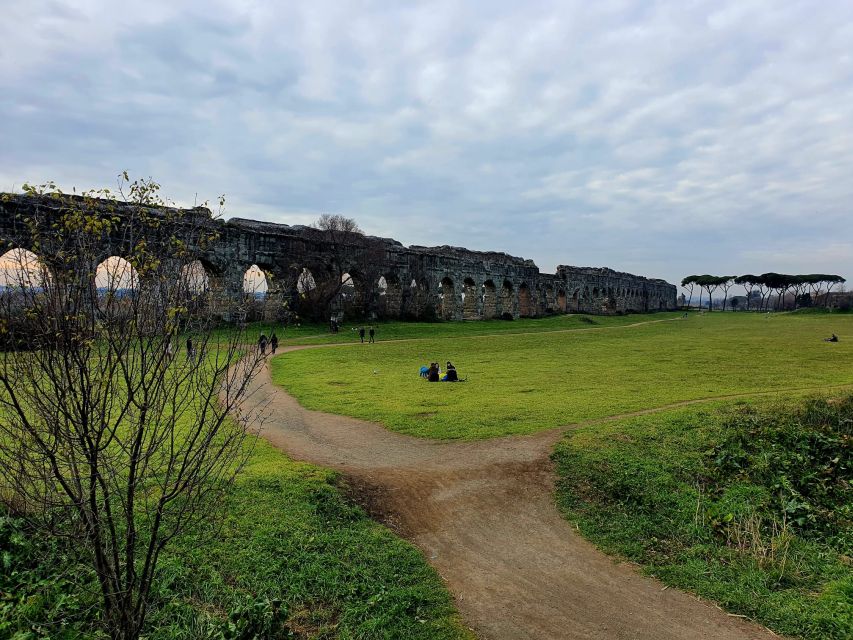
- Aqueduct Park-style scenery that feels local, not stage-set tourist Rome
- Engineering stories you can see, from channels to long water flow on arches
- Great guide-led photo stops, plus a chance to touch preserved structures
- A practical finish with local Roman food, if you choose to go afterward
Aqueducts and Why Rome Couldn’t Live Without Them
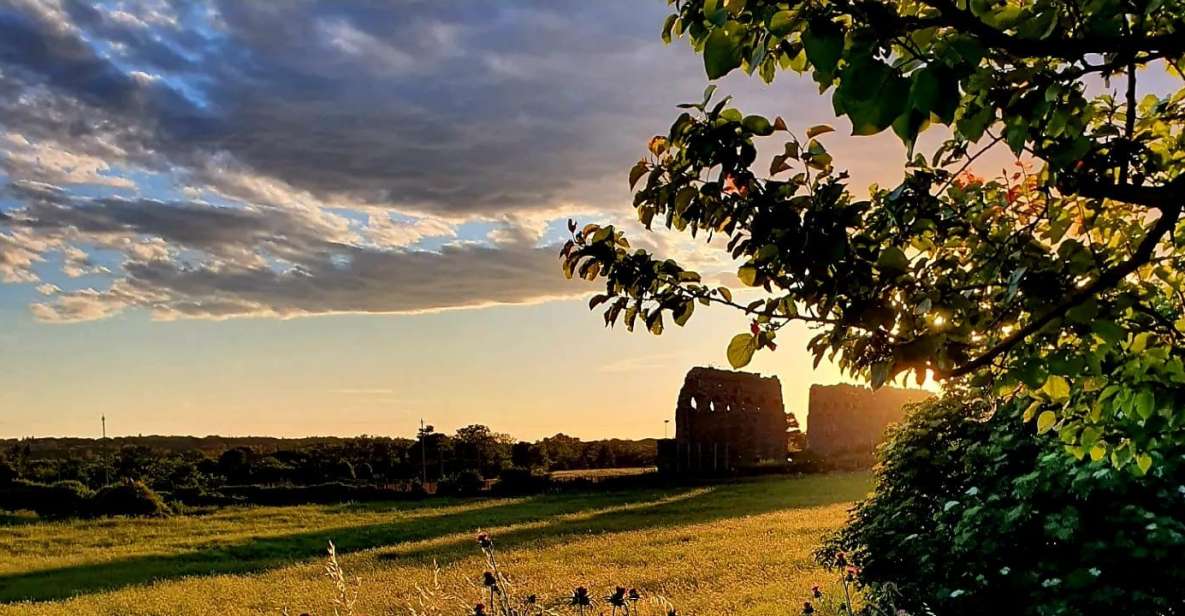
When you think about Rome, you probably picture the Colosseum and the Forum. This tour takes you to a different side of the city: the infrastructure that kept Rome alive. Aqueducts weren’t just impressive. They were life support.
Here’s what I find compelling: you learn how the water system worked as a system, not as random ruins. You’ll follow the guide along long channels supported by arches, and you’ll connect those shapes to the daily reality of feeding a huge city. Rome’s power wasn’t only military or political. It was practical engineering.
You also get a sharp reminder of how central this was. The tour explains that when the Barbarians invaded, cutting the water supply to the aqueducts was an immediate move. That detail lands, because it turns what looks like stone scenery into something strategic and urgent.
You can also read our reviews of more guided tours in Rome



Getting Started: Giulio Agricola to a Different Rome
The meeting point is simple and transit-friendly: you meet right at the exit of the Metro A Giulio Agricola stop, on the corner with via Tuscolana, in front of the ODS store. No hotel pickup, so plan to arrive under your own steam.
I like that this start location helps you build momentum fast. You’re not spending half the morning traveling across Rome. You go from metro to walking route quickly, which is ideal if you want to balance this with other sights.
Also note the tour ends back at the meeting point. That’s a small detail, but it matters. You won’t need to figure out how to get across town at the end; you’ll already be near your exit point.
Walking the Aqueduct Route: 3–4 Kilometers, Real Footwork
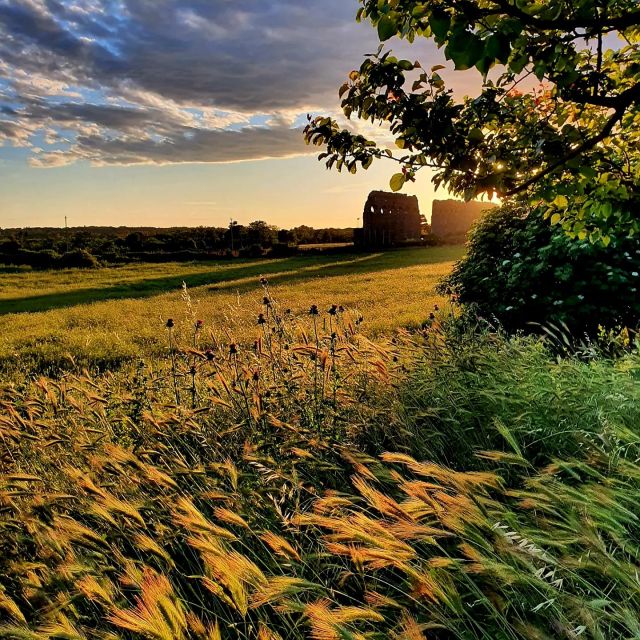
This is a two-hour tour, and within that time you’ll cover roughly 3–4 kilometers. That walking distance sounds modest on paper, but aqueducts often sit in park-like stretches where you slow down for photos and explanations.
Bring comfortable shoes and dress for the weather. The tour is outdoors, and you’ll want good traction when you’re stopping often and looking closely at stonework. If rain or heat is a concern, plan your outfit like you’re sightseeing for real, not like you’re just passing through.
If you’re the kind of traveler who enjoys slowing down to understand what you’re seeing, this pace will work well. If you prefer a nonstop sprint through highlights, you might find yourself wishing for more time—or fewer stops.
Aqueduct Park: The Setting That Makes the Ruins Feel Real
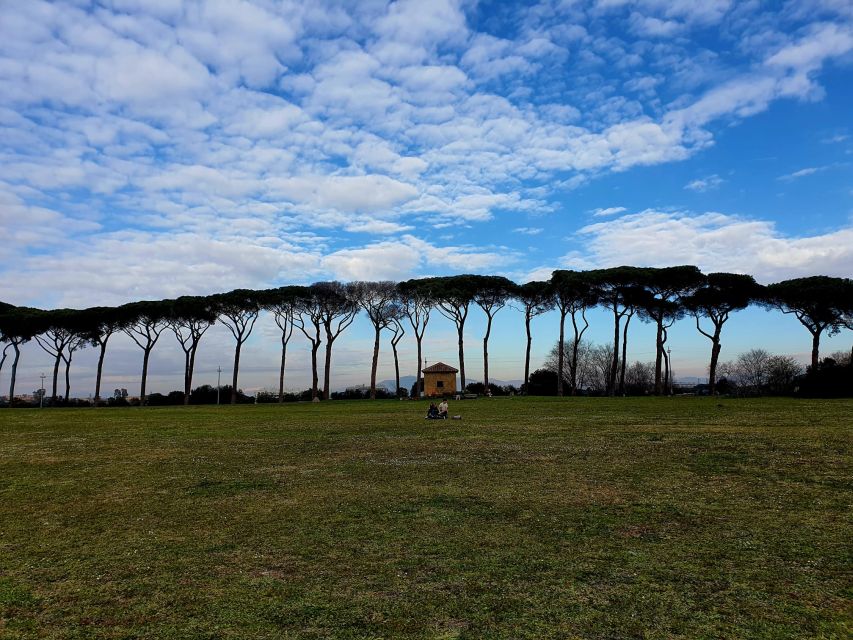
Your route includes Aqueduct Park, and it’s one of the best parts because the setting helps you understand scale. You’re not looking at one isolated arch. You’re seeing how the system spreads out.
The tour also highlights that you’ll be in a park area frequented mostly by locals. That’s a big part of why the experience feels different from the usual Rome scramble. It’s not silent or empty, but it’s less like a theme loop.
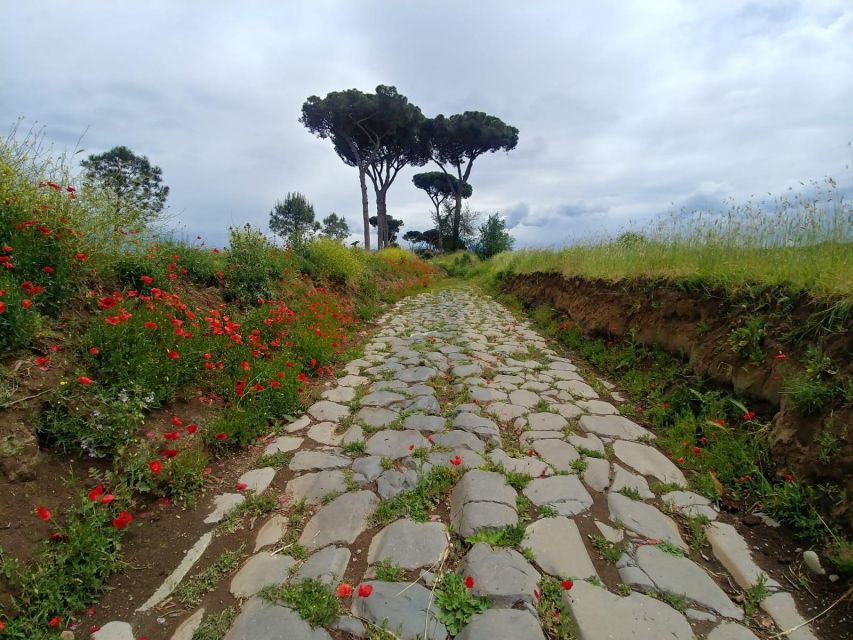
You also get the chance to touch preserved structures. That may sound like a small perk, but it changes the feeling. When you can put your hands on the stone, you stop thinking of aqueducts as distant history and start thinking of them as built objects that have lasted.
Marcio Aqueduct: Spot the Arches and the Logic
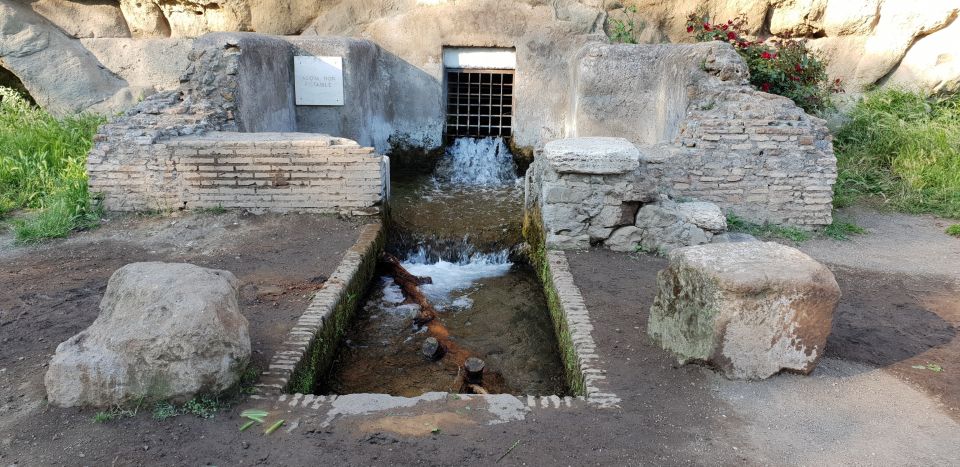
The Marcio Aqueduct stop is where you can really start reading the architecture like a diagram. The guide explains how aqueduct water moved through long channels supported by arches, and you’ll watch for the way the design keeps water flowing while dealing with uneven terrain.
The value here isn’t just seeing the arches. It’s learning why the arches are shaped the way they are. Once you know the purpose—supporting channels and maintaining a workable route—you start noticing details that would otherwise look random.
I also like that the tour doesn’t overload you with dates. Instead, it ties construction and function to what you can look at in the moment. That keeps the tour from turning into a lecture and helps you remember the big ideas: continuity, gravity, and the engineering choices that made water delivery possible.





Claudio Aqueduct: How Construction Becomes a Story
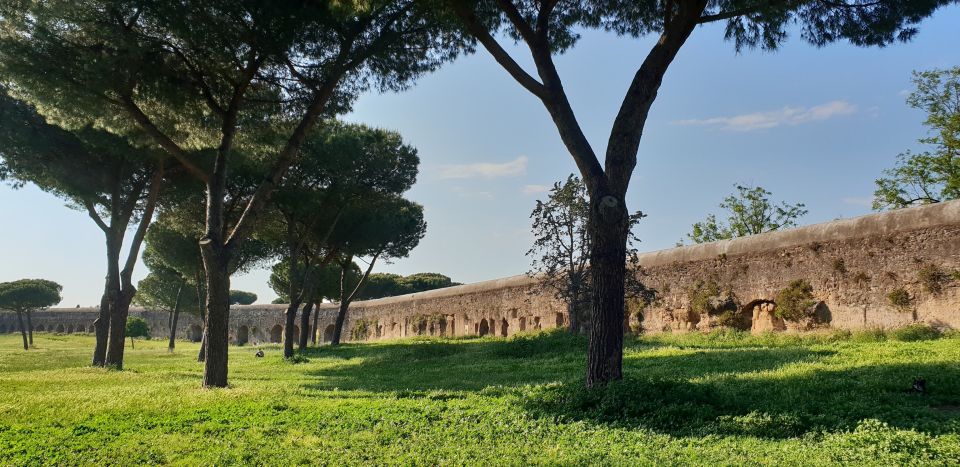
Next up is the Claudio Aqueduct. This is a chance to compare what you see with the Marcio, not in an academic way, but in a practical way. You’ll hear how aqueducts were built and how they worked, and you can visually test the explanation against the structure in front of you.
This stop matters because it makes the aqueduct system feel interconnected. It’s not just one project. Rome built and maintained multiple lines over time, and the guide’s narration helps you connect these pieces into one functioning city.
Photography tends to be strong here because the arches give you natural framing lines. If you like pictures with depth—arches, perspective, layered stone—this section is where you’ll probably take your time.
Anio Vetus: The Stop That Brings the City’s Dependence Into Focus
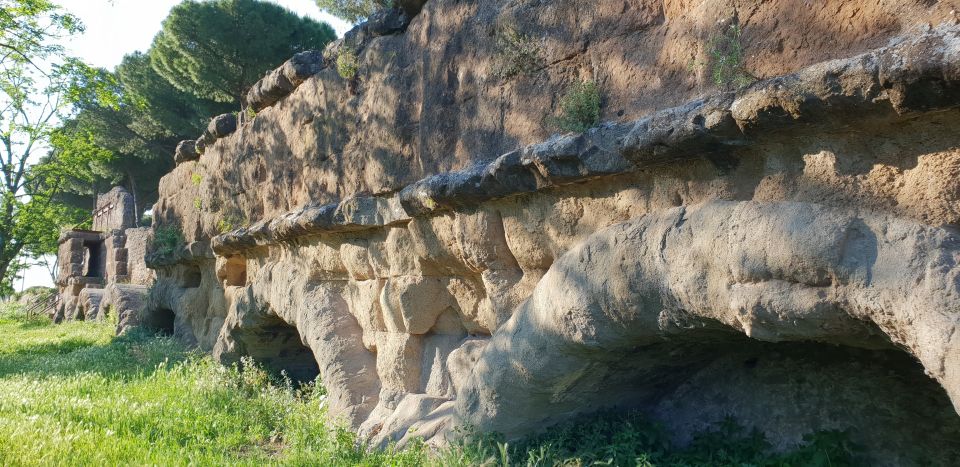
The Anio Vetus Aqueduct is part of the group of four highlighted on the walk, and it’s the one that often makes the biggest impression because it ties directly back to the tour’s central theme: Rome’s water dependency.
You’ll hear about how aqueducts brought water into the city through long channels and how Roman infrastructure supported the growth and daily life of the city. Then the tour uses history to show what happened when that supply failed.
For me, that history-to-architecture connection is the sweet spot. You’re not just looking at ancient stone; you’re understanding what it did for people. That’s when the ruins feel less like scenery and more like a working system that once served real needs.
Mariana Canal and Pope Sixtus V: A Later Layer Over Older Water Routes
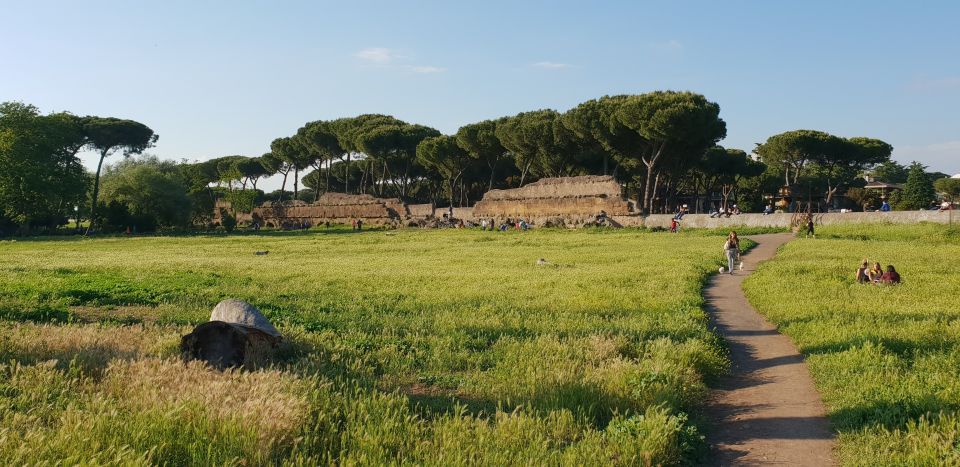
One of the more interesting moments is when the tour passes the Mariana Canal, an ancient canal whose construction was ordered by Pope Sixtus V. This is where you see Rome as a continuous city rather than a museum that freezes time.
The aqueduct theme doesn’t stay locked in the ancient world. You get a thread of continuity: water management remained important long after the first phases of Roman engineering. Even if you’re not a hardcore history person, it’s an effective reminder that cities rebuild and refine what they already need.
If you like stories where different eras overlap, this is the kind of stop you’ll appreciate because it adds another layer without changing the tour’s focus.
The Most Praised Part: The Guide’s Pace and Real Answers
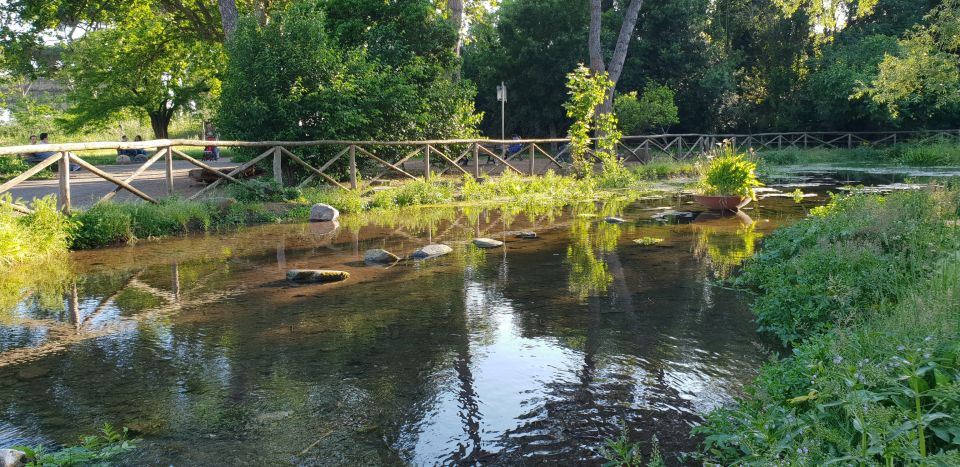
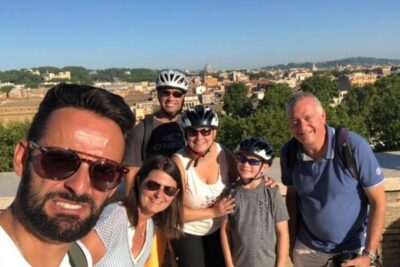
The experience stands or falls on the guide, and this tour has a good track record for guiding the walking route with clarity and humor. Ricardo is highlighted for being excellent, entertaining, and genuinely helpful, with a pace that works even for mixed ages (including teens and a 10-year-old in one experience).
Giuseppe also gets strong praise for being very knowledgeable and kind, plus answering questions and keeping the tour moving at a pace that helps you understand what you’re seeing. That matters because aqueducts can feel repetitive if you’re not sure what to look for. A good guide keeps your attention anchored to purpose and design.
If you like tours where you can ask something and get a direct answer, this is a strong bet.
What’s Included vs. What You’ll Handle Yourself
This tour includes a local guide, a small group, and admission fees, so you’re paying for the guided access and the expertise, not just a walk with a map. It also lists skip-the-ticket-line, which usually helps you keep your time focused on the route.
Not included: food and drinks. After the tour, you have the option to stop for delicious local Roman food, but you’ll handle that yourself. I like this approach because it gives you flexibility. If you’re hungry, you can choose what you want next instead of getting pushed into a one-size-fits-all meal.
Also, no hotel pickup or drop-off. This keeps the tour simple and typically makes scheduling easier, but it does mean you should plan your commute to Giulio Agricola.
Price and Value: Is $147.27 Worth It?
At $147.27 per person for a two-hour guided tour, the price isn’t “cheap,” but it also isn’t just you paying for ruins you could stumble upon alone. You’re paying for three specific value drivers:
First, you’re getting expert guidance that helps you interpret multiple aqueduct structures (Aqueduct Park, Marcio, Claudio, Anio Vetus) and understand how the system worked. Seeing arches is one thing. Understanding why they exist in the larger water network is the difference.
Second, you get small-group attention. On aqueducts, that matters because there are many photo and stop moments. A small group tends to flow better and makes it easier to ask questions.
Third, admission fees are included. That’s one less expense and one fewer hassle on the day.
If you’re the type who enjoys engineering stories, Roman city planning, and photography in quieter settings, the value lands. If you mainly want a quick highlights checklist, you might feel like two hours is short for the price.
Who This Tour Fits Best
I’d point you toward this tour if you want Rome off the busiest circuits. You’ll get a side of the city that many people skip because it’s not the obvious headline attraction.
It’s also a good match if:
- you like small-group walking tours and don’t mind a bit of effort
- you want to understand how Rome worked, not just what it looked like
- you enjoy photos with arches, stone textures, and perspective
It may not fit if:
- you need wheelchair-friendly access (it’s not suitable for wheelchair users or mobility impairments)
- you’re traveling with someone pregnant (also not suitable)
- you dislike walking outdoors for a couple hours
Should You Book This Rome Aqueduct Tour?
Yes—if your idea of a great Rome day includes figuring out how the city functioned and you like quiet, lived-in spaces. The strongest reason to book is the combination of multiple major aqueducts in one route plus a guide who can keep the pace friendly and the explanations clear, like Ricardo or Giuseppe.
If your top priority is the biggest famous monuments, you might pick a different tour. But if you want a memorable, less crowded slice of Roman engineering with real photo potential and solid interpretation, this is a smart use of two hours.
FAQ
How long is the Rome: The Ancient Aqueducts of Rome Guided Tour?
The tour lasts 2 hours.
Where do I meet for the guided tour?
Meet at the exit of the Metro A Giulio Agricola stop, at the corner with via Tuscolana in front of the ODS store.
What is the walking distance like?
You should expect roughly 3–4 kilometers of walking.
Is the tour guided in English?
Yes, the live tour guide provides the tour in English.
What aqueducts and areas will we visit?
You’ll explore Aqueduct Park and see the Marcio Aqueduct, the Claudio Aqueduct, and the Anio Vetus Aqueduct. The route also includes a pass by the Mariana Canal.
What is the price per person?
The price listed is $147.27 per person.
Is food or drinks included?
No. Food and drinks are not included.
Are admission fees included?
Yes, admission fees are included.
Is there hotel pickup or drop-off?
No. Hotel pickup and drop-off are not included.
Is the tour suitable for wheelchair users?
No. The tour is not suitable for wheelchair users or people with mobility impairments.