REVIEW · ROME
Rome’s Amazing Food Tour : 10 Tastings (Premium & Private)
Book on Viator →Operated by Chao Rome Tour · Bookable on Viator
Rome tastes better at street level. This private food walk turns Campo de’ Fiori market into your guidebook, with up to 10 tastings that actually add up to a proper meal. You also get a local-led route with enough flexibility to fit vegetarian and other needs, and the focus stays on what Romans eat in real life.
The main thing to think about is price. At $308.38 per person for about 3 hours, it only feels like a win if you’re ready for lots of food stops and you care about the details your guide points out.
In This Review
- Key things you’ll like on this Rome food tour
- Campo de’ Fiori: where your Rome food story starts
- The fruit, the pizza, and the bakery locals keep to themselves
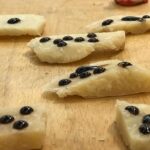
- Sicilian pastry and Jewish ricotta pie: sweet stops with a point
- Supplì and gelato: two Roman favorites done right
- Espresso at Coffee O’Clock, plus chocolate and panini
- Buffalo mozzarella: the classic tasting you can taste immediately
- Diet needs and private guiding: where this tour wins
- Price and logistics: is $308.38 per person worth it?
- How the Sunday version changes (and why it’s still worth it)
- Who this tour is best for
- Should you book Rome’s Amazing Food Tour: 10 Tastings (Private)?
- FAQ
- How long is the Rome Amazing Food Tour?
- Where does the tour start?
- Is this a private tour?
- How many tastings do I get?
- Are vegetarian options available?
- What food items are included in the tastings?
- Are any tastings not included in the price?
- What happens on Sundays?
- Is the tour carbon neutral?
- Is this booking refundable?
Key things you’ll like on this Rome food tour
- Campo de’ Fiori first, so you’re eating with the city’s daily rhythm
- 10 tastings that cover classic Roman hits like pizza, supplì, and gelato
- Private, so dietary tweaks can be handled on the spot (vegetarian and more)
- A planned mix of sweet and savory: cannoli-style pastries, espresso, chocolate, and fruit
- Local shop choices over generic tourist stops
Campo de’ Fiori: where your Rome food story starts
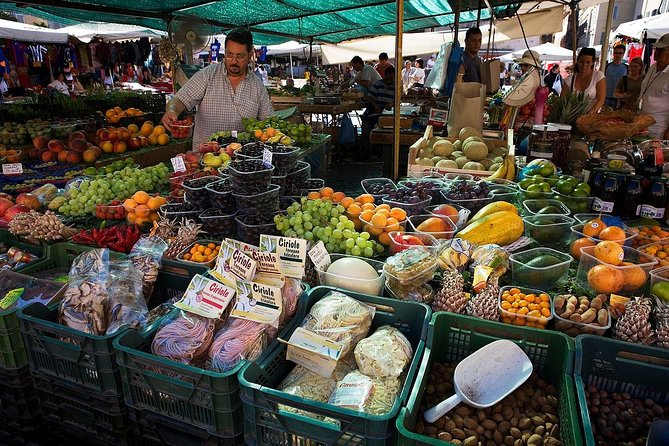
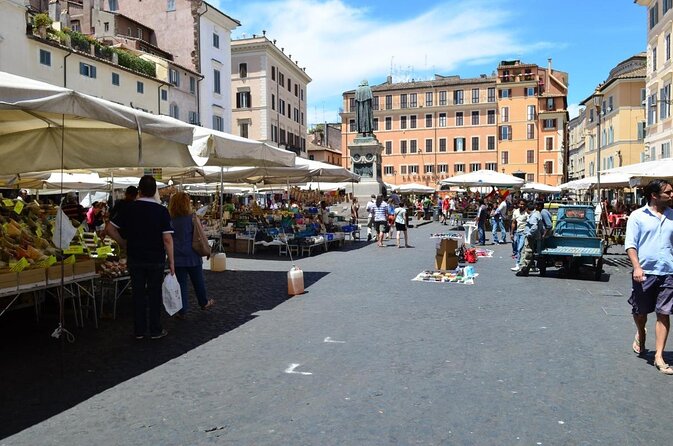
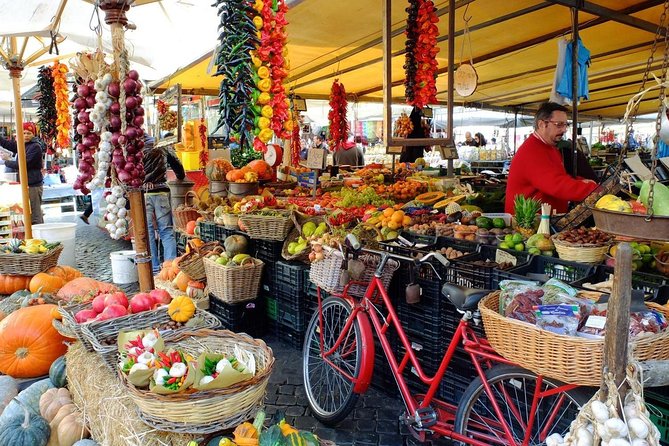
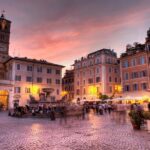
The tour begins at Monumento a Giordano Bruno in the Campo de’ Fiori area, right where Rome’s market energy kicks off. Campo de’ Fiori isn’t a museum square. It’s a living place where you can watch vendors work and see what’s fresh in that moment.
You’ll start by wandering the market (free) and using the stalls as your “why” for what you’ll eat next. You’ll also get a dedicated stop for fresh, seasonal fruits—simple, but it sets your taste expectations for the rest of the walk. This isn’t about rushing from one photographed plate to another. The pace is built to let you taste while you learn.
One practical tip: wear comfy shoes. Even with a private tour, this is still a street-level walking experience with market sidewalks and small shop fronts.
You can also read our reviews of more food & drink experiences in Rome

The fruit, the pizza, and the bakery locals keep to themselves
After the market introduction, you’ll spend time tasting fresh seasonal fruit—not just a “quick bite,” but a real look at how Rome eats daily. It’s also a nice reset after you’ve been moving through crowded stalls.
Then you hit one of the big crowd-pleasers: pizza from an older bakery that’s described as a local-only kind of place. You’ll get time to eat it (around 20 minutes), and this stop is where the tour earns its “classic Rome” label. Pizza in Rome isn’t just pizza. The way it’s presented and sold—quick, practical, and snack-friendly—is part of the culture you’re walking through.
Note on tickets: the pizza stop lists admission as not included. In plain terms, you should expect you’ll pay only for what’s required to taste at that stop, and most of the rest of the tour is set up so you’re not constantly digging out extra money for basic market access.
Sicilian pastry and Jewish ricotta pie: sweet stops with a point
Two of the tour’s most interesting flavors are from outside the usual “Roman-only” mental map. You’ll visit a Sicilian patisserie area for a pastry, and then you’ll head toward the Jewish district for an original-style ricotta pie.
Why this matters: it shows you how Rome’s food culture isn’t locked to one neighborhood identity. It’s a patchwork, shaped by migration, history, and what different communities kept cooking well. Even if you don’t catch every cultural detail your guide shares, you’ll feel it on your tongue.
These two stops are also a great example of how the tour mixes textures and sweetness. One moment you’re tasting something delicate and pastry-forward, then you shift to something richer and more savory. It helps break up the heavier snack foods so the whole 3-hour loop stays comfortable.
Supplì and gelato: two Roman favorites done right
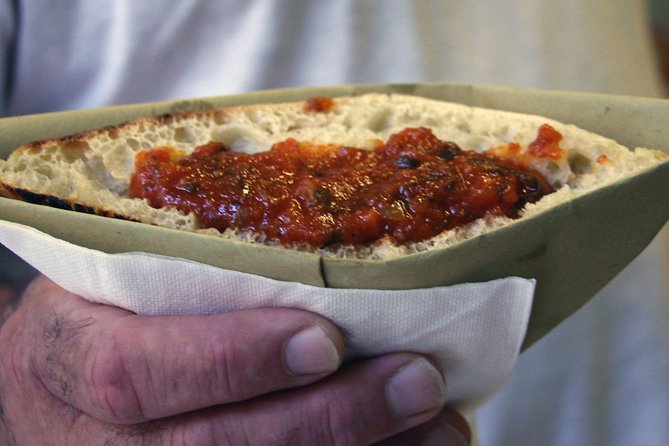
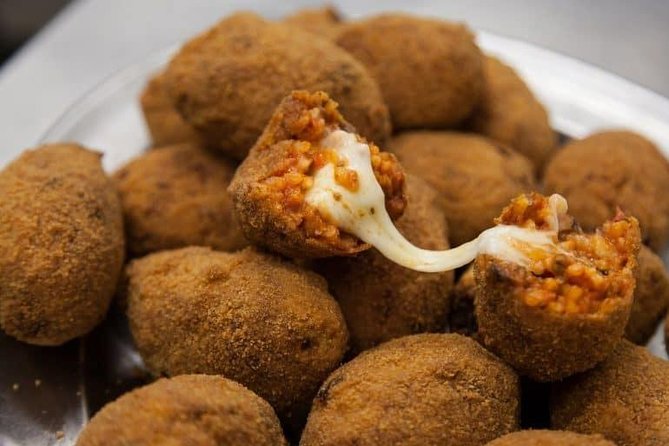
Next up is supplì, the rice-and-tomato snack that Romans treat like comfort food and street food all at once. You’ll get a focused stop (about 15 minutes) that’s built for the bite size these snacks are known for. It’s the kind of food that’s easy to over-order at home and easy to misunderstand in other countries, because the charm is in the balance of rice, sauce, and the way it’s served hot.
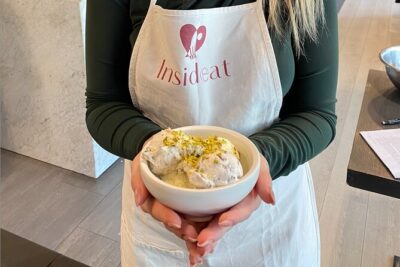
Then you’ll move to gelato (about 30 minutes). Gelato here is presented as ice cream made differently—less air, less fat than typical ice cream. That matters because you’ll notice the texture: denser, smoother, and more spoon-friendly. It’s not just a dessert stop. It’s a palate reset before coffee and chocolate.
If you’re the type who gets picky once you’re full, take the gelato earlier than later in the day. This tour’s timing helps, but you’ll still want to pace your bites.
Espresso at Coffee O’Clock, plus chocolate and panini

Coffee is one of those “Rome rituals” you should experience with context, not just caffeine. This tour sends you to Coffee O’Clock, described as one of the most authentic coffee shops in Rome. The time is short (about 20 minutes), so don’t plan on doing big sightseeing right before this stop.
Then comes the sweet finishers, including chocolate (included) at a shop local people love. The tour lists chocolate as included, which is good news because you won’t be trying to guess what’s extra. In practice, it means you can budget the cost you already paid and focus on tasting.
After that, you’ll get a panini stop (also listed as included). A panini is exactly what it sounds like: Italian bread, often toasted or grilled, usually with fillings that fit the snack-and-walk style. This is a smart move in a food tour, because it brings you back to savory comfort before your final tastings.
One more practical note: because several items are listed as included, you’ll likely end up spending less time worrying about add-ons during the tour. That’s not glamorous, but it’s how you avoid a “surprise cost” feeling.
You can also read our reviews of more tours and experiences in Rome

Buffalo mozzarella: the classic tasting you can taste immediately
Your final tastings include buffalo mozzarella, described as a “true local flavour.” This stop is listed as free for admission, with about 20 minutes for tasting. Buffalo mozzarella is one of those foods where you can tell quickly when it’s fresh versus when it’s been sitting too long.
Why I like this placement at the end: it’s clean and straightforward after chocolate and coffee. It gives your palate a chance to land somewhere uncomplicated, so you don’t leave thinking only about sweetness.
Diet needs and private guiding: where this tour wins

This is a private tour, so you’re not stuck with a fixed group menu. The tour explicitly lists vegetarian options available, and the whole point is that your guide can tailor what you taste. That matters because many food tours promise flexibility on paper and then deliver the same selection no matter what you ask for.
I also like that this tour has real examples of guides handling changes smoothly. In one account, Eleonora made dietary accommodations and the food kept coming—pizza, cannoli-style pastries, porchetta, coffee, gelato, supplì, and more. Another guide, Claudio, handled customization requests with ease, avoiding certain foods and still delivering tasty picks plus wine and history as you walked through areas and buildings.
Even if your needs are straightforward, this private format is worth it. You can ask quick questions on the spot: how locals eat this, why it’s paired a certain way, what to order next time you’re on your own.
Price and logistics: is $308.38 per person worth it?
Let’s talk value honestly. $308.38 per person for roughly 3 hours is not a casual bargain. It’s a premium food experience, and you should expect that your money buys two things: (1) multiple tastings and (2) a guide who plans the route and manages pacing.
In a good scenario, this tour delivers. Ten tastings are enough to feel like you’ve eaten a full meal—especially with the mix of pizza, supplì, gelato, espresso, chocolate, panini, and buffalo mozzarella. You’re also paying for the market setting and the direction a good guide provides, not just for food calories.
But here’s the consideration: one account gave it a low score, saying the tour was supposed to be premium and the food felt simple and not worth the paid price. That’s a reminder that the quality experience depends on guide-match, shop choices, and how your tastes line up with what’s planned.
So my advice is simple: if you’re hungry, open-minded, and you’ll enjoy learning why each stop is chosen, this can feel like money well spent. If you’re a super selective eater who hates surprises, or you expect fine dining meals instead of street-food-style tastings, you might feel disappointed.
How the Sunday version changes (and why it’s still worth it)
The tour notes that on Sundays the itinerary differs due to the market situation, including the market closing at 15.00. It also says a modified tasting will be included, and the Sunday tastings are equally delicious.
That’s the key thing to understand: you’re not booking a dead-end “wait around.” You’re booking a route designed to swap in suitable options when the market can’t operate the same way. If you’re traveling on a Sunday, you should plan your expectations around variability, but also trust that the tour is built to keep the tastings flowing.
Who this tour is best for
This fits well if you:
- want classic Roman foods plus a couple of regional flavors (Sicilian and Jewish specialties)
- enjoy walking a neighborhood and eating your way through it
- have vegetarian needs or want other dietary adjustments handled on the route
- prefer private guiding over crowds
It may be less ideal if you:
- only want one or two foods and dislike the idea of tasting lots of small items
- expect museum-style history stops instead of short, food-focused explanations
- are very price-sensitive and need a lower-cost experience
Should you book Rome’s Amazing Food Tour: 10 Tastings (Private)?
I’d book it if you’re aiming for a practical, food-first introduction to Rome—especially the Campo de’ Fiori area—and you like the idea of leaving properly fed. The private format and diet customization are the big strengths, and the tasting line-up covers the Roman classics in a way that feels like a real street-food crawl, not a staged performance.
I would pause if $308.38 per person feels steep for you, or if you know you’re not comfortable with lots of small tastings and quick stops. In that case, look for a lower-priced group tour or a shorter tasting route.
If you do book: go hungry, bring your dietary needs up clearly, and lean into the guide. The tour shines when you treat it like an eating walk with context—not a checklist.
FAQ
How long is the Rome Amazing Food Tour?
It runs for about 3 hours.
Where does the tour start?
The meeting point is Monumento a Giordano Bruno, Campo de’ Fiori, 00186 Roma RM, Italy.
Is this a private tour?
Yes. Only your group participates.
How many tastings do I get?
You’ll get 10 local food and drink tastings.
Are vegetarian options available?
Yes. Vegetarian options are available, and the tour can be customized for vegetarian and other special diets.
What food items are included in the tastings?
The tour includes classic Roman picks such as pizza, supplì, gelato, espresso, chocolate, panini, and buffalo mozzarella, plus a Sicilian patisserie pastry and an original Jewish ricotta pie.
Are any tastings not included in the price?
The pizza stop lists admission not included, and attraction entrance tickets are not included generally. Other tastings list admission as free, and some specific tastings like chocolate and panini are listed as included.
What happens on Sundays?
The itinerary differs because of the market schedule and the market closing at 15.00. A modified tasting is included, and the Sunday tastings are described as equally delicious.
Is the tour carbon neutral?
The tour is listed as carbon neutral through Withlocals.
Is this booking refundable?
No. The experience is non-refundable and cannot be changed for any reason.