REVIEW · ROME
Rome: Traditional Pizza and Gelato Making Class
Book on GetYourGuide →Operated by Walks Inside Rome · Bookable on GetYourGuide
Pizza meets dessert in the middle of Rome.
This 3-hour class is a practical, hands-on way to understand how Italians build Roman pizza and creamy gelato, without getting lost in tourist food. You’ll start with dough work, choose toppings, and end by eating what you make—right in the neighborhood.
I love two things most. First, the dough coaching is the point: kneading, shaping, and cooking style for a crunchy Roman base. Second, the gelato method is taught with the same care, plus a clear reminder that gelato isn’t just ice cream wearing a different label.
One thing to consider: the recipes are delivered by QR code, not printed on paper. If you prefer a physical takeaway, plan ahead for phone access.
In This Review
- Key points you’ll care about
- Why this Roman pizza and gelato class is worth your time
- Meeting at Corso del Rinascimento: quick arrival tips
- The opening welcome: prosecco and snacks before you cook
- Pizza dough coaching: kneading, shaping, and the Roman crunch
- Bianca vs Rosso: choosing your pizza direction
- Toppings you’ll actually recognize
- Oven time and the eat-now payoff
- Gelato making in a real-world way
- Gelato vs ice cream: don’t mix up the goal
- Who your chef might be (and what to look for)
- Drinks, snacks, and the meal you end up with
- Price and value: is $117.82 per person fair?
- The main drawbacks to plan for
- Who should book this class in Rome
- Should you book it?
- FAQ
- FAQ
- How long is the Rome pizza and gelato class?
- Where do I meet the class?
- What’s included in the price?
- Is hotel pickup or drop-off included?
- What languages are offered?
- What do I need to bring?
- Is it suitable for wheelchair users or mobility impairments?
- Is cancellation possible?
Key points you’ll care about
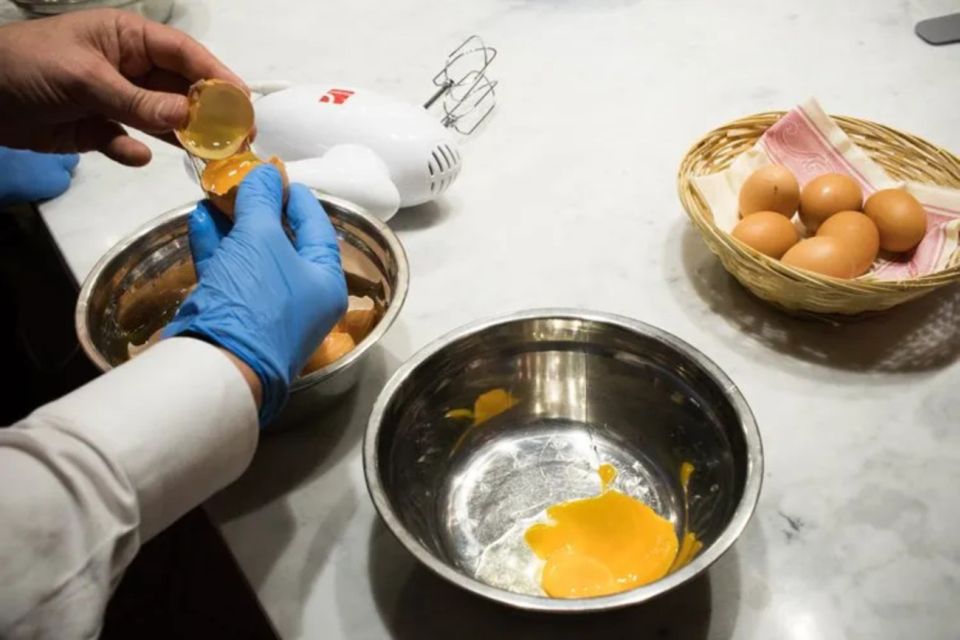
- Roman pizza style: smaller crust, crunchy texture, and Bianca vs Rosso choices
- Hands-on teaching: knead, roll, top, and cook with an English-speaking Italian chef
- Gelato made from scratch: learn a process you can repeat at home with normal freezers
- Good pacing for families: lots of step-by-step guidance for kids and adults
- Pre-meal welcome: Prosecco and snacks reception before you start cooking
- Take-home recipes via QR: digital recipes you can scan after class
Why this Roman pizza and gelato class is worth your time
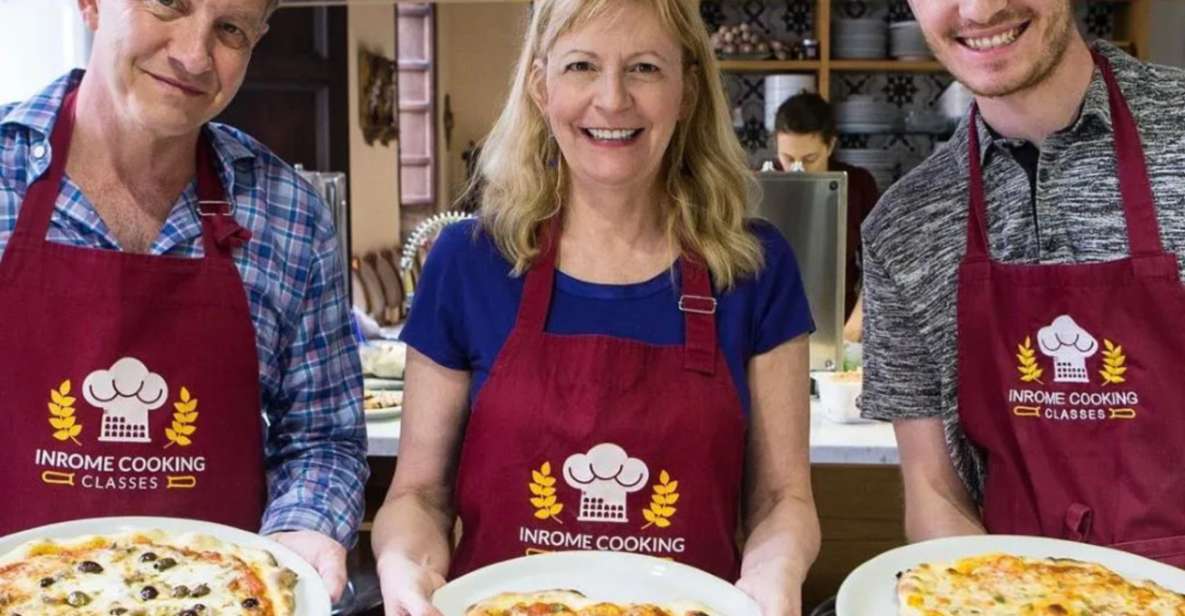
Rome has a lot of food experiences that stop at tasting. This one goes further: you actually make the stuff. And because it’s pizza plus gelato, you get two classic training sessions in one go—dough skills that matter, and dessert technique that’s easy to mess up if you guess.
The teaching quality is a big reason this works so well. In multiple classes, chefs like Fabio, Marco, and David are known for being patient, engaging, and genuinely step-by-step. If you’re bringing kids, that matters even more. Many families come because they want their children learning with guidance—not just watching adults do all the work.
There’s also a nice dose of Rome humor in the mix. You’ll likely hear the chef’s friendly banter about pizza roots and why Roman styles are their own thing. It’s light, not a lecture—still, you learn something real.
You can also read our reviews of more tours and experiences in Rome

Meeting at Corso del Rinascimento: quick arrival tips
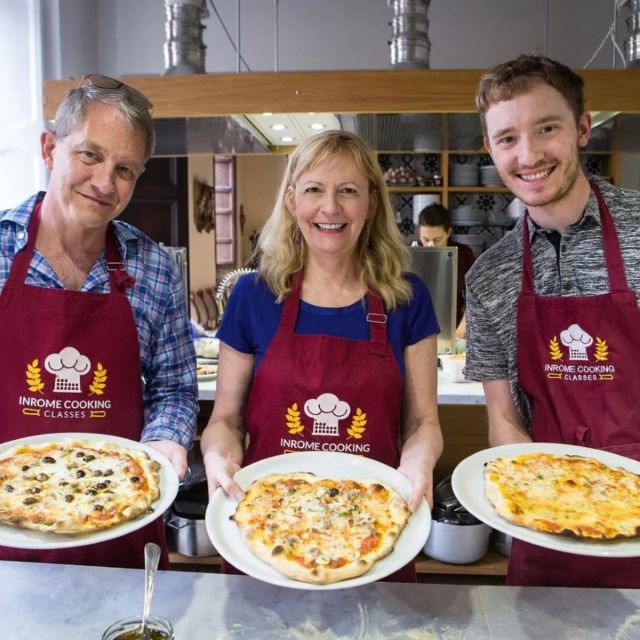
You’ll meet at Corso del Rinascimento 65. Ring the doorbell for InRome Cooking. The class starts and ends back at this same meeting point, so you can plan your day around it without extra transfers.
Two practical tips help a lot. First, arrive a little early. One common complaint is that street numbering can feel confusing at first. Second, have your ID ready. They ask for passport or ID card (a copy is accepted).
If you’re pairing this with Roman sightseeing, treat it like a dinner appointment. Don’t schedule it too late right after a long museum day unless you know you can handle the walking and the appetite.
The opening welcome: prosecco and snacks before you cook
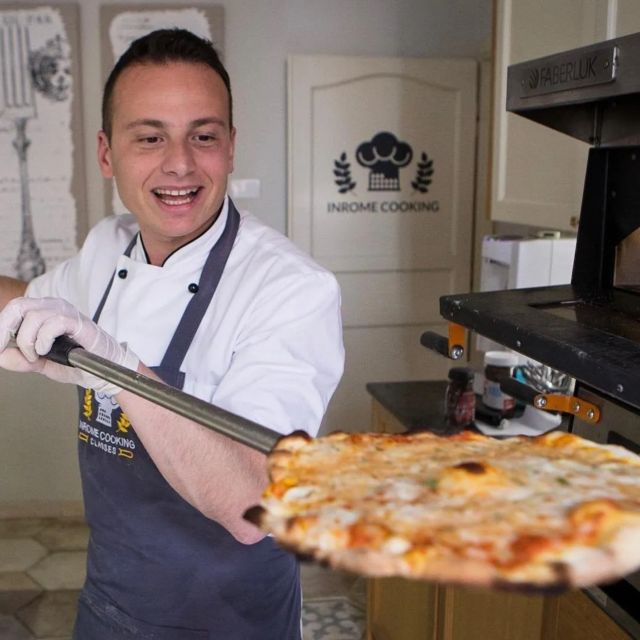
Before flour flies, you’re welcomed with a Prosecco and snacks reception. This isn’t just a nice gesture; it sets the tone. You arrive, get settled, and you’re not thrown immediately into a kitchen sprint.
From there, the chef and assistants guide you through what you’ll do during the class—how to handle the dough, what to expect with the oven timing, and how toppings and gelato fit into the flow of the session.
In at least a few sessions, drinks during the meal are part of the fun too. Some people note wine being available alongside other drinks, so it’s reasonable to expect a relaxed, meal-centered experience.
Pizza dough coaching: kneading, shaping, and the Roman crunch
Here’s where the class earns its keep: you learn the all-important pizza dough technique, the kind Italians have practiced for centuries. Kneading is taught in a way that makes it less mysterious. You’re shown what to look for, not just told to follow steps.
Roman pizza is also a key theme. The class explains why it’s different from Naples style—think a smaller crust and a crunchier result. Instead of treating pizza as one universal recipe, you learn it’s style-specific. That’s actually useful at home: if you’ve ever made pizza that turned out chewy or soft, you now have clues about where the texture comes from.
Bianca vs Rosso: choosing your pizza direction
After the dough work (which takes some time to get ready), you move into building your pizza.
You’ll choose between:
- Bianca: without sauce
- Rosso: with rich tomato sauce
This choice matters because it changes how the final pizza tastes and how the toppings play with moisture. It also gives you a clear decision point during the class, instead of an overwhelming “pick everything” free-for-all.






Toppings you’ll actually recognize
You’ll pick from a variety of fresh ingredients. Two standouts: prosciutto (salty and savory) and black olives (fruity-salty rather than bitter). The chef’s guidance helps you understand pairing—how salty meets creamy, and how strong flavors balance without overpowering.
A nice detail: multiple people love that the class keeps ingredient choices fun and not overly complicated. This is a cooking class where you leave with confidence, not with a list of tasks you’ll never repeat.
Oven time and the eat-now payoff
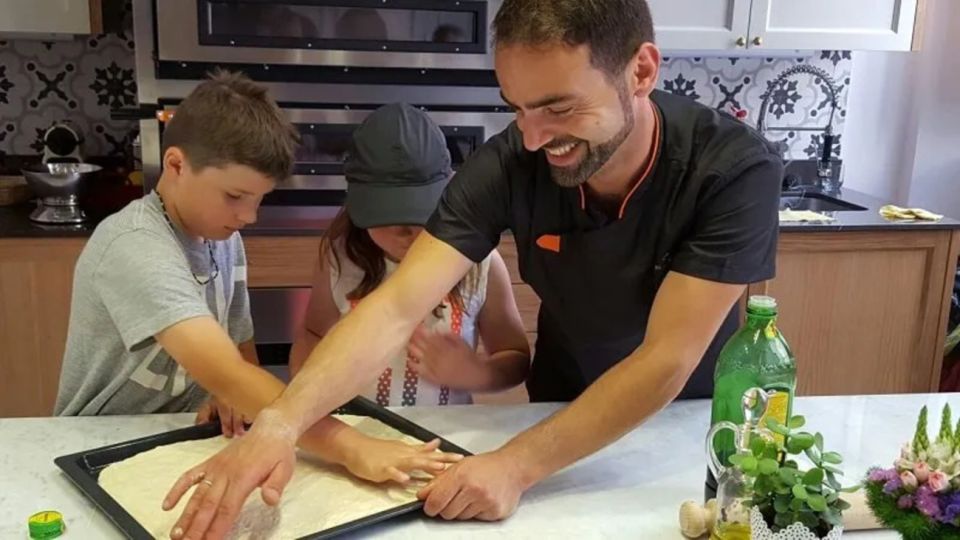
Pizza classes can be awkward if you’re stuck waiting while food cools or if you finish your pizza but don’t get to enjoy it right away. This one is structured so you do get to eat what you made.
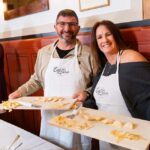
Once your pizza is baked, you’ll sit down with your group and enjoy your homemade meal with drinks. That also means you don’t spend your Rome evening cleaning up. One of the simplest pleasures in the experience is not having to turn your kitchen into a disaster zone afterward.
The value here is straightforward: you pay for ingredients, equipment, and guided cooking. Then you get a full meal on top of it.
Gelato making in a real-world way
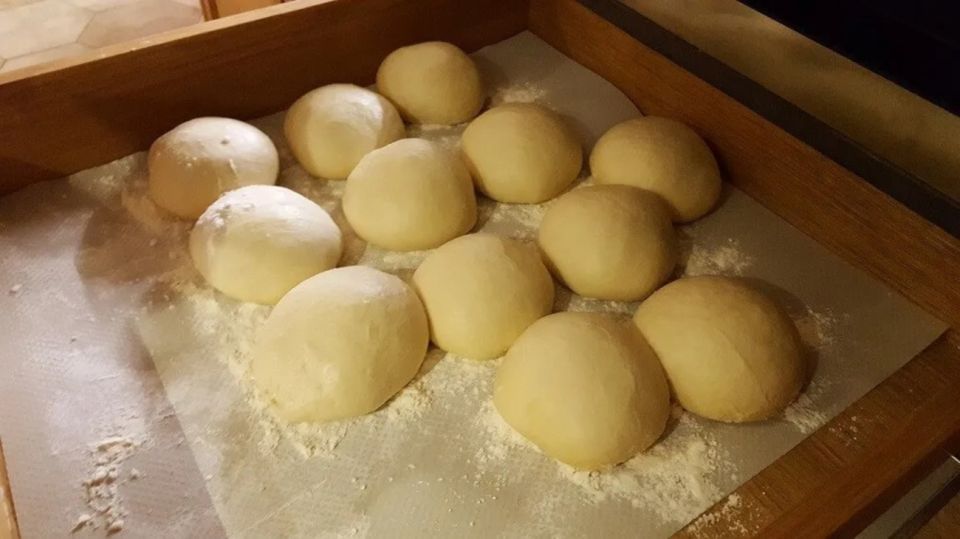
Gelato is the second half of the class, and it’s taught as an actual craft—not a dessert you assemble with shortcuts.
The class highlights that gelato shops in Rome are among the best, and you’ll get the secrets behind that reputation. You’ll learn how to prepare gelato properly, with emphasis on technique rather than guesswork.
One extra useful point from how the class is explained: you get advice for making gelato even if you don’t have a fancy gelato setup. In at least one session, people mention getting details on how to handle gelato in a normal freezer. That’s huge, because it’s exactly where many home cooks fail after buying ingredients.
Gelato vs ice cream: don’t mix up the goal
The class specifically reminds you not to confuse gelato with ice cream. It’s not the same thing, and Rome’s gelato culture tends to be picky about that distinction.
You won’t just memorize a label. You’ll see the practical difference in approach, which helps you recreate something closer to what you taste in Italy.
Who your chef might be (and what to look for)
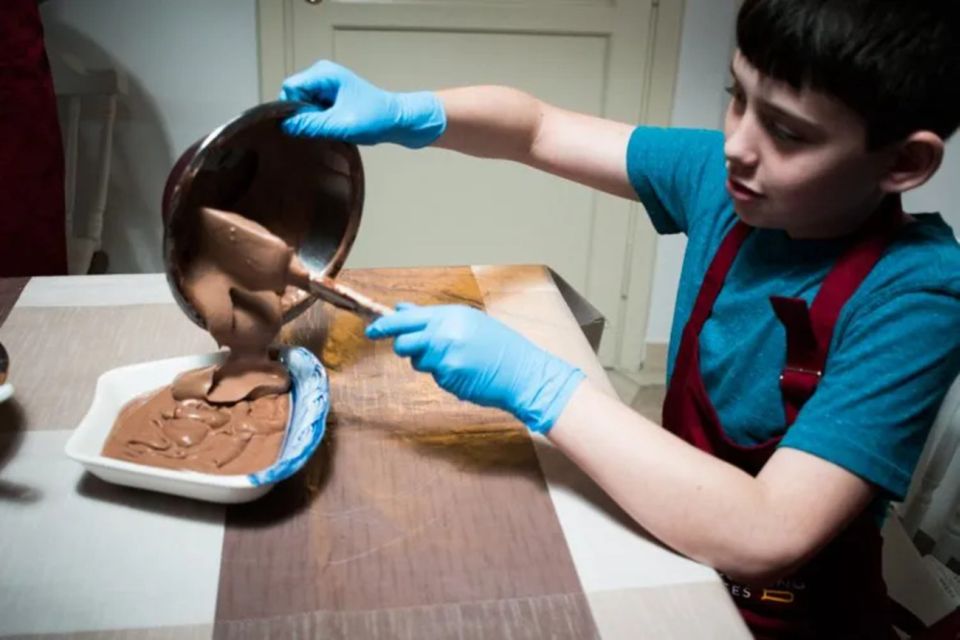
The chefs’ names vary by session, but the style shows up consistently: friendly, funny, hands-on instruction with patience.
You may meet chefs including:
- Fabio (high energy, great instructor reputation)
- Marco (known for inspiring kids and teaching carefully)
- David (strong all-around experience, great guidance)
- Julio (brilliant, fun, educational feel)
- Alessandro (patient, supportive, attentive)
- Francesca and Max (engaging, humorous, personable)
If you’re choosing a time, it’s not really about matching personalities like a celebrity lineup—but it’s good to know the class culture tends to be warm. When chefs demonstrate step-by-step and then let you do it, you learn faster.
If you have allergies, the class may still be workable, but you should ask directly. One family shared that a child had sesame/peanut/tree nut allergies and still participated successfully. That doesn’t automatically mean every ingredient is safe for every allergy, but it suggests the team can be engaged and attentive.
Drinks, snacks, and the meal you end up with
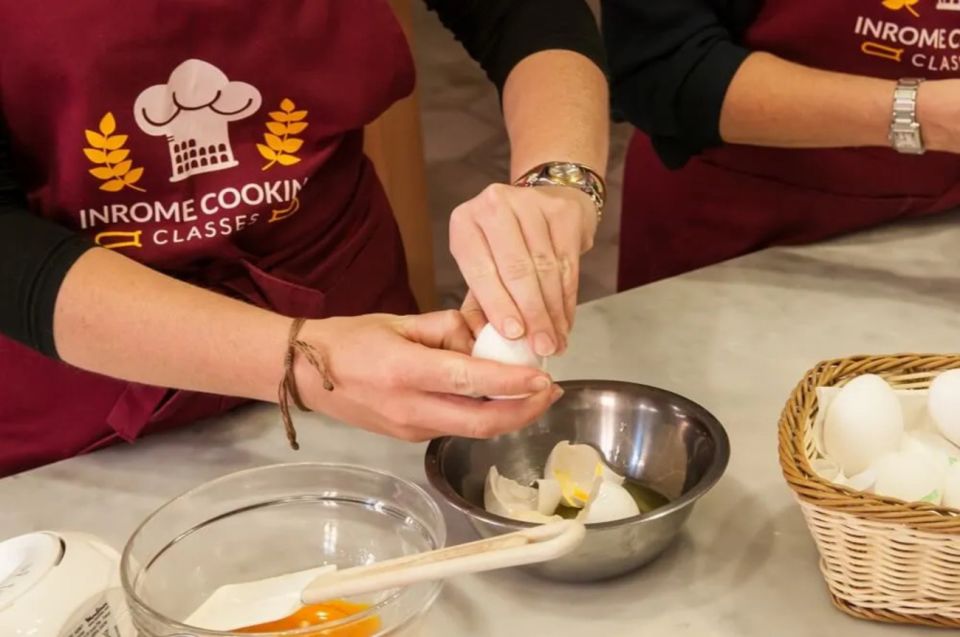
Included in the price are:
- Prosecco and snacks reception
- A homemade meal with drinks
- All ingredients and equipment
- An English-speaking chef
- Recipes provided via QR code
That combination matters for value. Some cooking classes make you pay for ingredients and then serve a small bite. Here, the meal is part of the package, and it’s built from what you made.
In one review detail, people even note the wine being free-flowing. Not every class will be the same, but the broader point holds: it’s not just “cook and go.” It’s “cook and sit down.”
Price and value: is $117.82 per person fair?
At $117.82 per person for a 3-hour class, you’re paying for more than a recipe. You’re paying for:
- an English-speaking Italian chef
- ingredients and equipment
- hands-on instruction and an actual result you eat
- gelato and pizza in one session
If you compare this to paying for pizza and gelato separately in Rome plus paying for a guided activity, the price starts to look reasonable. You also get a takeaway tool: recipes via QR code. And based on one session detail, the digital recipe book can be quite large (one person noted 75 recipes), which increases the odds you’ll use what you learned later.
So yes, it’s not “cheap.” But it’s also not a souvenir-class. It’s practical. You leave knowing what went right—and what went wrong—because you did the work.
The main drawbacks to plan for
Here are the considerations that actually show up:
QR-code recipes instead of paper. If you want printed instructions, you might be annoyed. It’s not hard to scan a QR code, but it can be a friction point if you lose signal or don’t want to use your phone for one more task.
Sharing some station time. One person noted that the gelato bowl situation meant they didn’t each get a separate container for their own flavor. That can be fine if you’re flexible, but it might matter if you’re traveling with someone who wants total control over their own batch.
Not suitable for mobility impairments. The activity isn’t suitable for wheelchair users or people with mobility impairments. The data is clear, so plan accordingly.
Who should book this class in Rome
This class fits best if you want a real skill, not just a food stop.
You’ll likely love it if:
- You’re visiting Rome and want one evening that feels useful, not random
- You’re traveling as a family and want kids to participate
- You care about learning the difference between styles like Roman pizza and the correct gelato approach
- You like the idea of taking home recipes you can repeat
It might not be ideal if:
- You strongly prefer printed recipes
- Your group needs wheelchair-friendly access
- You hate shared cooking spaces or don’t like a guided pace
Should you book it?
I’d book this class if you’re excited by the idea of making Roman pizza dough and learning gelato technique with an English-speaking chef. The best sign is how consistently people describe the chefs as patient and engaging—and how much they enjoy eating what they cooked right after.
For most visitors, the decision comes down to one thing: do you want a lesson? If yes, this is a strong choice for a Rome evening that turns into skills you can use at home.
FAQ
FAQ
How long is the Rome pizza and gelato class?
It runs for 3 hours.
Where do I meet the class?
The meeting point is Corso del Rinascimento 65. Ring the doorbell for InRome Cooking.
What’s included in the price?
You get an English-speaking chef, a Prosecco and snacks reception, all ingredients and equipment, a homemade meal with drinks, and recipes provided via QR code.
Is hotel pickup or drop-off included?
No. Hotel pickup and drop-off are not included.
What languages are offered?
The instructor is available in English and Italian.
What do I need to bring?
Bring passport or an ID card. A copy is accepted.
Is it suitable for wheelchair users or mobility impairments?
No. It’s not suitable for people with mobility impairments and not suitable for wheelchair users.
Is cancellation possible?
Yes. There is free cancellation up to 24 hours in advance for a full refund.