REVIEW · ROME
Rome Private Wine & Food Tour Trastevere, Ghetto, Campo de Fiori
Book on Viator →Operated by GOURMETALY FOOD TOURS OF ROME · Bookable on Viator
Rome tastes better with a local in charge. I love the private pacing and the market-to-table tastings that turn everyday Roman ingredients into an actual story you can taste. One consideration: it is a lot of walking, so plan on comfy shoes, especially if you choose the morning market route.
This route threads together three neighborhoods that feel different in your hands and on your plate: market energy at Campo de’ Fiori, the Jewish Ghetto’s food customs and shop culture, then the late-day buzz of Trastevere. And the guide variety is real too, with past groups led by people like Clelia, Marielle, Natasha, Aurelio, Gloria, Livia, and Claudio, so you’re not stuck with one “script.” If you want food plus context fast, this is a strong fit.
In This Review
- Key highlights you should care about
- Starting at Piazza Farnese: the elegant warm-up
- Campo de’ Fiori: market ingredients and the Giordano Bruno reminder
- Ancient pizza and Roman bread culture: Ruggeri and Roscioli
- Jewish Ghetto flavors: fried artichokes, suppli, and a food custom map
- Trastevere and beyond: narrow streets, cacio e pepe, and Santa Maria
- Wine tastings that match the food, not the clock
- Price and value: what you get for $217.69 per person
- Dietary needs and allergies: tell the guide early
- Morning vs afternoon vs Sunday: how the plan changes
- Who should book this private Rome food tour
- Should you book it?
- FAQ
- How long is the tour?
- Where does the tour start and end?
- Is this a private tour?
- What food and drinks are included?
- Are there vegetarian or gluten-free options?
- Does the itinerary change on Sundays?
Key highlights you should care about
- Private, guide-led attention so you can ask questions and slow down when the food and the street scenes pull you in.
- Campo de’ Fiori focus at the right time with the morning market being the main event, and the afternoon still feeling like the neighborhood routine.
- Seasonal Roman fried specialties like winter artichokes (carciofo alla giudia) and, in summer, fried zucchini flowers.
- Culinary stops tied to real institutions including family-run traditions since 1919 and classic Roman bakeries.
- Three seated wine moments that pair with what you’re eating, not just poured on top.
- Gelato with a serious pedigree hosted by 2020 gelato world champion Eugenio Morrone at Fiordiluna.
Starting at Piazza Farnese: the elegant warm-up
Your tour begins at Piazza Farnese, a classic-feeling square anchored by the Farnese building, two fountains, and the French Embassy presence. It is a smart start point because you get oriented fast before you start eating your way across Rome’s smaller streets.
What I like about this first moment is how it frames the trip. You start in an area that looks polished and official, then you move toward places where people shop, snack, and argue (politely) about food quality. That contrast helps you understand why Roman cuisine is so tied to daily life, not just restaurants.
This is also where the “private” part matters. On a small group tour like this, the guide can set your pace and decide how long to linger at the first market sights.
You can also read our reviews of more food & drink experiences in Rome
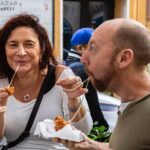
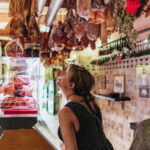
Campo de’ Fiori: market ingredients and the Giordano Bruno reminder
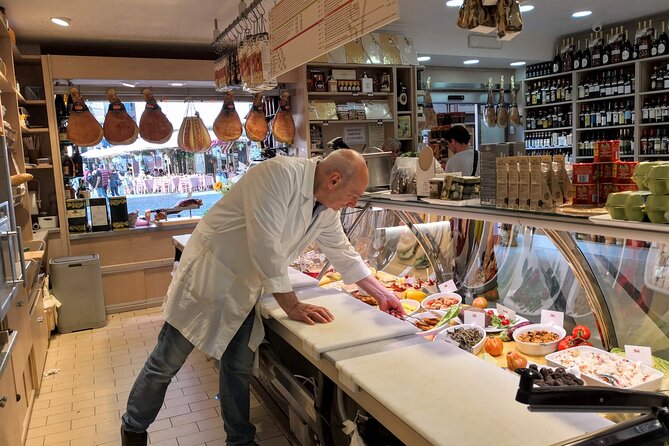
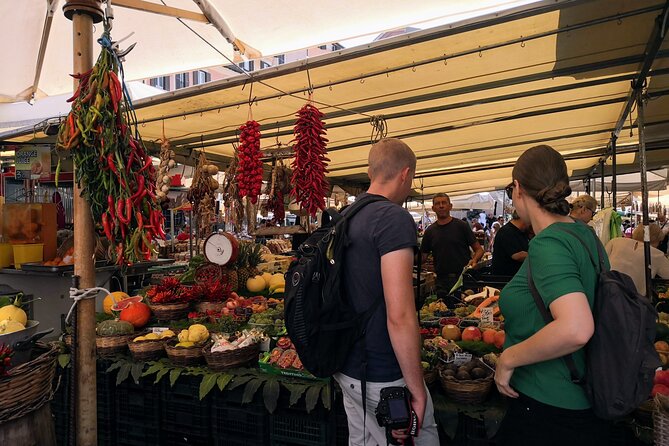
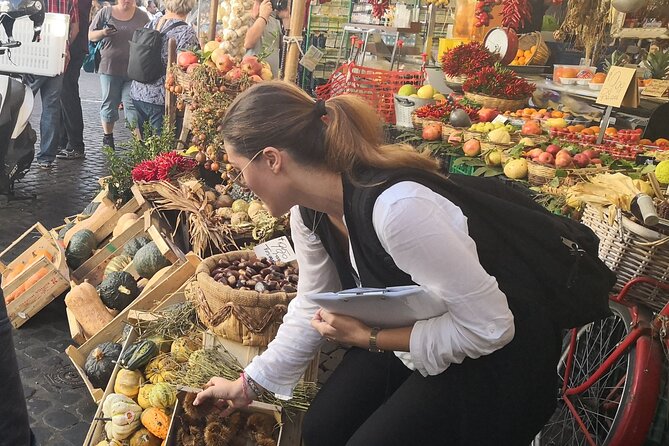
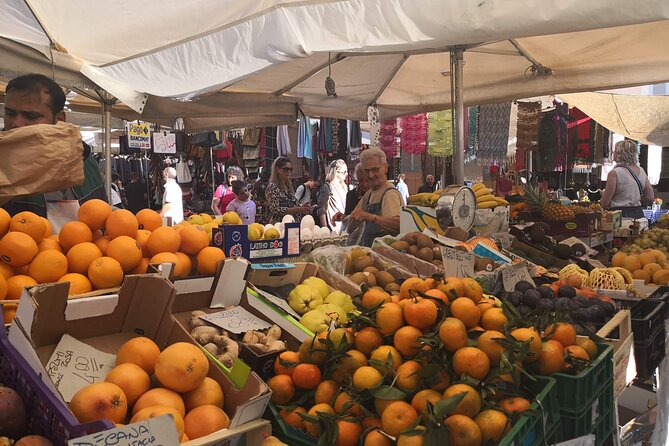
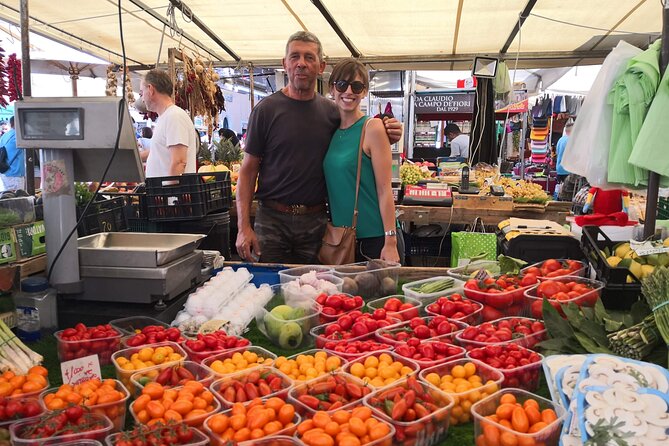
Campo de’ Fiori is one of those places where you can feel the city’s rhythm. On Monday to Saturday morning tours, you meet the guide and head into the square’s market scene. You’ll browse seasonal produce and local specialties, chat with vendors, and see how residents pick up ingredients for regular cooking.
On afternoon tours, you still get the square’s atmosphere even when the market is not in full swing. It is calmer, but you’re still seeing the same neighborhood center—useful if you want the food story without the earlier rush.
Two small details to watch for:
- The statue of Giordano Bruno. It reminds you of the famous thinker who was burned alive by the Inquisition in 1600. It is a blunt moment in an otherwise food-forward walk, and the guide uses it to talk about freedom of thought and the power of ideas.
- The way the guide connects ingredients to Roman cooking. You are not just tasting; you’re learning what locals reach for and why.
Food sampling here typically includes Roman classics like pizza bianca and cured meats, and the broader tour keeps layering in mozzarella and pastas. If you love the idea of learning while you snack, the market stop is a key anchor.
Ancient pizza and Roman bread culture: Ruggeri and Roscioli
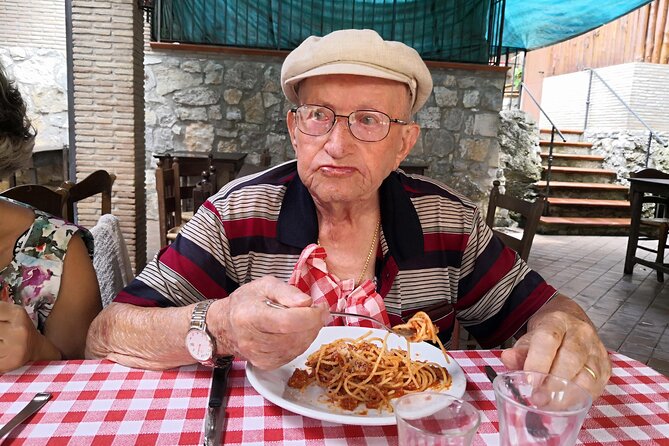
As you move through the city, you start stacking tastings that explain Roman favorites in a hands-on way.
At Ancient Pizzicheria Ruggeri, you get a look at habits and legends around authentic Roman food. This is where a family business selling quality foods since 1919 adds weight to the stories. The tasting focus is classic Roman snack logic: simple ingredients treated with care.
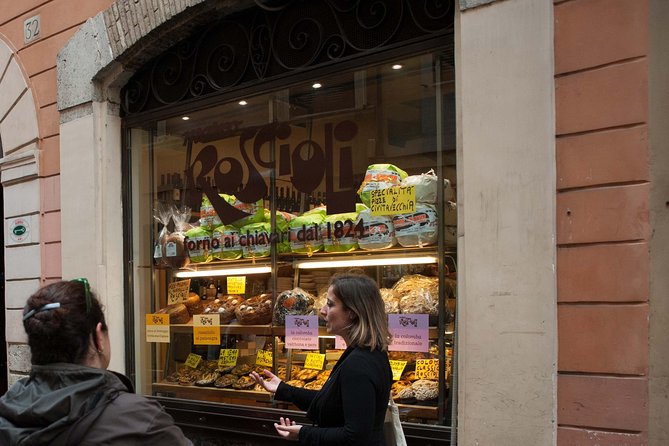
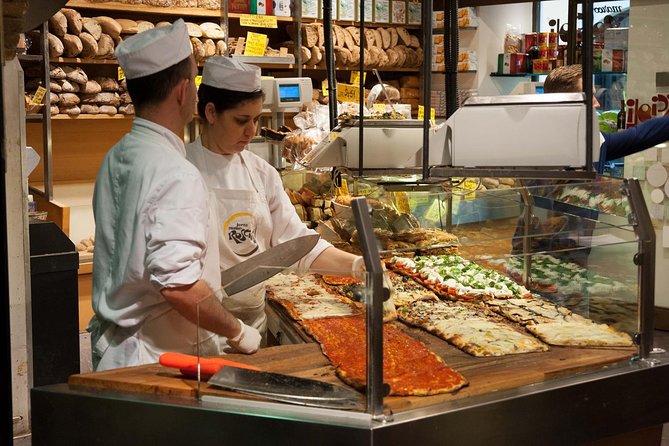
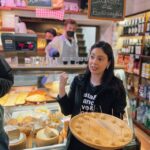
Then comes Antico Forno Roscioli, the stop many bread lovers quietly dream about. This is framed as the kingdom of pizza al taglio, and it is also a haven for people who enjoy the bread side of Italian eating, not just pasta. You’ll taste pizza in the Roman style you’ll recognize immediately once you’ve had it: crunchy edges, toppings that make sense, and flavors that feel designed for roaming.
What I think you’ll enjoy most here: how the guide explains the habits behind the food. Pizza bianca with mortadella, pizza rossa with olive oil and tomato sauce, and even pizza con le patate come up during the tastings. That last one is famously Roman, and it’s the kind of bite that makes you go, okay, I need to understand this city more.
Potential drawback: if you’re the type who likes full meals over repeated small tastings, this segment can feel like sampling runs on your legs. You still get solid food—just not one big plate at a time.
Jewish Ghetto flavors: fried artichokes, suppli, and a food custom map
The historic Jewish Ghetto is one of the strongest parts of this whole experience because it treats food as culture, not just fuel.
Your walk takes you through the area’s old buildings and key landmarks, including the Jewish school and the synagogue area, with time around Piazza delle Cinque Scole. This is where the guide connects culinary heritage to community identity and everyday eating.
And then the tasting does the teaching.
Here are the kinds of specialties you can expect on this part of the route:
- Fried artichokes (winter only), specifically carciofo alla giudia. This is described as the king of Roman vegetables in season, and you’ll often hear it compared to famous food writers and screen personalities, because it genuinely deserves the hype.
- Fried zucchini flowers (summer only), stuffed with mozzarella and anchovy and fried. Roman people like this enough that it shows up as a seasonal must.
- Supplì al telefono, the fried rice ball with mozzarella and tomato sauce, made fresh enough that you get that satisfying stretch moment when it breaks open.
- Other regional Jewish-style bites referenced for the experience include fried specialties like codfish and classics like fried artichokes.
This part matters because it gives you a map. You learn what you’re tasting, how it became part of Roman street food tradition, and how ingredients change with the seasons. It also helps you notice small things in the neighborhood rather than treating it as a quick photo stop.
If you’re traveling with limited time in Rome, this segment gives you a concentrated “why” behind a lot of what you’ll see later in restaurants.
Trastevere and beyond: narrow streets, cacio e pepe, and Santa Maria
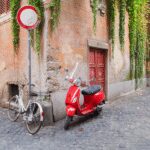
After the Ghetto, the tour transitions into Trastevere, which is one of Rome’s most beloved dining districts. It’s easy to understand why once you walk the narrow lanes lined with artisan shops and cafés. This is where the streets start doing the same job the food did earlier: showing you how locals move.
One highlight in this stretch is a crossing related to Isola Tiberina. You’ll cross the oldest bridge in town to reach the island, where there’s a church, a convent, and two hospitals. You may also hear how the island takes on a different mood at night, especially in summer.
Then you head to a seated pasta tasting at Ristorante Sette Oche in Altalena, where you’ll taste cacio e pepe and amatriciana. These aren’t trendy flavors; they’re proof of Roman technique. Cacio e pepe lets you feel the pecorino’s role, while amatriciana shows you how tomato and cured pork can create real depth without needing complexity tricks.
To top it off, you’ll hit Fiordiluna for gelato hosted by Eugenio Morrone, listed as gelato world champion 2020. The tour frames it as a hidden shop, and the practical takeaway is simple: if you want a gelato tasting where the person behind the counter takes it seriously, this stop is built for that.
Finally, the tour ends at Piazza Giuseppe Gioachino Belli near Basilica di Santa Maria in Trastevere. You get a last look at the church’s square setting—pleasant, atmospheric, and a good finale after all the street-level eating.
Small reality check: Trastevere is popular, so even on a guided walk, you’ll still share the space with many other people. The private format helps you move with less stress, but it is not a quiet monastery stroll.
You can also read our reviews of more tours and experiences in Rome

Wine tastings that match the food, not the clock
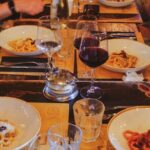
Food tours can fall into a pattern: drink, snack, walk, repeat. Here, the wine is handled more like a pairing tool. You get three wine tastings and three seated stops with wine, so you’re not just sipping in transit.
Why that matters: Italian food culture often treats wine as part of the meal rhythm. By seating you at key moments, the guide can connect the wine with what you just ate—cheese, cured meats, pizza tastings, and pasta flavors—so it feels cohesive instead of random.
If you enjoy wine but also want the food to stay central, this setup is a good balance. You’ll still be eating a lot, just with more structure than a pure wandering snack crawl.
Price and value: what you get for $217.69 per person
At $217.69 per person for about 3 hours and 30 minutes, this is not a budget snack tour. The value comes from how much is included and how the experience is paced as a private outing.
Included tastings cover a lot of Rome’s “big idea” foods:
- Cheeses and hams in historic grocery settings
- 2/3 pizza tastings
- Fried seasonal specialties at a historic Jewish Ghetto restaurant setting
- Two pasta tastings in Trastevere
- Three wine tastings, plus wine at seated stops
- Gelato tasting
If you had to pay à la carte for all of that across multiple places, you’d likely spend much more than the tour price once you add wine, typical tasting portions, and the time cost of figuring out where to go. The private guide also eliminates a lot of the guesswork, since you’re being led to the exact kinds of shops that keep Roman food traditions alive.
What also supports the value: the tour is designed for all-weather walking. That means you get a plan even if the sky does what it wants, as long as you dress for it.
Dietary needs and allergies: tell the guide early
This tour can work for different diets, but you’ll want to communicate clearly.
You can request a vegetarian option when booking. Gluten-free or diary-free options are also mentioned as available. The important caution is allergens: the tastings can include milk, eggs, soya, mustard, nuts, and gluten.
In practical terms, I’d do two things:
- Ask about substitutions at booking, not on the day of the tour.
- If you have a serious allergy, be specific about what you cannot have so the guide can steer you toward safe items.
Past groups have noted accommodation for allergies, which is a reassuring sign. Still, Rome is a city of delicious cross-contamination risk, so your details matter.
Morning vs afternoon vs Sunday: how the plan changes
Choosing a time slot is part of choosing your food experience.
For Monday through Saturday:
- Morning tours center on Campo de’ Fiori as the main market moment.
- Afternoon tours still stop at Campo de’ Fiori, but the mood is more relaxed when the market is not at peak.
Sunday is different. Some independent shops and food vendors close on Sundays, so the route adapts. The tour starts at a farmer-managed organic market where producers sell directly to visitors. Then it walks toward the Jewish Ghetto and continues on to Trastevere, with an emphasis on markets and places that are open.
If you want the strongest market focus, pick a weekday morning. If you prefer a more flexible feel and want organic producer sourcing, Sunday can be a great alternative.
Who should book this private Rome food tour
This is a great match if:
- You want food with neighborhood context, not just a list of dishes.
- You prefer a guided pace where you can ask questions and slow down.
- You like seeing how Romans shop and eat, from market stops to historic grocery-style tastings.
It also works well for mixed groups. One review specifically mentioned someone with mobility issues and that the guide took time and did not rush. Private format helps here, because the guide can shape the walk to the group’s needs.
It may be less ideal if:
- You want zero walking or only seated time.
- You hate repeating small tastings and would rather have fewer stops with larger portions.
Should you book it?
If you’re craving a Roman food education that connects markets, neighborhoods, and classic dishes in one smooth loop, I’d book this. The best parts are the private guide attention, the market-first approach, and the way the tour uses tastings to explain Roman food culture in Campo de’ Fiori, the Jewish Ghetto, and Trastevere.
The only real “don’t book” reason is if you know you can’t handle a walking-heavy afternoon. Otherwise, for the price, you’re paying for time, access, and a lot of included food and wine.
If you do book, pick morning on a weekday for the full Campo de’ Fiori market vibe, and message your dietary needs early so your tastings match your situation.
FAQ
How long is the tour?
It lasts about 3 hours and 30 minutes.
Where does the tour start and end?
It starts at Piazza Farnese, 106, 00186 Roma RM, Italy and ends at Piazza Giuseppe Gioachino Belli, 00153 Roma RM, Italy.
Is this a private tour?
Yes. Only your group participates.
What food and drinks are included?
Cheeses and hams, multiple pizza tastings, fried seasonal specialties, pasta tastings, three wine tastings (with three seated wine stops), and a gelato tasting are included.
Are there vegetarian or gluten-free options?
A vegetarian option is available if you advise at booking. Gluten-free or diary-free options are also available, but the provider notes allergens may still be present in tastings.
Does the itinerary change on Sundays?
Yes. Since many independent shops close, the Sunday route is adapted to focus on markets and open venues, starting at a farmer-managed organic market.