REVIEW · ROME
Rome: Private Tour with a Local Guide
Book on GetYourGuide →Operated by Suisse Plus Travel · Bookable on GetYourGuide
Rome feels personal when you walk it locally. This private customizable tour pairs major landmarks like the Vatican and Roman Forum with lesser-seen stops such as Villa Torlonia and the Doria Pamphilj Gallery. I like that the guide can steer the day toward your interests, so you spend less time herding yourself through Rome and more time actually seeing the city.
Two things I like most: you get a local-style route that aims to help you feel like you belong, and the length is flexible (from 2 hours to a full 8). One consideration is that the guide is a local person or expat rather than a specialist historian, so history depth can vary depending on who you’re matched with.
In This Review
- Key things that make this Rome private tour work
- How the private local format keeps Rome feeling human
- Pick the right length: 2 hours vs 8 hours in Rome
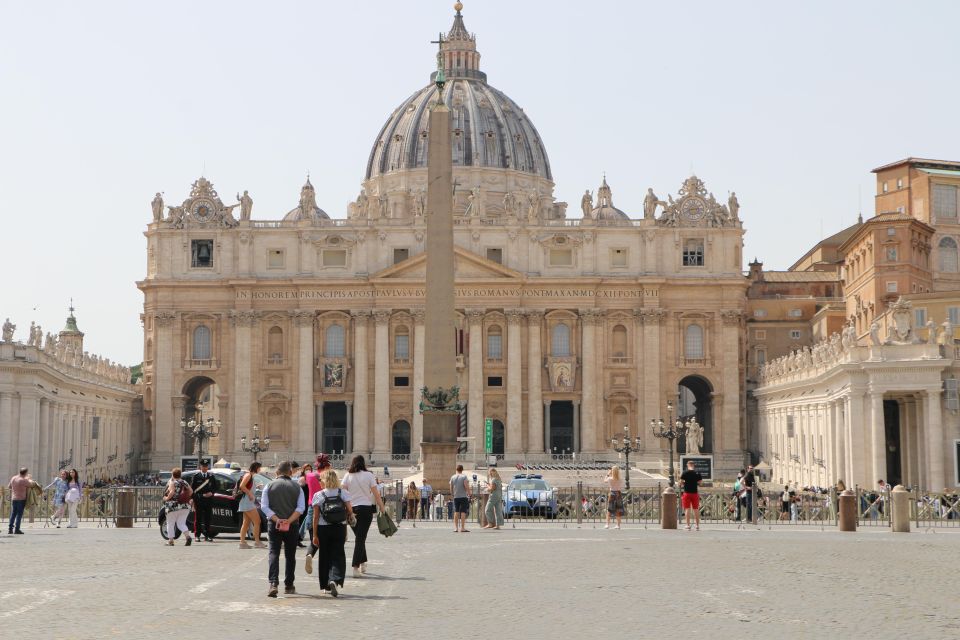
- Vatican City and St. Peter’s: seeing sacred Rome without losing your day
- Roman Forum, Palatine Hill, and the Colosseum in one guided flow
- Trevi Fountain and the Spanish Steps: the big names, guided with context
- Trastevere’s narrow lanes: where Rome feels like a neighborhood
- Altar of the Fatherland: a national monument with big-city staging
- Villa Torlonia and the Doria Pamphilj art world: Rome’s quieter side
- Tiber Island and Lateran Rome: sacred stops with a different tempo
- Price and logistics: what $53 gets you, and what it doesn’t
- Guide quality and expectations: how to get the best day
- Who this Rome private tour fits best
- Should you book this private Rome local tour?
- FAQ
- How long is the Rome private walking tour?
- Is this tour mostly walking?
- Are museum and attraction tickets included?
- Can I customize what we see?
- What languages are available for the guide?
- Do I get hotel pickup and drop-off?
- Does the tour run in bad weather?
- If we use public transport, who pays for tickets?
- What if I book very late and my language isn’t available?
- Is there free cancellation?
Key things that make this Rome private tour work
- Local routing, not a rigid checklist: you can trade one stop for another based on what you care about.
- Hidden stops are real options like Villa Torlonia, Doria Pamphilj Gallery, and MAXXI (depending on time).
- Major sights are grouped efficiently so you don’t waste hours crisscrossing the center.
- A true walking experience with hotel pickup and drop-off, designed for short-distance hopping.
- Language choices include Chinese, English, and Italian, but very late bookings may shift you to English.
- Guide quality matters, since the tour format prioritizes local perspective over museum-lecture expertise.
How the private local format keeps Rome feeling human
This is a private walking tour, with hotel pickup and drop-off built in, so you’re not starting your day by guessing transit lines or negotiating taxis. You’re also traveling rain or shine, which matters in Rome where weather can shift quickly. The tour is designed for the center on foot, and the guide sets the pace based on your interests and the time you book.
The “local” angle here is practical. A guide can point out how neighborhoods actually function, which streets connect better, and where to slow down for the things most first-time itineraries gloss over. It’s not just about naming monuments. It’s about helping you read the city: where people hang out, how the past shows up in daily life, and why certain corners feel different from the next block over.
You can also read our reviews of more guided tours in Rome



Pick the right length: 2 hours vs 8 hours in Rome
The duration range is broad, from 2 up to 8 hours. That’s a big deal, because Rome rewards a slower rhythm once you’re inside the historical core. Here’s how I’d think about your time budget.
A 2 to 3 hour tour is best if you want a guided hit of the classics: think Trevi Fountain and the Spanish Steps area, or a Vatican-side orientation plus a fast walk through nearby streets. You’ll still see a lot, but the day stays focused.
A 4 to 5 hour tour usually gives you breathing room. You can add one “hidden secret” option (like Doria Pamphilj Gallery, Villa Torlonia, or MAXXI), while still catching the big public squares.
An 8 hour day is for people who want Rome to feel like a stroll with a plan, not a sprint. One real booking mentioned that 8 hours can feel long for some, but that same longer day can be great if your guide builds in calmer stops and makes time for coffee or lunch away from the main crush.
Vatican City and St. Peter’s: seeing sacred Rome without losing your day
If your tour includes the Vatican City area, you’re looking at a cluster of stops that can take a full day on their own—so the value of a guide here is sequence. The tour can cover Vatican City, the Vatican Museums, and St. Peter’s Basilica, but entry-ticket details matter.
Key points to know:
- Tickets for entry attractions are not included. Vatican Museums and other ticketed sites will cost extra.
- The guide can help you plan what’s realistic for your time window.
- Even if you don’t do every museum room, you can still get a strong orientation on where things are and what to look for.
St. Peter’s Basilica is often the highlight for first-timers because the art is not background noise. It’s front and center. If you do go inside, wear comfortable shoes and plan for time to slow down. A local guide can also help you avoid wasting energy by steering your route more cleanly through the area.
Roman Forum, Palatine Hill, and the Colosseum in one guided flow
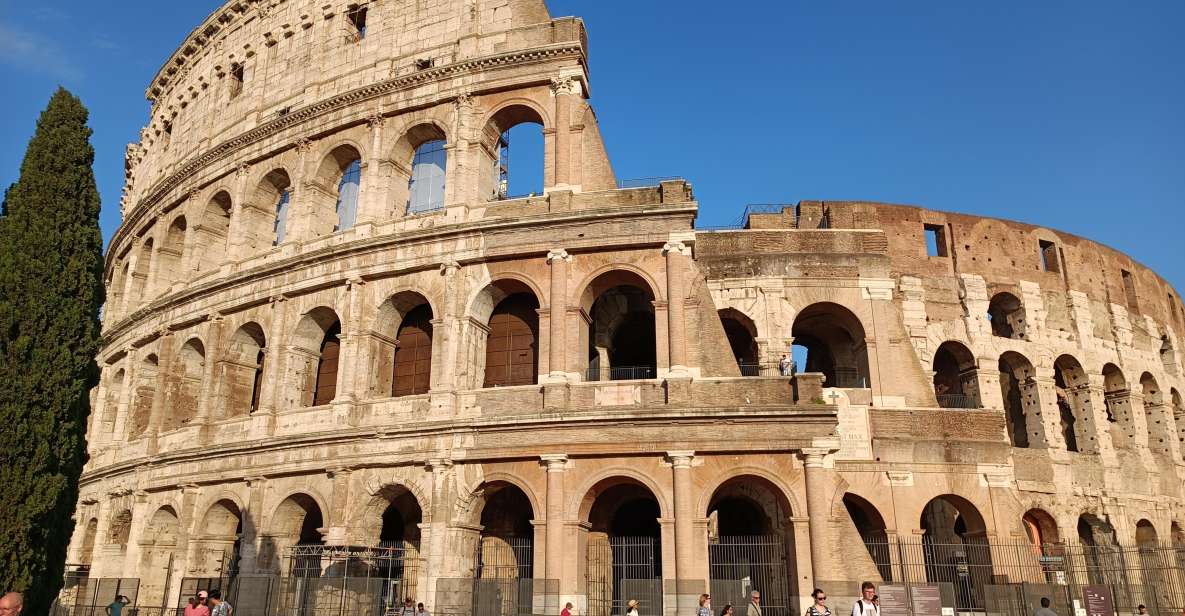
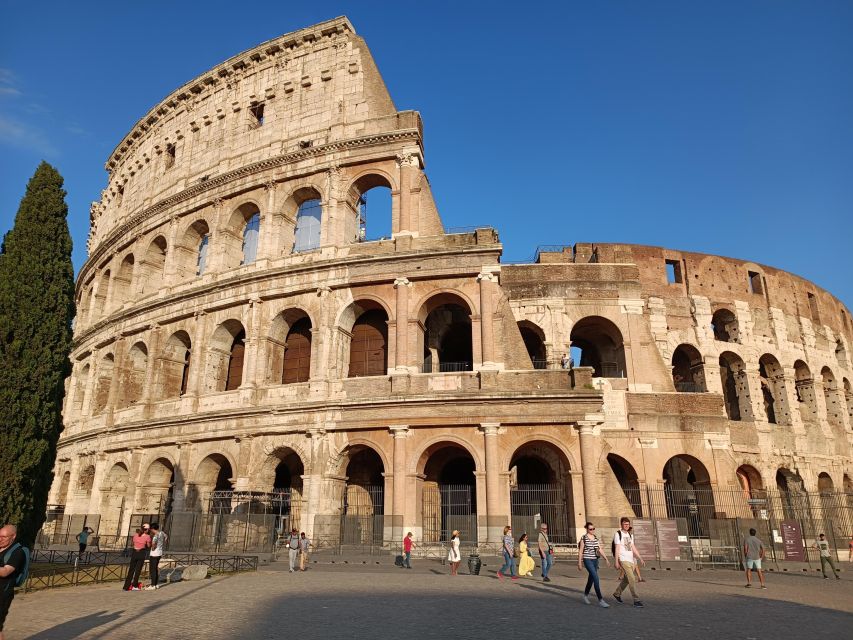
Rome’s ancient spine is easiest when you’re not trying to connect everything by guesswork. A walking tour that combines the Colosseum, Palatine Hill viewpoints, and the Roman Forum saves you from the common mistake of arriving at each site too tired to enjoy it.
This is the kind of day where you’ll appreciate having nearby stops grouped together:
- Roman Forum: ideal for understanding how public life worked—processions, elections, speeches, trials, and more.
- Palatine Hill: where the city views help make the geography click.
- Colosseum: the big scale shock, plus plenty of context for what kind of events happened there.
- Circus Maximus (if included): the oldest and largest stadium in Rome, originally designed for chariot racing.
In a shorter tour, you might focus on the Forum/Colosseum core and skip secondary museum stops. In a longer one, you can consider Capitoline Museums too, which connect to Michelangelo-era planning and offer a more art-and-archaeology angle.
Trevi Fountain and the Spanish Steps: the big names, guided with context
Trevi Fountain and the Spanish Steps are famous for a reason, but the guide’s job is to keep them from feeling like one more photo stop. The Trevi area is also where small details matter—how the streets funnel toward the fountain, where views land best, and what to notice beyond the postcard.
Trevi Fountain is often described as the oldest fountain in Rome and has a movie-heavy reputation. There’s also a playful local myth attached to it, which is exactly the kind of thing a guide can explain without turning the moment into a lecture.
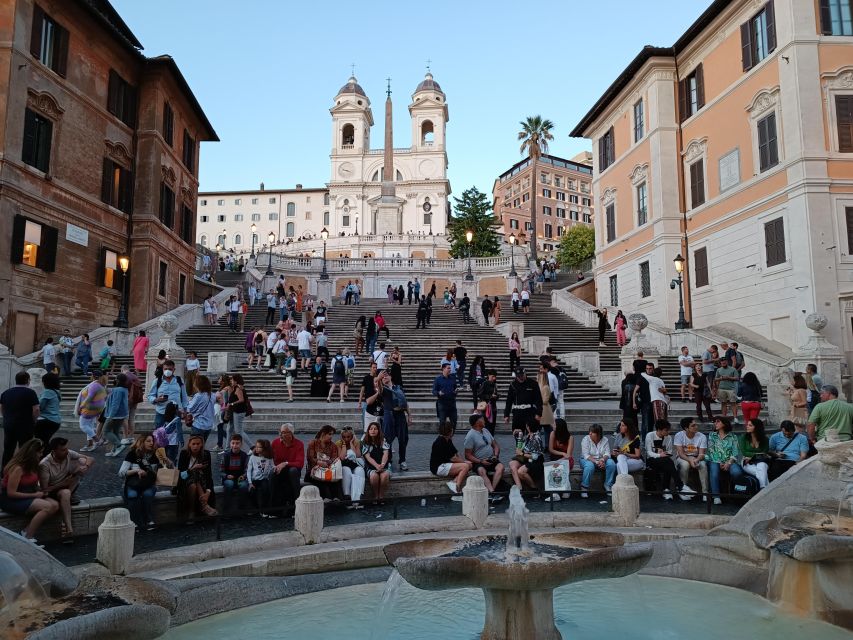
The Spanish Steps can feel endless if you’re just pushing through. A guide can help you use the steps for what they actually are: a landmark structure that organizes the neighborhood around it. The tour description notes they’re the longest and widest in Europe, which gives you a useful mental anchor as you walk the stairways and surrounding streets.
You can also read our reviews of more private tours in Rome





Trastevere’s narrow lanes: where Rome feels like a neighborhood
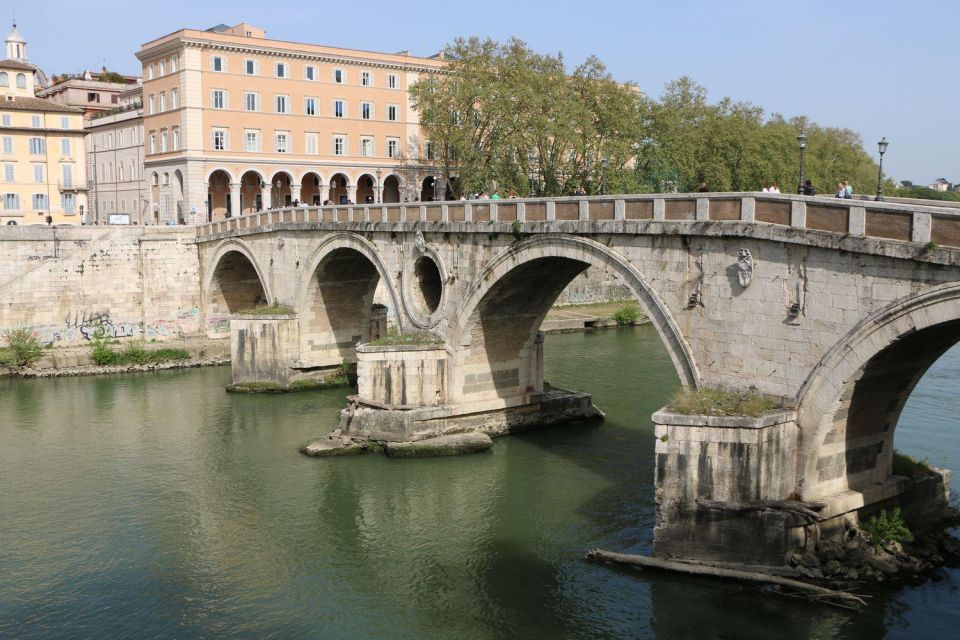
Trastevere is one of the best areas to balance out the heavyweight monuments. It’s known for working-class roots and narrow alleyways that make the streets feel like they belong to real daily life, not just visitors. That makes it a strong fit for a guide-led walk, because you’ll get the logic of where the quiet lanes connect and where the energy thickens.
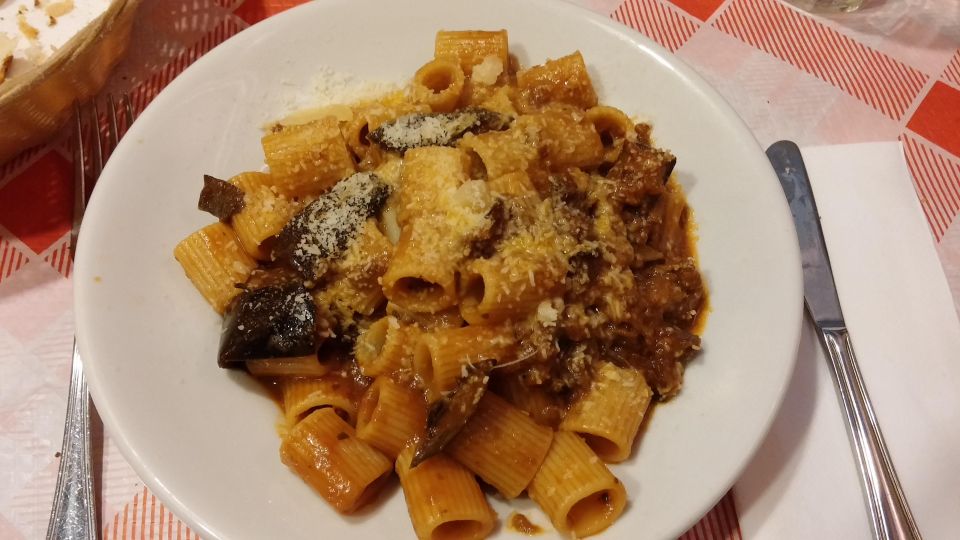
One real booking highlighted that a guide (Valario) recommended coffee and lunch stops away from the busy crowds on a warm Saturday. That’s the kind of practical advice that makes a difference. A good guide doesn’t only show you monuments; they also help you eat like you live there, with choices that feel calmer and more local.
Altar of the Fatherland: a national monument with big-city staging
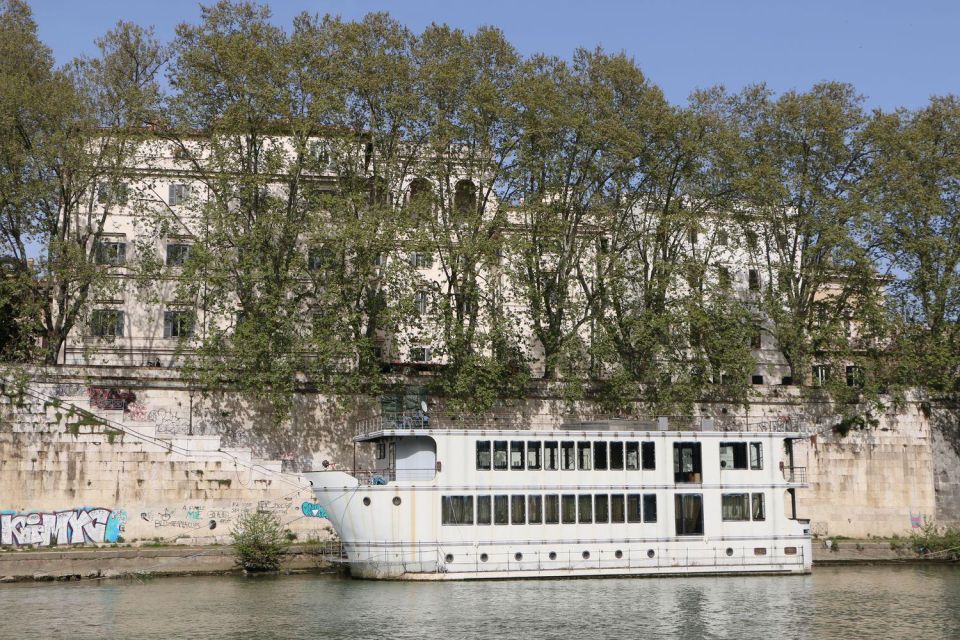
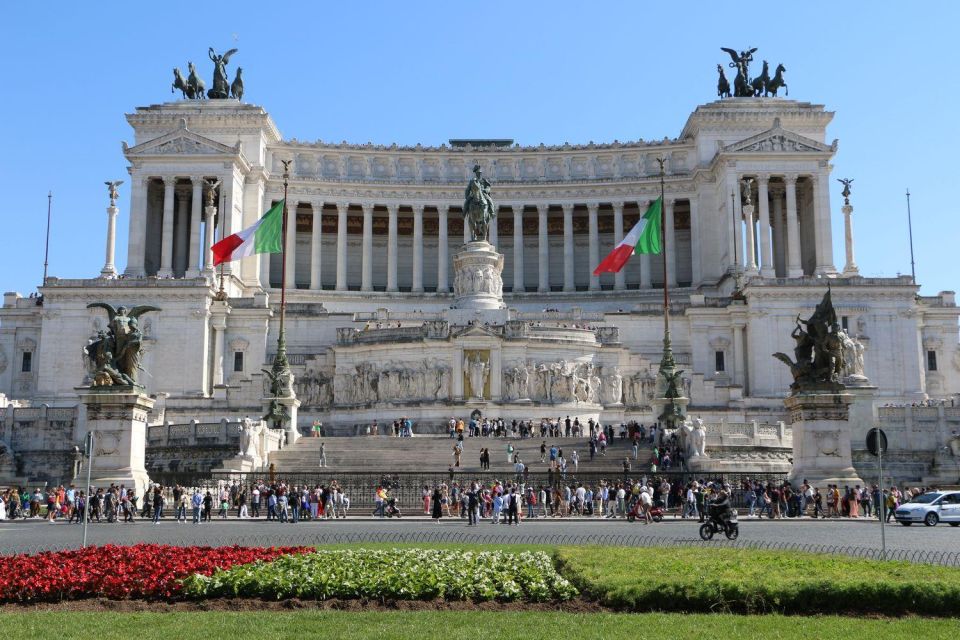
The Altar of the Fatherland is a large national monument built to honor the first king of Italy. It’s a stop that can feel grand from a distance, and it’s also one of those places where Rome’s layers show up as you look across the city from certain angles.
If your tour time is limited, treat this as a “place to stand and orient yourself,” not just a quick photo. Having a guide helps you understand what you’re looking at and how it sits within Rome’s political and cultural story.
Villa Torlonia and the Doria Pamphilj art world: Rome’s quieter side
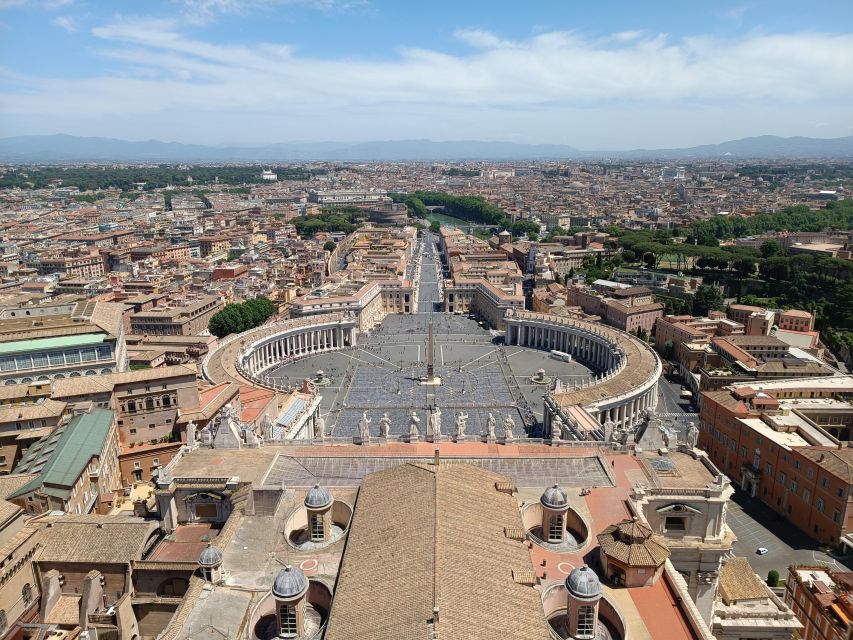
This is where the tour’s value gets real for people who don’t want only famous landmarks. Villa Torlonia is described as a transformed public park with well-kept green spaces, architecture, and museums. Even if you don’t go inside every building, the park setting gives you a break from the stone intensity of the center.
Then there’s the Doria Pamphilj Gallery, a focused art stop with one of the best art collections in Rome. In practice, art museums can be hit-or-miss depending on how long you have and how the route is paced. This tour’s format helps because you can slot it into the day when you’ll still have energy to enjoy it.
Other park-style or quieter options that may fit into longer days:
- Villa Doria Pamphilj: described as the largest landscaped park in Rome.
- Villa Medici: a superior villa where architecture and gardens connect to the environment.
- MAXXI: a museum of contemporary art and architecture, which changes the pace from ancient-only Rome.
Tiber Island and Lateran Rome: sacred stops with a different tempo
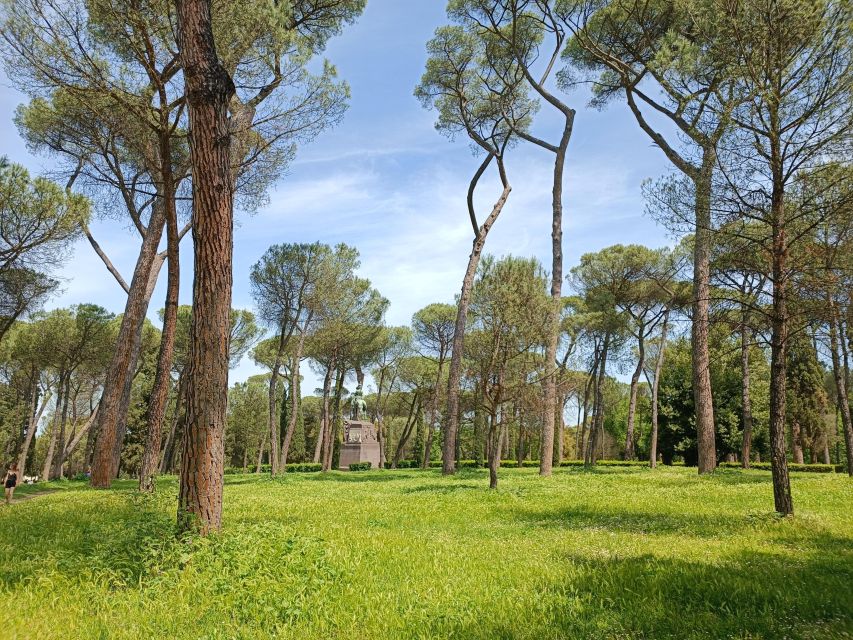
The tour can include Tiber Island, also known as the sacred island associated with medicine and healing in pagan cults and Christian religion. That detail matters because it changes how you interpret what you see. It’s not only geography. It’s tradition stacked over time.
You can also see Basilica di San Giovanni in Laterano, described as the oldest public church in Rome. If your group is interested in early Christian Rome and the religious backbone of the city, this is a valuable add-on that many shorter tours ignore.
And if your tour includes Scala Sancta, it’s because of the famous story attached to the holy stairs believed to lead to the holy city of Jerusalem. Even if you’re not a religious pilgrim, guides can help you understand why this spot draws attention and how it fits into the wider religious landscape of Rome.
Price and logistics: what $53 gets you, and what it doesn’t
At around $53 per person, this tour can be strong value if you compare what’s included. You’re getting a local guide, plus hotel pickup and drop-off, plus a walking tour. Those pieces matter because they reduce your time spent coordinating and figuring out where to go next.
What’s not included:
- Food and drinks
- Entry tickets for attractions with fees (museums, including Vatican Museums where applicable)
- Public transport tickets, though this is mostly a walking plan
One practical trick: because entry fees are not included, you should treat museum-heavy choices as an added budget line. If you choose multiple ticketed stops, the day can cost more than expected. The guide can help you decide what to prioritize based on your time and interests, but you’ll still need to pay the museum entry costs directly.
Also note the walking format: you’ll cover a lot on foot, which is great for seeing real streets and keeping Rome from feeling like a checklist. It does mean comfortable shoes are not optional.
Guide quality and expectations: how to get the best day
This tour is run by a local person or expat, not a specialist guide with guaranteed in-depth historical training. That’s not automatically bad, but it does mean you should manage expectations.
One booking praised a guide named Valario for being friendly and humorous, taking people to places they would not have thought to visit, and recommending coffee and lunch away from the hustle. That’s a strong signal of the style you might hope for: practical choices and a lighter tone.
Another booking reported very poor historical knowledge and preparation. That’s a reminder that guide matching can vary. Your best move is to set your expectations before you start moving:
- Tell the guide what you want most: art, architecture, neighborhood life, or religious Rome.
- If history depth matters to you, ask for the level of detail you’re looking for and which stops will support it.
If you’re choosing between tour lengths, remember that “more stops” only helps if the day still feels enjoyable. An 8-hour plan might be perfect for slow pacing and more neighborhood flavor, but it can feel heavy if you burn out quickly.
Who this Rome private tour fits best
This experience is a good match if you:
- Want Rome by walking with a human guide who can adjust the route.
- Like mixing major sights with quieter stops such as Villa Torlonia, Doria Pamphilj Gallery, or MAXXI.
- Prefer customizing your day rather than following one fixed group schedule.
- Value local neighborhood feel, especially for time in places like Trastevere.
It’s less ideal if you:
- Only want a strictly scripted, museum-lecture style of history from a specialist.
- Have mobility limits that would make long walking days hard.
- Are hoping all listed attractions are guaranteed in one visit (the tour depends on your booked duration and how long you linger at each stop).
Should you book this private Rome local tour?
I’d book it if you want Rome to feel like a city you’re learning, not a theme park. The combination of hotel pickup, private pacing, and a mix of major landmarks with hidden-seeming options is where the value lives.
Skip it or at least clarify expectations if you’re very sensitive to guide quality or you need a high level of historical depth every minute. If possible, communicate your priorities early and pick a duration that matches how long you enjoy walking, not how many headlines you want stamped onto your day.
If you’re ready to trade some certainty for a more flexible, locally guided feel, this tour can be a solid way to see Rome without losing your sanity to logistics.
FAQ
How long is the Rome private walking tour?
It runs from 2 to 8 hours, depending on the option you book and how much time you spend at each stop.
Is this tour mostly walking?
Yes. It’s a walking tour, and public transport or taxis are not included.
Are museum and attraction tickets included?
No. Tickets for attractions with entry fees, such as museums, are not included.
Can I customize what we see?
Yes. The tour is private and can be customized. You can agree on sightseeing points in advance or decide together when you meet.
What languages are available for the guide?
Guides are available in Chinese, English, and Italian.
Do I get hotel pickup and drop-off?
Yes. Hotel pickup and drop-off are included.
Does the tour run in bad weather?
Yes. The tour takes place rain or shine.
If we use public transport, who pays for tickets?
Public transport tickets are not included. If you agree to take public transport, you’re requested to pay for the tickets of your tour guide as well.
What if I book very late and my language isn’t available?
For very late bookings (1 day before), the provider can’t always guarantee your chosen language. If your language isn’t available, you’ll get an English-speaking guide instead.
Is there free cancellation?
Free cancellation is offered up to 24 hours in advance for a full refund.