REVIEW · ROME
Rome: National Etruscan Museum Private Tour
Book on GetYourGuide →Operated by Rome Guides · Bookable on GetYourGuide
Etruscans are Rome’s prequel, and this tour tells it clearly. You’ll visit the National Etruscan Museum at Villa Giulia with a local guide, focused on what these people were like before the Roman Empire took over. It’s a compact, guided way to connect artifacts to real stories instead of just staring at labels.
I especially like two things: the chance to see the Sarcophagus of the Spouses from Cerveteri (dated 520 BC) in context, and the dedicated time for Etruscan epigraphy, where inscriptions help you understand how language and identity show up in the art. One thing to consider: the museum experience isn’t recommended for people with limited mobility, and it isn’t set up for wheelchair users.
In This Review
- Key Points You’ll Appreciate
- Villa Giulia Entrance: A Clean, Focused Start
- Why the Etruscans Matter Before You See Roman Things
- Etruscan Epigraphy: When Inscriptions Become a Story
- The Sarcophagus of the Spouses From Cerveteri (520 BC)
- Statues, Weapons, Sarcophagi, and Jewelry: Seeing the Big Themes
- How the 2-Hour Private Format Works for Real People
- Price and Value of This $124.61 Private Tour
- Practical Notes Before You Go
- Who This Tour Fits Best
- Should You Book This Etruscan Museum Private Tour?
- FAQ
- How long is the National Etruscan Museum private tour?
- Where do we meet the guide?
- Is entry included?
- What’s the group size like?
- Do I get hotel pickup or drop-off?
- What languages are the guides?
- Is the tour suitable for wheelchair users or limited mobility?
- What should I bring, and are bags allowed?
- Can I cancel for a refund?
Key Points You’ll Appreciate
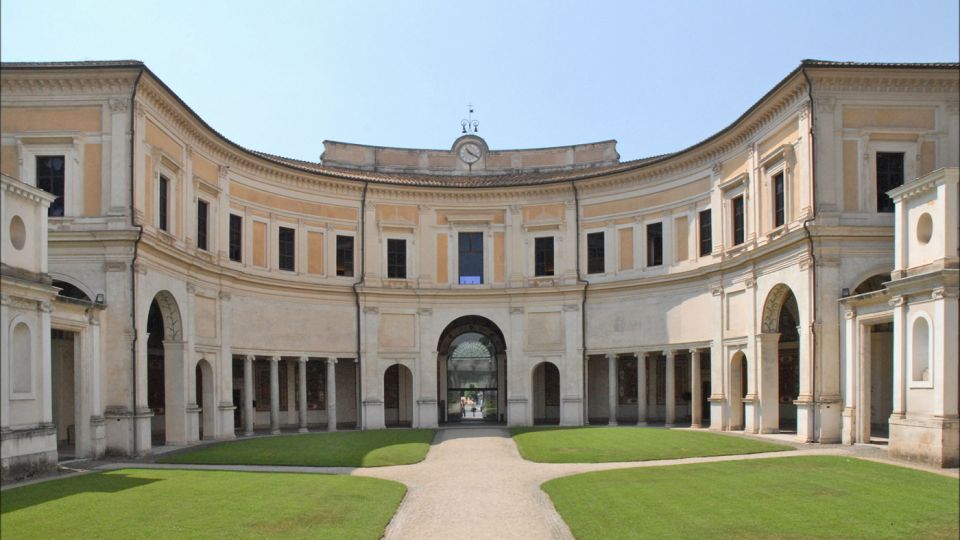
- Villa Giulia setting: You’re touring a major Etruscan museum site, not bouncing between random stops.
- 520 BC centerpiece: You’ll spend real attention on the Sarcophagus of the Spouses from Cerveteri.
- Etruscan epigraphy focus: The tour highlights inscriptions, not only big-ticket objects.
- Private, local guide: You can move at a comfortable pace with a guide speaking English or Italian.
- Tickets included: Entry is part of the price, so you’re not scrambling on arrival.
Villa Giulia Entrance: A Clean, Focused Start
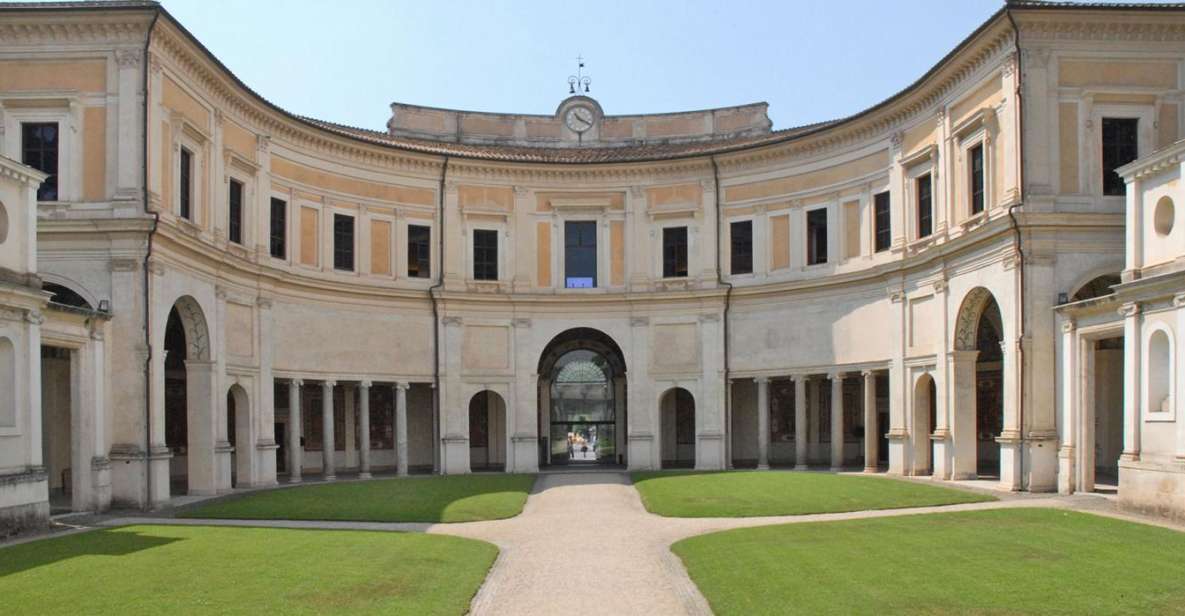
This tour begins with a simple rule: arrive about 15 minutes early. Your guide meets you in front of the National Etruscan Museum entrance, holding a sign with the tour name. That timing matters because a private museum tour is only “private” if you’re ready to go when your guide arrives.
No hotel pickup is included, so plan to get yourself to the museum. If you like starting your day with momentum (and not chasing a van that doesn’t exist), this is a good setup. Also, the tour ends back at the meeting point, which keeps your logistics easy.
You can also read our reviews of more private tours in Rome



Why the Etruscans Matter Before You See Roman Things
Even if you’re only in Rome for a few days, you’ll get more out of the big Roman sites when you understand who was here first. This tour is built around that idea: the Etruscans preceded the Roman Empire, and the museum collection shows the culture of the Lazio region before Rome’s rise.
A good guide makes this less abstract. Instead of treating Etruscan life as a pile of “cool objects,” you’ll connect items—statues, weapons, sarcophagi, jewels—to how people lived, expressed status, and commemorated the dead. The museum setting helps too: you’re not learning in a classroom. You’re learning in front of the things themselves.
Etruscan Epigraphy: When Inscriptions Become a Story
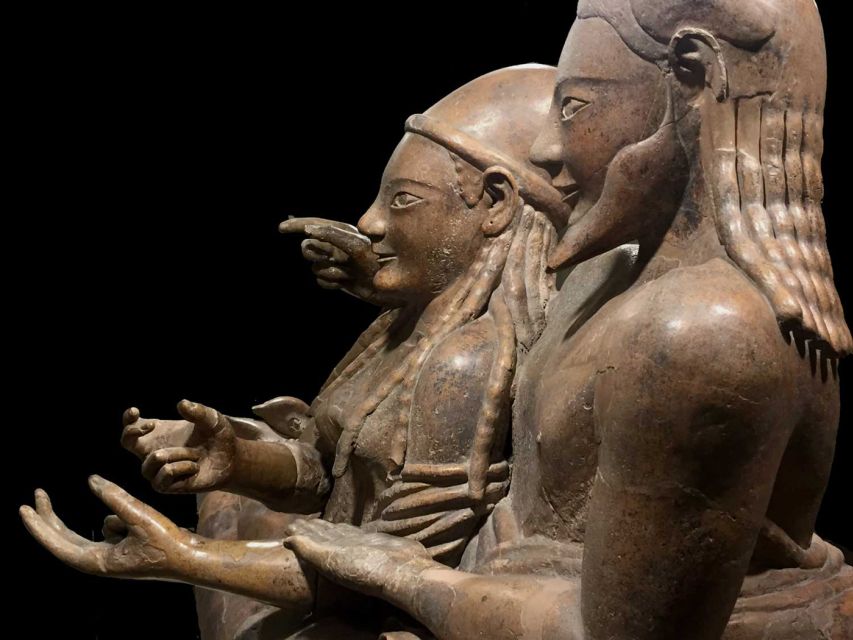
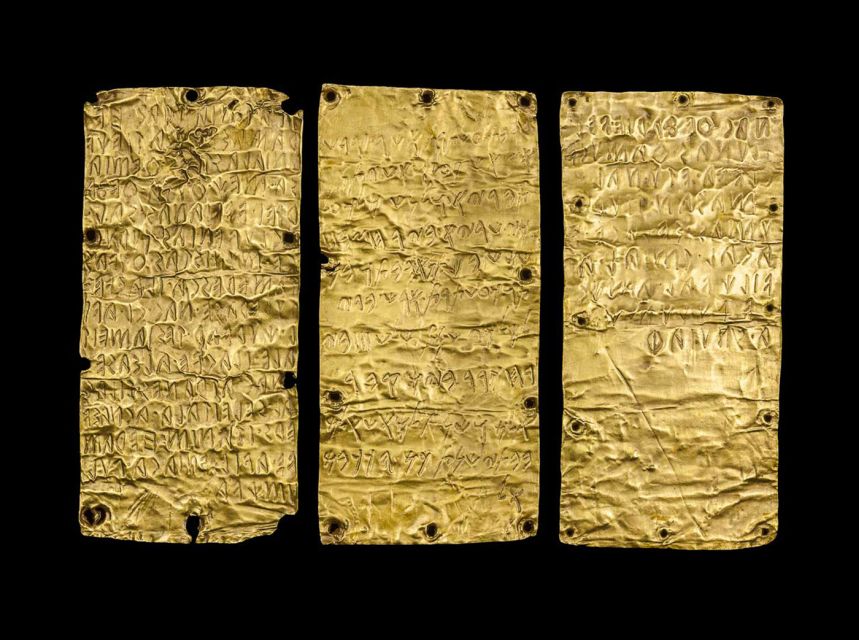
One of the most useful parts of the tour is the exhibition that focuses on Etruscan epigraphy. Epigraphy means writing—inscriptions carved or marked so you can trace language, names, and messages across time.
Why this is valuable for you: museums are often strongest when the guide connects form to meaning. Inscriptions are exactly that. They can give you a feeling for what the Etruscans wanted to say, not just what they looked like. Even if you can’t read Etruscan (most visitors can’t), an English or Italian guide can point out what the writing is doing—how it’s placed, how it’s used, and why it matters.
In a 2-hour private tour, this is a smart use of time. You’re not only hunting for famous artifacts; you’re learning how researchers approach the Etruscans through text.
The Sarcophagus of the Spouses From Cerveteri (520 BC)
If you want one artifact that acts like a chapter title, it’s the Sarcophagus of the Spouses from Cerveteri, dated to 520 BC. This isn’t just a famous object name on a list. It’s a major moment in the museum that anchors the rest of what you’ll see.
Here’s what makes it especially worth your attention: sarcophagi aren’t random containers. They’re part of how people remembered and represented status, identity, and relationships. In other words, it’s where art and social meaning meet death rituals.
A private guide helps you slow down at the right spot. Instead of rushing past it like a photo opportunity, you’ll get a guided look at why it’s celebrated and what it suggests about Etruscan life long before Rome’s imperial era.
Statues, Weapons, Sarcophagi, and Jewelry: Seeing the Big Themes
After the epigraphy section and the standout sarcophagus moment, the museum tour continues through a range of Etruscan material. You’ll see statues, weapons, sarcophagi, and jewels—each one revealing something different.
What I like about this approach for you: it prevents the “one-style museum” problem. Some museum tours can get stuck in only one lane—either burial art, or only decorative objects, or only heroic-looking things. This one spreads across categories, so you can start forming your own mental map of Etruscan culture.
A local guide also helps you notice patterns you might miss on your own. For instance, once you understand what writing and inscriptions can do, it’s easier to spot how other objects may communicate identity without literal text. And once you’ve seen one major sarcophagus, you’ll likely look at the rest with better questions: Who made it? Who paid for it? What did they want it to say?
You can also read our reviews of more museum experiences in Rome




How the 2-Hour Private Format Works for Real People
This experience runs about 2 hours for a private group. That length is a sweet spot if you’re trying to learn without burning half a day. For many visitors, a museum of this kind can feel overwhelming when it’s self-guided—there’s too much to choose from. A private guide gives you a focused path.
Because it’s private, you can ask follow-up questions when something catches your attention. That’s where value really shows up: you’re not stuck in a rigid script. The guide can adjust the pace based on what you want to spend extra time on—epigraphy details, the famous sarcophagus, or the broader collection.
Language is also part of the comfort level. The tour is offered live in English and Italian, so you’ll be able to match your experience to your comfort zone.
Price and Value of This $124.61 Private Tour
At $124.61 per person for a 2-hour private tour, the price can feel either fair or steep—depending on what you want out of your visit.
Here’s the value logic:
- Entry tickets are included. That removes one common friction point.
- You’re paying for a local guide, not just access to objects.
- The tour is private, so you’re not competing with a crowd for attention at the best pieces.
- You get a concentrated experience: Etruscan civilization context, epigraphy highlights, and a major artifact like the Sarcophagus of the Spouses.
Not included is what you’d expect: hotel pickup and drop-off. So your “true cost” is partly about how easily you can reach Villa Giulia yourself.
If you enjoy museums but dislike spending hours picking which rooms matter, this price starts to make sense fast. You’ll also get more out of Rome with less effort. Understanding the Etruscans before you hit major Roman sites is one of those time-saving moves that pays off later.
Practical Notes Before You Go
Bring passport or ID card for children. Also, the museum rules say no luggage or large bags are allowed, so travel light. If you’re carrying a backpack, keep it manageable and be ready to stow it according to museum rules.
If you have mobility limits, you’ll want to think carefully. This tour is not recommended for people with limited mobility, and it’s not suitable for wheelchair users. The museum is a better choice when you can comfortably navigate a traditional museum environment.
Who This Tour Fits Best
This private tour is a great match if you:
- Want a guided path through a major museum without spending the whole day deciding where to go.
- Like learning through specific highlights—especially when epigraphy is part of the program.
- Enjoy seeing how an earlier culture sets the stage for what came later in Rome.
It’s also a smart choice for couples or friends who want the museum to feel like a conversation, not a sprint.
Should You Book This Etruscan Museum Private Tour?
I’d book it if you want a focused, high-impact introduction to the Etruscans at Villa Giulia—especially if you care about epigraphy and want your visit to connect artifacts to meaning. The 2-hour private format is practical, and the included entry ticket removes stress.
Skip it only if you need wheelchair-friendly access or you prefer to explore museums entirely on your own, at your own pace. If you fall into either of those camps, you may find a self-guided visit easier.
If you’re open to using a local guide to do the choosing for you, this is a strong way to understand a civilization that sits right before Rome’s empire era—and to walk away with a few images and ideas you’ll remember.
FAQ
How long is the National Etruscan Museum private tour?
The tour lasts about 2 hours, with starting times depending on availability.
Where do we meet the guide?
Arrive about 15 minutes early. Your guide waits in front of the museum entrance with a sign showing the tour name.
Is entry included?
Yes. Entry tickets are included in the tour price.
What’s the group size like?
It’s a private group tour.
Do I get hotel pickup or drop-off?
No. Hotel pickup and drop-off are not included.
What languages are the guides?
The live guide is available in English and Italian.
Is the tour suitable for wheelchair users or limited mobility?
It is not recommended for people with limited mobility, and it is not suitable for wheelchair users.
What should I bring, and are bags allowed?
Bring passport or ID card for children. Luggage or large bags are not allowed.
Can I cancel for a refund?
Yes. You can cancel up to 24 hours in advance for a full refund.