REVIEW · ROME
6-Day Venice, Garda & Northern Italy Small-Group Tour from Rome
Book on Viator →Operated by Rabbie's Small Group Tours Ireland · Bookable on Viator
Nothing says Italy like moving through it slowly. This Rome-to-Milan small-group route strings together Venice, Bologna, and the quieter side of Northern Italy with a mix of guided time and free time where you can wander. I like that you’re in a small group (16 max) on a comfortable mini-coach, and I really appreciate the built-in guidance—especially the included two-hour Venice walking tour.
There’s one trade-off to plan for: you’re going to be in transit more than you might expect. Also, meals aren’t included, and several of the most fun add-ons are optional (boat on the Po, gondola, tastings), so your total cost can creep up if you say yes to everything.
In This Review
- Key highlights worth caring about
- A smart Rome-to-Milan route that avoids backtracking
- Orvieto and Piantravigne: your first taste of the Italy that isn’t trying too hard
- Ravenna mosaics and Bologna porticoes: the mind-and-mouth combo
- Gorino and Este before Venice: nature and walls, then the water city magic
- Venice with an included guide: how to see the city instead of just photos
- Villa Pisani plus Prosecco and Grappa country: where tasting becomes part of the story
- Verona and Lake Garda: romance, Roman vibes, and mountain views
- Price and what you’re actually paying for (value check)
- Who this tour suits best
- Should you book this tour
- FAQ
- How many days is the tour?
- Where does the tour start and end?
- What time does the tour start?
- How big is the group?
- Is transportation included?
- What’s included in terms of lodging?
- Is the Venice walking tour included?
- Is Villa Pisani entry included?
- Are meals included?
- Are there optional activities?
Key highlights worth caring about
- A max-16 group that feels personal without feeling chaotic
- Two-hour guided Venice walk so you see more than landmarks
- Villa Pisani entry included (late Baroque eye candy)
- Big-food stops where lunch and drink options are part of the day
- Optional River Po boat for birds and calm nature time
- Finish in Milan, which helps if you want to continue onward by train or flight
A smart Rome-to-Milan route that avoids backtracking
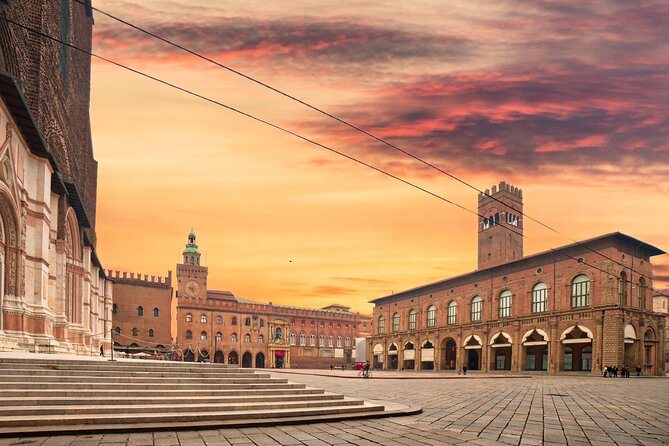
This tour is designed like a loop: you start in Rome, head north through several distinct regions, and end in Milan. That matters because it keeps travel days from feeling like you’re retracing steps. You’re also on a luxury mini-coach with a local driver, so you don’t have to stress about transfers, schedules, or finding the next pickup spot.
What makes this route especially appealing is the mix of well-known cities and smaller, scene-setting stops. You get major architecture and world-famous art cities, then you also get places like Orvieto’s wine country views and the slower pace around Lake Garda. It’s a good balance if you want Northern Italy to feel like a place, not just a checklist.
Also, you’re traveling as a small-group tour (16 max). That’s the difference between feeling like a face in a crowd and actually being able to ask quick questions and get help when plans shift.
You can also read our reviews of more tours and experiences in Rome.



Orvieto and Piantravigne: your first taste of the Italy that isn’t trying too hard
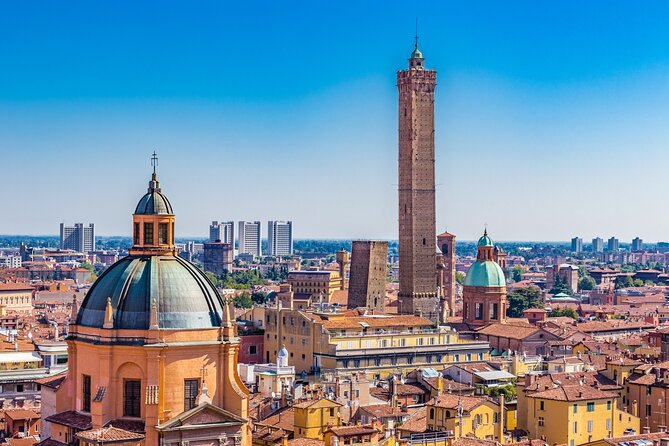
Day 1 starts with Orvieto, a town that’s known for being remarkably intact and easier to enjoy than many big cities. You can choose to visit the colourful cathedral, then use the rest of the time at your own pace. Even if you skip the cathedral, Orvieto’s setting and walkability make it a solid way to shake off Rome intensity.
Your route also includes Parco Naturale Le Balze, known for its dramatic “balze” rock peaks and scenic viewpoints. There’s also a Leonardo da Vinci connection tied to the landscape. You don’t need to be an art-history nerd to enjoy this part; it’s more about getting out of the city and seeing Italy’s geology and views up close.
Lunch is handled in the tiny hamlet of Piantravigne. The key here is that this stop is framed as authentic, not a tourist factory. You’ll have time to eat well and not feel rushed, which sets you up for the next stretch north to Bologna.
Watch-out: day 1 is packed with stops, so keep your energy up and don’t overbook dinner plans in Bologna. You’ll likely want an easy evening after a full day of moving around.
Ravenna mosaics and Bologna porticoes: the mind-and-mouth combo
Day 2 gives you two very different flavors.
First up is Ravenna with a half-day option in the morning. Ravenna is famous for mosaics that mix early Christian and Byzantine influences, and it has multiple UNESCO sites. It’s also the town where Dante Alighieri is buried, which gives the visit a concrete historical anchor instead of vague atmosphere.
Then you head to Bologna for the afternoon and evening on your own. Bologna’s main superpower is its long, UNESCO porticos—great for strolling, and a lifesaver if the weather changes. You also get the chance to connect food and culture: Bologna is where you can go after classic comfort dishes like Ragu alla Bolognese.
Bologna is also tied to learning. The included highlights point to the University of Bologna as the oldest in the Western world and a place linked with major thinkers. Even if you only skim the university area and don’t go deep into classrooms, it helps you understand why Bologna feels different from other Italian food cities.
Possible drawback: Bologna gives you freedom time, which is great—but it also means you’ll want a simple plan. If you just wander with no direction, you might cover a lot of streets and feel like you saw everything and nothing.
Gorino and Este before Venice: nature and walls, then the water city magic
Day 3 leans into variety again.
You start at Gorino, where you can join an optional boat trip along the River Po. This isn’t just a pretty ride. The wetlands are a chance to spot rare migratory birds, so it’s a nature stop with a purpose. If you like animals and quiet scenery more than one more museum room, this is a smart choice.
After that, you move to Este, a picture-perfect town with a history that spans thousands of years. You have free time to amble along city walls or visit a moated medieval castle. This is a good reset after the boat option—more open-air strolling, more time to breathe, less “look but don’t touch.”
Then you finally reach Venice, where you stay for the next two nights. Venice at night is its own mood shift. Once the daytime rush fades, the canals feel quieter and the city has space to feel eerie, romantic, and human at the same time.
Tip for your own pacing: if you can, plan one evening walk without a destination. Venice is made for that kind of wandering.
Venice with an included guide: how to see the city instead of just photos
Venice is the headline for a reason. With hundreds of canals and a city layout built on islands, the place can be overwhelming if you show up with only a map app. This tour solves that by including a two-hour guided walking tour.
That guided time matters because it helps you understand how Venice is organized—where to orient yourself, what streets connect smoothly, and which areas you’ll want to revisit later. It’s the kind of guidance that turns a first-timer day into a smarter second pass.
After the walk, the rest of your time is yours. You can enjoy Piazza San Marco, explore galleries, people-watch, and pick your own rhythm without feeling tethered to a schedule. There’s also an optional gondola ride, which you can treat as a treat rather than a requirement.
Consideration: Venice is walk-heavy and involves lots of compact streets. If your body doesn’t love hills and stone steps, plan slower breaks. Also, keep some cash-free options in mind because you’ll be making spontaneous choices on streets and near plazas.



Villa Pisani plus Prosecco and Grappa country: where tasting becomes part of the story
Day 5 starts with Villa Pisani, and the big win is that entrance is included. This late Baroque property is tied to Napoleonic history too, since Napoleon owned it and gave it as a gift. The point isn’t just “look at a fancy building.” It’s how art, power, and wealth show up in real architecture—more tangible than a photo.
Next comes the drink-country region around Valdobbiadene, famous for Prosecco. You have free time here, plus an option for an exclusive Prosecco tasting (not included). If you do choose the tasting, it fits perfectly after a grand villa stop: you’re moving from visual luxury to something you can actually enjoy.
After that, you head to Bassano del Grappa. The day continues with an optional Grappa tasting. If you’re done sampling spirits, the town still gives you a payoff: you can spend time admiring the castle and the famous old bridge instead.
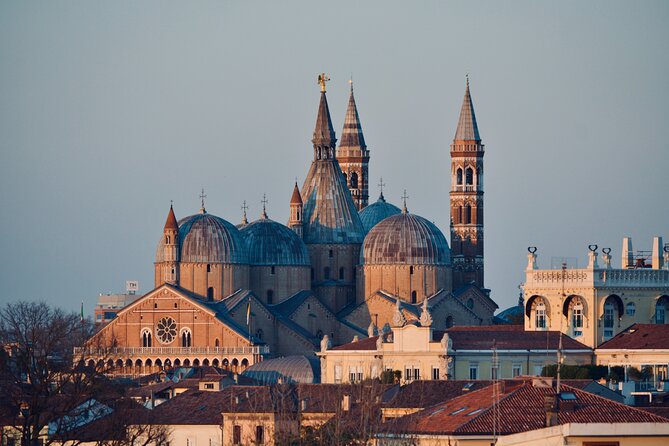
Then it’s on to Padua for your stay. Padua is described as sitting at the crossroads of science and religion, and it includes the burial of St Anthony. The Renaissance-era scientific discoveries link the city to big intellectual themes.
Possible drawback: if you’re the type who hates timing pressure, you might want to think carefully about booking optional tastings. You’ll want enough room in the day to enjoy the towns themselves, not just treat them like fuel stops.
Verona and Lake Garda: romance, Roman vibes, and mountain views
Day 6 moves from cities to scenery.
You start with Verona, tied to the Romeo and Juliet story. You’ll have time to see the famous balcony area and spend time in the ancient piazzas. You can also admire the Roman Colosseum-style structure in Verona, so the stop works even if you’re not planning a Shakespeare-themed day.
After Verona, the tour shifts to Lake Garda. This is framed as crystal-clear water with Dolomites views, and it’s the kind of place artists and travelers have loved for a long time. You also have a second Garda-area stop in Erbusco, again with time to enjoy the setting.
Practical note: Lake Garda can feel scenic in different ways depending on where you are. If you want photos, take advantage of any viewpoint time you get right away. Waiting for later can mean the light changes and your angle options shrink.
The tour ends in Milan, dropped at AC Hotel Milan Sesto. That’s helpful if you’re using Milan as your transport hub after your trip.
Price and what you’re actually paying for (value check)
At $2,757.65 per person for an approximately six-day tour, this isn’t a budget deal. It’s a mid-range, comfort-forward option. Here’s what you get that makes the price feel more justified:
- Small-group touring (max 16), not a bus full of strangers
- Transport in a luxury mini-coach with a local driver
- 5 nights in a 3/4-star hotel with continental breakfast and tourist tax included
- A two-hour guided walking tour of Venice
- Entrance to Villa Pisani
On top of that, many attraction stops are indicated as free or included in the schedule, which helps keep your daily stress down. But meals and many upgrades are not included, so you’ll still need to budget for lunch/dinner and any optional tastings or boat/gondola rides you choose.
For value, the biggest win is the combination of comfort (mini-coach), structure (guides and included entrance), and freedom (your own time in cities like Bologna and Venice).
One real drawback for value-seekers: if you skip optional tastings and boats, the trip can still feel like a lot of moving around. You’re paying for the route and logistics as much as for the attractions.
Who this tour suits best
This is a great fit if you want Northern Italy with a plan, but not a cage.
You’ll probably love it if:
- You like mixing big-ticket cities (Venice, Verona, Bologna) with smaller, less predictable stops
- You appreciate guided time for orientation, especially in Venice
- You want a comfortable small-group coach experience without wrestling public transit between cities
- You enjoy food and drink culture enough to consider optional Prosecco and Grappa tastings
It may be less ideal if:
- You hate travel days and want minimal time on the road
- You’re a strict budget traveler because meals and optional activities aren’t included
- You need more than walking-based city exploring (the schedule involves plenty of strolling)
Also, this is an adult-focused tour. The operator notes they can’t permit under 18 due to included activities.
Should you book this tour
I’d book it if you want a smooth, well-paced introduction to Northern Italy from Rome to Milan, with Venice handled the right way. The small-group size, the included Venice walking tour, and the fact that Villa Pisani entry is covered are the three biggest reasons this feels more than a simple bus ride.
If you’re flexible about meals and you’re willing to pay for a few optional treats, this tour can turn into a very satisfying week: cathedral views, mosaic wonders, portico strolling, and enough time in Venice to enjoy it after the day crowds thin out. If that sounds like your style, this one is worth your attention.
FAQ
How many days is the tour?
The tour runs for 6 days (approx.).
Where does the tour start and end?
It starts in Rome at Sheraton Rome Parco de’ Medici and ends in Milan at AC Hotel Milan Sesto (Milan Drop Off).
What time does the tour start?
The start time is 8:30 am.
How big is the group?
The maximum group size is 16 passengers.
Is transportation included?
Yes. You travel by luxury mini-coach with a local driver.
What’s included in terms of lodging?
You stay in 3/4-star hotels for 5 nights, with continental breakfast included (tourist tax included).
Is the Venice walking tour included?
Yes. There is an included two-hour guided walking tour of Venice.
Is Villa Pisani entry included?
Yes. Entrance to Villa Pisani is included.
Are meals included?
No. Meals and refreshments aren’t included.
Are there optional activities?
Yes. The schedule includes optional choices such as a boat trip along the River Po, a gondola ride in Venice, a Prosecco tasting in Valdobbiadene, and a Grappa tasting in Bassano del Grappa.