REVIEW · ROME
Rome: Gourmet Food Tasting at Magazzino Scipioni
Book on GetYourGuide →Operated by Arcadia Tour Operator e DMC · Bookable on GetYourGuide
Wine and bites in the middle of Rome. This tasting is built around four regional wines and classic Roman food, served in a tight, friendly setting. I like the way the lineup moves across Italy, and I really like that the pairing isn’t generic supermarket snacks. One thing to consider: it’s a food-and-wine format with alcohol, so it’s not a fit for pregnant women.
You get a lot for the time. At about 1.5 hours with a small group (up to 10), it’s designed to be relaxed, not rushed, while still hitting the main courses: pasta, a Fassona meatball, and dessert. Service gets repeated praise for being sharp and welcoming, and the wines get called excellent for a reason. The biggest drawback is simple: minors aren’t allowed, so this is strictly an adult evening plan.
In This Review
- Key Things I’d Plan Around
- Where Magazzino Scipioni Works in Rome
- Your Tasting Flow: Wines First, Then Real Roman Courses
- Four Italian Wines That Teach You Fast
- PDO Cheeses and Cured Meats: The Pairing Class You Actually Want
- Roman Pasta Course: Cacio e Pepe, Carbonara, or Amatriciana
- Fassona Meatball: A Hearty Second Course From Piedmont
- Dessert to Close the Deal
- Price and Value: Is $54.66 a Fair Deal?
- Who This Works Best For (And Who Should Skip It)
- Booking Tip: Make It Part of Your Rome Day
- Should You Book Magazzino Scipioni’s Tasting?
- FAQ
- How long is the Rome Gourmet Food Tasting at Magazzino Scipioni?
- What’s included in the tasting?
- What kind of pasta is served?
- What is the second course?
- Are minors allowed to join?
- Is it suitable during pregnancy?
- How big is the group?
- What languages are used during the experience?
- Where is the activity and is it wheelchair accessible?
Key Things I’d Plan Around
- Four wines, four regions: you taste Italy’s variety fast, without doing a full wine tour day.
- PDO cheeses and cured meats: you’re not just drinking; you’re learning how the flavors work together.
- Roman pasta choice: you may get classics like cacio e pepe, carbonara, or amatriciana.
- Fassona meatball course: Piedmontese Fassona beef shows up in a hearty, satisfying second course.
- Small group size: limited to 10, so you can ask questions and stay engaged.
- Easy-to-like value: the price-to-food-and-wine mix is a strong point.
Where Magazzino Scipioni Works in Rome
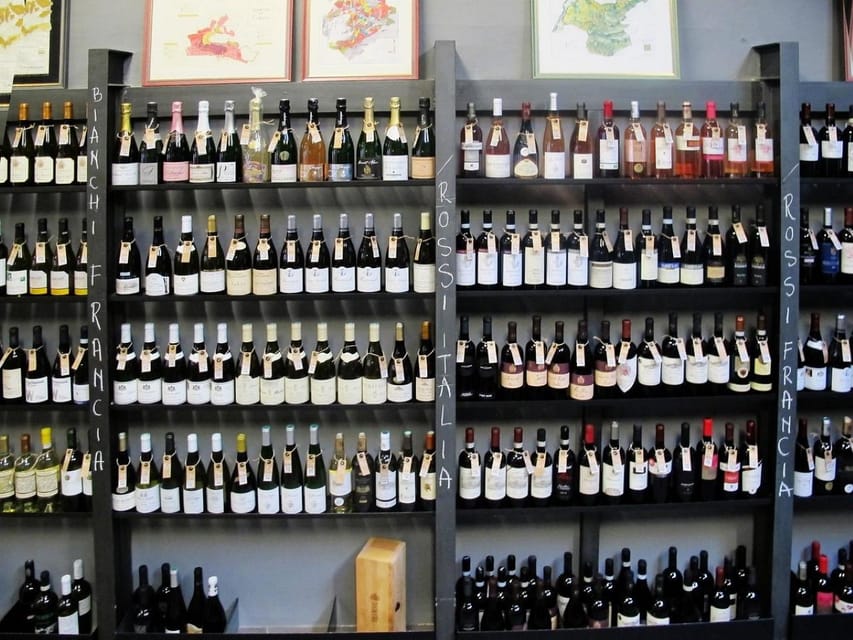
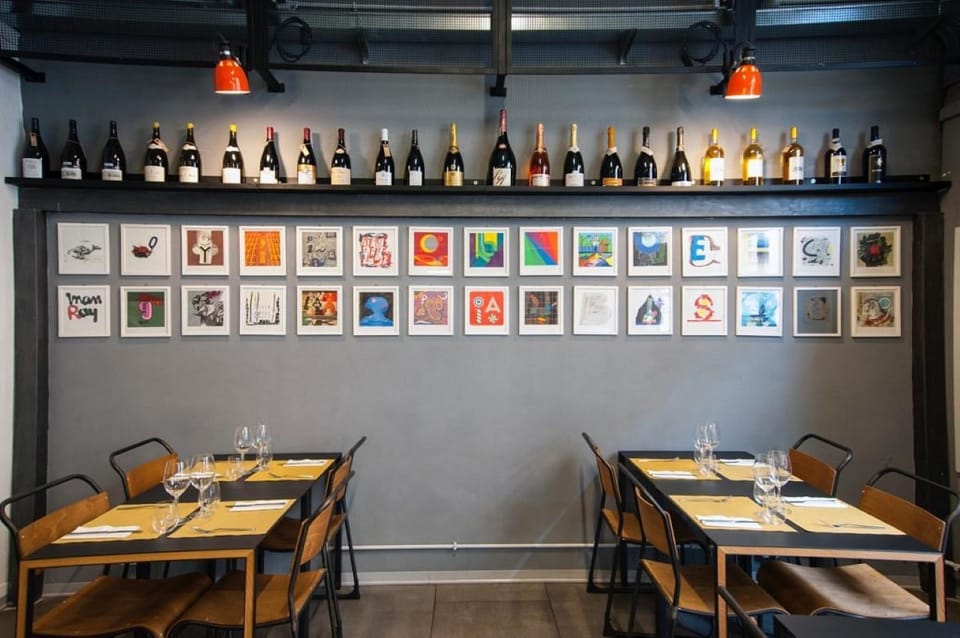
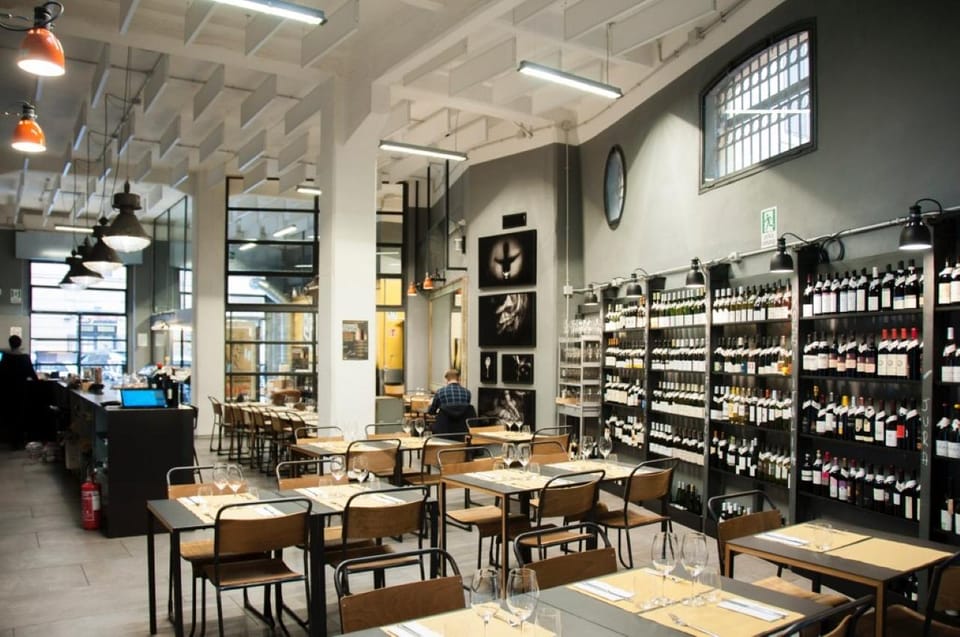
Magazzino Scipioni is set up for people who want Italian wine and food in one focused stop, not a long night hopping around the city. It’s in the heart of Rome, described as just a few steps from major historical sights, which matters because you can slot it in without losing half your day to transit.
The atmosphere is described as “urban elegance,” but the tone stays welcoming and straightforward. In other words, you’re not expected to know wine lingo to have a good time. You’re there to taste, compare, and learn what you like.
Because the experience runs about 1.5 hours, it also fits well on days when you’ve got your Roman sightseeing checklist already in motion. You can go see the big sights earlier, then come back for a meal that feels like it belongs in Italy rather than at it.
You can also read our reviews of more food & drink experiences in Rome


Your Tasting Flow: Wines First, Then Real Roman Courses
This experience follows a clear rhythm: wine tasting paired with traditional bites, then a Roman first course, then a second course built around a Fassona beef meatball, and finally dessert.
That structure is a big deal. A lot of tastings stop at cheese and small bites. Here, the food ramps up into actual courses. You’ll leave full enough to feel like you had dinner, not just a snack with a pour.
The format also keeps you from getting stuck in one lane. You’ll be thinking about acidity, tannins, and how fats and salts change a wine’s flavor—while also chewing on food that’s unmistakably Italian.
And yes, you’ll taste alcohol. The host or greeter speaks Italian and English, so you’re not left guessing what you’re tasting or how to pair it.
Four Italian Wines That Teach You Fast
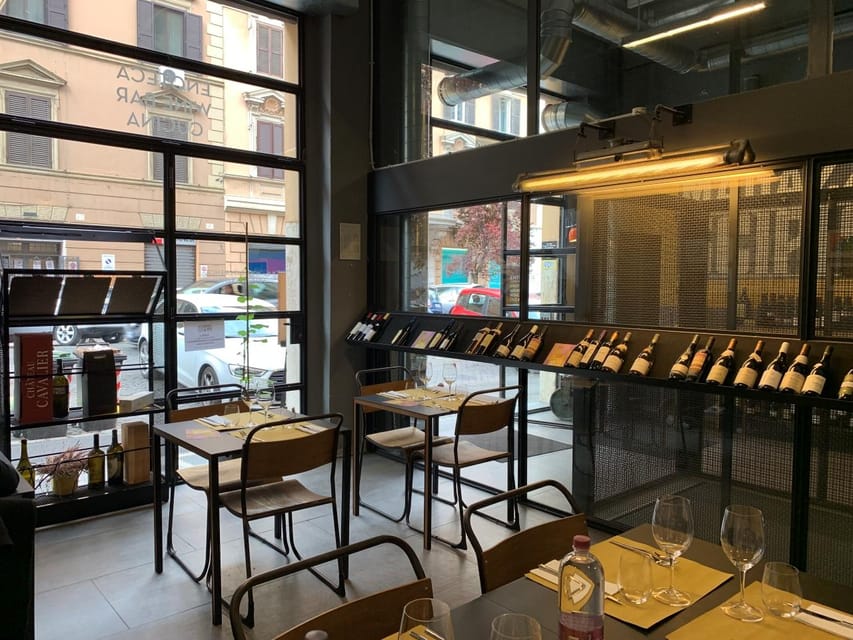
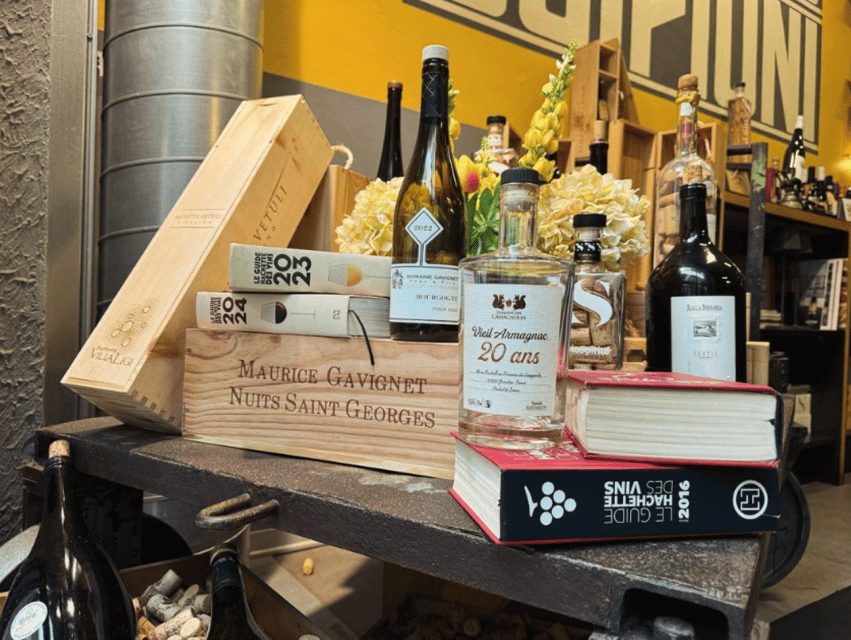
The core of the experience is a tasting of four carefully selected Italian wines, each connected to a different wine-growing region. The description calls out a range that can include bold reds from Tuscany and crisp whites from the Veneto, which is exactly the kind of spread that helps you understand Italy’s diversity quickly.
Here’s what you should pay attention to as you taste:
- How the wines change from region to region (not just from red to white).
- How each wine behaves with salty cured meats and fatty cheeses.
- Whether you prefer fuller, bolder styles or the brighter, crisper ones.
This is practical learning. You’re not memorizing names for a test. You’re training your palate for your next bottle purchase or restaurant order. If you know you like a certain style now, you’ll order easier later in Rome.
Also, with only four wines, the session stays focused. You’re not stuck for 3 hours comparing 12 glasses. It’s a smart length for real life.
PDO Cheeses and Cured Meats: The Pairing Class You Actually Want
Between the wines, you’ll have a selection of PDO (Protected Designation of Origin) cured meats and cheeses. The specific items mentioned include aged Parmigiano Reggiano, creamy Taleggio, and artisan salumi.
This part matters because those ingredients are built for pairing. Parmigiano Reggiano brings sharp, nutty intensity. Taleggio is softer and creamier, so it can make certain wines taste rounder. Salumi adds salt and savory depth, which can sharpen wine flavors.
If you’ve ever wondered why people say food can “bring out” fruit or make wine feel smoother, this is where you’ll see it. The cheeses and cured meats give your palate a consistent base, so your comparisons between wines get clearer.
The pairing also helps you understand a Rome-specific reality: a lot of Italian eating is about balance—salt with fat, and fat with acidity. When you match the right wine, the whole bite feels more complete.
Roman Pasta Course: Cacio e Pepe, Carbonara, or Amatriciana
After the wine-and-bite portion, the tasting moves into a Roman first course. This part is a highlight if you want the food to feel like Rome, not just Italian food in general.
You may have one of these classics:
- cacio e pepe
- carbonara
- amatriciana
These are all simple on paper—ingredients you can name—but they’re demanding in execution. That’s why pasta like this works well in a tasting setting: it’s memorable, it’s unmistakably regional, and it doesn’t take forever to serve so you stay on schedule.
If you’re ordering in Rome later, this is useful. You’ll taste a baseline version of the dishes and get a sense for what you personally prefer: more pepper-forward, more egg-and-cheese rich, or more tomato-and-savory depth.
One practical consideration: pasta can fill you up fast when you’ve also been tasting wine. So pace yourself. Take smaller bites at first, then let the pasta land when you’re ready.
You can also read our reviews of more tours and experiences in Rome





Fassona Meatball: A Hearty Second Course From Piedmont
Then comes the second course: a Fassona beef meatball. The description says it’s made from premium Piedmontese beef, known for tenderness and flavor.
This course is where the tasting turns from “fun” into “dinner.” After cheese, cured meats, and pasta, you get something warm, savory, and deeply satisfying. It also balances the earlier courses. If the pasta feels rich (and it can), the meatball brings a different texture and meaty depth.
You should enjoy this part even if you’re not a wine fan. Many people come for the tasting, but the food is what makes the whole thing feel worth repeating.
Also, it’s a good moment to think about the wines again. The meatball’s richness is the kind of food that can change how you perceive a wine’s structure.
Dessert to Close the Deal
A traditional Italian dessert wraps it up. The specific dessert isn’t named in the details you provided, but the role is clear: a sweet finale that balances the savory meal.
In a tasting format, dessert can either feel like an afterthought or like the payoff. Here it’s included as a proper part of the experience, which is a sign they’re aiming for a full course meal experience rather than token sampling.
If you’ve been tasting wine, dessert is also a nice reset for your palate. It helps you end the session feeling satisfied, not just “full of cheese.”
Price and Value: Is $54.66 a Fair Deal?
At $54.66 per person, you’re paying for more than a sip-and-snack activity. You’re getting:
- 4 Italian wines
- pasta (with a Roman classic)
- a Fassona beef meatball course
- dessert
- cheeses and cured meats paired with the wines
That value equation matters because many wine experiences in Rome are light on actual food. Here, the menu is built like a meal, and the wine portion gives it the “tasting” identity.
The price also makes sense given the structure: a small group capped at 10, a 1.5-hour format, and alcohol included. If you’d otherwise pay separately for dinner plus a glass (or two) of wine, this starts to look like a time-saver as well as a money-saver.
One more point: reviews highlight excellent wines and exceptional service, and that combination tends to correlate with value. If the food arrives well and the pairing is thoughtful, the experience lands as worth your time.
Who This Works Best For (And Who Should Skip It)
This tasting is a good match if you want:
- a short, high-impact food-and-wine experience in Rome
- classic Roman flavors
- a structured way to learn how Italian wines pair with Italian ingredients
- a small group setting
It’s not for everyone. Based on the provided details, it’s not suitable for pregnant women, and minors are not allowed (also not for children under 18). So treat it as an adult evening plan.
If you’re traveling solo, you’ll still get a group pace and a guided flow, but the small size helps you feel less like you’re being processed. If you’re a couple, it’s a nice date-style option because you get conversation space and a clear sequence of courses.
Booking Tip: Make It Part of Your Rome Day
Because it’s about 1.5 hours, I’d plan it around a day when you already have a route through central Rome. Think: sights first, then food-and-wine. You’ll get the best of both worlds without turning your whole day into a logistics puzzle.
Also, because the host or greeter speaks Italian and English, it’s a good choice if you want guidance but still like understanding what’s in front of you.
And if you’re watching your schedule, take comfort in the experience design. It’s not a half-day commitment. It’s a focused sit-down with multiple courses, which is exactly what many people want after a full sightseeing morning.
If you’re choosing between this and a heavier dinner plan, this tasting is often the smarter “starter course” to your evening because it gives you a guided pairing and a complete meal arc.
Should You Book Magazzino Scipioni’s Tasting?
Yes, you should book it if you want a compact Rome experience where the wine tasting isn’t just window dressing. The best reasons are the ingredients and the format: four Italian wines, PDO cheeses and cured meats, a real Roman pasta course, a Fassona meatball second course, and dessert, all in a small group.
Skip it only if you can’t do alcohol or you need a kid-friendly option. Also, if you prefer a fully flexible restaurant dinner with zero structure, this may feel more guided than you want.
If you’re aiming for a tasting that feels genuinely Italian and doesn’t eat up your whole day, this one is an easy yes.
FAQ
How long is the Rome Gourmet Food Tasting at Magazzino Scipioni?
It lasts about 1.5 hours. Starting times depend on availability.
What’s included in the tasting?
You get 4 Italian wines, pasta, a Fassona meatball, and dessert. The experience also includes traditional Italian bites paired with the wines.
What kind of pasta is served?
The pasta course is described as a traditional Roman first course, with options that may include cacio e pepe, carbonara, or amatriciana.
What is the second course?
The second course is a Fassona beef meatball, made from premium Piedmontese beef.
Are minors allowed to join?
No. Minors are not allowed to participate in this experience, and it is not suitable for children under 18.
Is it suitable during pregnancy?
No. It is not suitable for pregnant women.
How big is the group?
It’s a small group limited to 10 participants.
What languages are used during the experience?
The host or greeter speaks Italian and English.
Where is the activity and is it wheelchair accessible?
It takes place in the heart of Rome, and it is wheelchair accessible.