REVIEW · ROME
Rome: Five Shapes of Pasta Cooking Class in Ancient Tavern
Book on GetYourGuide →Operated by Professional Lab Pasta Experience · Bookable on GetYourGuide
Fresh pasta in Rome, but hands-on. In this 3-hour class in an 1800s osteria turned cooking school, you make five pasta shapes from scratch, learn the rolling technique with a wooden pin, then sit down to the meal you created.
I particularly like the mix of practical skills and good party energy. You knead, roll, cut, and form classic shapes like ravioli and tortellini, and the chef keeps things light with clear, step-by-step guidance (Chef Emanuele, with sous chef Angelo, are a big part of the fun).
One thing to consider: this is not the kind of show where you just watch. You will stand and work at a table for the full session, so if mobility is limited, you may find it tough.
In This Review
- Key Points You Should Know
- Inside an 1800s Osteria Cooking School, Right Where Rome Eats
- Meeting at Cucina: How the Class Starts
- The Main Event: Five Pasta Shapes, Made From Scratch
- Rolling the dough with a wooden pin
- Ravioli, agnolotti del plin, tortellini, cappelletti, fettuccine
- Two sauces, explained while you work
- The Meal You Eat: Prosecco, Cheese, Wine, and Dinner Plates
- Express Tiramisu: A Fast Dessert That Still Feels Italian
- Who Teaches You Matters: Chef Emanuele and Angelo’s Style
- Price and Value: Is $67.19 Worth It?
- Practical Tips So You Enjoy the Rolling, Not Fight It
- Is This Pasta Class Right for You?
- Should You Book This Rome Five-Shape Pasta Class?
- FAQ
- How long is the Rome pasta cooking class?
- Where do we meet for the class?
- How many people are in the group?
- What pasta will I make during the class?
- What’s included in the price?
- Are pets allowed?
- Is the class suitable for mobility impairments?
Key Points You Should Know
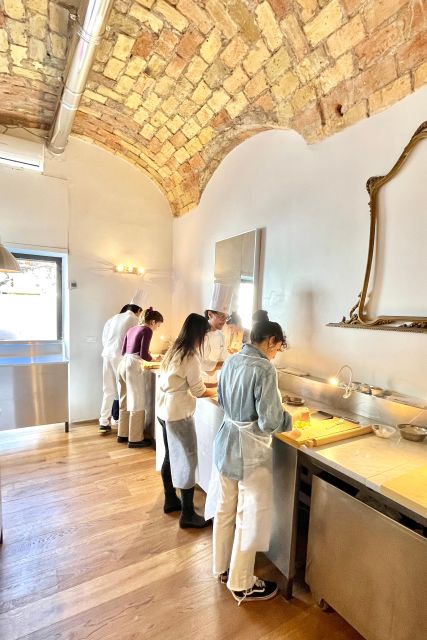
- Five handmade pasta shapes: the class focuses on real formation skills, not just one easy dough trick
- Wooden rolling-pin technique: you learn how to get thin sheets and manage the dough as it changes texture
- Two sauces plus a full meal: you taste your results, then eat a full Italian lunch or dinner
- Prosecco, cheese, and wine: the aperitivo and pairing are built into the experience
- Small group size: limited to 10, which means real attention while you’re working
Inside an 1800s Osteria Cooking School, Right Where Rome Eats
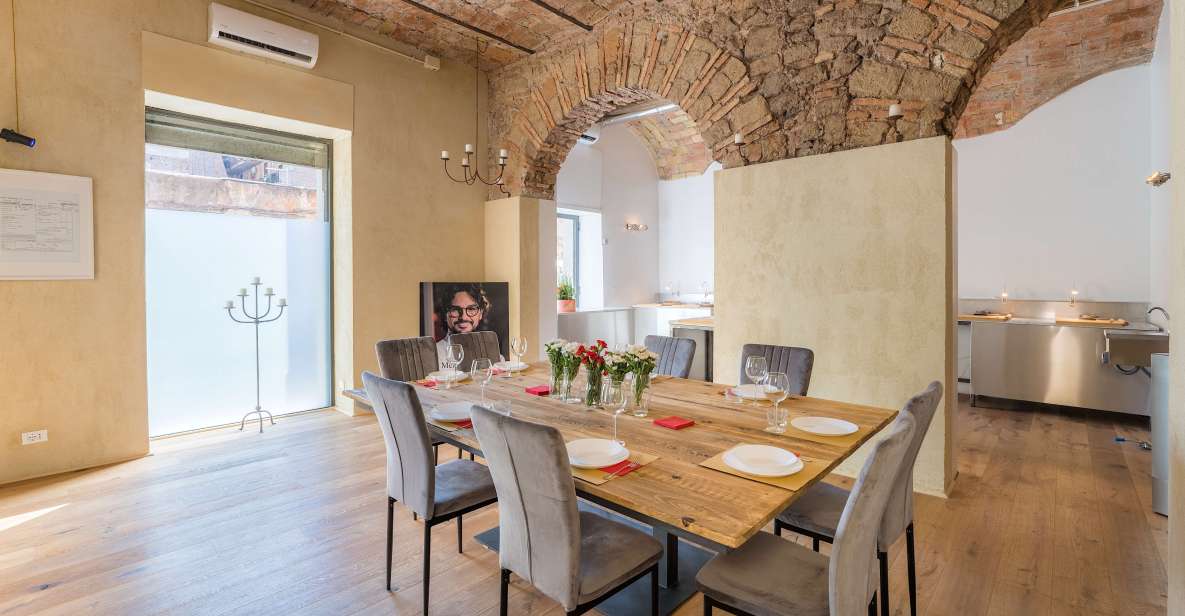
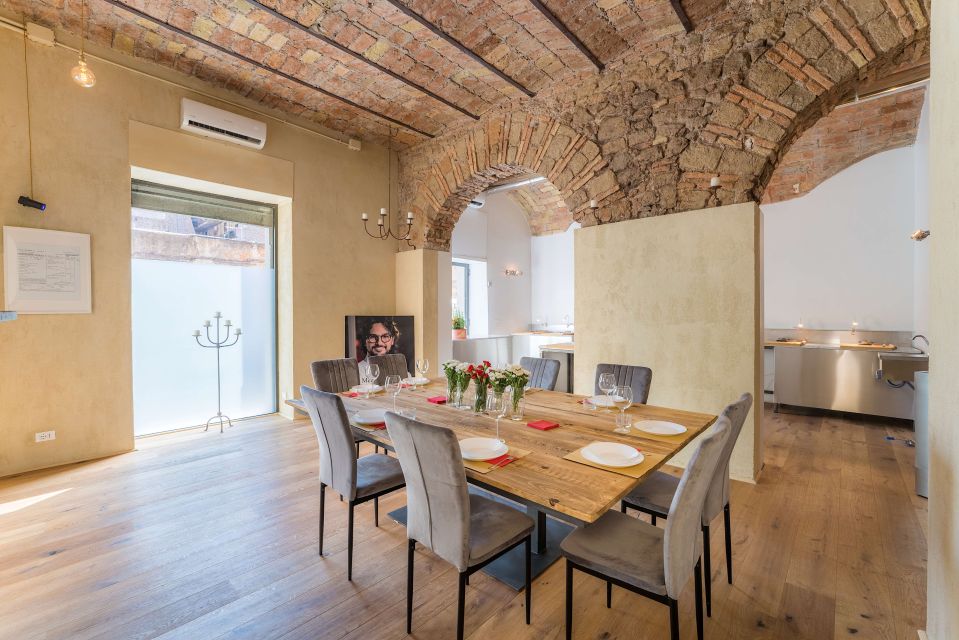
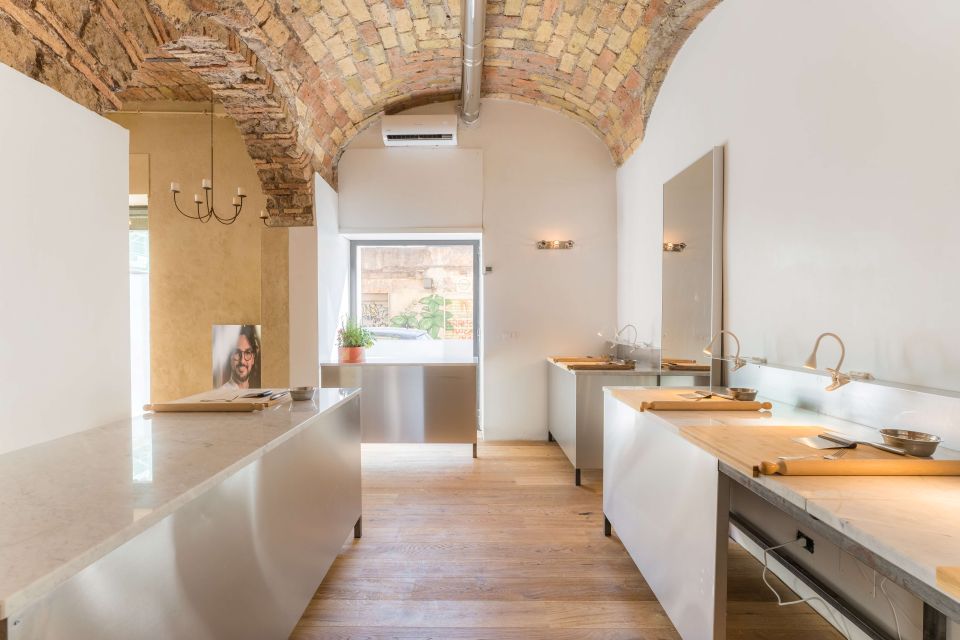
This Rome pasta-making class takes place in an Antica Osteria founded in the late 1800s. That matters more than it sounds. You’re not in a generic classroom; you’re in a real tavern space that’s been converted into a cooking school, so the experience feels like you stepped into an old-school dinner ritual—then got a lesson at the table.
The class also has food-safety credibility: it’s HACCP certified for food hygiene and safety (certified in 2020). That gives you peace of mind when you’re handling raw dough, cutting ingredients, and preparing components you’ll eat right after.
The length is about 3 hours, and sessions run at different starting times based on availability. Plan your day around that block. If you cram in a major museum sprint first, you’ll feel it when you start kneading.
You can also read our reviews of more cooking classes in Rome

Meeting at Cucina: How the Class Starts
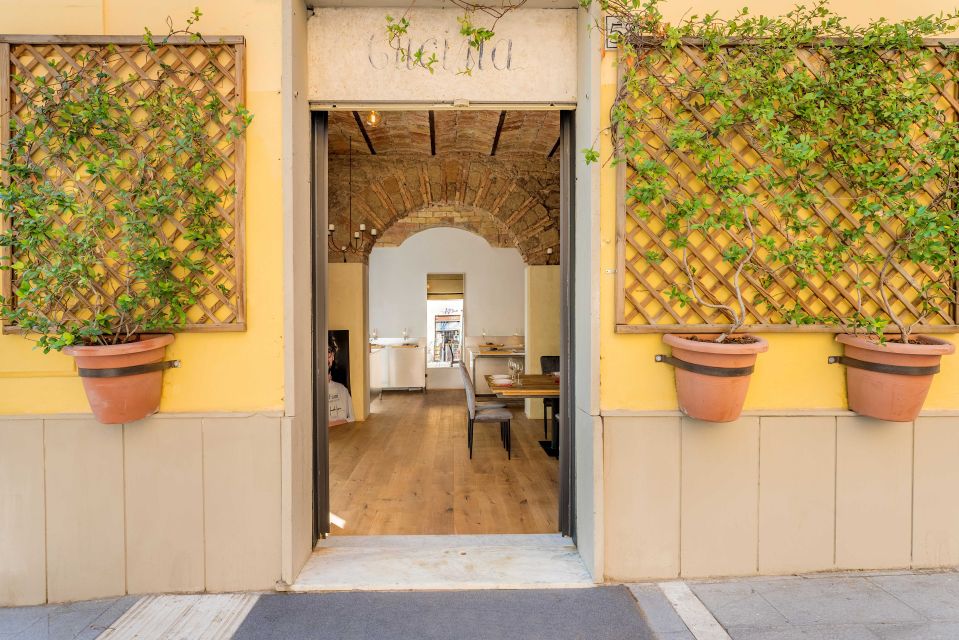
You meet at the Old Osteria named Cucina. You’ll spot the original osteria sign carved in marble above the entrance. It’s a simple start, but it helps you find the place fast—especially in a city where street names and entrances can be sneaky.
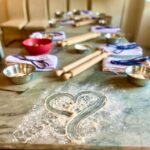
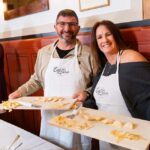
From the moment you arrive, the vibe is hands-on and friendly. The space is set up for small-group cooking, and the chefs coach you while you work. A big practical bonus is the included complimentary chef hat with the logo of Pastificio Faini. It’s silly in the best way, and it also signals you’re there for a real culinary workshop, not a quick demo.
You’ll also get an early aperitivo-style moment before the heaviest work begins: prosecco and Italian cheese as part of the appetizer. It’s one of those Rome touches that makes the class feel like an evening meal you’ve earned, not an activity that steals your time.
The Main Event: Five Pasta Shapes, Made From Scratch
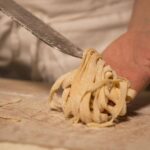
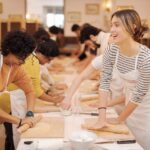
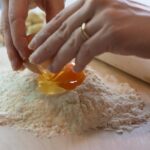
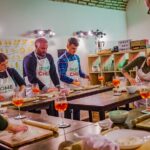
This is where the class earns its reputation. You create a thin dough sheet and then turn it into classic Italian shapes. The chef shows and explains each step, and you do the work—rolling, cutting, and forming—so you leave with muscle memory, not just instructions.
Rolling the dough with a wooden pin
You’ll roll out the dough sheet using a wooden rolling pin and a professional technique. This isn’t just about thickness. Fresh pasta changes as you handle it, and the rolling teaches you how to keep the dough smooth and workable without overworking it.
You’ll also get clear guidance on safe cutting procedures. That’s one of those details that sounds boring until you’re standing there with a knife, trying not to panic while your dough waits for you.
Ravioli, agnolotti del plin, tortellini, cappelletti, fettuccine
The five pasta shapes are built into the class structure. Based on the class description, you’ll make:
- Ravioli
- Agnolotti del plin
- Tortellini
- Cappelletti
- Fettuccine
Each shape has its own forming logic, and that’s the learning payoff. If you only make one kind of pasta, you might think pasta is one thing. Here, you see how dough becomes different dishes through folds, edges, and thickness choices.
You can also read our reviews of more tours and experiences in Rome

Two sauces, explained while you work
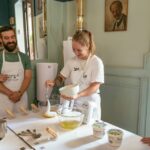
You also create and taste pasta with two different Italian sauces. The sauces are explained by the chef, and you’ll pair the finished pasta as you go. I like this format because it prevents the common cooking-class problem: you don’t just make pasta and hope the sauce will save it. You taste together, adjust, and understand what the sauce needs from the pasta.
The Meal You Eat: Prosecco, Cheese, Wine, and Dinner Plates
This class is not just about the prep. It includes a full meal—either lunch or dinner depending on the session you choose.
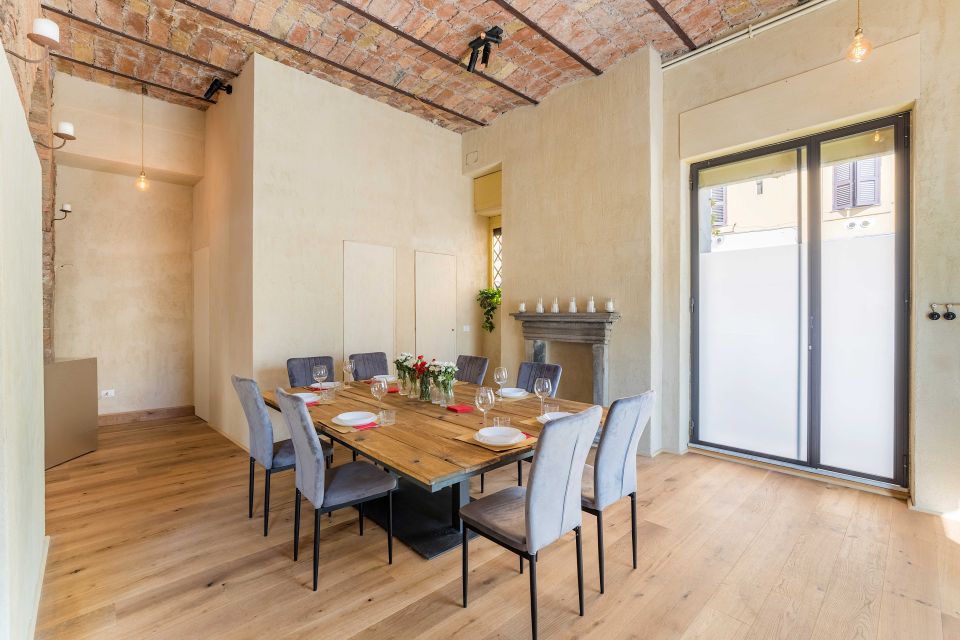
You start with an appetizer with prosecco and Italian cheese, plus tasting of local cheese alongside the prosecco. Then you move into cooking and tasting the pasta you made. After that, you sit down for the meal component, where the experience continues with wine pairing.
A detail I really appreciate in this setup: you don’t have to decide what to eat after you cook. The class builds the meal around your output, so your stomach isn’t waiting on you to finish. You’ll end up with a proper, satisfying Italian dinner pacing, not a small snack that makes you hunt for food afterward.
Express Tiramisu: A Fast Dessert That Still Feels Italian
Dessert is an express tiramisu preparation made at the end of the class. It’s not described as a long, technical project, which is exactly what you want when you’ve already been rolling dough for hours.
This part also balances the intensity of pasta-making. Pasta classes can become very hands-on and very focused. Dessert gives you a calmer finish while still letting you participate.
If you’ve never made tiramisu before, this is a friendly entry point because the goal is practical and quick. You’ll get a taste of the method and the rhythm, so you can reproduce it later at home without needing a full afternoon.
Who Teaches You Matters: Chef Emanuele and Angelo’s Style
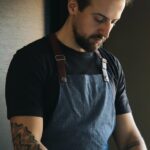
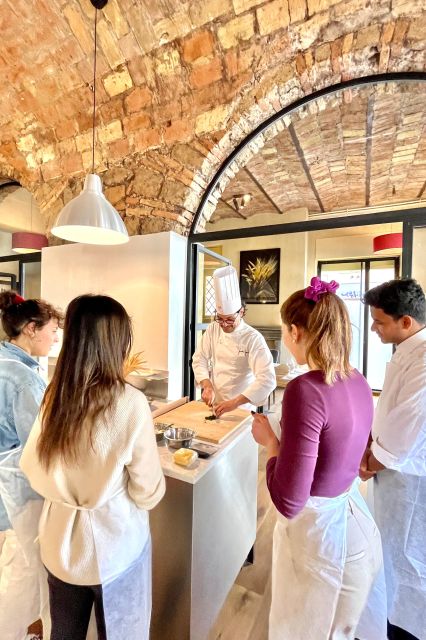
The energy in the room is a big reason this class works. Chef Emanuele leads the lesson with a high level of humor and engagement, and sous chef Angelo helps keep everyone moving and supported. In a small group format, that matters: when a dough step goes wrong, you want a real person nearby to correct it quickly.
One standout strength is how they handle dietary needs when possible. If you have allergies, the class is set up to accommodate participants by adjusting ingredients and sauce options so you can still take part. A garlic allergy was specifically handled with a modified approach, including a separate sauce option so the participant didn’t feel left out.
Small group attention also shows up in the way the chefs check in while you’re kneading and rolling. You’re not left to guess your way through. You’re coached, corrected, and encouraged.
Price and Value: Is $67.19 Worth It?
At $67.19 per person, the value is strongest when you compare what’s included. You’re paying for a guided, hands-on workshop plus a full meal experience.
Here’s what the price covers:
- Aperitivo appetizer with prosecco and Italian cheese
- Full Italian meal (lunch or dinner)
- Two plates of different pasta made by you
- Two sauce pairings tied to the pasta you form
- Express tiramisu at the end
- An included chef hat with Pastificio Faini branding
For Rome, that’s a solid deal when you look at it as dinner plus a skill class. If you usually spend most of your budget on eating out, this gives you something extra: you leave with technique you can use again at home.
The main tradeoff is time and effort. This isn’t a passive food tour where you can just snack and wander. You’ll work, you’ll concentrate, and you’ll likely want to keep your evening unbooked afterward so you can enjoy the rest of Rome without rushing.
Practical Tips So You Enjoy the Rolling, Not Fight It
A few things I’d do if I were planning your day around this class:
- Eat lightly beforehand if your session is later in the day. You’ll get a full meal, so don’t arrive starving and then overstuff yourself during cooking breaks.
- Wear comfy clothes and be ready to stand. The class is hands-on at a cooking table with real dough work.
- Tell them about allergies in advance. The class can accommodate at least some allergies by adjusting ingredients and sauces, but you’ll get the best results by communicating early.
- Don’t overthink the shapes. Forming pasta gets easier once you copy the chef’s rhythm and stop trying to make it perfect on the first attempt.
Is This Pasta Class Right for You?
You’ll likely love this if:
- You want a hands-on Rome experience that goes beyond eating
- You’re a beginner or returning home eager to cook
- You like structured lessons with a lively, welcoming tone
It may not be ideal if:
- You need a seated, low-mobility experience. The class is not suitable for people with mobility impairments.
- You’re looking for quiet, museum-style sightseeing. This is an active, social cooking workshop.
One more sweet point: this class has worked for mixed ages. If you’re traveling with teens or older kids who can handle kitchen work, it can be a memorable family activity, not just an adults-only food lesson.
Should You Book This Rome Five-Shape Pasta Class?
Yes, if you want your Rome meal to include real technique. The strongest reasons to book are the combo of five pasta shapes, wooden-pin rolling skill, and a full dining experience that includes prosecco, cheese, wine, and express tiramisu. The small group size also makes the coaching feel personal, especially when you run into dough issues.
Skip it only if standing and hands-on cooking would be stressful for you, or if you’d rather spend your time doing a walking tour instead of learning how to make pasta.
If your goal is to leave Rome with a new set of kitchen skills and a belly full of what you made, this one fits the bill.
FAQ
How long is the Rome pasta cooking class?
The class lasts 3 hours.
Where do we meet for the class?
You meet at the Old Osteria named Cucina, identifiable by the original osteria sign in marble above the entrance. The activity ends back at the meeting point.
How many people are in the group?
It’s a small group limited to 10 participants.
What pasta will I make during the class?
You will make five types of fresh pasta, including ravioli, agnolotti del plin, tortellini, cappelletti, and fettuccine.
What’s included in the price?
Included are an appetizer with prosecco and Italian cheese, a full Italian meal (lunch or dinner), two plates of pasta you made, and dessert with an express tiramisu preparation.
Are pets allowed?
No, pets are not allowed.
Is the class suitable for mobility impairments?
The class is not suitable for people with mobility impairments.