REVIEW · ROME
Rome: Excursion to the Vatican Museums
Book on GetYourGuide →Operated by mmm tours srls · Bookable on GetYourGuide
Vatican crowds feel manageable with this route. I like the skip-the-line entry because it helps you use your limited time on the real highlights, not ticket chaos. I also love the mix of big-name art (Michelangelo’s frescoes) and the calmer, sculptor’s-eye moments in the Vatican collection, like the Belvedere statues. One catch: the Sistine Chapel may be closed due to the recent pope’s passing and the upcoming conclave, so you should be ready for changes.
You’ll get a live guide in Russian, and the tour includes headsets, which is a big deal in echo-heavy rooms. After the museums, you also get skip-the-line access to St. Peter’s Basilica, so you’re not stuck lining up again. The other practical consideration is that the tour plan is tight, and if you dislike guided “timeboxing,” this may feel fast.
In This Review
- Key points at a glance
- Vatican Museums first: what skip-the-line buys you
- Courtyard of the Pigna and the sculpture rhythm
- Gallery of Maps and the Raphael Rooms: how to read the art fast
- Gallery of woven hangings and the other museum rooms you’ll notice
- Sistine Chapel: Michelangelo’s frescoes and the real-world closure risk
- St. Peter’s Basilica right after: what to focus on
- Timing, language, and the pacing that shapes your experience
- Price and value: is $113.29 worth it?
- Who this tour suits (and who should skip it)
- Should you book this Vatican Museums and St. Peter’s tour?
Key points at a glance
- Skip-the-line Vatican Museums so you can start seeing art sooner
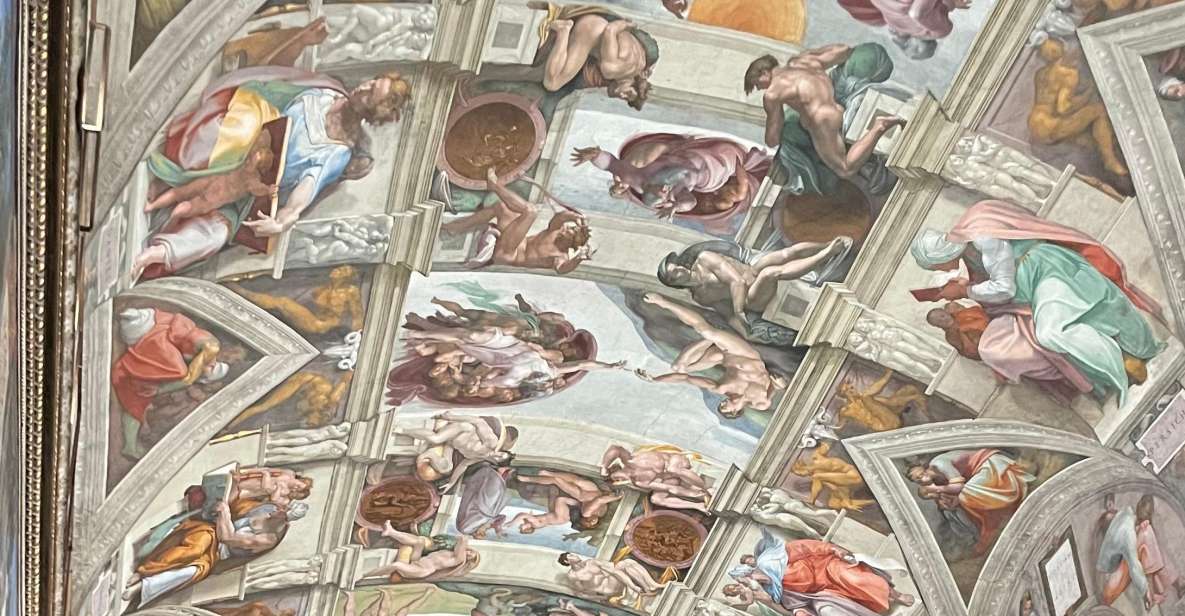
- Michelangelo’s ceiling scenes are the headline moment when the Sistine Chapel is open
- Belvedere Palace statues like Apollo and the Belvedere Torso add variety beyond paintings
- Headsets with a live Russian guide help you catch details without straining
- St. Peter’s Basilica access after the museums saves time versus doing it separately
Vatican Museums first: what skip-the-line buys you
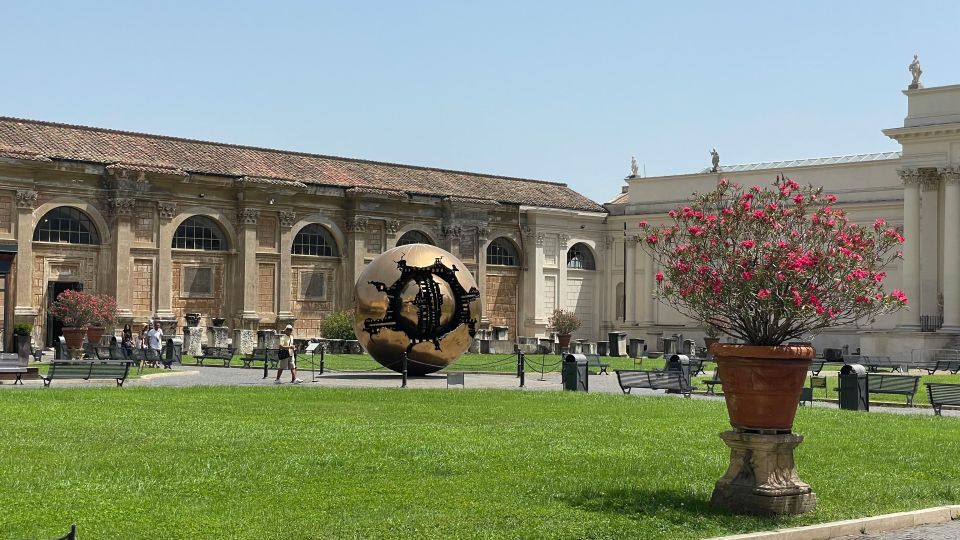
The Vatican Museums can be a time trap. This tour’s main advantage is simple: it gets you past the worst of the ticket line with skip-the-line access, then keeps you moving with a guide. In practice, that means you’re more likely to see several “anchor stops” instead of spending your whole visit stuck in queues or guessing your way through the maze.
I also like that the tour isn’t just wandering. You’re guided through major areas that connect visually and historically—how the Vatican collected sculpture, how it curated religious art cycles, and how Renaissance painting projects link to specific popes. With a live guide plus headsets, you’re not reduced to reading small labels while shoulder-to-shoulder with strangers.
One more practical note: you’ll want to keep your time expectations realistic. The scheduled museum segments are designed to be around short guided blocks, so the experience leans toward “high-impact highlights” rather than slow, solo-style museum browsing.
You can also read our reviews of more museum experiences in Rome



Courtyard of the Pigna and the sculpture rhythm
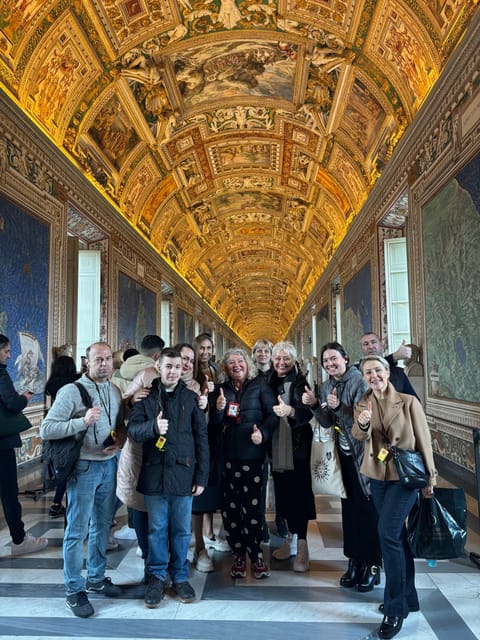
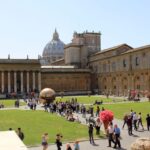
The tour typically starts inside the Vatican Museums, then quickly moves into spaces where the scale of the collection hits you. One early highlight is the Courtyard of the Pigna (often called the Courtyard of Pinecones). Even if you don’t know the name, you’ll feel the visual cue: open space, dramatic setting, and a sense that you’re stepping into a museum complex built over many centuries.
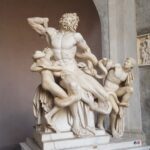
From there, the route makes sure you see sculpture in a way that feels less random. The plan points you toward parts of the Vatican Museums that include the Palazzo Belvedere area and its ancient statue collection. This is where you’ll encounter famous works you’ve probably seen in pictures—like Apollo, Laocoön, and the Belvedere Torso. If you’re the kind of person who likes to understand how artists handled anatomy, balance, and drama, this section can be genuinely satisfying because it turns famous images into real scale and real texture.
A potential drawback: sculpture is amazing, but it also means you’ll be looking for details while the group keeps moving. If you want to linger for 30 minutes at one statue, a guided, timeboxed tour may not be your style.
Gallery of Maps and the Raphael Rooms: how to read the art fast
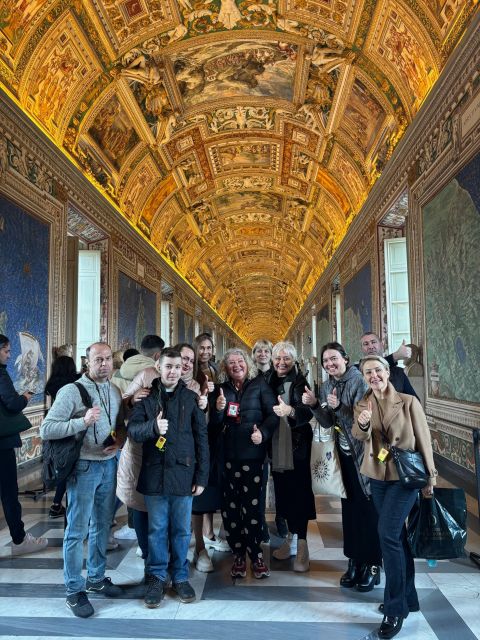
Next, the tour shifts from ancient objects to Renaissance storytelling. One stop centers on the Gallery of Maps, where you see large-format, old-world cartography. The value here is in the way maps reflect power, worldview, and the way knowledge gets displayed. It’s not just “cool old maps”; it’s a reminder that the Renaissance Vatican wanted to frame geography as part of its cultural authority.
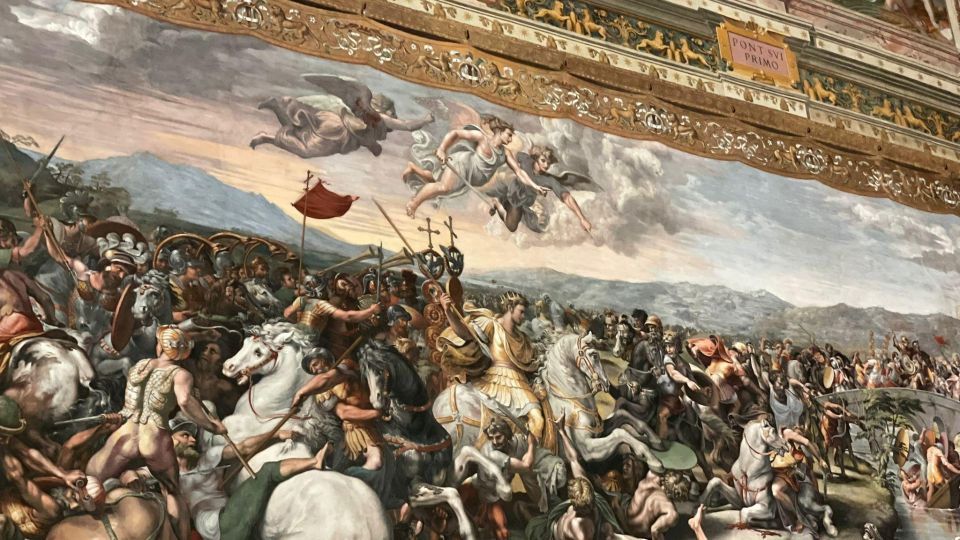
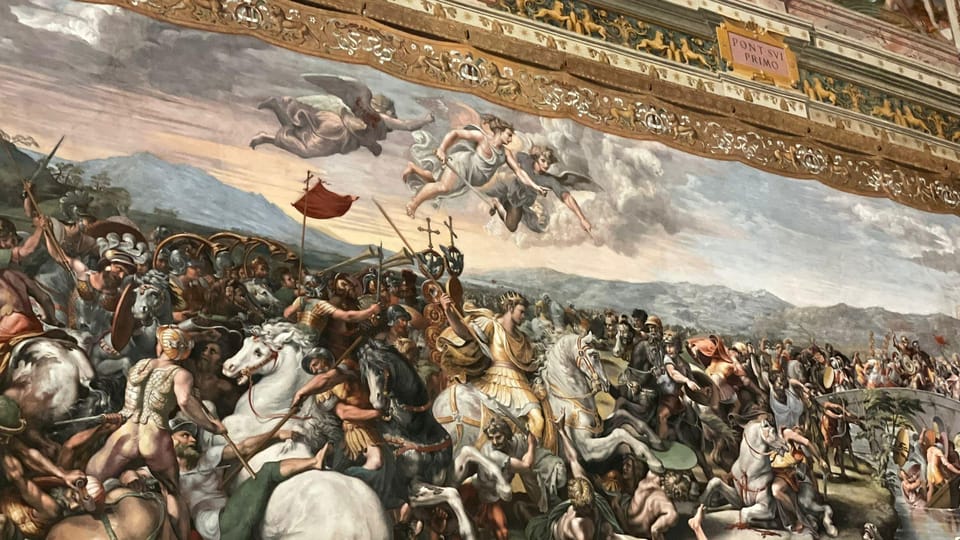
After the maps, you’ll move into the Raphael Rooms, painted for Pope Julius II. This is where your guide’s explanation really matters, because the paintings work as a set. Without context, they can feel like “beautiful walls.” With context, you start noticing the logic: how themes connect, how patrons and artists used art to speak to history, theology, and politics at the same time.
If you’re visiting with limited time, this pairing—maps first, then the Raphael Rooms—helps you build momentum. You’ll leave feeling like you learned how the Vatican used art as a language, not just as decoration.
Gallery of woven hangings and the other museum rooms you’ll notice
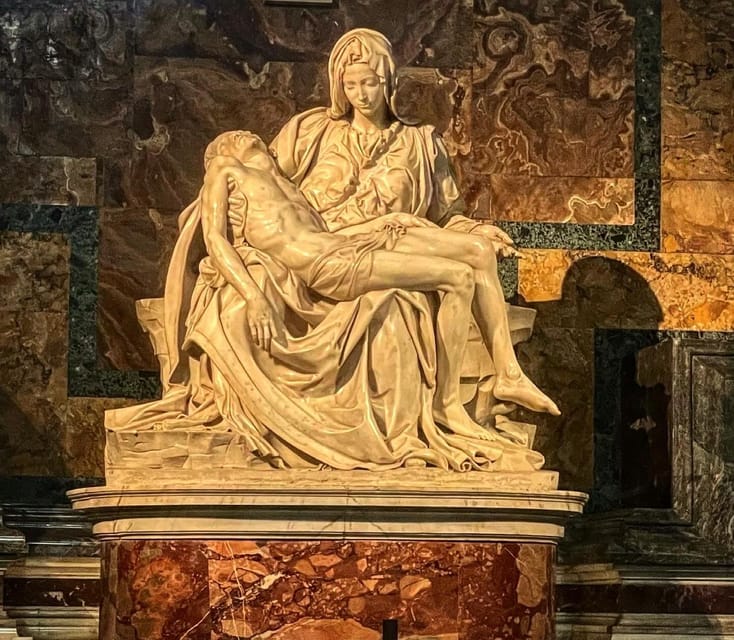
The museum route includes a stop focused on 16th-century woven wall hangings. You’ll see them as works designed from patterns by Raphael’s pupils, which adds an extra layer: these aren’t random decorative items. They’re part of how Renaissance design traveled into textile form—scale, line, and narrative adapted for a different medium.
Then you’ll also pass through additional museum galleries that keep the pacing varied, including the Gallery of the Candelabra. Even though it’s not the single headline most people talk about, it helps break up the experience so you aren’t stuck moving between two kinds of rooms forever. The whole museum plan is built to mix types of art—sculpture, large illustrated programs, and textile arts—so your brain doesn’t get bored before you reach the biggest moment.
The main thing to watch: the short guided segments mean you should treat each stop as a “spotlight,” not a full museum education. If you’re the type who reads every label, you may want to plan a follow-up self-guided visit after this tour—or at least give yourself extra time before or after.
Sistine Chapel: Michelangelo’s frescoes and the real-world closure risk
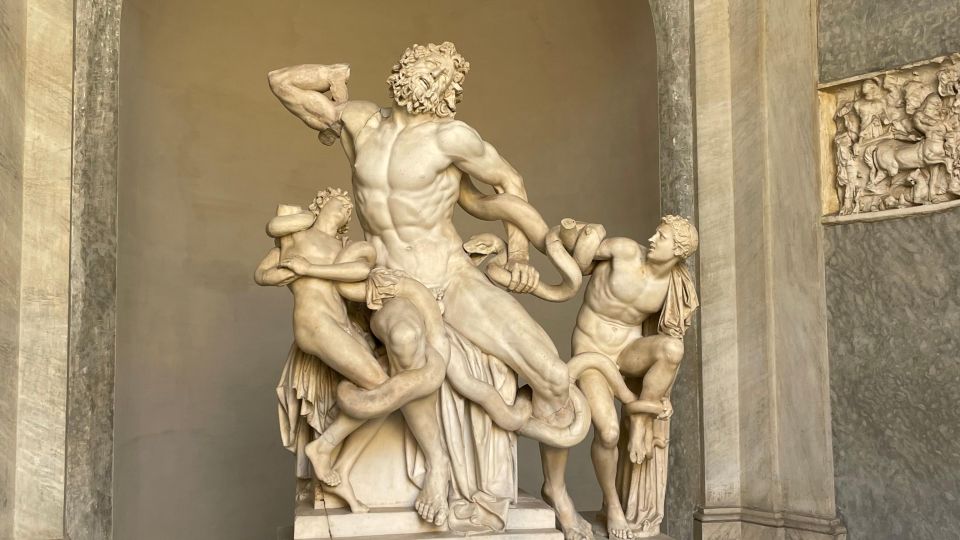
The tour is designed to end the museum portion with the Sistine Chapel, one of the most recognizable rooms in the world. When it’s open, your guide will lead you into the chapel to see Michelangelo’s frescoes, including The Creation of Adam and The Last Judgment. This is the moment people usually imagine: you look up, the ceiling takes over your attention, and suddenly the names you’ve heard your whole life feel physical.
But here’s the practical part. Due to the passing of the pope and the upcoming papal conclave, the Sistine Chapel will be closed until further notice from Vatican officials. Your tour is still valid for the Vatican Museums and other accessible areas, but you should treat the chapel as a conditional highlight. That’s not the tour’s fault—it’s Vatican schedule reality.
If the chapel is closed when you go, you’ll still likely get value from the surrounding museum highlights, especially the Raphael Rooms and the sculpture areas. Still, if the Sistine Chapel is your #1 reason for booking, plan your decision carefully and check for updates close to your departure date.
Also, plan your body position. You’ll spend time looking up, and if you’re sensitive to prolonged standing or tight spaces, bring that awareness with you.




St. Peter’s Basilica right after: what to focus on
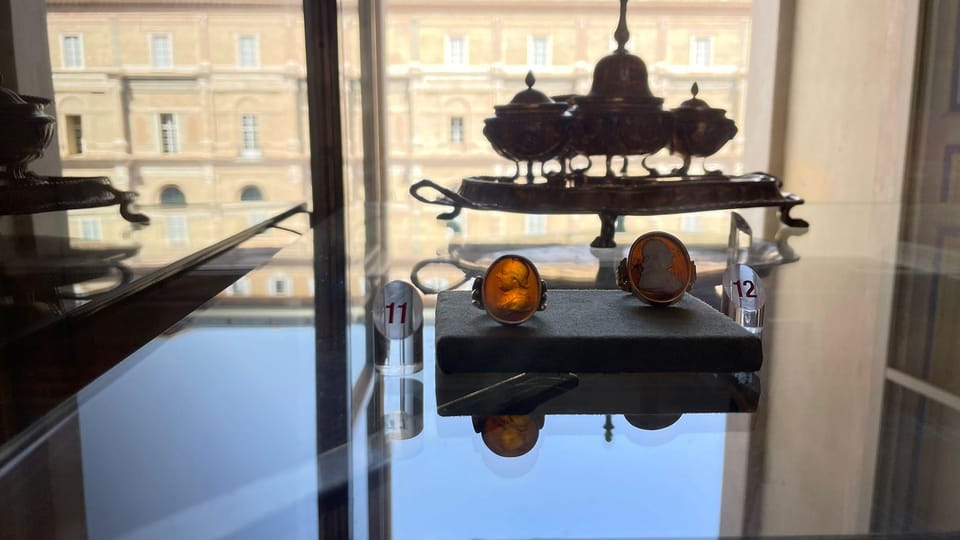
After the museum portion, the tour includes skip-the-line access to St. Peter’s Basilica, built over the tomb of the Apostle Peter. The tour also frames why the building matters: it took over 120 years to complete, with contributions from major Renaissance and Baroque architects. That matters because it explains why different parts of the basilica can look like they belong to different eras—and why they still fit together.
Once inside, the guide helps you notice details that are easy to miss on a quick independent visit. You can expect to see:
- the tombs of the popes
- intricate Vatican mosaics
- the Holy Gates
- Bernini’s grand altar
You’ll also get a reminder of Michelangelo’s reach beyond painting. The tour highlights him as both a sculptor and an architect here, connecting his artistic identity across mediums.
One consideration: the basilica can be visually intense. With a guided route, you get a clear “what to look for” list, which is a big help. Without that, it’s easy to feel like you’re walking through a beautiful blur.
Timing, language, and the pacing that shapes your experience
The scheduled tour duration is 2.5 hours, with multiple guided stops (each around 20 minutes) during the museum portion. That timeboxing is the core “shape” of the experience. You’re not getting a leisurely museum day. You’re getting a guided highlight route that aims to hit the key rooms and major artworks without overwhelming you with option fatigue.
Language matters, too. The guide is listed as Russian, and the tour provides headsets so you can hear clearly. If you don’t speak Russian, you’ll rely heavily on visuals. You might still enjoy the architecture and art, but the deeper context from the guide won’t land the same way.
Dress code is another real factor. In summer, shoulders and knees must be covered. This is one of those rules that people ignore until they’re already at the entrance, so plan clothing accordingly (light layers are your friend).
Finally, the tour doesn’t include hotel pickup and drop-off. The starting point is Via Santamaura, 12. That means you’ll want to navigate to the meeting area smoothly so you don’t start stressed. And since bags are not allowed, you should plan for how you’ll handle your belongings once you’re in the Vatican area.
Price and value: is $113.29 worth it?
At $113.29 per person, this isn’t a budget add-on. But it can be good value if you care about time, guidance, and avoiding lines—especially in peak seasons.
Here’s what you’re paying for, based on what’s included:
- Skip-the-line access to the Vatican Museums
- Access to St. Peter’s Basilica, also with skip-the-line benefits
- A live guide (Russian)
- Headsets for clearer listening
When you add up typical Vatican inefficiencies—lines, navigation, and the time cost of trying to choose a route on your own—this price can start to make sense. You’re buying a faster path through the “must-see” areas with someone pointing out what you should actually look for.
Now, the downside: because the tour is timeboxed, you may feel it’s less satisfying if you want slow museum absorption. There’s also a reported mismatch between stated and experienced duration in at least one account, where the tour felt shorter than promised and the information felt thinner. If you’re the kind of visitor who plans to soak in every stop, you might feel shortchanged.
My practical take: this tour is best when you want structure and momentum. If you want a deep, unhurried museum experience, you’d likely prefer a private guide or a longer self-guided plan.
Who this tour suits (and who should skip it)
This works well for:
- you if you want multiple Vatican highlights in one go (Museums, Sistine area if open, and St. Peter’s)
- you if you like expert explanations but don’t want to spend all day
- you if you benefit from headsets and a guided route that reduces decision-making
It may not be ideal for:
- you if the Sistine Chapel is a non-negotiable priority (closure risk is real)
- you if you dislike guided pacing and want to linger
- you if you’re uncomfortable with a Russian-language experience (you’ll still see a lot visually, but the spoken detail will be limited)
- you if you have bulky items (bags are not allowed)
Should you book this Vatican Museums and St. Peter’s tour?
If you want a structured Vatican visit with skip-the-line entry and a guide to help you understand what you’re seeing, I think this is a strong booking. The biggest decision point is the Sistine Chapel closure possibility, so check your dates and be ready for a plan that focuses more on museums and Raphael’s rooms if the chapel isn’t accessible. If you’re going specifically for Michelangelo at any cost, consider options that better protect that priority.