REVIEW · ROME
Rome: Doria Pamphilj Gallery Guided Tours
Book on GetYourGuide →Operated by Doooing · Bookable on GetYourGuide
Rome’s private art has a different rhythm. This guided tour of the Doria Pamphilj Palace takes you through glittering rooms and frescoed corridors, where the collection is still tied to the family that owns it. I like that the pace is calm and focused, so you get real context for why each masterpiece matters instead of rushing through big museum crowds.
Two things I really enjoy here: first, the chance to see standout works by Caravaggio and Velázquez in private galleries, framed by period interiors rather than white walls. Second, the storytelling—guides connect popes and princes to the artworks you’re standing in front of, including artists like Titian, Bernini, Raphael, and Flemish masters.
One consideration: this tour isn’t suitable for people with mobility impairments or wheelchair users, and the palace layout means you’ll want to count on comfortable walking and stable footing.
In This Review
- Key highlights you’ll actually feel during the tour
- Why the Doria Pamphilj Palace feels like a different kind of Rome
- Meeting at Fontana del Facchino: don’t show up early, show up right
- Inside the 1500s palace: golden halls and frescoed corridors
- The private collection’s big names: Caravaggio and Velázquez in context
- Caravaggio rooms: where drama meets intimate detail
- Velázquez and Pope Innocent X: the portrait everyone talks about
- Other masters you’ll hear about along the way
- Stories of popes and princes: why the guide’s perspective matters
- Pacing and group size: how to make 2 hours feel long
- End in the courtyard: café and bookshop for a slow reset
- Who should book this guided tour (and who should skip it)
- Price and value: what you’re really paying for
- Practical rules: what to bring and what not to do
- Should you book the Rome: Doria Pamphilj Gallery Guided Tours?
- FAQ
- How long is the Doria Pamphilj Gallery guided tour?
- Where do we meet for the tour?
- What languages are the live guides?
- Is there a skip-the-line option?
- What major artworks will I see?
- Is this a large group tour?
- What should I wear or bring?
- Are food and drinks allowed during the tour?
- Can I take photos with flash?
- Is the tour wheelchair accessible?
Key highlights you’ll actually feel during the tour
- Caravaggio and Velázquez in private rooms, including Caravaggio’s works Rest on the Flight into Egypt and Penitent Magdalen, plus Velázquez’s portrait of Pope Innocent X
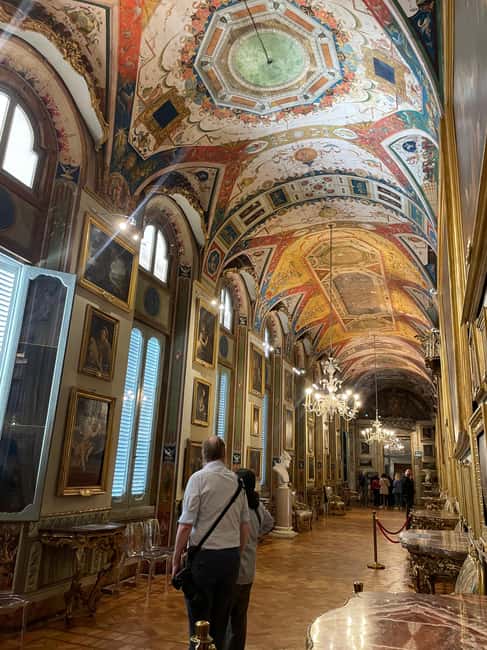
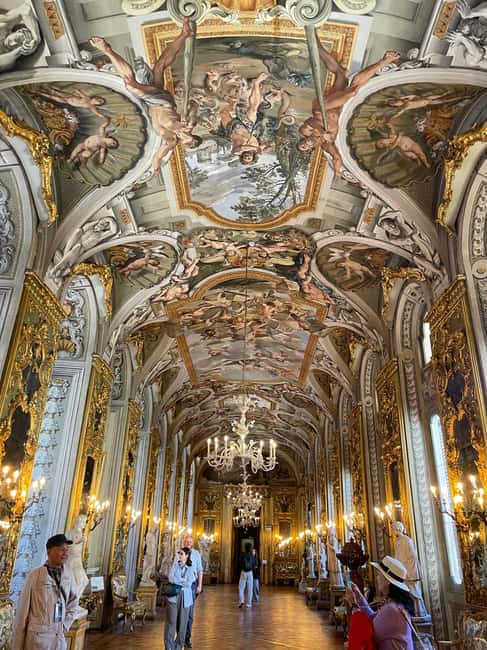
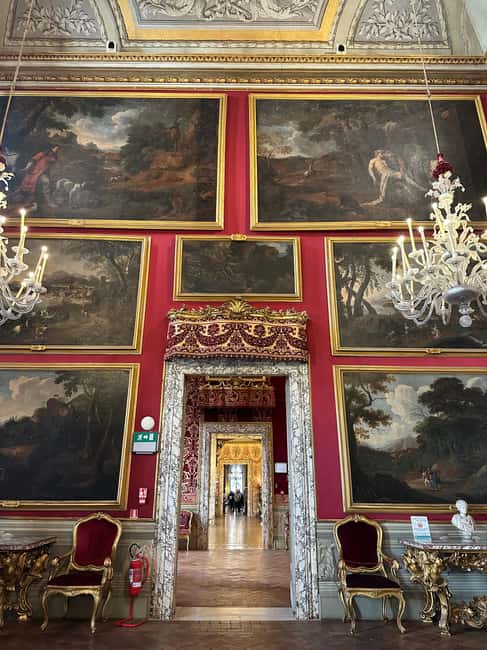
- Gilded ceilings, silk-draped drawing rooms, and fresco corridors that make the art feel like part of the setting, not a separate exhibit
- A guide who ties the collection to real power stories from popes and princes who once moved through these halls
- An intimate small-group format (private groups are available too) that keeps the experience from turning into a race
- A gentle finish in the courtyard with a café and bookshop, so you can slow down after the last gallery room
Why the Doria Pamphilj Palace feels like a different kind of Rome
Most Rome art stops give you a fast museum experience. This one gives you something closer to being let into a living aristocratic space—because the palace and collection are still owned by the Doria Pamphilj family.
What that changes is your sense of scale. You don’t just see big-name paintings; you see them placed in rooms with gilding, period furnishings, fresco work, and that unmistakable feel of old-world status. The result is that your brain starts to connect the artwork to the people and habits of the era.
I also like how the tour is designed to feel calmer than the city’s busiest routes. Even though you’re in central Rome, you’re moving through interiors and a private setting, so the experience doesn’t feel like constant street noise.
You can also read our reviews of more guided tours in Rome



Meeting at Fontana del Facchino: don’t show up early, show up right
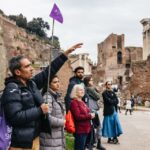
Your starting point is outside the Fontana del Facchino on Via Lata, 00186 Roma RM (look for the blue flag with the Doooing Experience logo). The coordinates are 41.898311614990234, 12.481409072875977.
This matters because palace entries can be strict. If you arrive off by a lot, you can end up losing time that you’d rather spend inside.
Bring comfortable shoes. The tour runs for about 2 hours, and you’ll be on your feet in rooms and corridors with a more walking-heavy flow than a quick, single-gallery visit.
Inside the 1500s palace: golden halls and frescoed corridors
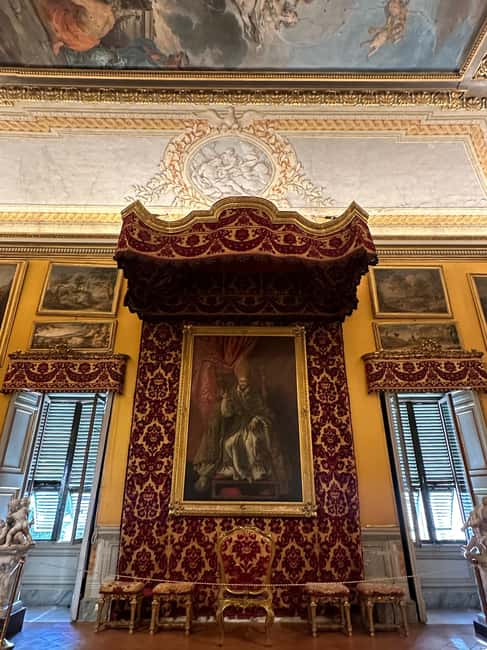
The tour begins in the palace interior, built in the 1500s and still in the family’s hands. Expect to move through gilded halls, silk-draped drawing rooms, and frescoed corridors that help you understand how art functioned in elite life—display, status, and power all in one package.
This is one of the best parts to go in with an open mind. If you only focus on the paintings, you miss the full trick of the experience: the rooms are part of the art environment. The chandeliers and ornate surfaces make the collection feel intentional and curated by generations, not assembled for visitors.
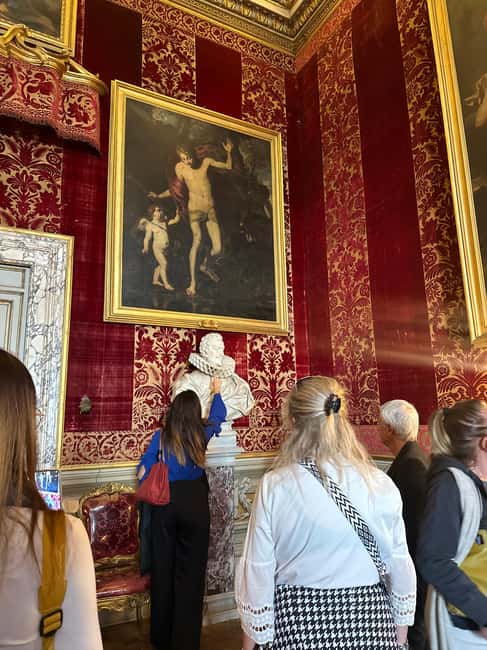
A small-group format helps here. With fewer people, you’re less likely to get swept along without time to actually look at details like dress, lighting style, and composition.
The private collection’s big names: Caravaggio and Velázquez in context
The tour’s anchor moments are the blockbuster works you can’t easily replicate on a quick Roman route.
Caravaggio rooms: where drama meets intimate detail
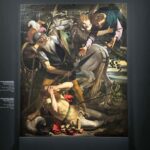
You’ll see major Caravaggio works on the route, including Rest on the Flight into Egypt and Penitent Magdalen. Caravaggio’s strength is realism with emotional weight, and here the effect feels stronger because you’re not viewing the works from a distance in a huge public space.
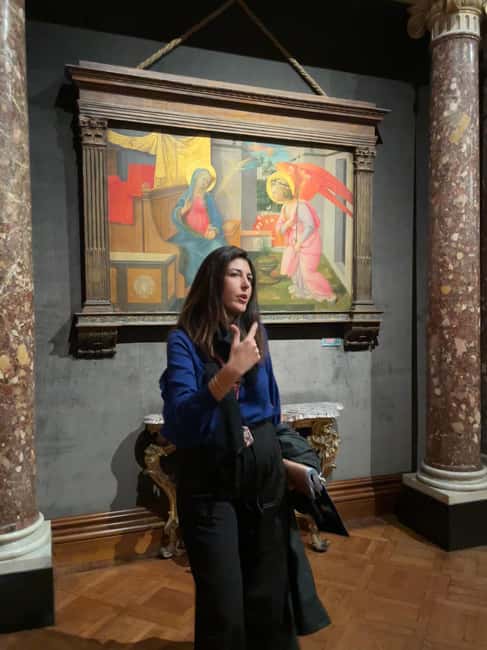
The guide’s job is to help you notice what the paintings are doing—how expression, gesture, and light draw your attention. It’s also where you’ll likely get the most practical art education without it turning into a lecture.
You can also read our reviews of more museum experiences in Rome



Velázquez and Pope Innocent X: the portrait everyone talks about
Another highlight is Velázquez’s iconic portrait of Pope Innocent X, considered one of the greatest oil portraits of all time. This kind of painting has a specific power when you stand close: the sitter’s authority and the brushwork show up faster than in photos.
If you like portraits that feel like they’re staring back, this is the room to slow down. Give yourself a few extra seconds here, because you’ll want to absorb not only the face, but the mood and presence of the person the portrait was meant to project.
Other masters you’ll hear about along the way
Beyond those anchors, the tour includes works associated with Titian, Bernini, Raphael, and Flemish masters. Even when you’re not stopping at every single work for long, you’ll hear enough to understand the collection’s logic—why these artists, why these themes, and how styles fit into aristocratic taste.
Stories of popes and princes: why the guide’s perspective matters
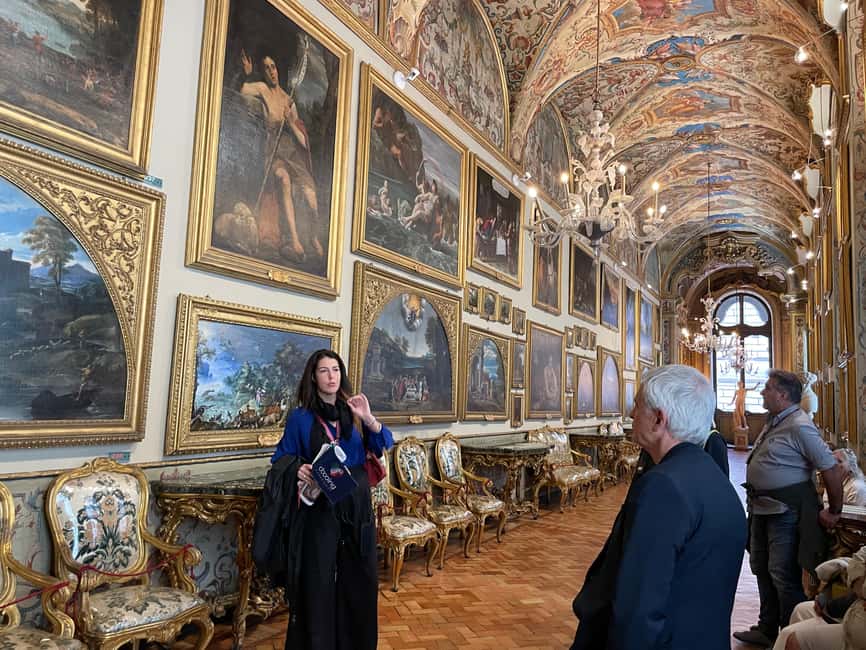
A big part of the value isn’t just that the palace is gorgeous. It’s that the guide connects the artworks to people with real influence.
Expect stories tied to popes and princes who walked these halls, and explanations that blend history with how to read what you’re seeing. One guide named Martina is described as an excellent art expert who made sculpture and painting feel clear, and another named Silvia is praised for weaving history, art, and legends into compelling stories.
That’s the sweet spot. You want context that improves your viewing, not context that steals your attention from the art.
Also, the guide languages include Italian, English, and Spanish, so you can pick the one that helps you follow the finer details. If you care about names, dates, and why certain pieces belong together, language clarity is a real benefit.
Pacing and group size: how to make 2 hours feel long
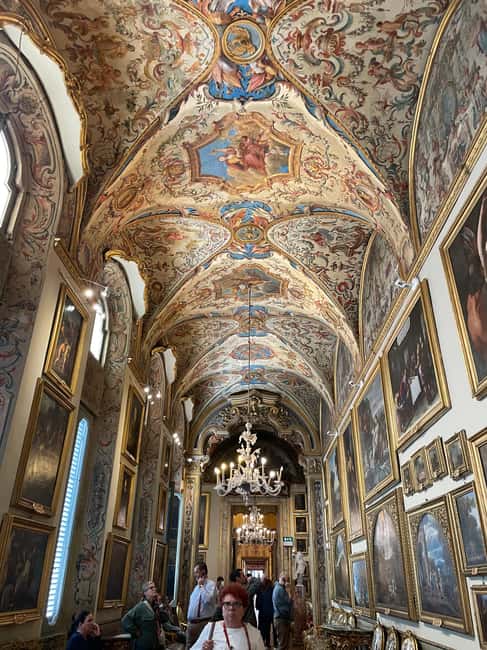
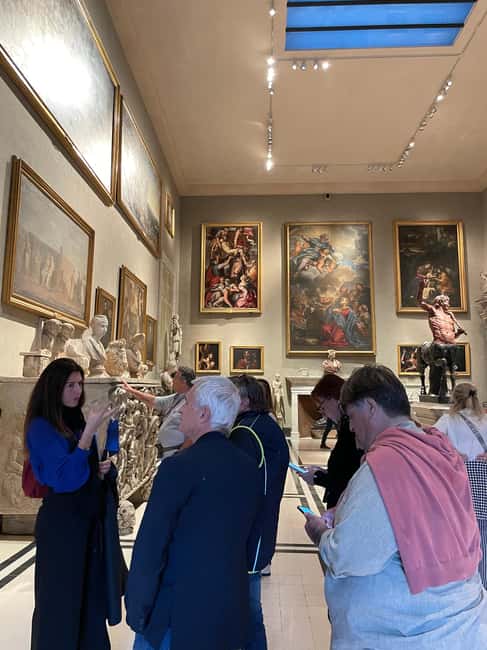
This is a 2-hour tour, and it’s set up so you’re not stuck in any single room forever. Instead, you get a steady sequence: ornate spaces, then a focus on major paintings, then additional galleries where the guide’s explanations connect the dots.
The tour is described as a small group for a more intimate experience. That usually means you won’t be shoulder-to-shoulder, and you can ask simple questions without feeling like you’re interrupting a train.
If you’re the kind of traveler who likes to keep moving but also needs time to look, this format hits the balance.
End in the courtyard: café and bookshop for a slow reset
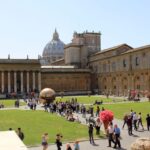
After the last gallery rooms, you’ll finish in the palace’s courtyard area, with access to a café and bookshop. This is a nice way to land the experience without immediately stepping back into city chaos.
It’s also practical: you can grab a drink, use the bookshop to find a reference, and decompress before you continue exploring. In Rome, this kind of pause keeps the day from turning into one long sprint.
Who should book this guided tour (and who should skip it)
This tour is a strong match if you:
- Love high-skill art (Caravaggio and Velázquez are the headliners)
- Like interiors as much as artwork—gilded ceilings, frescoes, and silk-draped rooms are part of the draw
- Want a guide who explains why the collection was built and how it connects to power and taste
You might want to skip it if:
- You need wheelchair access or mobility support. This experience isn’t suitable for people with mobility impairments or wheelchair users.
- You’re only interested in a quick photo stop. You’ll get the most from it if you’re willing to spend a little time looking and listening.
Price and value: what you’re really paying for
Even without a price listed here, you can judge value based on what’s included. You’re getting guided access to a largest private art collection in Rome setting, plus priority handling in the form of skip the ticket line.
That combination matters. Many Rome ticket experiences are either self-guided (so you lose context) or crowded (so you lose attention). This tour aims for the middle: a guide-led visit in a private palace with enough pacing to keep your brain engaged.
You’re also buying time efficiency. A 2-hour window is long enough to connect multiple rooms and masterpieces, but short enough that you won’t feel trapped in a half-day commitment.
Practical rules: what to bring and what not to do
Keep it simple. The essentials are:
- Comfortable shoes
- Light packing, since backpacks aren’t allowed
- No food or drinks inside
- No flash photography
If you show up with a big bag or snack, it can slow you down at the start. For a tour like this, travel light helps the experience stay smooth.
Should you book the Rome: Doria Pamphilj Gallery Guided Tours?
I’d book this tour if you want a Rome art experience that feels personal and story-driven, not just another museum checkbox. The mix of private palace interiors and major artists—especially Caravaggio and Velázquez—makes this a good choice for anyone who cares about seeing fewer works with better understanding.
Book it sooner if you like having a predictable plan. Tours start daily at multiple times, and a small-group format means slots can fill around popular hours.
If you want a confident pick for your day, pair it with a slower second half of your afternoon—since the courtyard café and bookshop make a nice finishing rhythm.
If you still have doubts, think about your goal: do you want a calm, guided look inside a living aristocratic collection? If yes, this is the kind of tour that earns its place on your itinerary.
FAQ
How long is the Doria Pamphilj Gallery guided tour?
The guided tour lasts 2 hours.
Where do we meet for the tour?
Meet outside the Fontana del Facchino on Via Lata, 00186 Roma RM. Staff will be holding a blue flag with the Doooing Experience logo.
What languages are the live guides?
The live tour guide is available in Italian, English, and Spanish.
Is there a skip-the-line option?
Yes, the tour includes skip the ticket line.
What major artworks will I see?
You’ll have the chance to see masterpieces including Caravaggio works (Rest on the Flight into Egypt and Penitent Magdalen) and Velázquez’s portrait of Pope Innocent X. The guide also covers works by Titian, Bernini, Raphael, and Flemish masters.
Is this a large group tour?
It’s designed as a small group experience for a more intimate visit, and a private group option is available.
What should I wear or bring?
Wear comfortable shoes. The experience involves walking through rooms and corridors inside the palace.
Are food and drinks allowed during the tour?
No. Food and drinks are not allowed.
Can I take photos with flash?
No. Flash photography is not allowed.
Is the tour wheelchair accessible?
No. It is not suitable for wheelchair users or people with mobility impairments.