REVIEW · ROME
Rome’s Ultimate Bike Tour
Book on Viator →Operated by Rome's Ultimate Free Walking Tours · Bookable on Viator
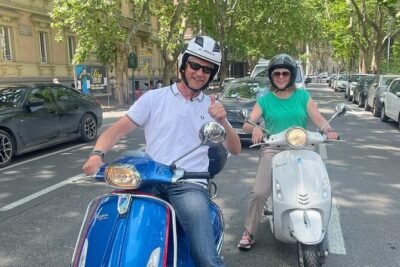
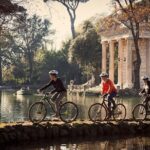
Rome is best when you move through it, not just look at it. This bike tour ties together major Ancient Rome sights with quieter parks, all in a group capped at 10 people and guided by Dimitri. I like the personal feel, and I especially like how the ride turns famous names into something you can see from the road, including the long stretch on Via Appia Antica.
You’ll also appreciate the practical structure: free entry tickets are part of the plan for each stop listed, so you spend your attention on the experience instead of ticket math. The one drawback to keep in mind is weather: it requires good conditions, so plan to be flexible if you’re booking during a changeable week.
In This Review
- Key things that make this tour worth your time
- Rome’s Ultimate bike tour: small-group biking with Dimitri at the center
- Getting your bearings: start point and the 4.5-hour flow
- Circo Massimo, Caracalla Baths, and the Aurelian Walls: seeing Rome’s scale up close
- The Appian Way (Via Appia Antica) ride: the part you’ll remember
- Catacombs without a full day ticket: San Callisto stop
- Aqueduct Park views and Parco della Caffarella: the city’s green side
- Torre Fiscale and Via Cristoforo Colombo: the route that connects Rome to the sea
- Free admission tickets: how this affects your budget and your stress level
- What it feels like on the ground: the rhythm you should expect
- Weather matters: when to book and when to plan a backup
- Who this tour fits best
- Should you book Rome’s Ultimate Bike Tour?
- FAQ
- How long is Rome’s Ultimate Bike Tour?
- What time does the tour start?
- Where do I meet for the tour?
- Where does the tour end?
- How many people are in the group?
- Is the tour offered in English?
- Are admission tickets included for the stops?
- What’s the weather policy?
- What’s the cancellation rule?
Key things that make this tour worth your time
- Small group, real conversation: max 10 guests means you can ask questions and actually hear the answers.
- Dimitri’s storytelling: the guide’s explanations turn stone landmarks into understandable routes and timelines.
- City + countryside in one loop: you get Rome’s built landmarks and the green stretches outside the center.
- Appian Way time is the payoff: one major section is long enough to feel like a road trip, not a quick photo stop.
- Free admission tickets included for listed stops: each scheduled stop is marked as free, which helps the overall value.
Rome’s Ultimate bike tour: small-group biking with Dimitri at the center
The biggest advantage here isn’t the bike itself. It’s the size of the group and the tone of the guide. With a maximum of ten guests, you’re not squeezed into a herd. You’re also more likely to get answers that fit what you care about, whether that’s daily life in Ancient Rome, how Romans moved around the city, or what you’re actually seeing as you pass.
Dimitri is the kind of guide who keeps the ride moving while still giving you context. In the feedback I saw, riders singled him out for being personable and for encouraging questions. That matters because Rome is full of confusing layers. Without a guide, it can feel like you’re reading plaques at speed. With Dimitri, the places start to connect.
You can also read our reviews of more cycling tours in Rome
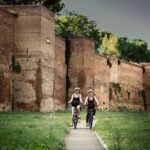
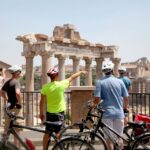
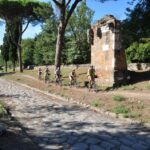
Getting your bearings: start point and the 4.5-hour flow
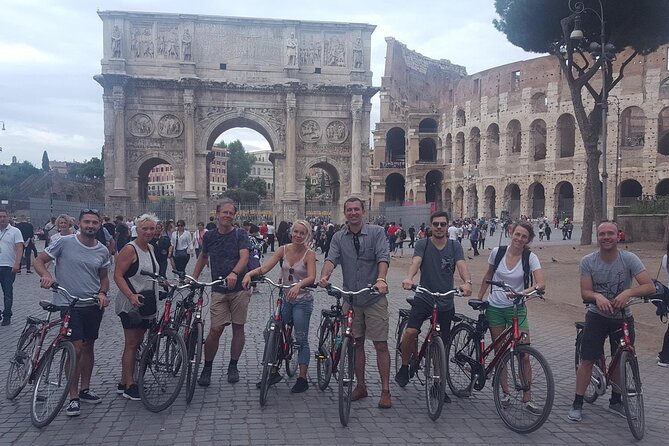
The tour starts at Via dei Serpenti, 89, 00184 Roma RM, with a 10:00 am departure. It ends back at the same meeting point, which is great because you don’t have to solve the “how do I get back?” problem after a long bike ride.
Duration is about 4 hours 30 minutes, which is a sweet spot: long enough to hit multiple neighborhoods and landscapes, short enough that you’re still fresh for the best parts (especially the Appian Way segment). You’ll also have a mobile ticket, and the meeting point is described as near public transportation, which makes it easier if you’re pairing the tour with other Rome plans.
One practical note: even with a guided route, you should be ready to be outside for most of the time. Bring layers that work for morning shifting into midday, and plan for sun if it’s clear. If it’s hot, the parks outside the center can still bake.
Circo Massimo, Caracalla Baths, and the Aurelian Walls: seeing Rome’s scale up close
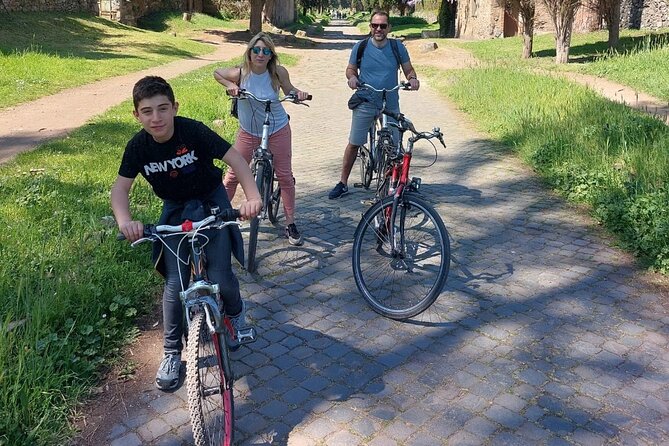
The tour begins with Circo Massimo, the Circus Maximus, described as the biggest stadium ever built in the history of the world. You’ll get about 10 minutes here. That’s not enough to do a slow, museum-style walkthrough. But it is perfect for orientation—getting your head around what kind of space this was and why it mattered.
Next is Terme di Caracalla (Baths of Caracalla). Again, the scheduled stop is about 10 minutes, but the payoff is the takeaway idea: this was the second largest public bath complex in Ancient Rome. Baths weren’t just places to wash. They were social hubs, part gym, part meeting space, part status show. Even if you only skim the overview, a guide can help you see it as a system rather than a ruin pile.
Then you’ll move to Museo delle Mura, the museum focused on the Aurelian Walls, marking the contemporary historical center of Rome. This is a useful stop because walls explain so much about how cities develop. They also help you understand Rome’s shape today: where boundaries formed, where people gathered, and why certain areas became more central over time.
Potential consideration: three quick stops back-to-back means you’ll want to listen closely early on. If you’re someone who likes to linger and take 30 photos per stop, this portion may feel fast—but that speed is what keeps the tour’s overall balance.
The Appian Way (Via Appia Antica) ride: the part you’ll remember
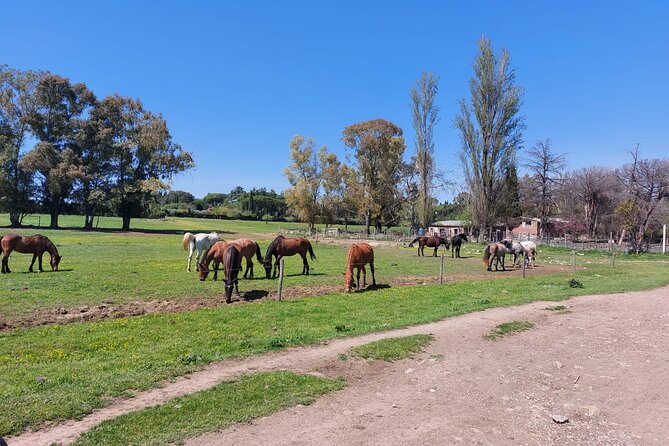
The heart of the tour is Appian Way (Via Appia Antica), listed for about 40 minutes. It’s called the Queen of all the Roman roads, and the time allocation shows the intent: you’re not just seeing the name on a map. You’re riding it.
This section is where the tour really becomes more than sightseeing. The Appian Way is famous because it represents how Romans planned movement—roads as infrastructure, not just routes. When you bike through, you can feel the rhythm of long-distance travel: you’re moving in a straight line for a while, seeing distance open up, and imagining what travel would have felt like when this wasn’t a scenic ride, but a working corridor.
One review highlight stood out as especially meaningful: for some riders, biking along the Appian Way in the footsteps of countless legions was their personal peak moment. Even if you’re not mapping armies in your head, that kind of connection is exactly what this stop is built for.
My practical tip: if you love photos, use them, but also keep a moment where you just ride and look ahead. The Appian Way rewards that.
Catacombs without a full day ticket: San Callisto stop
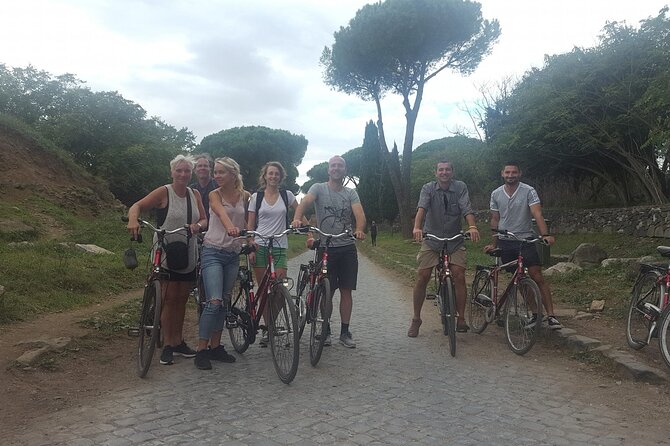
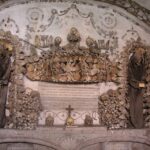
The itinerary includes Catacombe di San Callisto for about 15 minutes, described as a panoramic ride through the largest catacomb complex of Rome. Fifteen minutes isn’t a “spend an hour underground” kind of visit. Instead, the tour keeps it cinematic: you’re getting a high-level encounter and the story of what you’re looking at.
If you want Rome to feel varied—ancient roads, bath complexes, then the stark mood of catacombs—this is a good pivot. It gives you emotional contrast without turning the tour into a long, heavy experience.
Consideration: catacomb experiences can feel intense. If you’re sensitive to darker settings, you might appreciate that the tour’s time here is short and structured rather than prolonged.






Aqueduct Park views and Parco della Caffarella: the city’s green side
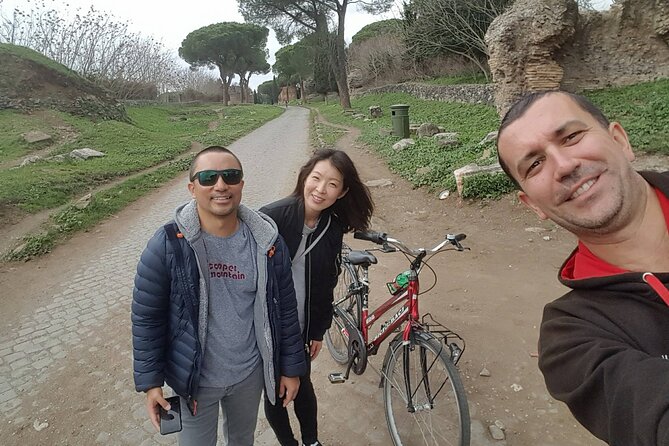
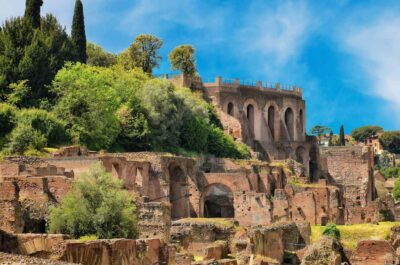
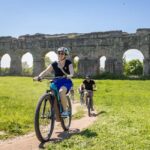
After the more historical core, the tour shifts outward with Parco degli Acquedotti – Parco Archeologico dell’Appia Antica. You’ll have about 30 minutes here, with standout views of natural areas plus Ancient Roman architectural and engineering wonders. Aqueducts are one of the most satisfying Roman inventions to see in person because they’re practical and dramatic at once—stone carrying water over distance.
Next is Parco Della Caffarella for another 30 minutes. This one is described as where urban and nature meet. That matters for your mental map of Rome. It’s easy to imagine “Rome” as compact streets and stone monuments. Caffarella helps you feel the edges—how the city transitions into open space.
Together, these parks are part of the tour’s biggest promise: exploring city and nature in a single ride. You’re not just ticking off landmarks. You’re getting a sense of how Rome looks when it’s not packed with traffic and tour groups.
Practical consideration: parks can be windy or brighter than the stone ruins. Bring sunglasses if you use them, and don’t assume shade will save you.
Torre Fiscale and Via Cristoforo Colombo: the route that connects Rome to the sea
The final historical/route moments include Parco di Torre Fiscale for about 10 minutes, described as the history of the Fiscal Tour and its purposes. Then you’ll ride along Via Cristoforo Colombo for about 10 minutes, a street linking the historic center toward Ostia, described here as the gateway of the Eternal City to the Tyrrhenian Sea.
Even with only ten minutes each, these stops give you a “how the system works” feeling. Rome isn’t just places—it’s movement, lines, and links. Seeing a route that points outward helps you understand why Rome was able to pull in goods, people, and influence over centuries.
This also gives the tour a satisfying finish: you start with massive public spaces, move through roads and underground spaces, then end with connections and what those connections were for.
Free admission tickets: how this affects your budget and your stress level
One of the most helpful bits of planning data here is that each listed stop is marked as admission ticket free. That doesn’t mean you’ll never spend anything in Rome, but it does reduce friction. You’re less likely to show up at a site and wonder if you need to scramble for cash, timed entries, or last-minute decisions.
At $96.12 per person for roughly 4.5 hours, the “value math” is about what you’re buying: a guided ride, a small group experience, and access planning that’s already baked into the schedule for the listed stops. Instead of spending time on administrative tasks, you spend time moving, learning, and seeing.
If you compare this to piecing together multiple separate guided visits, this tour can feel efficient—especially if you want a mix of Roman landmarks and green space without building your own day from scratch.
What it feels like on the ground: the rhythm you should expect
Think of the tour as a sequence of momentum shifts:
- quick introductions to huge sites (like Circo Massimo and Baths of Caracalla),
- a longer, more immersive ride segment on Via Appia Antica,
- then shorter, story-driven blocks (catacombs, aqueduct park, urban-meets-nature park),
- finishing with route context that points you beyond the center.
This structure is great if you learn best by seeing things in motion. It’s also ideal if you don’t want one massive museum day. The tour keeps you outdoors and active, while still covering serious Rome topics.
What I like about this pacing is that it prevents the common Rome problem: getting “monumented out.” You alternate between open-air landmarks and park areas, so your brain gets a rest while your feet keep moving.
Weather matters: when to book and when to plan a backup
This experience requires good weather. That’s not a small detail. A bike tour can become uncomfortable quickly if conditions turn. If you’re booking during a season when rain is common, I’d treat your booking like something that might shift to another date if the forecast is bad.
The good news is that the tour is designed for a daytime schedule starting at 10:00 am, which often means you can pick a day with better odds of stable conditions.
Who this tour fits best
This bike tour is marked as suitable for most travelers and is offered in English. So it’s a strong choice if:
- you want a guided Rome day without museum fatigue,
- you like combining history with scenic riding,
- you appreciate a small group and real question time,
- you’re comfortable being outside for nearly five hours.
You might skip it if you strongly prefer indoor, slow-paced visits only, or if you’re not comfortable biking for a several-hour activity. Also, if you’re traveling with someone who gets anxious about being on bikes in city areas, you’ll want to be thoughtful—because the tour is built around riding.
Should you book Rome’s Ultimate Bike Tour?
I think you should book it if your ideal Rome day includes movement, not just monuments. The small group cap and Dimitri’s question-friendly approach make it feel personal, and the itinerary’s mix of Circus Maximus, Baths of Caracalla, the Aurelian Walls, and the standout Appian Way ride gives you variety without chaos.
Book it confidently if you want value too: the stops listed are marked as admission ticket free, and the overall time fits neatly into a trip day. If you only want one type of experience (all museums, all ruins, or all city streets), you might find the parks and routing less aligned with your preferences.
If you’re flexible on weather and you want an authentic, active way to see Rome beyond postcard Rome, this is a very solid choice.
FAQ
How long is Rome’s Ultimate Bike Tour?
It lasts about 4 hours 30 minutes (approx.).
What time does the tour start?
The start time is 10:00 am.
Where do I meet for the tour?
You meet at Via dei Serpenti, 89, 00184 Roma RM, Italy.
Where does the tour end?
The activity ends back at the meeting point.
How many people are in the group?
The tour has a maximum of 10 travelers.
Is the tour offered in English?
Yes, it is offered in English.
Are admission tickets included for the stops?
The itinerary lists each stop with admission ticket free.
What’s the weather policy?
This experience requires good weather. If it’s canceled due to poor weather, you’ll be offered a different date or a full refund.
What’s the cancellation rule?
You can cancel up to 24 hours in advance for a full refund. If you cancel less than 24 hours before the start time, the amount you paid won’t be refunded.