REVIEW · ROME
Rome: E-Bike Tour of the Seven Hills
Book on GetYourGuide →Operated by Golf Cart and E-Bike Tour in Rome · Bookable on GetYourGuide
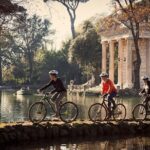
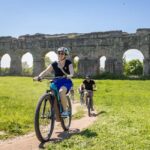
Rome looks different when you climb by bike. This guided e-bike tour tackles the Seven Hills and pairs classic monuments with big-city views that feel hard to get any other way. I especially like the electric fat bikes, which make first-time riders comfortable, and the live guide (often Sven) who connects what you see to how Rome changed from the Roman Empire to the Renaissance. One thing to consider: the ride is not always a quiet countryside cruise, because you’ll still be cycling near busy, tourist-heavy streets around major landmarks.
The tour runs about 3 hours and covers roughly 15 km with uphill climbs, in a small group capped at 8. You start at 21 Via dell’Orso, get a helmet and bike, then roll through the historic center with smart photo stops and scenic breaks.
In This Review
- Key highlights to look for
- Getting started at 21 Via dell’Orso
- The e-bike experience: fat bikes, easy power, real hills
- Quirinale to Trevi: classic Rome, quick photos, big energy
- Spanish Steps to Terrazza del Pincio: where the climb pays off
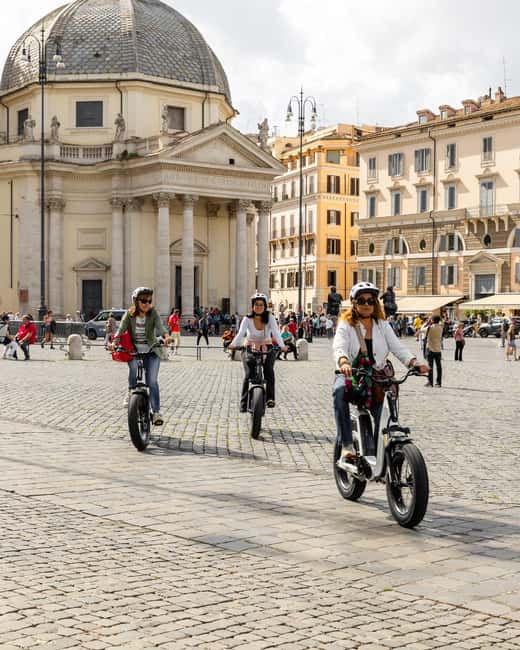
- Piazza del Popolo and Piazza Navona: two iconic squares, two different vibes
- Piazza della Rotonda to Portico d’Ottavia: ancient forms in everyday streets
- Piazza del Campidoglio to Circus Maximus: power, scale, and perspective
- Aventine Hill, Tiber Island, and Trastevere: the ride shifts gears
- Castel Sant’Angelo and the return: finishing with a landmark you can feel
- Value and who this tour fits best
- The one downside to plan around: traffic near the top sights
- A few smart tips to make your ride feel smooth
- Should you book the Rome E-Bike Tour of the Seven Hills?
Key highlights to look for
- Electric fat bikes that feel stable for beginners, including people who had never ridden an e-bike before
- Seven-hill viewpoints where domes, rooftops, and long urban sightlines finally make sense
- Historic anchor stops like Trevi Fountain, Piazza Navona, and Circus Maximus, used as chapters in the story
- Guides who pace the ride and explain Rome’s shifts in power and culture (Sven or Andre are examples)
- A practical “see a lot” format: 3 hours, about 15 km, and you still get stops for photos and walks
Getting started at 21 Via dell’Orso
Your day begins at 21 Via dell’Orso, at the shop where the staff meets you, hands over helmets, and gets you on the right bike. This isn’t a “mountain bike fitness test” setup. The e-bikes are designed to help you ride in Rome’s hills without feeling wrecked by the time you reach the viewpoints.
Right away, you’ll also get the core reality check: you must be able to ride a bike. If you can pedal, you’re set. If balancing on two wheels is a struggle, ask yourself honestly whether you’ll enjoy 15 km of city riding, even with electric help.
Finally, keep your kit simple. Comfortable shoes matter. Bring water, sunscreen, and your camera, because the best moments happen during the scenic pauses—when you’ll want to shoot domes, rooftops, and skyline angles.
You can also read our reviews of more cycling tours in Rome
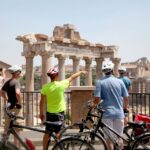
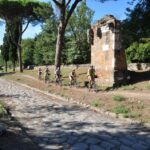
The e-bike experience: fat bikes, easy power, real hills
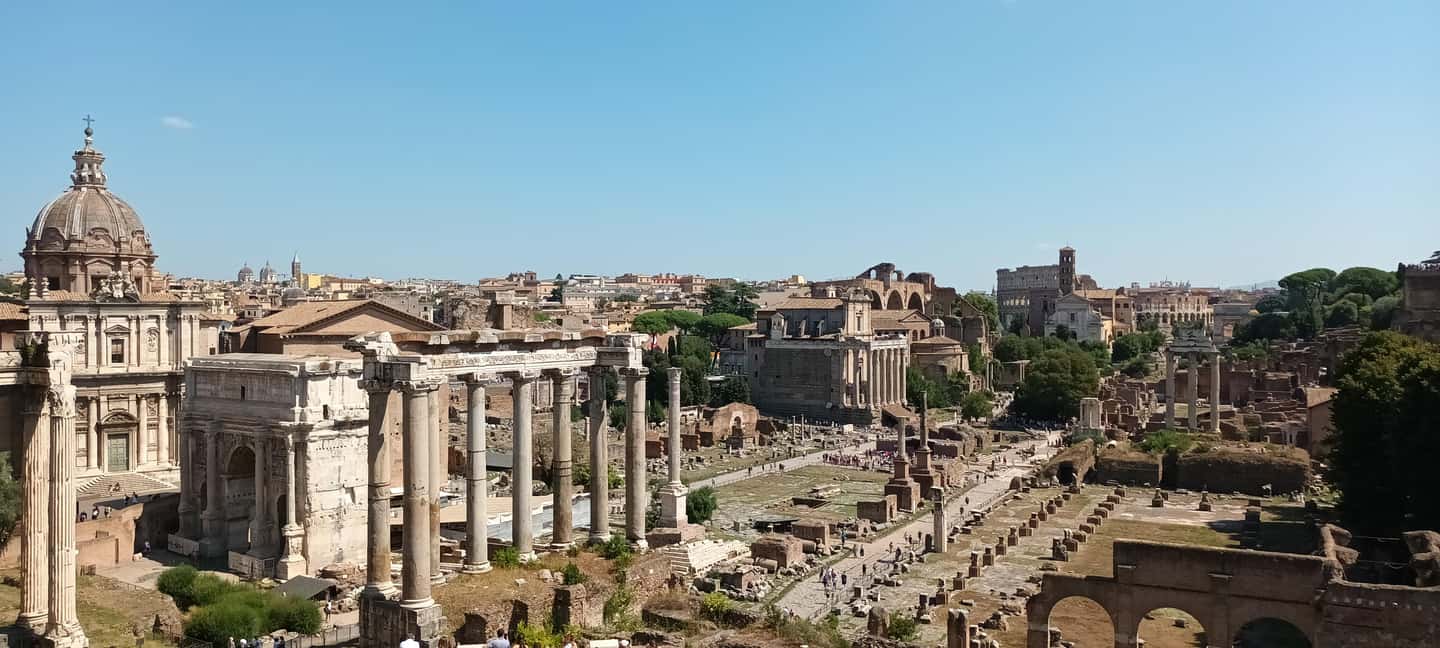
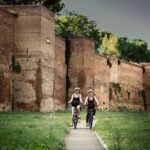
This tour uses electric fat bikes (thicker tires help with traction and a steady feel). In practice, this means you spend less time fighting the bike and more time watching where you’re going and listening to the guide.
The uphill climbs are real, though. The tour covers about 15 km and includes climbs, so you should have at least a baseline level of comfort walking and standing for short stretches at photo stops. E-bikes make it easier, but they don’t remove the hills from the physics. Think of this as active sightseeing, not a flat-stroll city hop.
Group size is also part of why the ride works. With a small group (up to 8), you can actually pay attention at intersections and still hear the guide’s explanations without playing guessing games.
Quirinale to Trevi: classic Rome, quick photos, big energy
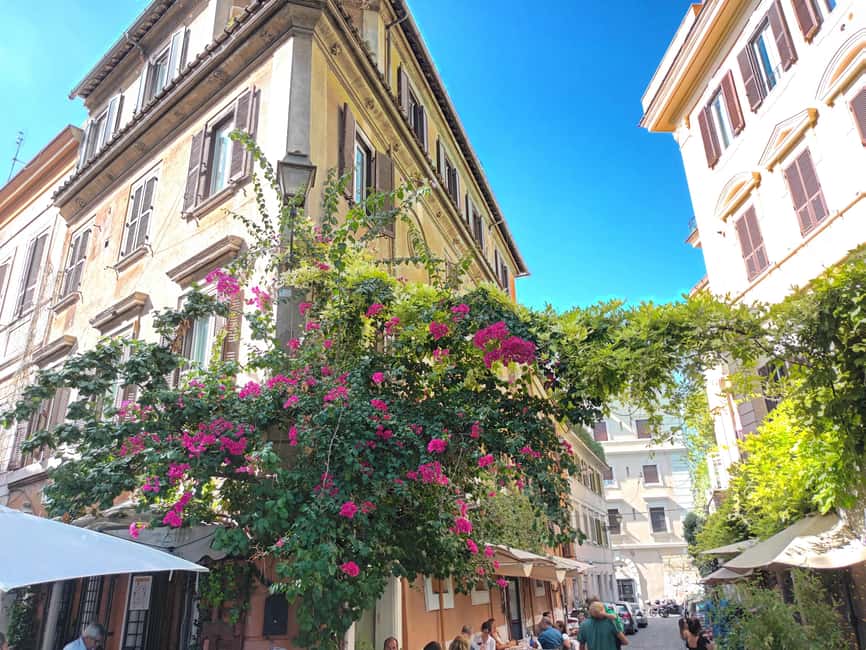
From Via dell’Orso, you head toward Piazza del Quirinale. Expect a photo stop and scenic views on the way as the ride starts to open up. This is a good “warm-up” section because you’re still getting oriented, learning the bike rhythm, and easing into the city’s pacing.
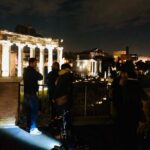
Then you roll into the Trevi Fountain area. You’ll have a photo stop and a chance to visit. Trevi is one of those places where you either get overwhelmed by crowds or you see it as a backdrop for storytelling. Here, you’ll get the second option: the guide uses the location to talk about how Rome evolved over time, from empire to later eras.
A practical note for Trevi: even with a bike tour, you’re not cycling through a quiet walkway. You’ll park/ride around it and spend part of the time on foot. If you hate crowds, focus on the photo stop timing and don’t feel like you must hang out for long.
Spanish Steps to Terrazza del Pincio: where the climb pays off
Next comes Santissima Trinità dei Monti, with another photo stop and views along the ride. This is the section where the tour starts to feel like it’s earning the “Seven Hills” promise, because the streets and elevations begin to shape the experience.
Then you reach Terrazza del Pincio for more panoramic views. This viewpoint-style stop is exactly what makes an e-bike tour different from a straight walking tour. You get a perspective that turns monuments into an interconnected city puzzle: domes, rooflines, and the way neighborhoods stack across terrain.
You may hear the guide connect what you see to different periods of Rome, not just list monuments. That framing helps you understand why certain sights were placed where they are, and how later changes built on earlier urban bones.
Piazza del Popolo and Piazza Navona: two iconic squares, two different vibes
Piazza del Popolo is a pass-by, meaning you’ll glimpse it from the bike and keep moving. It still matters, because it’s a classic Rome landmark used like a moving “chapter heading” before you dive into the next stop.
After that, you reach Piazza Navona, where you get a photo stop and a chance to visit. Navona tends to feel like a stage: open space, strong geometry, and lots of energy. What’s useful on this tour is that the guide uses Navona as part of the broader story of how Rome kept reinventing itself.
This is also where you start to appreciate the tour’s structure: you aren’t just riding past everything. You’re getting short, intentional pauses that help you absorb the city without losing the whole three-hour window.
You can also read our reviews of more tours and experiences in Rome
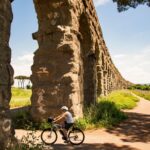

Piazza della Rotonda to Portico d’Ottavia: ancient forms in everyday streets
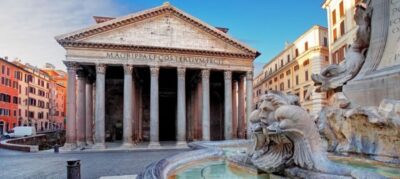
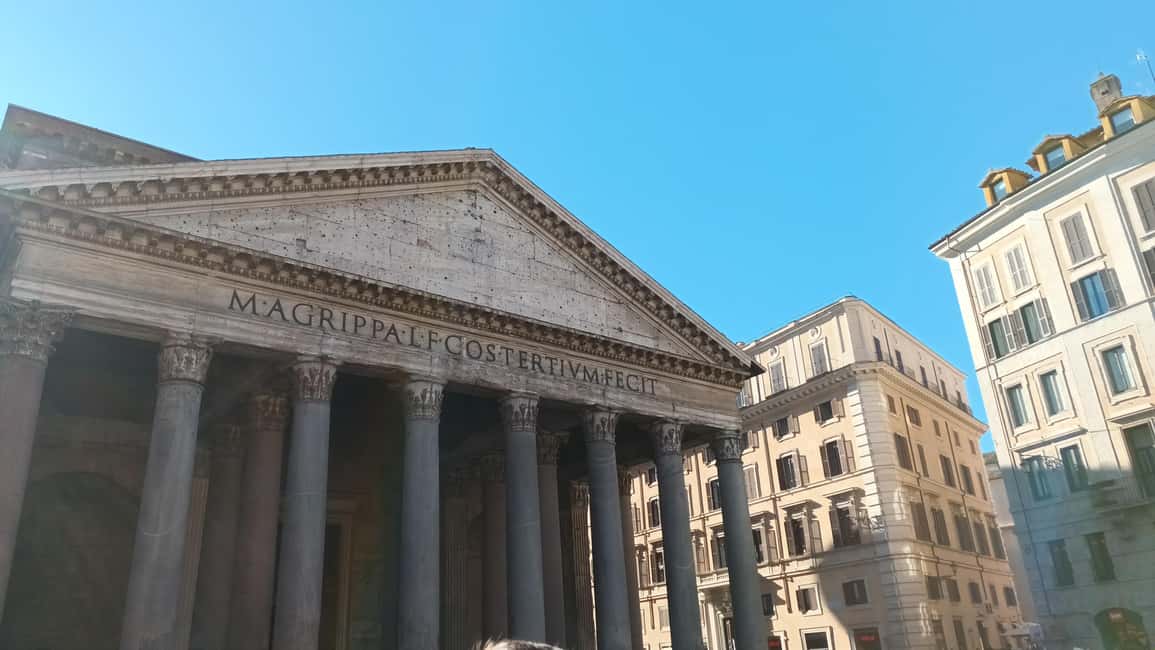
You’ll make your way to Piazza della Rotonda, Rome for a photo stop and continued cycling nearby. The key benefit here is repetition of perspective: you’ll see the monument-focused Rome, then quickly transition into Rome as a working city with ancient layers.
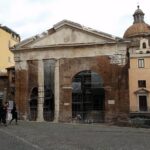
Then come Largo di Torre Argentina (pass by) and Portico d’Ottavia (photo stop and visit). These stops are especially valuable because they often feel less like postcard targets and more like real urban settings. Even when you only have a short visit window, the atmosphere sticks.
This is also a good time to remember the value of a live guide. The guide’s job isn’t only to point. It’s to explain how one era influences the next—so you stop thinking of Rome as separate attractions and start seeing it as one long conversation across time.
Piazza del Campidoglio to Circus Maximus: power, scale, and perspective
Piazza del Campidoglio is one of your photo stops with scenic views on the way. This area fits the Seven Hills theme in a very practical way: you get elevation, you get city sightlines, and you see how Rome’s leaders designed spaces meant to signal authority.
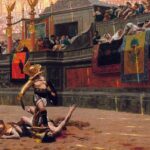
Next is Circus Maximus, pass by from the bike. You won’t be doing a long walk here, but the scale is the point. Even from a bike ride, Circus Maximus helps you feel the “big engine” of ancient Rome—how mass gatherings worked before modern stadiums existed.
If you’re the type who loves figuring out city layouts, this section is for you. It turns your sightseeing into a bit of spatial detective work: where power sat, where movement happened, and how the modern streets sit on older routes.
Aventine Hill, Tiber Island, and Trastevere: the ride shifts gears
You then head to Aventine Hill for another photo stop and scenic views on the way. Aventine is one of the easiest ways to understand why Rome’s hills mattered. It’s not just about climbing—it’s about where you can see and what you can interpret from that height.
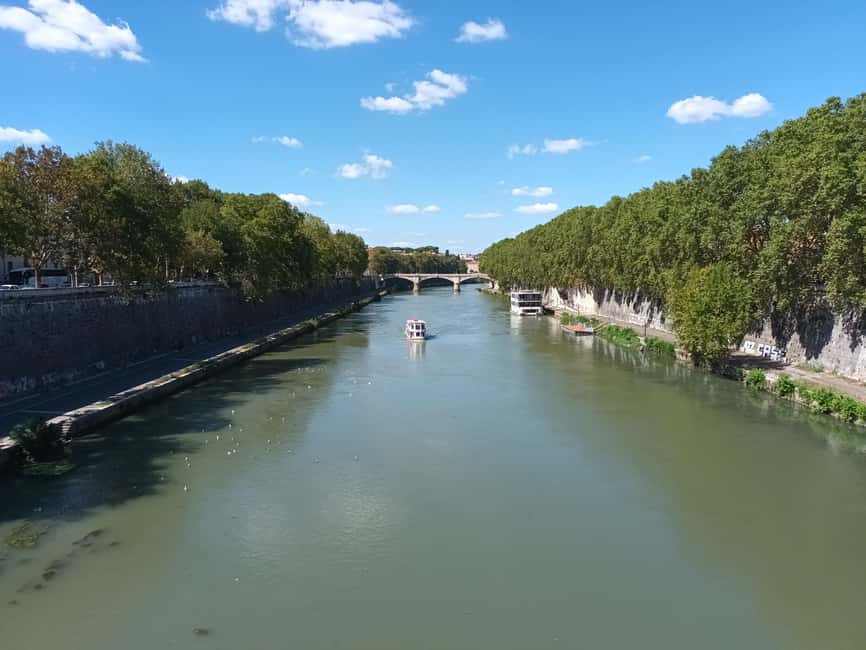
After Aventine, you stop at Tiber Island for a photo stop. This is a nice shift because it gives you a water-and-bridge angle. Rome looks different when the Tiber enters the frame, and you start noticing how the city’s geography guides movement.
Trastevere follows as a pass-by. You’ll get the neighborhood energy without turning your whole day into a wandering detour. If you like the idea of coming back later to explore Trastevere on foot, this tour gives you the mental map so you can do it intentionally.
Castel Sant’Angelo and the return: finishing with a landmark you can feel
The tour winds down with Castel Sant’Angelo, including a photo stop and scenic views on the way. This finish point works because it’s both recognizable and visually strong. It’s the kind of sight that makes you realize you’ve been cycling through the “spine” of Rome rather than just hopping between isolated attractions.
Then you arrive back at Via dell’Orso, ending the ride where you started.
One subtle benefit of the ending: you’re tired enough to be impressed by what you managed, but not so exhausted that you can’t keep exploring. A 3-hour format is ideal when you still want energy for dinner, gelato, and one last walk to chase sunset views.
Value and who this tour fits best
At $81 per person for a 3-hour ride, the value comes from what’s included. You get the e-bike rental, helmet, a live guide, and insurance. Entrance fees aren’t included, so if you want to go inside specific monuments, you’ll need extra budgeting and a little planning.
You also get something you can’t easily replicate on your own: an organized path that hits multiple major landmarks while still giving you hill-focused views. You’re not spending your limited time guessing routes, fighting circulation, or trying to turn the city into a coherent story alone.
This tour fits best if:
- you want a guided, paced way to see big Rome sights in one morning or afternoon
- you’re curious about how Rome evolved through multiple eras, not just what the buildings are
- you can ride a bike and handle some uphill effort, even with electric help
It’s not a good fit if:
- you can’t ride a bike
- you’re pregnant (not suitable)
- you have mobility impairments (not suitable)
- you’re traveling with children under 12 (not allowed)
The one downside to plan around: traffic near the top sights
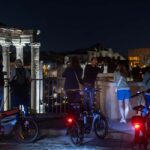
One caution I’d actually take seriously comes down to expectations. Rome can be busy, and around top attractions the ride can feel like an obstacle course of traffic and moving around dense crowds. E-bikes won’t change that reality.
What helps is understanding the tour’s rhythm: it’s designed to keep you moving between stops. If you were hoping for an ultra-relaxed hill cruise with minimal interaction with cars and pedestrians, you may feel the difference once you’re in the thick of the historic center.
That said, the guide experience matters here. Guides like Sven or Andre (both appear in real bookings) can make a big difference in how smoothly the group navigates and how often you get the kind of explanation that turns any stress into context.
A few smart tips to make your ride feel smooth
Bring water and sunscreen even if the weather looks mild. You’ll be outside, moving, and stopping for photos. Wear comfortable shoes you trust on uneven pavement and short walk-ups.
If you’re a first-time e-bike rider, don’t overthink it. The bike setup and the stable feel of electric fat bikes are part of the appeal. Still, take a moment to get your balance and learn how the power responds before you’re deep into the city.
Finally, treat photo stops like mini-missions. The best shots happen in the few minutes you’re given, so aim for a quick position check, snap photos, and then move on rather than getting stuck.
Should you book the Rome E-Bike Tour of the Seven Hills?
I think you should book this tour if you want an efficient, guided way to see major Rome landmarks and also earn those panoramic views from the hills. The included e-bike, helmet, and live guide make it feel like a ready-made solution for a city that can otherwise overwhelm your legs, your time, or both. It’s also a great match for beginner bike riders who still want a real sightseeing experience.
Skip it if you need low-stress riding at all times. If you strongly dislike traffic or crowded tourist zones, the “classic sights” part of Rome will still be part of the day.
If you book, you’ll likely come away with more than photos. You’ll have a mental map of Rome’s elevation and a clearer sense of how the Roman Empire, Christianity, the Renaissance, and later eras all shaped what you see from street level and hilltop viewpoints.