REVIEW · ROME
Rome: Paths of the Vatican Guided Tour
Book on GetYourGuide →Operated by Unlimited Explorations · Bookable on GetYourGuide
A secret Vatican route starts at a fortress. This 2-hour guided stroll makes Castel Sant’Angelo and Passetto di Borgo feel like more than postcards, with clear explanations that connect the castle to the Vatican’s world. One consideration: the tour does not include entrance tickets for Castel Sant’Angelo, Passetto di Borgo, or St. Peter’s Basilica, so you’ll likely want to budget extra if you plan to go inside.
What I like most is the pacing and the focus. You start right at Castel Sant’Angelo’s main entrance, then walk to St Peter’s Square along Via della Conciliazione with an expert guide pointing out the big story beats. You’ll also get the kind of route-thinking that helps first-timers feel oriented fast, and it’s offered in Italian and English (the guide may be bilingual or monolingual depending on the group).
In This Review
- Key Points You’ll Care About
- Rome’s Vatican “Paths” Walk: Why 2 Hours Works
- Castel Sant’Angelo: Hadrian’s Mausoleum to Papal Fortress
- Passetto di Borgo: The “Secret” Passage Made Understandable
- Borgo Pio: The Neighborhood Beat Between Landmarks
- Via della Conciliazione and St Peter’s Square: The Approach Matters
- St. Peter’s Basilica: What a Guide Helps You See
- Arch of Constantine: A Roman Reminder While You Walk
- Price and Value: Is $44.41 Worth It?
- Guide Quality: The Part People Keep Thanking
- Who Should Book This Vatican-Paths Walk
- Should You Book This Rome: Paths of the Vatican Guided Tour?
- FAQ
- Where do I meet the guide?
- How long is the tour?
- What’s included in the price?
- Are tickets included for Castel Sant’Angelo, Passetto di Borgo, or St. Peter’s Basilica?
- What language is the tour offered in?
- Is the tour suitable for people with mobility issues or back problems?
- What if I need to cancel?
Key Points You’ll Care About
- Castel Sant’Angelo’s transformation: Built as Emperor Hadrian’s mausoleum, later used as a papal fortress.
- Passetto di Borgo explained in plain terms: The elevated, safer connection between the castle and the Vatican.
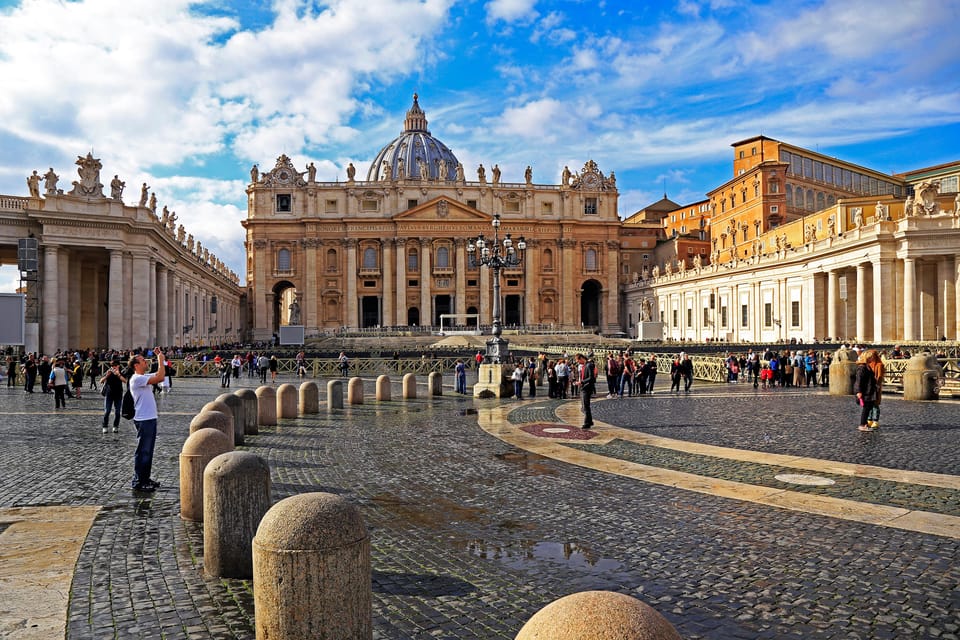
- A Vatican-side view of St Peter’s Square: How the space’s history supports its famous grandeur.
- Basilica time with a guide: What to notice in St. Peter’s Basilica when you’re there for the first time.
- You walk Via della Conciliazione: A major approach street that leads you straight into St Peter’s Square.
- Constantine’s arch is part of the route: You’ll be prompted not to miss the Arch of Constantine.
Rome’s Vatican “Paths” Walk: Why 2 Hours Works
If you only have a short window in Rome, this style of tour is a smart match. You’re not trying to do everything in one day—you’re focusing on key, connected landmarks that explain how Vatican power and Rome’s ancient world overlap.
You get a guided framework that matters at the Vatican. St. Peter’s area can feel overwhelming: big scale, lots of sightlines, and a constant parade of visitors. A structured walk helps you understand what you’re seeing as you move, instead of later trying to sort it all out from photos.
Timing is another plus. The experience is built around a tight route—about 2 hours from Castel Sant’Angelo to St Peter’s Square—so you can keep the rest of your day free for food, wandering, or a second look at whatever grabbed you most.
You can also read our reviews of more guided tours in Rome



Castel Sant’Angelo: Hadrian’s Mausoleum to Papal Fortress
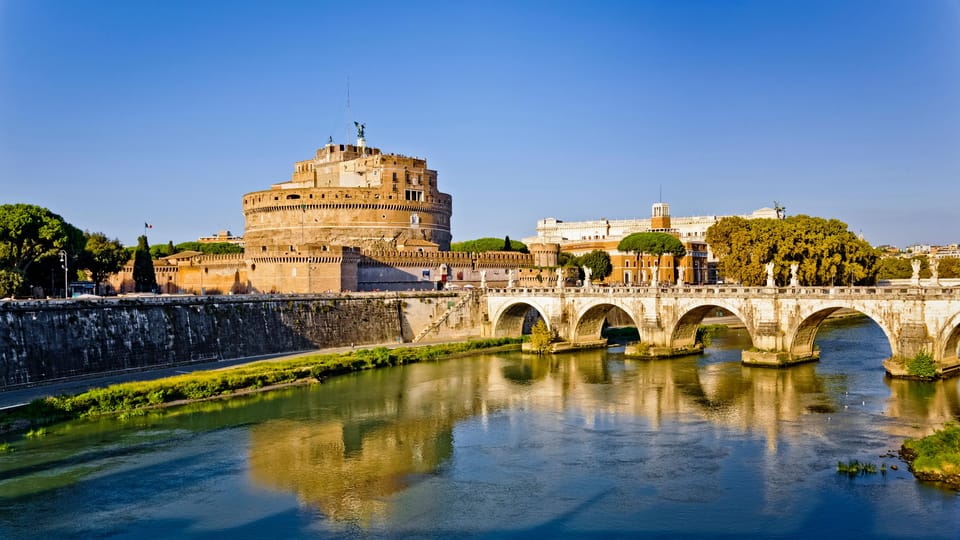
Your tour begins at Castel Sant’Angelo, at the main entrance, which is a good move. Instead of starting mid-block or far away, you start where the story becomes physical: thick walls, ramp-like shapes, and that unmistakable fortress presence.
Here’s the big idea the guide helps you grasp: Castel Sant’Angelo wasn’t born as a Vatican accessory. It started as the mausoleum of Emperor Hadrian. Later, it gained a new purpose as a papal fortress, which is why it sits so naturally in the Vatican story.
This stop is ideal because it teaches you to look outward from the castle. From there, you can understand why the next landmark—the Passetto di Borgo—exists. And once you see that connection, St Peter’s Square isn’t just a highlight. It becomes the other end of a longer safety-and-power logic.
What to watch for here: the fortress feel, the way the structure looks defensive, and the sense that it’s designed to function during crises—not just to impress. Even if you don’t enter the site, you’ll leave with a clearer mental map of what the castle was used for.
One practical note: entrance to Castel Sant’Angelo is not included. So if you want to go inside, you’ll need to plan for a ticket and extra time on top of the 2-hour guided route.
Passetto di Borgo: The “Secret” Passage Made Understandable
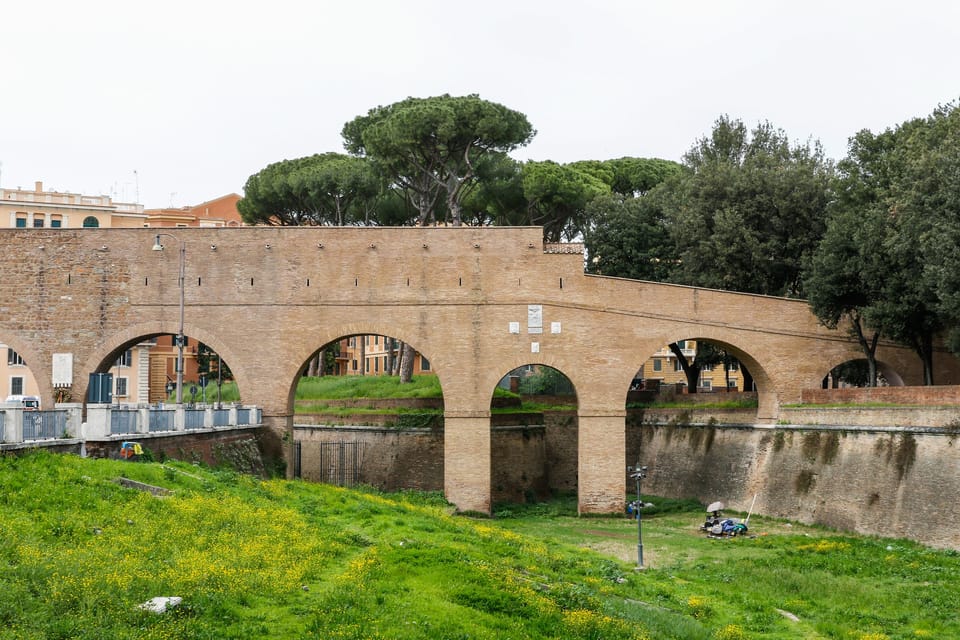
Next up is the Passetto di Borgo, described as the elevated passageway that connected the castle to the Vatican. The wording matters: it’s not magic or mystery tour talk. It’s a practical solution—an alternative route used in times of need.
The guide’s job in this section is to make the passageway feel real. You get context for why elevated, why connected, and why such planning mattered historically. This stop is only around 15 minutes on the walk, so the focus is on the essentials: what it was, what it allowed, and how it ties together the castle-and-Vatican relationship.
This is also where first-timers can shift from passive sightseeing to active understanding. You start to read the built environment like a system. The Vatican stops looking like a single “destination” and starts looking like an interconnected zone of power, security, and access.
Entrance to Passetto di Borgo is not included, based on what’s listed as excluded. So treat this segment as a guided look-and-explain stop rather than a full interior visit.
Borgo Pio: The Neighborhood Beat Between Landmarks
After the Passetto, you’ll walk through Borgo Pio for another guided segment. This matters more than it sounds. Big monuments get the attention, but the connective neighborhoods are what make the route feel like a living Rome, not a theme-park strip.
In Borgo Pio, you’re absorbing the “in-between” spaces that pilgrims and visitors have been crossing for centuries. Even when you’re not stepping into major museums, the streets and positioning help you understand the flow toward St Peter’s Square.
This section is also useful for pacing. After the fortress and passageway explanations, you get a breather while still moving forward. It keeps the tour from feeling like a sprint between famous points.
Via della Conciliazione and St Peter’s Square: The Approach Matters
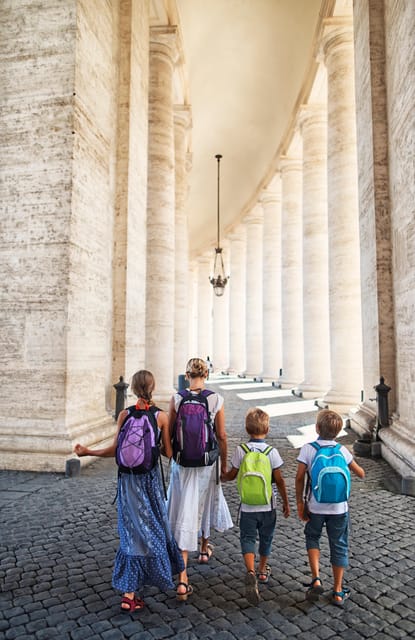
Once you head along Via della Conciliazione, the tour turns into a classic Rome-to-Vatican approach. This street is one of the most iconic routes into St Peter’s area, and walking it with a guide helps you understand how the space was meant to unfold visually.
St Peter’s Square is your next major stop, with about 30 minutes of guided time. The guide’s focus here is on history and importance—why the space looks the way it does and why it became a center for religious and public life.
I like this kind of framing because it turns the square from a “wow” moment into a “why.” You’ll have more than one answer ready for what you’re looking at once you know the story behind the space.
Also, St Peter’s Square is where orientation becomes practical. You’ll naturally start noticing sightlines: where the basilica sits, where crowds gather, and how the square works like a stage.






St. Peter’s Basilica: What a Guide Helps You See
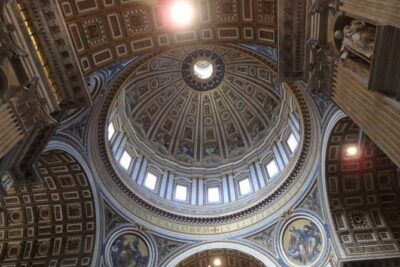
The tour continues with St. Peter’s Basilica for another guided segment of about 30 minutes. This is the part many people think they already know—because photos are everywhere. But the value here is in attention: a guide helps you pick out the details that are hard to spot when you’re just trying to keep up.
You’ll get a guided look at the basilica’s thousand-year history, plus guidance that ties art and architecture into the bigger narrative. For many first-timers, that is the difference between seeing a building and understanding the building.
Entrance to St. Peter’s Basilica is not included, based on what’s listed. So if you were imagining a full, ticketed entry as part of the tour price, double-check what you want for your visit and plan accordingly.
What you should do with your time in the basilica: don’t treat it like a checklist. Let the guide’s points set your priorities, then use the last moments to verify what you cared about most—architecture details, sculptural work, or major visual features the guide highlights.
Arch of Constantine: A Roman Reminder While You Walk
One extra historical note comes into play before you wrap up: you’ll have the opportunity to admire the Arch of Constantine. It’s a reminder that you’re not only in Vatican City’s story—you’re also in Rome’s ancient imperial world.
The value of including something like this isn’t that it becomes the main event. It’s that it broadens your brain while you’re already in walking mode. You start connecting eras instead of treating them like separate trips.
If you’re someone who likes small course-corrections away from the obvious, this is a nice touch.
Price and Value: Is $44.41 Worth It?
At $44.41 per person, the headline number looks simple. The real question is what’s included—and what you’re paying for.
You’re paying for an expert guide and a structured route through the Vatican-linked sights. Since entrances to Castel Sant’Angelo, Passetto di Borgo, and St. Peter’s Basilica are not included, you’re not paying for a “ticket-and-skip-the-line” package. Instead, you’re buying guidance, context, and time efficiency.
For me, that makes the price feel fair when your goal is understanding. A guide can save you from the most common Vatican mistake: walking in circles (or spending time staring without knowing what matters). This tour is built to get you moving with purpose.
If your goal is strictly inside-visits—big museums, long ticketed time, multiple entry points—then you may want to pair this with separate ticket plans. But if you want the key connections and the story beats in a compact timeline, it’s the kind of value you can feel immediately.
Guide Quality: The Part People Keep Thanking
This tour’s strongest feedback centers on the guide: very good preparation, and explanations that exceed expectations. That lines up with what this route requires. The landmarks are famous, but the connections—the reason the castle ties to the Vatican and why the passageway matters—don’t come automatically unless someone tells you what to notice.
In other words, the guide quality isn’t a bonus. It’s the engine of the tour. If you enjoy history that’s practical and connected, you’ll likely feel the payoff.
The language offering is also useful. The tour runs in Italian and English, and the guide could be bilingual or monolingual based on the group. If you’re counting on English, it’s smart to confirm the language when you book.
Who Should Book This Vatican-Paths Walk
This tour suits you if:
- You want a guided route that connects Castel Sant’Angelo, Passetto di Borgo, and St Peter’s area into one story.
- You like learning the “why” behind architecture and city planning, not just collecting photos.
- You have limited time and want to make your Vatican day feel organized.
You might want to skip or rethink if:
- You have back problems, mobility impairments, or motion sickness. The tour is not listed as suitable for those needs.
- You’re expecting entrances to be included for Castel Sant’Angelo, Passetto di Borgo, or St. Peter’s Basilica. They’re not included in what’s listed.
Should You Book This Rome: Paths of the Vatican Guided Tour?
Book it if you want a tight, story-led Vatican walk that starts with Castel Sant’Angelo and ends with St Peter’s Square, with a guide doing the heavy lifting on history and connections. It’s especially worth it at the price if you care about understanding what you’re seeing more than spending extra hours inside every site.
Don’t book it expecting full ticketed access to the castle, the passageway, or the basilica. If those interior visits are your top priority, plan to add tickets separately and be realistic about timing.
FAQ
Where do I meet the guide?
You meet your guide at Castel Sant’Angelo, right in front of the main entrance.
How long is the tour?
The tour lasts about 2 hours. Starting times vary, so you’ll want to check availability.
What’s included in the price?
The tour includes an expert guide.
Are tickets included for Castel Sant’Angelo, Passetto di Borgo, or St. Peter’s Basilica?
No. Entrance to Castel Sant’Angelo, Passetto di Borgo, and St. Peter’s Basilica is not included.
What language is the tour offered in?
The tour is offered in Italian and English. The guide could be bilingual or monolingual depending on the group.
Is the tour suitable for people with mobility issues or back problems?
It’s not suitable for people with back problems or mobility impairments.
What if I need to cancel?
Free cancellation is available up to 24 hours in advance for a full refund.