REVIEW · ROME
Rome: Doria Pamphilj Gallery Private Tour
Book on GetYourGuide →Operated by Rome Guides · Bookable on GetYourGuide
Private art can feel personal fast, especially in a noble palace. This private guided tour in the Doria Pamphilj Gallery takes you past major works by Caravaggio, Titian, Velazquez, and Raphael, with a local guide doing the hard work of making sense of style, symbolism, and context. I really like how you don’t just look at paintings—you get guided commentary that helps you see why these artists mattered.
Two things I’d make sure you don’t miss: the gallery’s chronological presentation across the four wings (floor to ceiling), and the way your guide ties big names like Velazquez and Bernini to what you’re actually seeing. One consideration: this tour is not recommended if you have limited mobility since it’s not listed as wheelchair-friendly and it’s set up for moving through the palace.
In This Review
- Key takeaways before you go
- Why the Doria Pamphilj Gallery feels different than Rome’s big museums
- Getting started at the Palazzo: quick arrival, easy entry
- How the tour moves through four wings in chronological order
- Caravaggio in focus: realism, emotion, and uncomfortable honesty
- Titian’s Salome: Renaissance drama you can read at a glance
- Velazquez and the Pope Innocenzo X portrait that steals the room
- Raphael, Tintoretto, Bernini, and Flemish masters: the guide connects names to what you see
- Gallery layout tips: how to see more in less time
- Price and value: what $135.94 gets you for a private 2-hour visit
- Who should book this private tour (and who should skip it)
- Should you book the Rome: Doria Pamphilj Gallery private tour?
- FAQ
- How long is the Doria Pamphilj Gallery private tour?
- Is this a private tour?
- What languages is the tour guide available in?
- Are entry tickets included?
- Do I need hotel pickup or drop-off?
- Is luggage or large bags allowed?
- Is it suitable for wheelchair users or limited mobility?
Key takeaways before you go
- Private local guidance focuses on standout works rather than “marathon museum” pacing.
- Four wings, chronological order helps you track artistic change without feeling lost.
- Caravaggio highlights include Rest on Flight to Egypt and Penitent Magdalen, handled thoughtfully.
- Titian’s Salome brings the drama of Renaissance storytelling into sharp focus.
- Velazquez’s Portrait of Pope Innocenzo X is a signature stop, and the mirrors room is great for photos.
Why the Doria Pamphilj Gallery feels different than Rome’s big museums
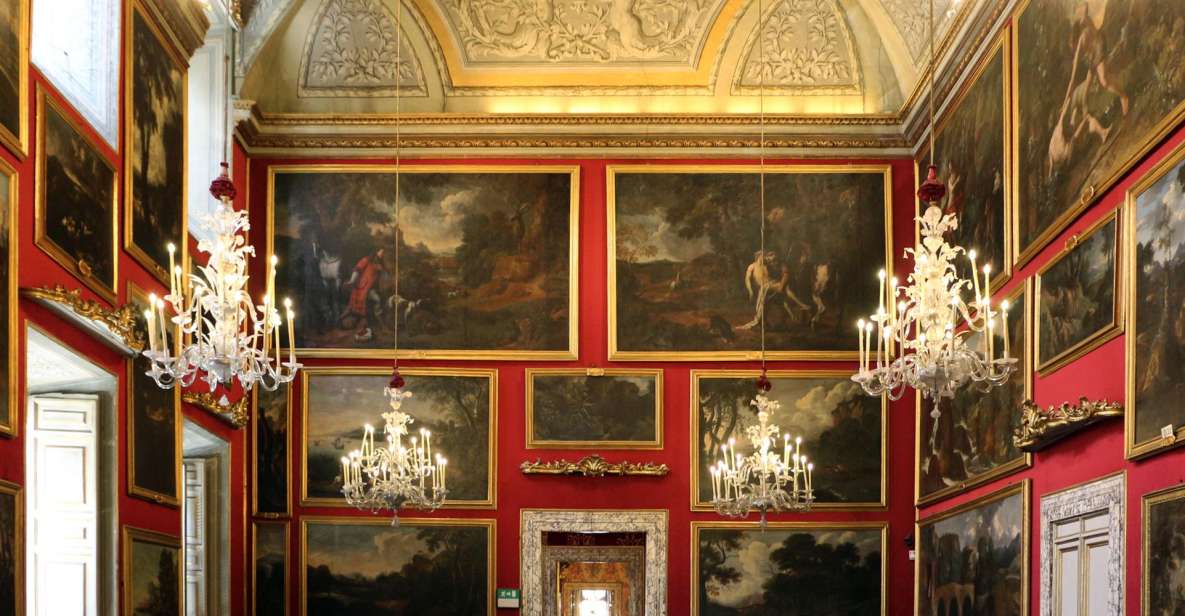
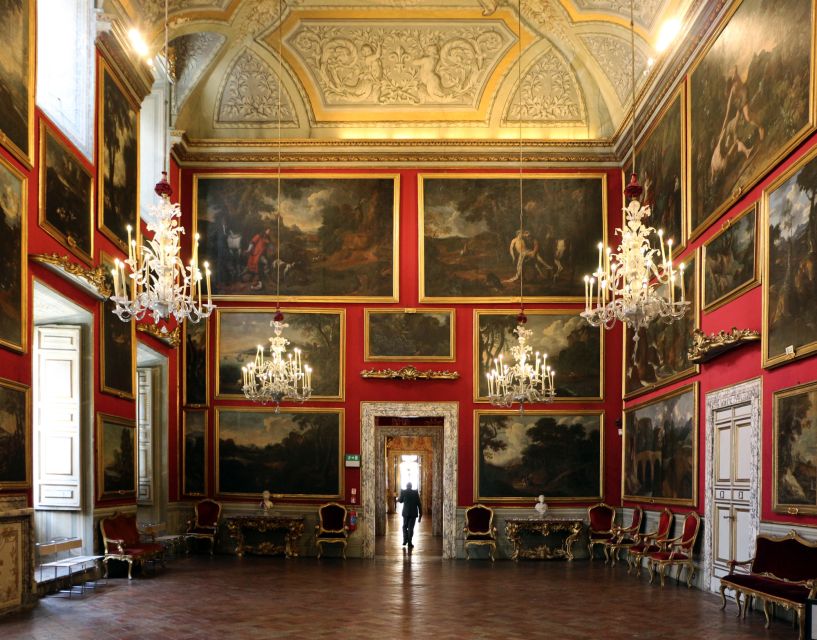
Rome has plenty of art. The Doria Pamphilj Gallery offers a different experience: it’s a private collection set inside the Palazzo Doria Pamphilj, and it’s designed for you to move through a curated sequence. That palace setting matters. It makes the paintings feel like they belong to a world, not like objects shipped in for display.
What I like for visitors is that the tour doesn’t require you to already know everything about Italian art. Your guide helps you read what you’re looking at—composition, lighting, realism, and the emotional tone—especially with the heavy hitters. You’ll spend time on Caravaggio, Titian, Velazquez, and Raphael, but you’ll also get the supporting cast (Tintoretto, Bernini, and Flemish masters) explained in a way that connects the dots.
It’s also a practical sweet spot. You’re there for about two hours, so you can enjoy real attention on key works without ending the day fried.
You can also read our reviews of more private tours in Rome



Getting started at the Palazzo: quick arrival, easy entry
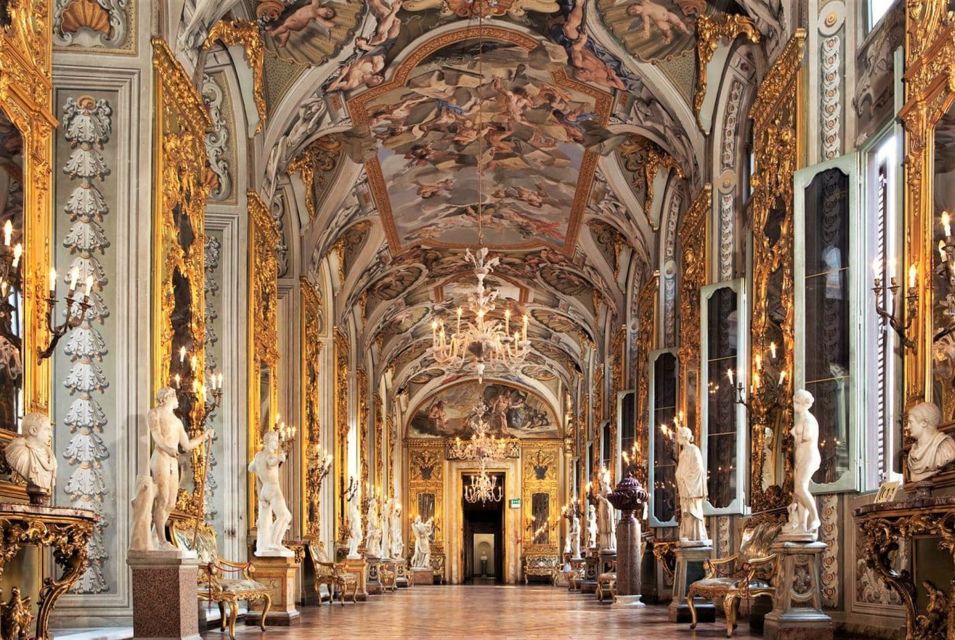
You’ll meet your guide at the start of the tour, and the rule is simple: arrive about 15 minutes early. Your guide holds a sign with the tour name, then hands you the entry tickets so you can focus on the art right away.
No hotel pickup is included, so you’ll want to plan your own way to the Palazzo Doria Pamphilj. Also, keep your packing in check: luggage or large bags aren’t allowed. If you’re coming straight from the train station or touring all day, this is the kind of detail that can save you hassle—have a smaller bag ready.
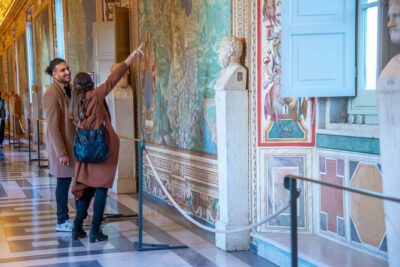
Once inside, the pacing is guided. Instead of wandering and hoping, you’ll move with a plan that keeps the collection from feeling overwhelming.
How the tour moves through four wings in chronological order
One of the smartest features of this kind of private visit is structure. The works are distributed across four wings, and you’ll see them in chronological order, from floor to ceiling. That matters more than it sounds.
Chronology is your shortcut to understanding change in art. You start to notice shifts in realism, drama, religious storytelling, and portrait style. A guide can point out what techniques look like on the wall—how a painter handles light, how faces are built, and how scenes are staged—without you needing art-history homework.
Because the collection runs across multiple spaces, you’re not just looking at one room of famous paintings. You’re building a mental timeline as you walk. For me, that’s what turns a visit from sightseeing into actual learning that still feels enjoyable.
Caravaggio in focus: realism, emotion, and uncomfortable honesty
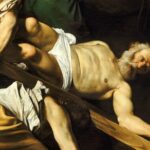
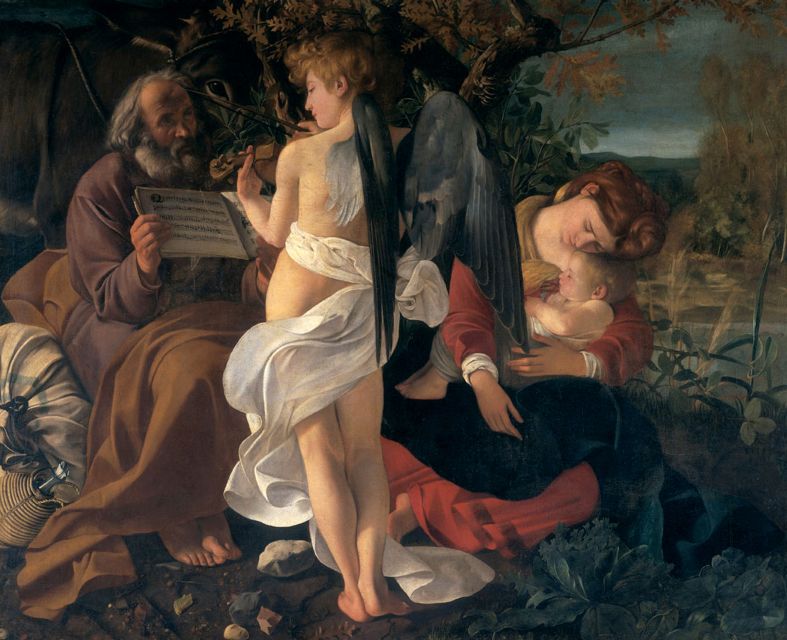
Caravaggio can be dramatic in the way he makes people look real. This tour spotlights two early works: Rest on Flight to Egypt and Penitent Magdalen.
With Rest on Flight to Egypt, the key is how Caravaggio handles human presence. It’s not art that floats above daily life. You’ll want to slow down and let the guide point out how the scene feels lived-in—how figures occupy space and how the mood lands.
Penitent Magdalen is a different kind of intensity: it’s about expression and inner tension. The emotional weight is the point, and that’s exactly where a good guide helps. You’ll learn what to look for beyond the obvious subject matter, so the painting stops being just a religious image and starts reading like a moment.
If you like art that feels close to the skin, this is one of the best reasons to book. Caravaggio’s work here isn’t an offhand stop; it’s treated as a centerpiece.
Titian’s Salome: Renaissance drama you can read at a glance
Titian’s Salome with the Head of John the Baptist is another standout. This painting is the kind of story art that gives you immediate hooks—figures arranged for maximum tension, strong narrative clarity, and a sense of spectacle.
What I find valuable on a guided tour is that you don’t just process it emotionally; you understand the choices. Your guide helps you see how Titian stages the scene, and how the painting’s drama fits into the bigger Renaissance idea of art as both storytelling and persuasion.
This matters if you’re not an art expert. You’ll walk away with a clear sense of what Titian is doing and why it worked. Without that, it’s easy to stare at a masterpiece and still feel like you missed the point.
You can also read our reviews of more museum experiences in Rome




Velazquez and the Pope Innocenzo X portrait that steals the room
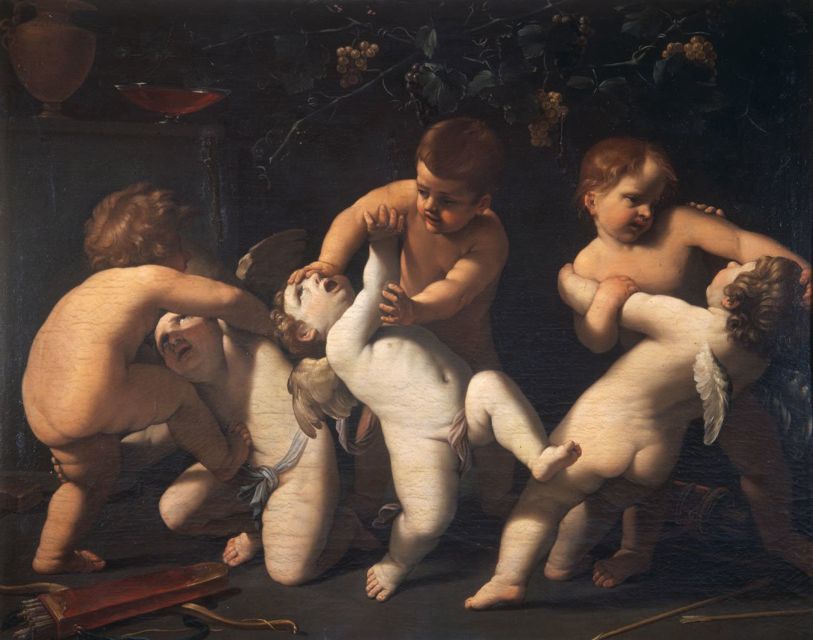
If you only remember one name from the tour, make it Velazquez—specifically the Portrait of the Pope Innocenzo X. It’s not just a famous painting. It’s a moment.
Portraits like this are about presence: posture, gaze, and the way status is communicated through paint. A guide helps you look for the details that create that power. You’ll likely notice the painting’s intensity isn’t in loud action; it’s in how stillness is made to feel charged.
This stop is also a reminder of why a private tour works. A public museum can push you past portraits quickly. Here, your guide slows the conversation down so the portrait can actually land.
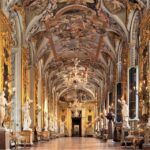
And then there’s the fun side: you’ll also get a chance to take a picture in the Gallery of the Mirrors. If you’ve ever wanted a classic Roman “wow” photo without hunting for it on your own, this is built in.
Raphael, Tintoretto, Bernini, and Flemish masters: the guide connects names to what you see
The collection doesn’t stop at the headline artists. You’ll also see works by Raphael, Tintoretto, Bernini, and various Flemish masters. The value isn’t in listing names—it’s in learning how they fit into the same visual world.
Raphael helps you understand the elegance and balance that influenced later painters. Tintoretto gives you another angle on dramatic storytelling. Bernini’s presence connects painting themes to the wider Baroque taste for theatrical emotion. Flemish artists can shift how you perceive realism and detail, depending on what’s on display during your visit.
Your guide’s job is to keep these from turning into a blur of styles. You’ll get historical context about the gallery and its collection, then apply that context directly as you stand in front of each work.
One extra bonus: because the tour covers art in sequence, these artists don’t feel like isolated trophies. They feel like stepping stones.
Gallery layout tips: how to see more in less time
Two hours goes fast, but you can make it count with a simple approach.
First, decide in advance which artists you care about most—Caravaggio, Titian, Velazquez, or Raphael. That way, when your guide points out details, your brain already knows what to prioritize.
Second, spend a little time looking before you move on. Even with a guided plan, it’s worth pausing for ten to fifteen seconds longer than you normally would. That’s how you catch expression, light effects, or staging choices that a quick glance misses.
Third, for the mirrors room, treat it like a photo window, not a long stop. The best photos happen when you’re ready quickly—so use the moment, get your shot, and keep moving while the rest of the tour is still fresh.
Price and value: what $135.94 gets you for a private 2-hour visit
At $135.94 per person for about two hours, this isn’t a budget drop-in. But value is more than cost. This is a private guided experience with entry tickets included.
Here’s how I’d think about it:
- You’re paying for time with a local guide who can connect works, not just a ticket to walk around.
- You’re getting a short, focused visit that targets major artists and specific masterpieces rather than making you search.
- You’re also saving some mental energy. A guide helps you interpret, so your time in the palace doesn’t feel wasted.
Whether it’s “worth it” comes down to your group style. If you like structured art viewing and you’d rather pay for clarity than wander, this tends to feel like a good match. If you’re the type who enjoys slow drifting without commentary, you might prefer a self-guided visit where you control pacing completely.
Who should book this private tour (and who should skip it)
This tour is a strong fit if you:
- want a private guide instead of a crowded museum experience,
- love major artists like Caravaggio, Titian, Velazquez, and Raphael,
- appreciate seeing how paintings change over time thanks to the chronological layout,
- enjoy a mix of serious looking and one fun photo moment at the Mirrors.
It’s less ideal if you:
- have limited mobility or need wheelchair access. The tour isn’t recommended for people with mobility impairments, so plan carefully.
Also remember the luggage rule. If you’re traveling heavy or bringing a big daypack, adjust ahead of time.
Should you book the Rome: Doria Pamphilj Gallery private tour?
I’d book it if you want an art visit with direction and real interpretation. The standout works—Caravaggio’s Rest on Flight to Egypt and Penitent Magdalen, Titian’s Salome, and Velazquez’s Portrait of Pope Innocenzo X—are the kind of masterpieces that reward a guide who can translate what you’re seeing into meaning.
Skip it if mobility is an issue for you, since it’s not positioned as wheelchair-friendly. And if you prefer to go completely on your own with no guidance, you may feel the cost more than the payoff.
FAQ
How long is the Doria Pamphilj Gallery private tour?
The tour duration is listed as 2 hours, with starting times depending on availability.
Is this a private tour?
Yes. It’s described as a private group experience.
What languages is the tour guide available in?
The live tour guide offers English and Italian.
Are entry tickets included?
Yes. Entry tickets are included in the tour price, and your guide will give them to you at the meeting point.
Do I need hotel pickup or drop-off?
No. Hotel pickup and drop-off are not included, so you’ll arrange your own transport to the meeting point.
Is luggage or large bags allowed?
No. Luggage or large bags are not allowed.
Is it suitable for wheelchair users or limited mobility?
It is not recommended for people with limited mobility, and it is not suitable for wheelchair users.
If you want, tell me your travel dates and how many people are in your group, and I can help you decide whether the private format is the best value for your pace.