REVIEW · ROME
Private Tour: Jubilee year Holy Sites of Rome
Book on Viator →Operated by Rome Private Excursions · Bookable on Viator
Rome’s holy sites feel different at sunrise. This private Jubilee-year route stitches together basilicas, relics, and the stories behind them—without the stress of figuring it out alone. You’ll start with Santa Maria Maggiore and work through several standout churches, each with details you’d miss if you were just sightseeing.
I especially like two things. First, the private pacing: it’s just you and your party, so questions don’t get rushed. Second, the way the guide connects art, relics, and big events into one clear thread (with help from guides like Massimo/Max and, sometimes, Manny).
One thing to consider: the dress code is strict (no shorts or sleeveless tops, and knees/shoulders covered). Also, lunch is on your own, and the Lateran basilica ticket isn’t included.
In This Review
- Key Things You’ll Notice on This Jubilee Holy Sites Tour
- How a Private 7-Hour Holy-Sites Plan Works in Rome
- 8:00 AM Pickup, Central Hotels, and the Dress Code Reality Check
- Stop 1: Santa Maria Maggiore and the Relic-Specific Story You’ll Want
- Stop 2: Basilica di Santa Praxedis, Titular Quiet, and Why It’s Worth the Detour
- Stop 3: Santa Croce in Gerusalemme and the Relic Checklist You Can Actually Follow
- The Holy Steps Monastery: Marble Steps, Pontius Pilate, and a Slower Moment
- Chiesa del Domine Quo Vadis: A Quiet Corner Outside the Usual Route
- Lunch Break: Plan It Like a Local, Not Like a Tourist
- St. John Lateran (Arcibasilica di San Giovanni in Laterano): Rome’s Cathedral and the Former Papal Home
- Basilica di San Paolo Fuori le Mura: Constantine’s Legacy and St. Paul’s Long Shadow
- Price and Value: What You’re Paying For at $488.71 Per Person
- Who This Tour Fits Best (And Who Might Want Something Else)
- A Quick Note on Guides: Massimo/Max and Manny’s Style
- Should You Book This Private Jubilee Holy Sites Tour?
Key Things You’ll Notice on This Jubilee Holy Sites Tour
- Santa Maria Maggiore relics tied to Pope Paul V, a Luke-attributed Mary and Child image, and even planks said to be part of Jesus’ crib
- Santa Croce in Gerusalemme where soil from Jerusalem, a piece of the Holy Cross, a Nail, thorns from the Crown, and Doubting Thomas’ finger are central to the story
- The Holy Steps at the monastery linked to the marble steps connected to Pontius Pilate’s palace
- Domine Quo Vadis in a calmer pocket outside the main center, a quick escape that still feels story-rich
- St. John Lateran as Rome’s cathedral and the former papal residence, with the important note that entry is not included in the price
- Top guides and logistics, especially when Massimo/Max helps with timing, parking, and pointing you to Jubilee details
How a Private 7-Hour Holy-Sites Plan Works in Rome
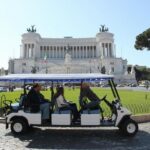
This is a 7-hour, hotel-pickup private tour built for people who want Rome’s Christian landmarks in a straight line, not a messy scavenger hunt. You’ll ride in a private vehicle with an English-speaking driver/guide arrangement and get dropped back at your hotel when you’re done.
The value here isn’t just that sites are famous. It’s that you get a guide who can translate what you’re looking at—why each place matters, what the relics are, and what symbols to notice while you’re standing in the room. In Rome, that kind of context makes a huge difference.
And because it’s private, you can move at a pace that fits your questions. If you want slower for photos or readings, you can. If you’re ready to keep going, you won’t get stuck waiting on a larger group.
You can also read our reviews of more private tours in Rome

8:00 AM Pickup, Central Hotels, and the Dress Code Reality Check
You start at 8:00 am, with pickup from your hotel or apartment in central Rome. If you’re coming from the airport, you’ll meet your driver after collecting bags—walk outside baggage claim through the sliding doors and look for a sign with your name.
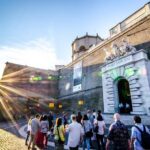
Plan your morning clothes with the churches in mind. The entry rules are clear: no shorts and no sleeveless tops for men or women, and knees and shoulders must be covered. If you ignore this, you can be refused entry, which is the last thing you want on a schedule like this.
Also note what this day assumes: you’ll be comfortable doing multiple church visits back-to-back. It’s not a sit-down museum day. You’ll walk, stand, and look closely.
Stop 1: Santa Maria Maggiore and the Relic-Specific Story You’ll Want
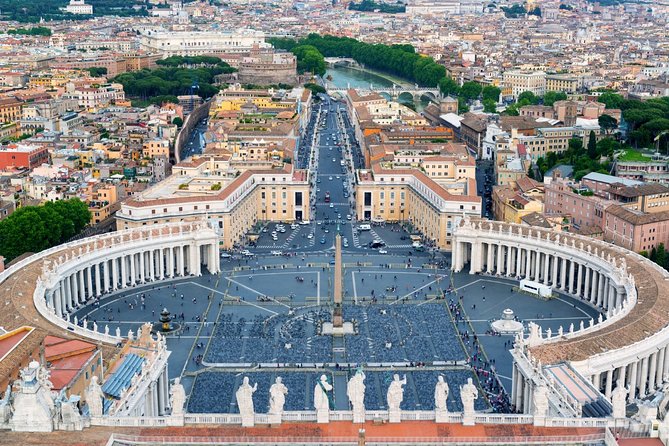
Your day begins at Basilica di Santa Maria Maggiore, the first church in Rome dedicated to the Virgin Mary. Inside, you’re not just looking at a beautiful interior. You’re learning how the basilica’s identity shaped devotion there for centuries.
What I like about this stop is how specific the talking points are. You’ll see the final resting place of Pope Paul V. You’ll also hear about an image of the Blessed Mary and Child attributed to the Evangelist St. Luke. Then there’s the detail many people never even realize to ask about: planks of wood believed to be part of Jesus’ crib.
If you’re the type who likes meaningful details over general facts, this is a strong opening. It sets your “spotting lens” for the rest of the tour.
Practical heads-up: the time at this first stop is about 30 minutes, and the emphasis is on where to focus inside.
Stop 2: Basilica di Santa Praxedis, Titular Quiet, and Why It’s Worth the Detour
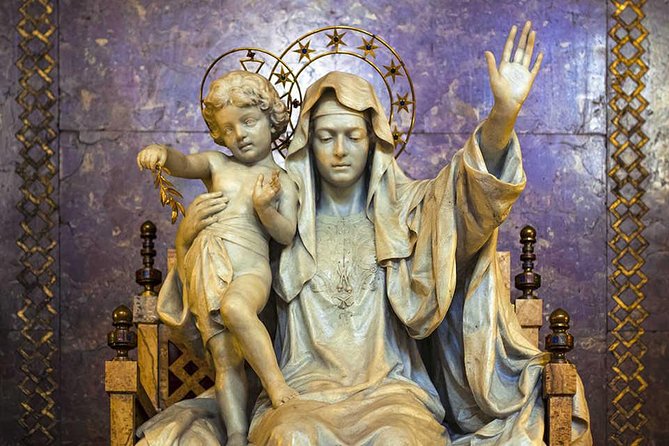
Next comes Basilica di Saint Praxedis, an ancient titular church near Santa Maria Maggiore. It’s the kind of place that can feel like a side street on a busy day—until you learn why it matters.
This stop works well in the middle of the morning because it’s not just spectacle. It’s atmosphere plus story, which helps you reset before the relic-heavy basilicas later.
You’ll keep moving with purpose, but you’re not doing it in a rushed blur. A private guide style means you can ask, especially if you’re curious about how these churches connect to early Roman Christianity.
Stop 3: Santa Croce in Gerusalemme and the Relic Checklist You Can Actually Follow
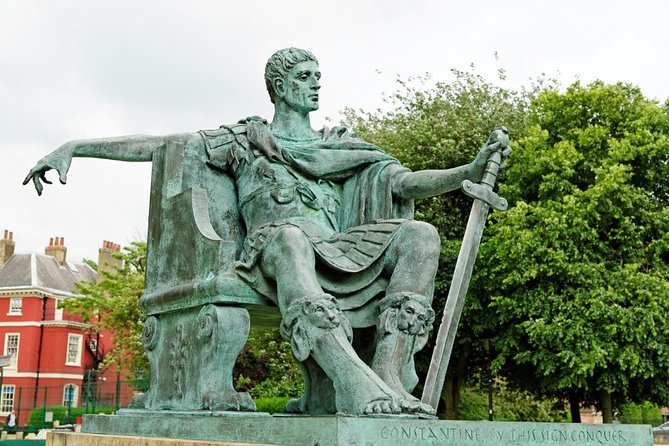
Then you reach Basilica di Santa Croce in Gerusalemme, often treated as a major relic site in Rome. The big theme here is the connection to Jerusalem through St. Helen, mother of Emperor Constantine the Great.
You’ll hear how soil from Jerusalem was brought to Rome so the church could be built on Jerusalem earth. From there, the experience becomes almost checklist-like—because the relics are central to what you’re supposed to notice.
You can expect to see:
- A small piece of the Holy Cross
- A Nail
- A description plaque tying the relics to their traditions
- Thorns attributed to the Crown
- Doubting Thomas’ finger
If you’ve ever visited a church and thought, I can’t tell what I’m supposed to look for, this stop fixes that. The guide basically gives you an orientation before you start looking.
Timing note: you’ll have about 30 minutes here, so it’s worth using the guide’s instructions early.






The Holy Steps Monastery: Marble Steps, Pontius Pilate, and a Slower Moment
After the relic-focused basilica stops, you’ll visit the Holy Steps, a Passionist monastery. This is where the tour adds a physical, reflective element.
The Holy Steps contain the marble steps believed to be linked to the palace of Pontius Pilate. The idea isn’t just to see stairs. It’s to understand how a devotional practice became part of the space and how the church frames the Passion story in Rome.
This is also a good pause in the day. Even with a tight schedule, it feels like the tour is telling you to slow down for a moment, look, and connect the place to the narrative.
Chiesa del Domine Quo Vadis: A Quiet Corner Outside the Usual Route
Next is Chiesa del Domine Quo Vadis, in a smaller, calmer area just outside the walls of Rome. This stop is short—about 15 minutes—but it’s intentionally placed as a breather between bigger, more formal basilicas.
I like this kind of stop because it gives you a change of pace. In the main center, everything can feel like one long line of crowds and landmarks. Here, you get a pocket of stillness and a story-driven visit.
It’s also a reminder that Rome’s sacred geography isn’t only the mega-sites. Some of the most memorable moments happen when the tour steps away from the obvious route.
Lunch Break: Plan It Like a Local, Not Like a Tourist

At about mid-day, you’ll take a lunch break. Your guide will suggest a nearby restaurant, or you can choose your own. Lunch costs are on you.
I’m a big fan of this setup because it’s realistic. These churches take time, and Rome food works best when you’re not hunting for a place 10 minutes before you’re hungry.
If you want an easy win, pick what the guide recommends. In a city like Rome, the “best option near your route” matters more than the “best option on paper.”
St. John Lateran (Arcibasilica di San Giovanni in Laterano): Rome’s Cathedral and the Former Papal Home
After lunch, you head to Arcibasilica di San Giovanni in Laterano. This is one of the big ones: the cathedral of Rome, the former house of the pope, and described as a triumph of Christianity in how it’s presented.
Here’s the practical detail: admission is not included. So budget for the ticket before you arrive, and don’t count on it being covered by the tour price.
This stop tends to land well for anyone who wants the “why this place matters” angle. It’s not only religious art. It’s also about understanding how Rome’s leadership and Christian institutions shaped each other over time.
Also, because it’s an important site, you may find you need more time than you think to take in the space. The guide can keep you moving while still pointing out what to focus on.
Basilica di San Paolo Fuori le Mura: Constantine’s Legacy and St. Paul’s Long Shadow
Finally, you visit Basilica di San Paolo Fuori le Mura, dedicated to St. Paul the Apostle. This basilica is described as being built by Constantine roughly 1700 years ago.
This is one of those places where the scale and setting tend to make people stop moving for a minute. It’s not just about seeing a church—it’s about feeling how enormous the early Christian world was in Rome.
The guide helps you connect the site to Paul’s role, and you’ll leave with a clearer sense of how this basilica became a cornerstone for devotion and storytelling in Roman Christianity.
After your last church stop, you return to your Rome hotel for drop-off.
Price and Value: What You’re Paying For at $488.71 Per Person
At $488.71 per person for about 7 hours, this isn’t a cheap add-on. But it can be good value when you look at what’s included and what you’re avoiding.
You are paying for:
- Hotel pickup and drop-off in central Rome
- A private vehicle
- A private, English-speaking driver/guide setup
- Guided time across several major sites where the “what am I looking at?” question can otherwise slow you down
In Rome, private guiding is often the difference between a day of staring at stone and a day of actually understanding why you’re standing where you are. The relic details—like the Holy Cross artifacts and the Holy Steps—are exactly the kind of things that benefit from a guide who can point, explain, and keep you from missing the key points.
There’s also a timing value. The day runs from 8:00 am and stays structured. It helps you see a lot of meaningful sites without losing time to wrong turns or long lines caused by unclear priorities.
Who This Tour Fits Best (And Who Might Want Something Else)
This tour fits best if you:
- Want a Jubilee-year focus on Christian sites, not a general Rome hits list
- Care about relics, devotional traditions, and what specific objects mean
- Prefer private pacing over joining a larger group
- Like asking questions and getting straight answers in English
You might consider a different style of tour if you:
- Are planning a very flexible day and don’t want schedules
- Don’t want to follow church dress rules
- Want a big food-focused day (lunch is on your own)
One more point: the average booking time is about 83 days in advance, which usually means the schedule sells out or tightens up. If you’re traveling during a Jubilee season window, plan earlier.
A Quick Note on Guides: Massimo/Max and Manny’s Style
The standout theme in the feedback is the guide quality. Massimo, often referred to as Max, comes up again and again for very strong church history storytelling and helpful on-the-ground guidance, including where to go to see Jubilee details.
There’s also mention of Manny as an excellent, patient guide. In other words, this tour leans on the guide to make the day click.
If you’re hoping for extra help—like suggestions for where to attend Mass or arranging a nearby English-speaking experience when timing allows—these guides may be able to help. Just treat it as something that depends on availability, not a guarantee.
Should You Book This Private Jubilee Holy Sites Tour?
Book it if you want a focused day devoted to major Christian Rome landmarks, with a guide who can connect the dots for you. The strongest reason is simple: the day is packed with relic-linked stories and devotional sites, and those details become more meaningful when someone explains what to look for.
I’d hesitate if you hate tight church timing, don’t want to dress appropriately, or you’re hoping for a fully food-included experience. Since Lateran ticketing and lunch are not included, you’ll have a couple extra expenses to plan for.
If you want an orderly, meaningful route that respects your time—and gives you the kind of answers that make the stones feel less random—this is a strong choice.