REVIEW · ROME
Rome: Campo de Fiori & Ghetto Street Food Sightseeing Tour
Book on GetYourGuide →Operated by Bea Tours · Bookable on GetYourGuide
Rome has a way of feeding your curiosity fast. This Campo de’ Fiori and Ghetto street food tour pairs classic Roman bites with real neighborhood stories, from market energy to darker history. I love how the route makes food feel connected to place, not just a checklist.
I also like the human side: guides like Andrea and Marco know how to explain the what-and-why without turning it into a lecture. You get wine and beer samples alongside generous tastings, so it feels like a true local evening out, even when you’re walking the whole time.
One consideration: this tour is not suitable for vegans and it’s also not for people with lactose intolerance, and you’ll want to plan on buying anything extra since only the included tastings are covered.
In This Review
- Key things that make this Rome street food + Ghetto tour special
- Start at Campo de’ Fiori and meet Giordano Bruno
- Roman street food tastings: supplì, pizza al taglio, carciofi alla giudia, and more
- Market energy and the morning add-on with truffles, olive oil, and balsamic
- Wine and beer samples: small pours, good pacing
- Via dei Chiavari and the Theatre of Pompey: quick looks, big payoff
- “Secret” alley stop: where stories stick to the pavement
- Jewish Ghetto walking route: Portico d’Ottavia and the Great Synagogue area
- Largo di Torre Argentina and the Area Sacra di Largo Argentina dessert finish
- Price and value: what $41 gets you in a 2.5-hour walk
- Who should book this Campo de’ Fiori & Ghetto street food tour
- Should you book this Rome street food and Ghetto sightseeing tour?
- FAQ
- How long is the Rome Campo de’ Fiori and Ghetto street food tour?
- How much does the tour cost?
- Where does the tour meet?
- What food and drinks are included?
- Is the tour suitable for vegans or lactose intolerance?
- Can vegetarians join?
- What language are the guides?
- Can I cancel for a refund?
Key things that make this Rome street food + Ghetto tour special
- Campo de’ Fiori market-to-evening vibe sets the tone right away, whether you’re there in the day bustle or the night social mood
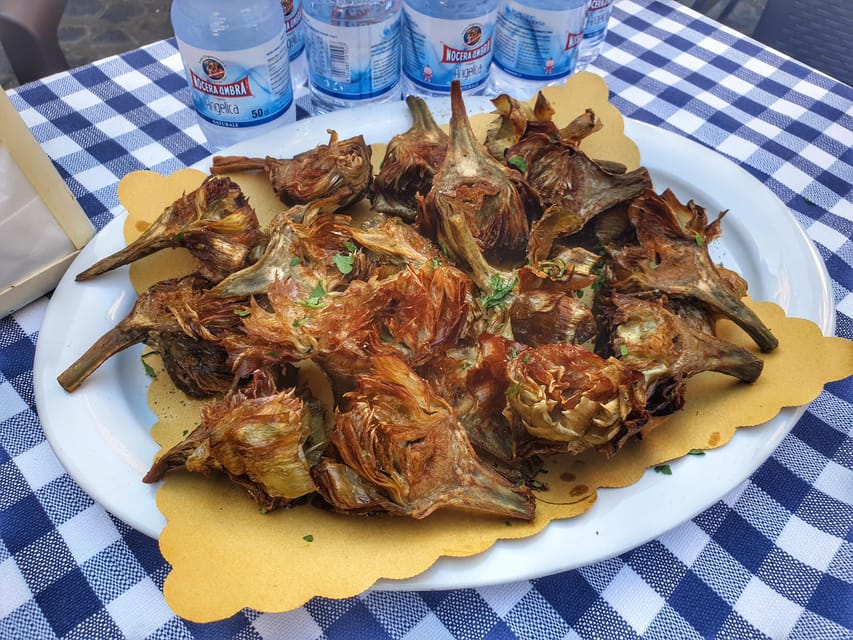
- Roman classics in real portions: supplì, pizza al taglio, cured meats, fried artichoke, and ice cream
- Wine and beer samples are part of the pacing, not an afterthought
- Short, guided sightseeing stops turn streets into context, including Pompey Theater and Largo Argentina
- Jewish Ghetto walking history connects sites like Portico d’Ottavia and the Great Synagogue area into one route
- English-speaking guides keep it easy to follow, even when the stories get heavy
Start at Campo de’ Fiori and meet Giordano Bruno
Your tour meets at the Giordano Bruno statue in Piazza Campo dè Fiori. That location matters. Campo de’ Fiori is the kind of square where Rome is on display: traders, shoppers, people-watching, and the constant hum of daily life. You’re not starting on some empty museum path. You’re starting where locals actually move.
From there, the first stretch is all about orientation. You’ll skim the square and then transition on foot into the surrounding alleys. If you’re used to big “hop on-hop off” Rome sightseeing, this gives you a different angle. The city feels smaller because you’re walking through it like a resident would—at snack speed, with a guide keeping the story straight.
You can also read our reviews of more food & drink experiences in Rome
Roman street food tastings: supplì, pizza al taglio, carciofi alla giudia, and more
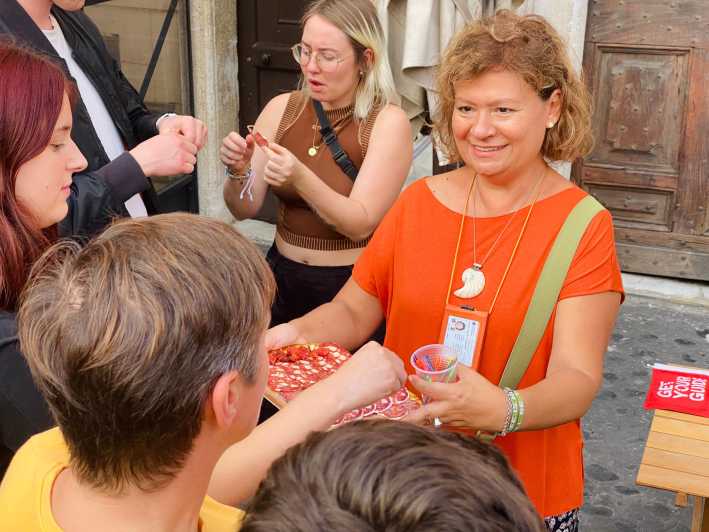
The core of this tour is food. And not just one bite here and there. You’ll hit multiple stops designed around the classic Roman hits:
- Supplì (deep-fried rice balls): crunchy outside, warm inside, and a perfect Rome “starter” because it’s simple to understand and hard to resist.
- Pizza al taglio (pizza by the slice): thin, crispy, and usually sold fast—so you’re eating something that fits the Roman rhythm.
- Carciofi alla giudia (fried artichokes): salty, dramatic, and very Roman. If you like fried snacks, this is a highlight.
- Cured meat: the kind of flavorful bite that pairs naturally with wine and keeps the tastings varied.
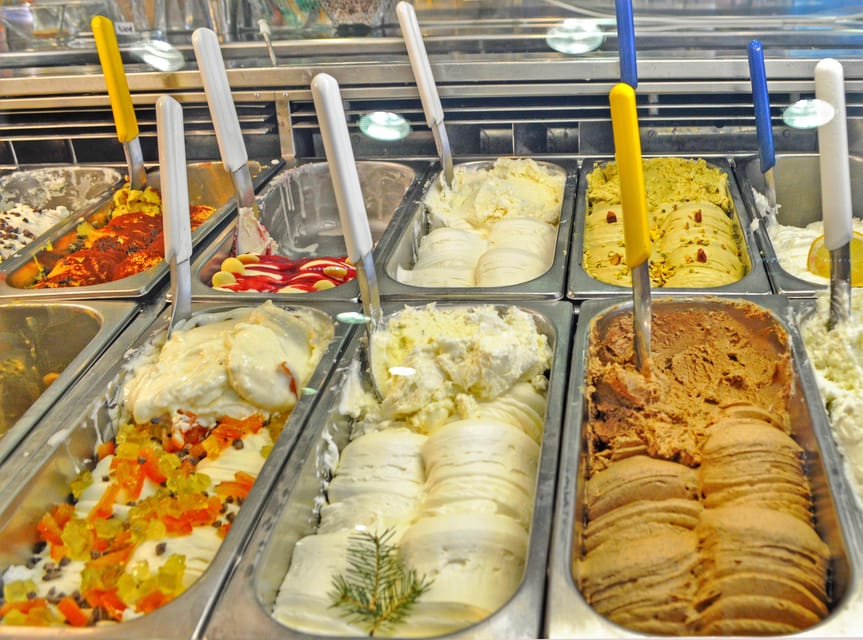
- Fried artichoke and ice cream: the tour doesn’t end on savory. It closes with an artisanal-style sweet stop near Largo di Torre Argentina.
What makes this tasting setup feel worth it is the mix of textures. You’re getting crunch (supplì, pizza), intensity (fried artichokes), and a palate reset (ice cream). It’s also not just “random food stops.” The stops are connected by theme and geography—Campo de’ Fiori into the walk toward the Jewish Ghetto and then out toward Largo Argentina.
If you have dietary needs, take the “included” part seriously. Vegetarian options are required in advance, and the tour is not suitable for vegans. If you’re lactose intolerant, this is also a no-go based on the tour info.
Market energy and the morning add-on with truffles, olive oil, and balsamic
One useful difference: morning tours add a local market visit. If your departure is in the morning, expect tastings tied to classic Roman pantry favorites—truffles, olive oil, and balsamic vinegar. This gives you a deeper sense of how flavors show up later in the meal chain.
Even if you’re joining an afternoon/evening-style departure, the tour starts in a place shaped by food culture. Campo de’ Fiori is a market square by day and a social stop later. You’ll feel the shift as you move from the open-air market atmosphere into dining spots and snack counters tucked into nearby streets.
Practical tip: come hungry, but not starving. The tastings are designed to keep you comfortable across a 2.5-hour walk. You’ll eat enough to stay full, but it’s still a walking tour, not a sit-down feast with long gaps.
Wine and beer samples: small pours, good pacing
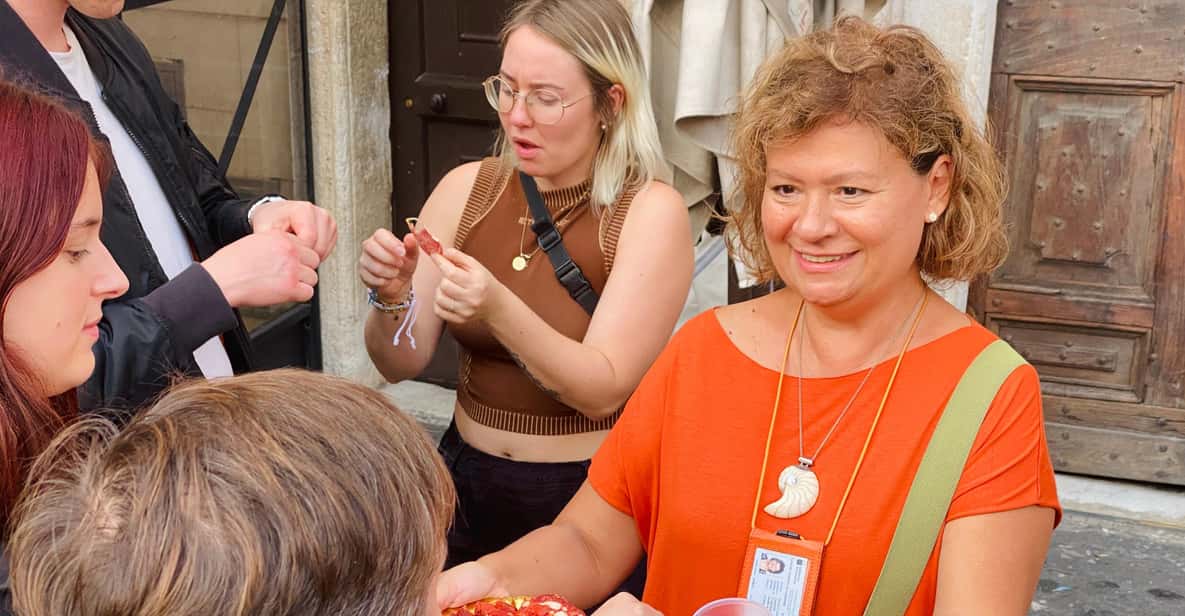
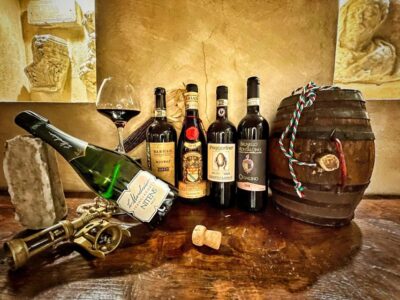
This tour includes wine and beer samples. The word you want here is samples—small enough that you can still enjoy the walking and sightseeing without feeling weighted down.
The timing also helps. You’ll eat first, then sip with the food rather than switching into “drinking mode” right away. That’s a big deal on a Rome walking tour. It keeps your attention on the guide and the street-level details instead of just counting minutes until you sit.
If you’re the type who likes to taste rather than commit to one big bottle, you’ll probably love this approach. And if you’re planning to keep drinking after, you’re starting with a taste baseline instead of making Rome your first major alcohol decision of the day.
Via dei Chiavari and the Theatre of Pompey: quick looks, big payoff
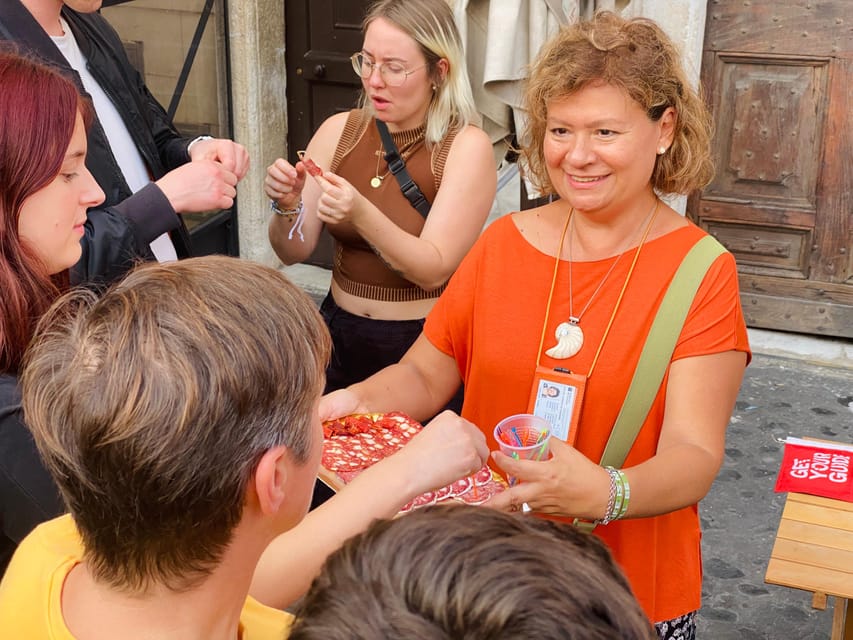
After you leave the early tasting area, you’ll get an on-foot sightseeing stretch that’s built for short attention spans and photo moments.
You’ll pass along Via dei Chiavari and then reach the Theatre of Pompey area. The tour doesn’t stay for a long museum-style stop—it’s more like the guide points out what to notice so you can actually see it. You get the why behind the location, not just the “here’s a historic thing” energy.
Why I like this part of the route: Rome can feel chaotic if you don’t know what you’re looking at. A quick, guided “look here, notice this” moment makes your self-guided walk afterward much easier.
You can also read our reviews of more tours and experiences in Rome




“Secret” alley stop: where stories stick to the pavement
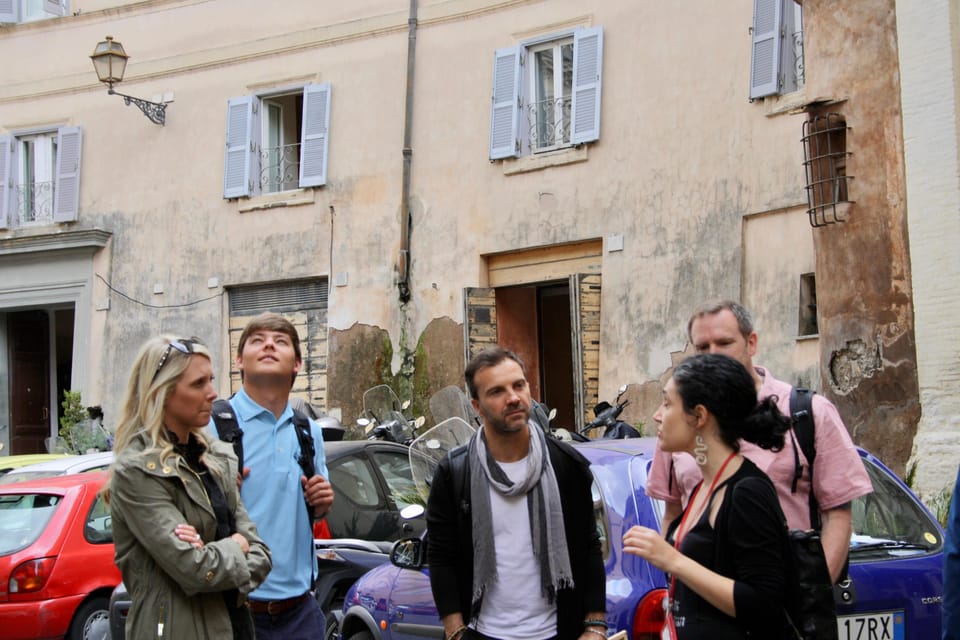
There’s a short guided stop described as a secret stop—about a few minutes on foot. These micro-stops are more important than they sound. In Rome, the difference between random streets and meaningful streets is usually a good explanation plus one clear visual cue.
This kind of stop is where a guide can connect the neighborhood’s past to what you see right now—materials, street layout, and the way the area evolved. It’s the moment when the walking tour starts to feel like more than snacks.
If you want to get the most from this portion, keep your phone away for a minute and just listen. Rome’s history isn’t only on stone plaques; it’s in the street geometry and repetition of landmarks.
Jewish Ghetto walking route: Portico d’Ottavia and the Great Synagogue area
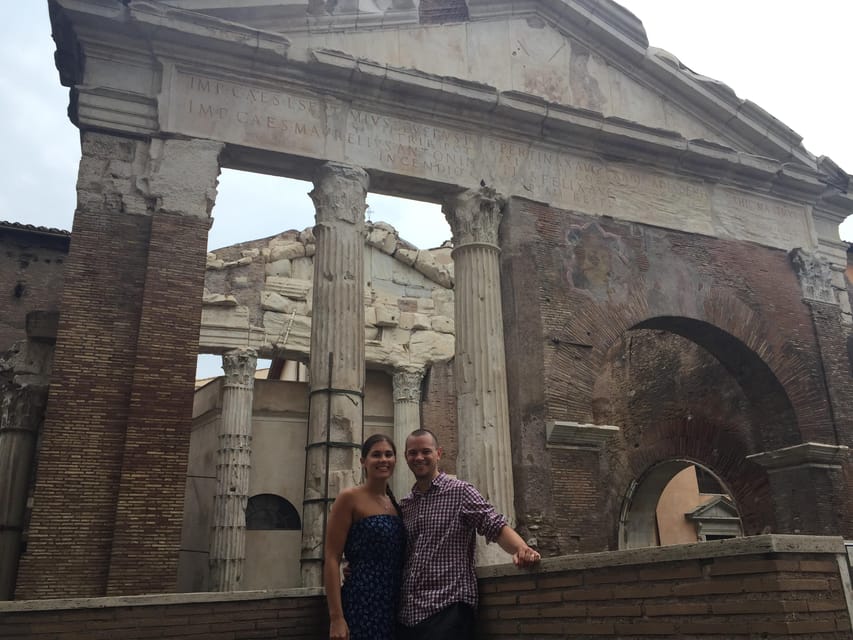
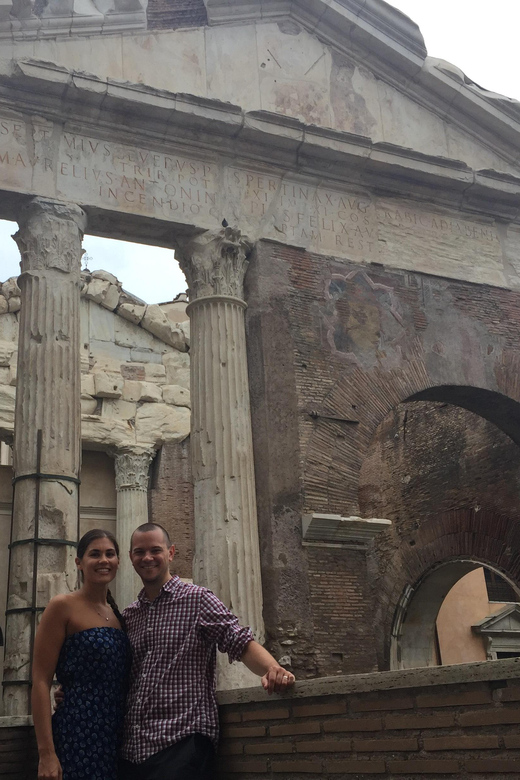
The historical center of the tour is the Jewish Ghetto route. You’ll walk through the area with guided context and sightseeing, including stops around Portico d’Ottavia and the Great Synagogue of Rome area.
This is also where the tour’s subject becomes weightier. The info shared ties Jewish Ghetto history into Rome’s wider story, including references to major figures such as Julius Caesar and Giordano Bruno. The point isn’t to memorize names. It’s to understand why these places matter and how the city’s layers overlap.
A smart reader move here: slow down during this segment. Don’t rush photos. You’re walking through a living reminder that history in Rome isn’t just ancient—it shapes neighborhoods, culture, and identity today.
Largo di Torre Argentina and the Area Sacra di Largo Argentina dessert finish
The tour ends in the Area Sacra di Largo Argentina area. Before that finish, there’s a dessert stop near Largo di Torre Argentina.
Largo Argentina is one of those Rome zones where the name alone hints at something important, and the tour keeps it simple: you get a sweet final bite and a guided connection to what the site represents. It’s a clean way to close the loop. Earlier you’re learning and eating your way through neighborhoods. Here you slow down and let the final story land.
If you plan to keep exploring afterward, this ending point is helpful. You’re not dropped somewhere random. You finish in an area tied to major historical meaning.
Price and value: what $41 gets you in a 2.5-hour walk
At $41 per person for 2.5 hours, this tour sits in a reasonable mid-range for central Rome. The value comes from what’s included: street food, wine sample, beer sample, and a professional English-speaking guide.
What you should think about when judging the price:
- You’re getting multiple food types, not just one tasting.
- You’re getting guided history across multiple sites: Campo de’ Fiori, Pompey Theater area, Jewish Ghetto landmarks, and the Largo Argentina zone.
- You’re paying for time-saving. Rome is easy to wander, but it’s harder to connect all the dots without help.
The only cost note to take seriously: additional food and drinks are not included. So if you normally snack constantly, budget a bit beyond the tour.
Who should book this Campo de’ Fiori & Ghetto street food tour
This is a strong match if you want:
- A first-timer food intro to Rome that also gives you sightseeing context
- An easy, guided walk instead of map-checking on your own
- A mix of classic Roman flavors like supplì, pizza al taglio, and fried artichokes
- English commentary that ties food to neighborhoods
It may not be the best choice if:
- You’re vegan or need strict avoidance of ingredients (the tour explicitly says it’s not suitable for vegans)
- You’re lactose intolerant
- You want a long sit-down meal with resting time (this is a walking tour)
Should you book this Rome street food and Ghetto sightseeing tour?
If you like eating while you learn, I’d say yes. This tour does two things well at once: it feeds you with real Roman standards and it gives you street-level history around the Jewish Ghetto and major landmarks like Pompey Theater and Largo Argentina. The included wine and beer samples also make it feel like a night out, not just a day activity.
Book it especially if you’re short on time and want a route that makes central Rome make sense fast. If you’re vegan or lactose intolerant, skip it and look for a different food tour that can genuinely handle your needs.
FAQ
How long is the Rome Campo de’ Fiori and Ghetto street food tour?
The tour lasts 2.5 hours.
How much does the tour cost?
It costs $41 per person.
Where does the tour meet?
The meeting point is at the Giordano Bruno statue in Piazza Campo dè Fiori.
What food and drinks are included?
You get street food tastings, plus wine samples and beer samples, along with a professional guide.
Is the tour suitable for vegans or lactose intolerance?
No. It is not suitable for vegans and not suitable for people with lactose intolerance.
Can vegetarians join?
Yes, but vegetarian options are required in advance.
What language are the guides?
The tour guide speaks English.
Can I cancel for a refund?
Yes. You can cancel up to 24 hours in advance for a full refund. There’s also a reserve now & pay later option.