REVIEW · ROME
Rome by Golfcart: City Ride
Book on GetYourGuide →Operated by Discover Rome Tours · Bookable on GetYourGuide
Rome rolls by in a golf cart. This private eco-friendly ride strings together major sights and scenic streets with an English guide, so you’re not stuck zigzagging on foot all day. I especially like the 15-minute rhythm at each landmark, which makes the whole route feel efficient without turning it into a sprint. The main trade-off: because every stop is short, you’ll see and photograph a lot, but you won’t spend long hours at any single site.
What makes this work in real life is the pacing. Your guide keeps the story moving from place to place, and the golf cart keeps your group comfortable between stops. In the best cases, guides such as Massi or Max have a knack for making history easy to follow, and one trip included guide-taken photos sent after the tour. If you’re the type who wants to linger deep inside museums, you’ll likely want a separate plan for that.
In This Review
- Key highlights worth planning around
- Why a private golf cart is a smart Rome shortcut
- Your 3-hour Rome route: Colosseum to the Spanish Steps, in 15-minute bursts
- Colosseum area: the big opening scene
- Circus Maximus: the scale of ancient crowds
- Aventine Hill: calmer views, different Rome mood
- Mouth of Truth: a fun cultural moment
- The unnamed extra stop
- Piazza Venezia: Rome’s central intersection feel
- Trajan’s Column: a storytelling monument
- Piazza Navona: street-life energy in a set time window
- Pantheon area: one of Rome’s most recognizable interiors (from outside)
- Trevi Fountain: the classic photo stop
- Spanish Steps: finishing with a gentle climb of views
- The guide makes the difference: Massi and Max-style storytelling
- Comfort, pacing, and who this tour fits best
- Value check: does $101.11 per person make sense?
- Practical tips to get the most from each 15 minutes
- Should you book Rome by Golfcart: City Ride?
- FAQ
- How long is the Rome by Golfcart: City Ride tour?
- What is the price per person for Rome by Golfcart: City Ride?
- What time does the tour start?
- Is this tour private or shared?
- What language is the host/guide speaking?
- What is included in the tour price?
- Where does pickup happen?
- What is not included in the tour?
- Is the tour wheelchair accessible?
- What is the cancellation policy?
- Is pay later an option?
Key highlights worth planning around
- Private cart comfort for getting between big sites without the foot traffic grind
- 15-minute photo time built into each stop, so you can reset and move on
- A guide who tells the story while you watch Rome unfold street by street
- Iconic route coverage from the Colosseum area to Piazza Navona and the Spanish Steps
- Audio devices when needed, so you don’t miss the commentary
- Pickup anywhere in the city center, which helps you start without stress
Why a private golf cart is a smart Rome shortcut
Rome can be a workout. Even if you love walking, there are days when your feet start bargaining with you. This tour solves that problem with a private eco-friendly golf cart, letting you cover a lot of ground while still feeling part of the city’s flow.
The cart is also a big deal for group comfort. You can stay seated, enjoy the passing views from street level, and keep the tour moving even when traffic and crowds slow down other plans. And because it’s private, your group sets the tone—quieter, slower, or more chatty—without having to match anyone else’s schedule.
Another practical plus: pickup is included at any location in the city center. That means you’re not spending your morning doing the “where do we meet” song and dance across multiple bus stops.
You’ll also have English-language support from the host/greeter, and audio devices are included if needed. That combination matters more than it sounds. It’s how you actually understand what you’re seeing when the guide is talking and you’re rolling past Rome’s layers of architecture.
You can also read our reviews of more city tours in Rome


Your 3-hour Rome route: Colosseum to the Spanish Steps, in 15-minute bursts
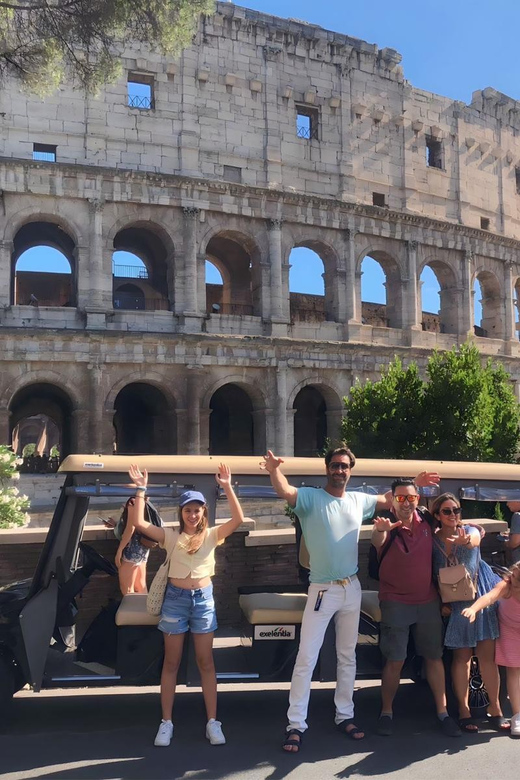
The structure is simple: you’ll have about 15 minutes at each stop, with enough time for a look, a few photos, and your guide’s explanation. That timing is ideal for a first Rome visit or for anyone who wants a high-impact highlights reel without turning the day into a long slog.
Here’s how the route typically plays out, and what to watch for at each stop:
Colosseum area: the big opening scene
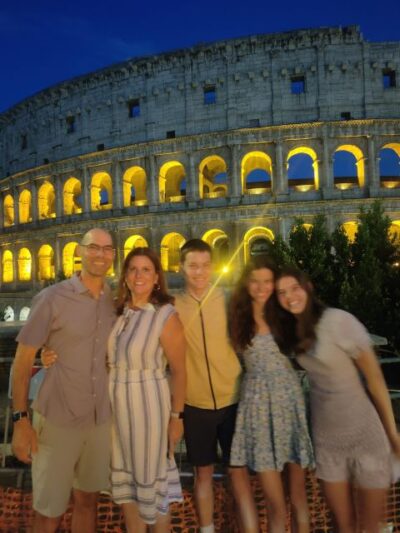
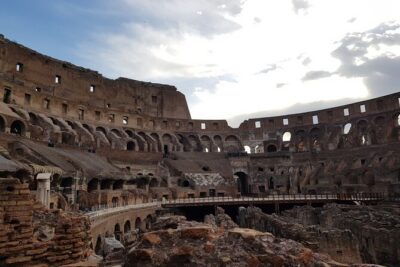
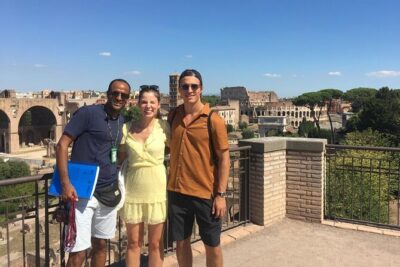
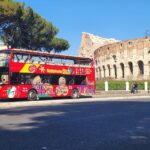
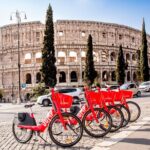
You start at the Colosseum for a 15-minute visit. This is the obvious headline, but what I like about starting here is the way it sets context for everything else that follows. Your guide can frame what you’re seeing—why it matters, how ancient Rome used entertainment and engineering, and how the monument became a symbol for the city.
The possible drawback is also clear: 15 minutes won’t turn you into a master of Roman amphitheaters. Use this stop for orientation and photos, then let the guide’s stories carry you through the rest of the tour.
Circus Maximus: the scale of ancient crowds
Next up is Circus Maximus, also scheduled for 15 minutes. This stop feels less like a single building and more like a lesson in scale. You’re seeing the idea of Rome as mass gatherings—races, crowds, and public spectacle.
This is a great location to pay attention to street layout and sightlines, because that’s where your guide’s context helps. In short time, you won’t get a deep, slow walk, but you will get a clearer mental map.
Aventine Hill: calmer views, different Rome mood
Aventine Hill gets its own 15-minute window. The value here is variety. After the big drama of the Colosseum and Circus Maximus, this change of pace helps you feel how Rome can shift from monumental to quiet-feeling viewpoints.
Since time is limited, treat this as a quick reset stop: absorb the change in atmosphere, take a few photos, and listen for your guide’s angle on what Aventine represents.






Mouth of Truth: a fun cultural moment
At Mouth of Truth, you’ll have about 15 minutes. This stop is famous not only for the object itself, but for what it represents in Rome’s popular culture. Even if you only know it from stories or film references, your guide can connect it back to the real place and why it’s still talked about.
The main consideration: 15 minutes is mostly for a look and photos. If you want longer time here (or in any other single stop), you’ll need an add-on.
The unnamed extra stop
There’s an additional Stop 6 listed for 15 minutes, but the location isn’t specified in the tour description you provided. That’s not a deal-breaker, but it is a question worth asking after you book. If your priority is a particular neighborhood or landmark, confirm what that extra stop will be so you can align your expectations.
Piazza Venezia: Rome’s central intersection feel
Piazza Venezia is next, with 15 minutes. This is the kind of place where Rome starts to feel like a crossroads of eras. Your guide can help you connect what you’re seeing to the broader history of how Rome evolved from ancient power centers into modern city life.
Because it’s a square, you’ll likely spend some of the time simply orienting: where streets lead, what landmarks frame the view, and how the area works as a hub.
Trajan’s Column: a storytelling monument
Trajan’s Column gets another 15-minute visit. This stop is great for anyone who likes details. It’s also a reminder that Rome isn’t only about big silhouettes. Some of the best stops are the ones where a monument carries story in a very specific way.
With short timing, you won’t have time for deep reading on the spot, but you can still understand the concept and appreciate why the column is so important.
Piazza Navona: street-life energy in a set time window
Piazza Navona is next, 15 minutes. This is one of those Rome squares where the vibe is part of the experience—public space, lively surroundings, and a place that’s easy to photograph.
In a short stop, the goal is quick enjoyment: look around, grab photos, and listen for what your guide points out about the square’s features. If you’re hoping for a long, slow coffee-and-people-watch session, you’ll probably want to plan that separately.
Pantheon area: one of Rome’s most recognizable interiors (from outside)
You’ll also have 15 minutes at the Pantheon, Rome. The tour description says “Visit,” but it doesn’t specify interior time. That means you should assume your stop is mostly about orientation and exterior viewing, plus guide context.
Even from outside, the Pantheon area is a win. It’s easy to feel why it’s a must-see, and your guide can help you understand what you’re looking at and why it has stayed relevant through centuries.
Trevi Fountain: the classic photo stop
Then comes Trevi Fountain for 15 minutes. This is a moment most people remember because it’s both iconic and visually busy. In the limited time window, the priority is simple: get your photos early in the stop, then use the remainder for atmosphere and understanding why it’s such a magnet.
One practical consideration: Trevi can be crowded. A fast, guided stop helps you avoid spending your entire tour stuck in the “where can I even stand” problem.
Spanish Steps: finishing with a gentle climb of views
Finally, the Spanish Steps close out the main route, again with 15 minutes. This is a good end point because it naturally creates a sense of arrival. The steps provide a built-in viewpoint, and the neighborhood feel helps you transition from ancient landmarks to more modern Rome streets.
Since it’s a time-capped visit, treat it like a wrap-up. Take photos, absorb the viewpoint, and let your guide’s last context help you connect the day’s sights into one coherent Rome story.
The guide makes the difference: Massi and Max-style storytelling

This tour leans hard on guide quality. Your stops are short, so you need someone who can make the time count. The positive pattern from guides on this route is clear: they keep the commentary engaging and entertaining while still hitting the historical points that help everything click.
Two guide names show up in the tour’s best moments: Massi and Max. One account specifically praised Massi for being engaging and for sharing history in a way that stuck. Another highlighted Max as excellent, with the result that the group saw a lot in a short window.
There’s also a nice extra when it happens: one experience included the guide snapping photos and sending them afterward. The tour description doesn’t promise this, so don’t assume it’s guaranteed, but it’s a good example of how guide style can add value beyond the itinerary.
If you’re someone who gets overwhelmed by dates and facts, this format can work well. It’s not a lecture. It’s context layered onto what you’re seeing, right when you can connect the dots.
Comfort, pacing, and who this tour fits best
If you’re traveling with older parents, family members with limited mobility, or anyone who doesn’t want to spend half a day walking, this is a strong match. The cart keeps you comfortable between stops, and the route design focuses on major sights without requiring you to navigate long distances on foot.
Wheelchair accessibility is listed for the tour, which is a big point if you need mobility support. You’ll still want to confirm how your specific wheelchair setup works with the cart and route, but it’s reassuring that accessibility is part of the tour’s stated design.
Also note what’s not included: the tour doesn’t include food. That’s fine if you’re planning a meal before or after, but it means you should build your schedule around where you want to eat.
And hotel pickup isn’t automatically included unless specified. What is included is pickup anywhere in the city center. So if your hotel is central, you’ll likely have an easier time than if you’re staying on the outskirts.
Value check: does $101.11 per person make sense?
At $101.11 per person for a 3-hour private golf cart tour, the value comes from two places: private transport and guided routing.
If you tried to recreate this with taxis plus a guide, you might spend similar money—or more—once you add up transfers and the time cost of getting between stops. This tour’s advantage is that it bundles the logistics into one plan: you get a cart, a guide, and a route that hits a long list of major landmarks in a short time window.
It’s also a good value if you want to reduce decision fatigue. Rome is full of options, and on a limited schedule, a structured route can keep you from making the wrong time trade-offs. You know where you’ll be, how long you’ll stay, and how the guide connects it all.
That said, it’s not value for everyone. If your top priority is deep museum time, long entries, or slow wandering with no schedule, you might prefer a self-guided day and pay for specific tickets separately.
Practical tips to get the most from each 15 minutes
Short stops work best when you’re ready to move. Here are a few ways to make the time feel generous:
- Use the guide’s moments to orient: ask for the quick “what you’re looking at” context, then take photos right away.
- Think photo-first, detail-second. If Trevi or the Spanish Steps are busy, you’ll want your key shots early in the stop.
- Wear comfortable shoes even if you’re on a cart. You’ll still do some standing and stepping at each landmark.
- Bring a small water bottle and plan a restroom stop before the tour starts. The structure doesn’t promise extra breaks.
- If audio devices help you, mention that at the start so you can listen clearly through the route.
- If you have any must-see priorities, confirm whether Stop 6 is one of them so you can set expectations.
Should you book Rome by Golfcart: City Ride?
Book it if you want a relaxed, efficient way to see a lot of Rome’s headlines—Colosseum, Piazza Navona, Pantheon area, Trevi Fountain, and the Spanish Steps—without turning the day into a long walking challenge. This is especially good when your group includes older adults or anyone who prefers comfort.
Skip or consider something else if you want long time inside major sites or you’re planning a Rome day around slow wandering and ticketed entries. The tour is built for short, high-impact visits, not deep exploration.
If your goal is to get your bearings fast and come away with a coherent sense of Rome’s most famous stops, this private golf cart route is a very sensible use of time.
FAQ
How long is the Rome by Golfcart: City Ride tour?
The duration is listed as 3 hours.
What is the price per person for Rome by Golfcart: City Ride?
The price is $101.11 per person.
What time does the tour start?
Starting times vary, so you’ll need to check availability to see the available start times.
Is this tour private or shared?
This is a private group tour.
What language is the host/guide speaking?
The host or greeter is listed as English.
What is included in the tour price?
Included items are a private eco-friendly golf cart and an expert guide with historical insights. Audio devices are included if needed.
Where does pickup happen?
Pickup is included at any location in the city center.
What is not included in the tour?
Food is not included, and hotel pickup/drop-off is not included unless specified.
Is the tour wheelchair accessible?
Yes, wheelchair accessibility is listed as available.
What is the cancellation policy?
Free cancellation is available up to 24 hours in advance for a full refund.
Is pay later an option?
Yes. Reserve now & pay later is offered, so you can book and pay nothing today.