REVIEW · ROME
National Museum of Palazzo Massimo: 2-Hour Private Tour
Book on GetYourGuide →Operated by Rome Guides · Bookable on GetYourGuide
Roman ghosts live in Palazzo Massimo. In this 2-hour private tour, you get museum entry plus a live English-speaking guide, so you spend your time looking closely instead of guessing.
I love how the tour turns big-name Roman art into real-life habits and beliefs, using specific objects you can stand in front of. You’ll connect calendar systems, portrait ideas, and household decoration to daily life in ancient Rome.
Two favorites are the ancient calendars from Praeneste and Anzio and the Boxer at Rest statue. Those aren’t just pretty artifacts; your guide explains how Romans measured time, celebrated people, and built stories into what they displayed.
One consideration: it’s a tight 2 hours, and you’ll want to travel light since no large bags are allowed and the tour runs rain or shine.
In This Review
- Key highlights you’ll actually remember
- Palazzo Massimo: Where Roman daily life shows up as art
- Entering with a guide: Meeting point and how the tour starts
- Ancient Roman calendars from Praeneste and Anzio
- The Boxer at Rest: How Romans turned athletes into symbols
- Villa of Livia frescoes: What Roman homes wanted you to see
- Marble gods: Roman and Greek worship in stone
- Sarcophagus of Portonaccio: Battle scenes and honoring the deceased
- The guide factor: what makes this tour feel personal
- Price and value: $130.28 per person for a guided private museum visit
- Logistics that matter on the ground
- Who should book this tour (and who might pass)
- Should you book National Museum of Palazzo Massimo (2-hour private)?
- FAQ
- How long is the National Museum of Palazzo Massimo 2-hour private tour?
- What’s included in the tour price?
- Are hotel pickup and drop-off included?
- Where do I meet the guide?
- What languages are offered for the guide?
- Does the tour run in bad weather?
- Are luggage or large bags allowed?
- What should children bring?
- Can I cancel for a full refund?
Key highlights you’ll actually remember
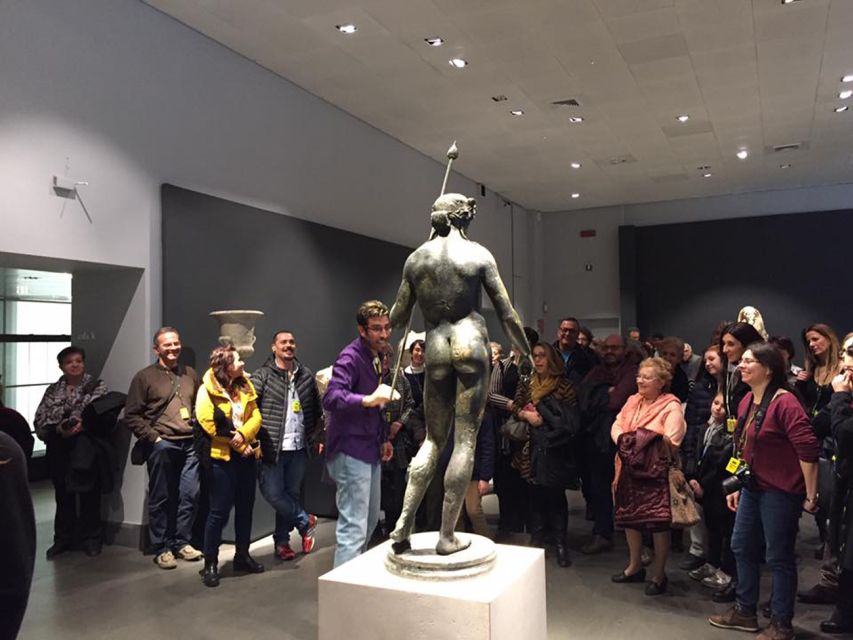
- Ancient calendars from Praeneste and Anzio that show how Romans organized time
- The Boxer at Rest statue, one of the museum’s most striking works
- Frescoes from the Villa of Livia and what Roman homes valued
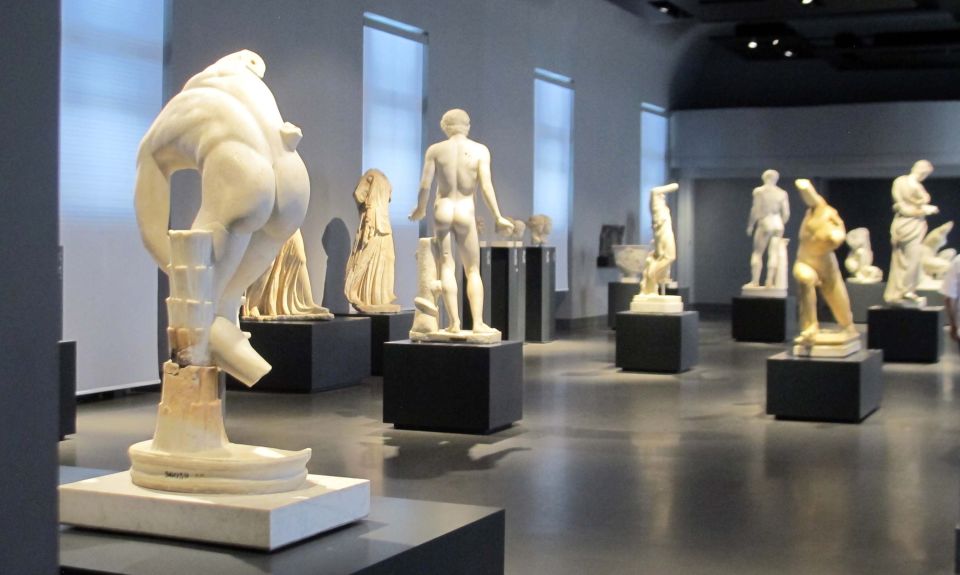
- Marble statues of Roman and Greek gods and how worship shaped images
- The Sarcophagus of Portonaccio, with a battle scene tied to the way Romans honored the dead
Palazzo Massimo: Where Roman daily life shows up as art
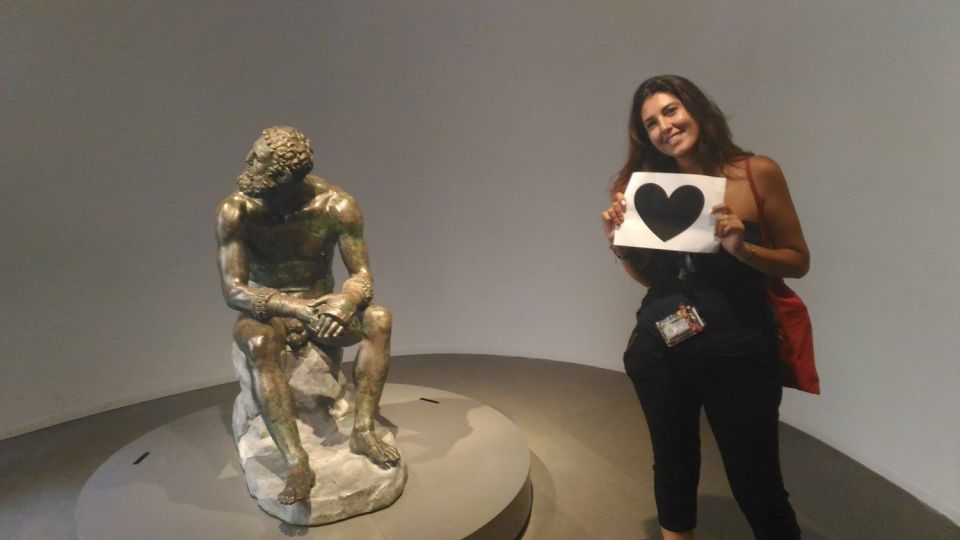
The National Museum of Palazzo Massimo is the kind of place where ancient Rome stops feeling like a textbook. This tour focuses on the objects that reflect Roman habits: how time worked, how families displayed status, and how religion shaped what people built and preserved.
What I like best is the museum’s “show, don’t tell” approach. You’re not just learning terms. You’re using the museum as your visual evidence. When your guide talks about Roman calendars, you can see the actual calendar material linked to Praeneste and Anzio. When you talk about heroes, you’re standing near portrait-style sculpture that answers the question: what did Romans want people to remember?
And because it’s a private group, your questions fit naturally. If something feels confusing—especially the calendar angle—your guide can slow down and explain in plain language.
You can also read our reviews of more private tours in Rome



Entering with a guide: Meeting point and how the tour starts
You’ll meet your guide at the museum entrance, arriving 15 minutes early. The guide holds a sign with your tour name, and tickets are distributed at the start of the activity.
This detail matters more than it sounds. With a private guide and tickets handled right away, you avoid the common museum scramble—where you’re spending your energy on lines and wayfinding instead of looking at the art.
Also note the tour is designed to run in both rain or shine conditions. So if you’re visiting in shoulder season or winter, plan for wet weather. Bring something with a hood or a light rain layer you’re comfortable wearing in close quarters.
Ancient Roman calendars from Praeneste and Anzio
One of the tour’s smartest choices is starting with time.
You’ll see ancient calendars connected to the cities of Praeneste and Anzio. Your guide explains how Romans used calendars—not just as date lists, but as systems tied to civic life and public rhythms. Even if you’ve read about Roman calendars before, seeing the museum pieces makes the idea much more concrete.
Here’s the practical takeaway: calendars weren’t neutral. They supported public organization. They helped communities run events and ceremonies. Once you understand that, the rest of the tour clicks into place, because you start seeing Roman institutions as something people lived inside, day after day.
Look closely at the way time is presented and structured in the calendar material. Your guide will help you interpret what you’re seeing, so you’re not stuck staring at inscriptions that feel like code.
The Boxer at Rest: How Romans turned athletes into symbols
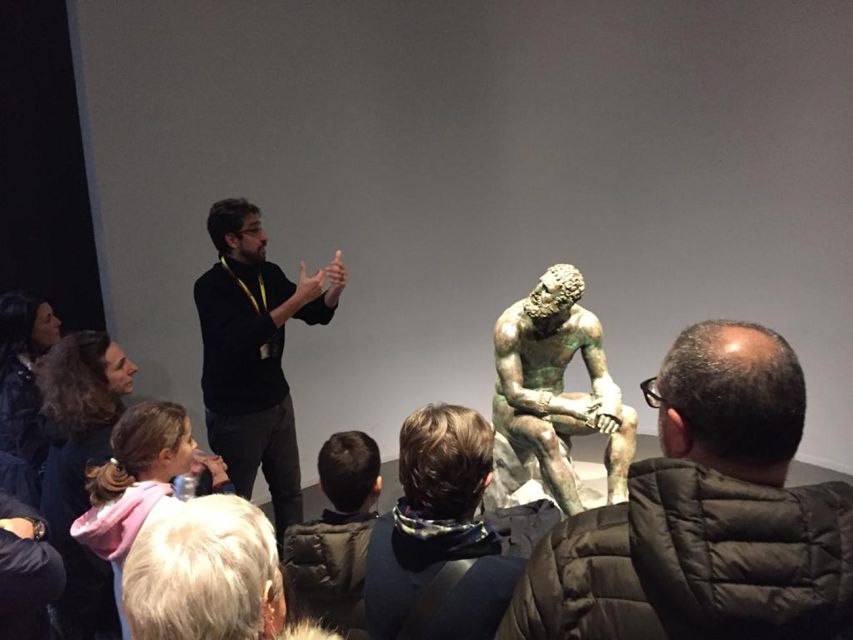
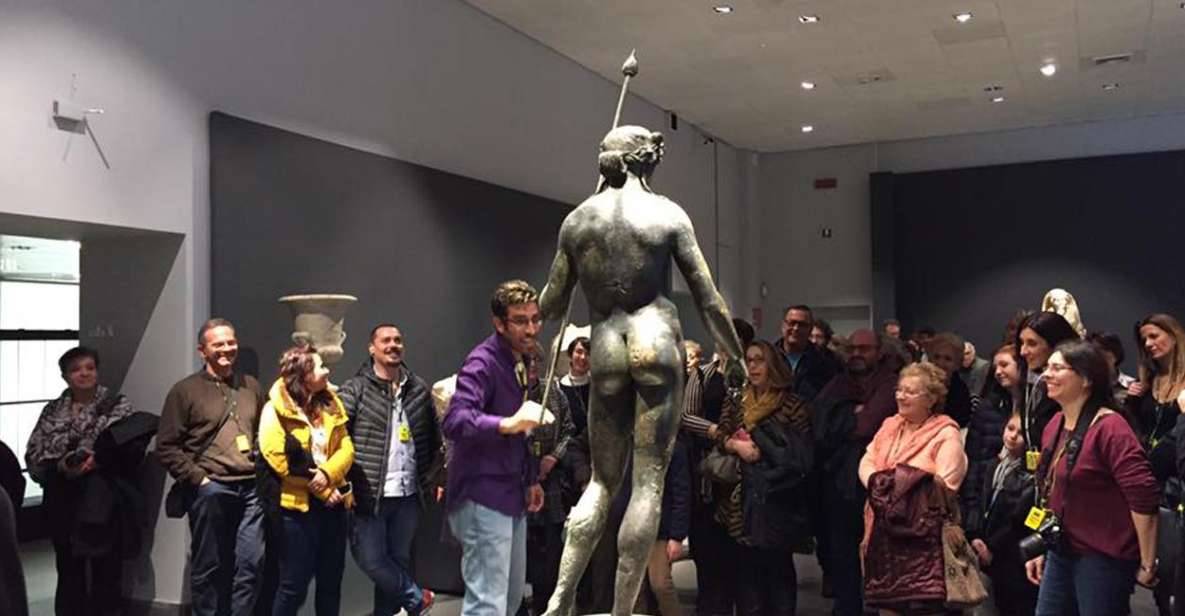
Then you hit one of the museum’s major attractions: the Boxer at Rest.
This statue gets attention for a reason. It’s dramatic in a quiet way—caught in a pause that feels full of tension. But the real value of this stop is what your guide connects it to: how Romans built identity and admiration around physical excellence.
Your guide also helps you understand how portrait ideas and hero-making worked. Romans weren’t only interested in the fact that someone was strong. They were interested in the story that strength carried. That’s why the museum sculpture feels like more than decoration.
If you like art that has emotion and attitude—not just “perfect forms”—you’ll enjoy this stop. It’s one of the quickest ways to get your brain into Roman mode.
Villa of Livia frescoes: What Roman homes wanted you to see
Next comes one of the most visual parts of the tour: frescoes from the Villa of Livia.
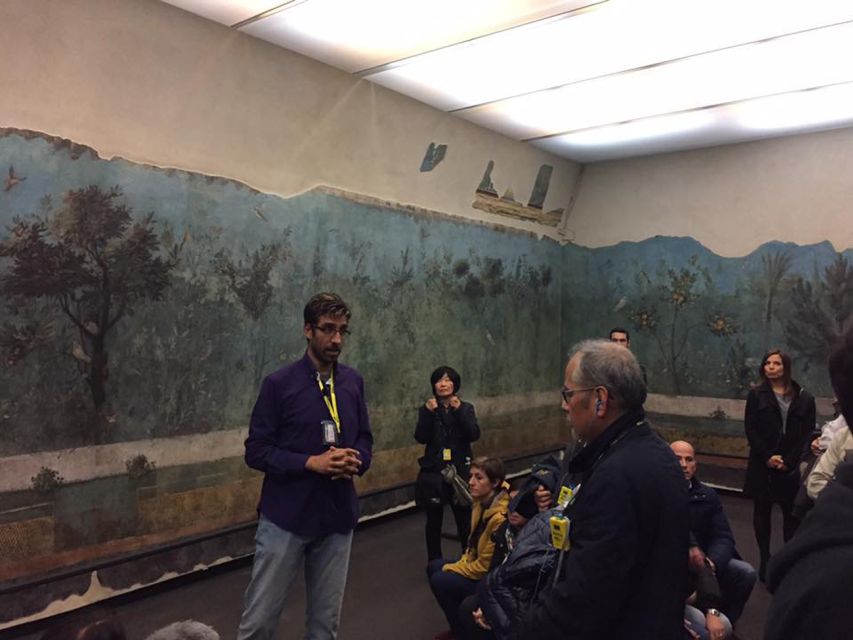
Frescoes can feel like background when you rush through galleries. With a guide, they become evidence of taste, politics, and daily life. You’ll learn how Romans decorated houses, and how those walls communicated ideas about refinement and power.
This is also a strong contrast with the calendar sections. If calendars show public order, frescoes show private display—what elite families wanted to surround themselves with. Your guide will walk you through the details, so you get past the initial impression and start noticing themes and styles.
A helpful mindset here: don’t treat it like “pretty paintings.” Treat it like a statement. Ask yourself what the house is trying to project, and let your guide connect those signals to Roman life.
You can also read our reviews of more museum experiences in Rome



Marble gods: Roman and Greek worship in stone
The tour also takes you through marble statues of Roman and Greek gods.
This part is more than mythology trivia. Your guide explains the role of religion in ancient Rome—why worship mattered, and why gods showed up so often in art and public spaces. Even if you’re not a hardcore religion history person, you’ll find the connections make sense.
Here’s what you’ll likely take away: Romans didn’t separate faith from culture. Gods lived in the same world as politics, festivals, and identity. Marble statues weren’t only devotional objects; they were part of how communities understood themselves.
When you’re standing in front of the gods, focus on the visual language—how the figures are presented, and how that presentation supports the idea of divine authority. Your guide should help you interpret what you’re seeing without turning it into a lecture marathon.
Sarcophagus of Portonaccio: Battle scenes and honoring the deceased
One of the most intense highlights is the Sarcophagus of Portonaccio, especially because it shows a battle scene.
This stop ties two themes together: Roman public life and Roman beliefs about death. Your guide discusses the importance of venerating the deceased and the religious aspects of ancient civilization. That means the sarcophagus isn’t just a dramatic artwork. It’s part of how Romans dealt with memory and legacy.
Battle scenes on a funerary object can feel surprising at first. The key is understanding what funerary art was meant to do. It wasn’t only about mourning. It was about showing values and ensuring the person’s story stayed visible.
If you’re interested in how Romans mixed politics, identity, and religion, this is a highlight you’ll want to slow down for. Give yourself time to look at the figures and the action. The guide will help you interpret what’s shown, and it makes the whole piece much more meaningful.
The guide factor: what makes this tour feel personal
A private guide can go either way: either you get a generic walkthrough, or you get the kind of explanation that turns the museum into a story.
I found the tour style really engaging. One guide named Vincenzo stood out in reviews for being lively and for using animated descriptions to connect key characters and activities in ancient Roman times to specific objects in the collection. That kind of delivery matters, because the museum holds a lot—without a guide, you can miss the “why.”
Your best strategy is simple: ask one follow-up question at each major stop. For example, after the calendar section, ask how the system affected public life. After the portrait/hero talk, ask what Romans meant by honoring excellence. Your guide can tailor the pace, which is a real advantage in a private group.
Price and value: $130.28 per person for a guided private museum visit
At $130.28 per person, this is not a budget activity. But the math changes when you consider what’s included: entry tickets and a private guide for the full 2 hours.
Value is really about whether you’ll use that guide time well. If you’re the type who reads labels only halfway, then a guided private tour can pay off fast. You get someone to interpret objects on the spot, and you can spend the time you’d normally spend “figuring it out” looking.
If you’re traveling with someone who loves art and history, this price can feel easier to justify because the two of you can share questions and keep each other engaged. And since the tour covers multiple major highlights—from calendars to frescoes to statues to the Portonaccio sarcophagus—you’re not paying for a stop-by-stop list that feels repetitive.
You’ll also save effort: hotel pickup and drop-off aren’t included, so you’re responsible for getting yourself there, but once you arrive, the structure is handled.
Logistics that matter on the ground
A few on-the-ground notes will help you have a smooth visit:
- Show up 15 minutes early so your guide can get you started without stress.
- Don’t bring luggage or large bags. If you have bulky items, plan to leave them elsewhere before you arrive.
- For children, bring passport or ID card.
- The tour runs rain or shine, so dress for Roman weather and museum walking.
These sound like small details, but they protect your energy. A great guided tour still works best when you’re not dealing with bag constraints or last-minute confusion at the entrance.
Who should book this tour (and who might pass)
This tour is ideal if you want more than a quick museum walk. It’s a great fit for you if:
- you like Roman history that connects to everyday life (time, housing, religion, death)
- you prefer seeing a curated set of highlights in a short window
- you’re traveling with a partner or small group and want a private group experience
You might consider a different option if you love museums at your own pace and don’t want the structure of a timed visit. But if you want your questions answered while you’re standing in front of the artifacts, the guided format is the point.
Should you book National Museum of Palazzo Massimo (2-hour private)?
I’d book it if you want to learn fast and look closely. The tour’s strength is the way it links major objects—calendars, frescoes, statues, and the Portonaccio battle sarcophagus—to the larger systems of ancient Roman life: institutions, beliefs, and the stories people used to define themselves.
The main decision comes down to this: do you value a guide’s interpretation enough to justify $130.28 per person? If yes, you’ll likely find the experience efficient, fun, and genuinely educational in a way that makes the museum stick in your memory.
FAQ
How long is the National Museum of Palazzo Massimo 2-hour private tour?
It lasts 2 hours.
What’s included in the tour price?
The tour includes entry tickets and a professional guide for a private tour.
Are hotel pickup and drop-off included?
No, hotel pickup and drop-off are not included.
Where do I meet the guide?
Meet your guide at the museum entrance. Arrive 15 minutes early, and the guide will wait holding a sign with the tour name.
What languages are offered for the guide?
The live guide is available in English and Italian.
Does the tour run in bad weather?
Yes, it takes place rain or shine.
Are luggage or large bags allowed?
No, luggage or large bags are not allowed.
What should children bring?
Bring a passport or ID card for children.
Can I cancel for a full refund?
Yes. You can cancel up to 24 hours in advance for a full refund.