REVIEW · ROME
Rome at Night – Illuminating the Eternal City
Book on Viator →Operated by Roman Vacations · Bookable on Viator
Night in Rome feels like the city is whispering. This small-group walk strings together Spanish Steps, Trevi Fountain, the Pantheon, and Piazza Navona with commentary that makes the streets easier to read after dark. You’ll move at a relaxed pace, and headsets help you catch every detail even when the night crowd gets loud.
I especially like the combo of small group size (up to 15) and provided headsets, which means you can actually hear your guide without leaning or straining. I also love the way the itinerary times the sights—like Trevi Fountain under its evening lighting—so you’re seeing the famous stuff in its most photogenic mood. One thing to consider: this is a walking tour with cobblestones, so grippy shoes matter.
In This Review
- Key highlights at a glance
- Why Rome Looks Different After Dark
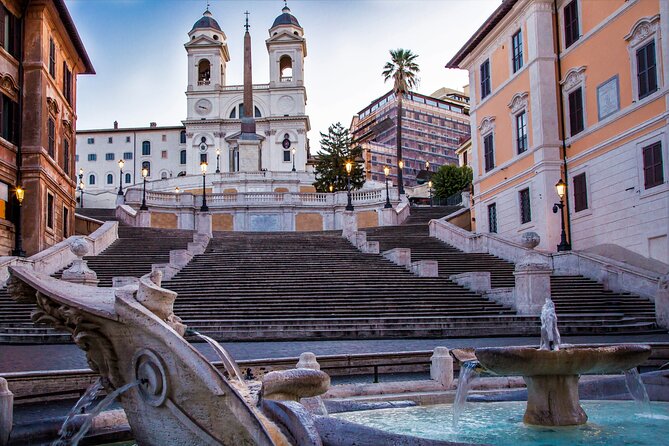
- Meeting at Piazza di Spagna: Fast Orientation in the English Quarter
- Spanish Steps and the Quartiere Inglese: More Than a Photo Stop
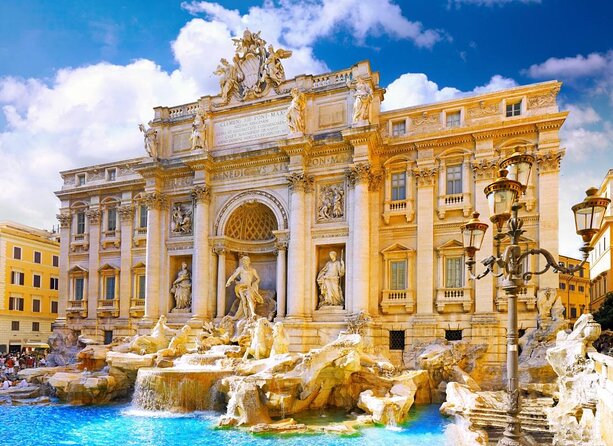
- Trevi Fountain After Dark: Lighting That Changes the Sculpture
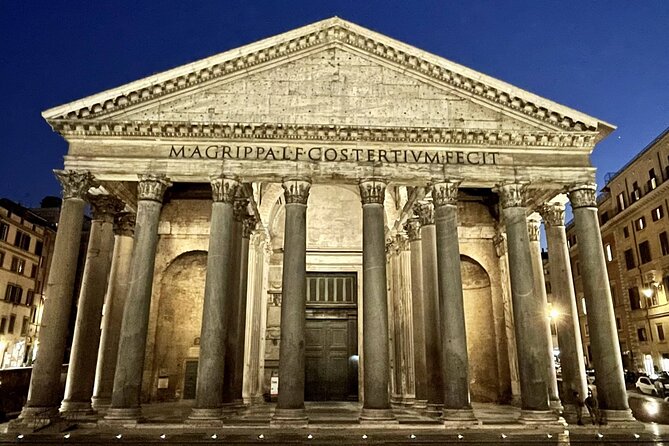
- Pantheon at Night: A Working Church and Roman Engineering
- Piazza Navona: Fountains, Palaces, and Night Atmosphere
- Guides, Headsets, and the Small-Group Pace That Works
- Price Value: What $47.43 Buys You (and What It Doesn’t)
- Practical Tips So You Enjoy the Walk
- Should You Book Rome at Night?
- FAQ
- How long is the Rome at Night walking tour?
- Where does the tour start and end?
- What stops are included?
- Are headsets provided?
- Is the tour a small group?
- What is included in the price?
Key highlights at a glance
- Max 15 people keeps the vibe calm and question-friendly
- Headsets provided so you hear the guide on busy corners
- Spanish Steps to Navona is a tight route with famous landmarks in one night
- Trevi Fountain at night includes time for the coin-toss moment
- Pantheon visit included as a working church after centuries of use
- Tour ends at Piazza Navona, handy for continuing your evening
Why Rome Looks Different After Dark
Daytime Rome can feel like you’re sprinting from one landmark photo to the next. Night changes the math. Streets feel quieter, facades look softer, and the big monuments don’t feel as much like props and more like part of the city’s living rhythm.
This tour leans into that idea with a short, efficient route. In a couple hours, you hit several must-sees—Spanish Steps, Trevi Fountain, the Pantheon, and Piazza Navona—without the stress of managing every turn yourself. You also get a guide to explain what you’re looking at, which is the difference between seeing a postcard and understanding what you’re actually seeing.
And because you’re walking, you get the small texture that buses can’t deliver: the angles of buildings, the way streets open into squares, and how the lighting makes stone feel almost sculpted. It’s also one of the easiest ways to start a trip, because you leave with a clearer sense of where things are.
You can also read our reviews of more city tours in Rome


Meeting at Piazza di Spagna: Fast Orientation in the English Quarter
The tour starts at Piazza di Spagna at the foot of the Spanish Steps. That’s a smart starting point because the area is instantly recognizable, and it gives you a perfect launchpad for understanding the neighborhood around it—the Quartiere Inglese (English Quarter).
Your guide meets you right there and gives you a quick primer before you start moving. Expect context, not trivia dumps. You’ll hear why the steps became such a global meeting point and why this area has been a tourism hub for centuries.
Then you get time to take in what’s around you. The steps aren’t just a backdrop; they’re a social stage. In this part of Rome, you’ll be able to watch people flowing in and out of cafes while you spot how the streets connect up to the main sights further down the line. It’s a good moment to slow down and let the city’s nighttime feel land.
Practical note: the steps area is active. Even though the tour is small, you’ll still want to keep one eye on your footing and the other on the guide.
Spanish Steps and the Quartiere Inglese: More Than a Photo Stop
The Spanish Steps stop is brief—about 10 minutes—but it’s used well. You’re not being asked to climb or explore endlessly. Instead, you’re given history and then turned loose for a quick look around the neighborhood.
Here’s what makes this stop worth your time: you’re seeing the Spanish Steps in the context of who and why they attract. This area has drawn everyone from writers to celebrity visitors over the years, which is part of why it still feels like a magnet for nighttime wandering.
If you already know the Spanish Steps from photos, this is still helpful. The guide’s commentary helps you notice details you’d otherwise gloss over: the setting, the street geometry, and how the monument sits in a larger urban scene rather than a standalone viewpoint.
Potential drawback: because it’s a quick stop, you won’t get a long, slow soak in the area. If you’re the type who could happily spend an hour just watching people, you might want to build extra time here later.
Trevi Fountain After Dark: Lighting That Changes the Sculpture
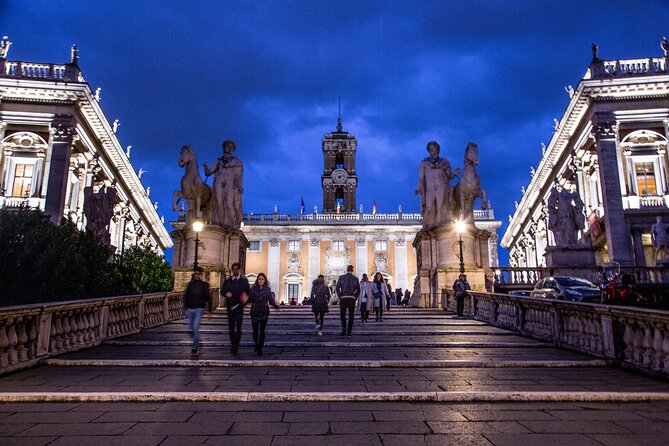
Next comes Fontana di Trevi, with a short walk in between. Even before you reach the fountain, you’re passing along a route the guide uses to point out small details that connect the landmarks together. That’s part of why this works as a walking tour: you don’t just teleport between famous spots.
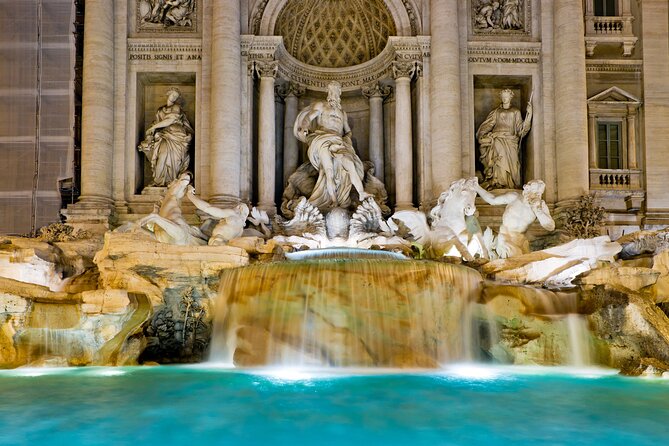
When you arrive, you get about 15 minutes at Trevi. Night is when the fountain becomes dramatic. The modern lighting from underneath the water makes the statues look almost unreal—like they’re emerging from the glow rather than sitting in a pool.
You also get the moment most people come for: time to toss in your coin. It’s built into the schedule so you’re not rushing while trying to do the ritual and take photos at the same time.
A small tip for your photos: try different angles. Straight-on shots show the full composition, but side angles catch the lighting effects and the movement of water. It’s not a huge amount of time, so quick experimenting beats waiting for one perfect setup.
Pantheon at Night: A Working Church and Roman Engineering
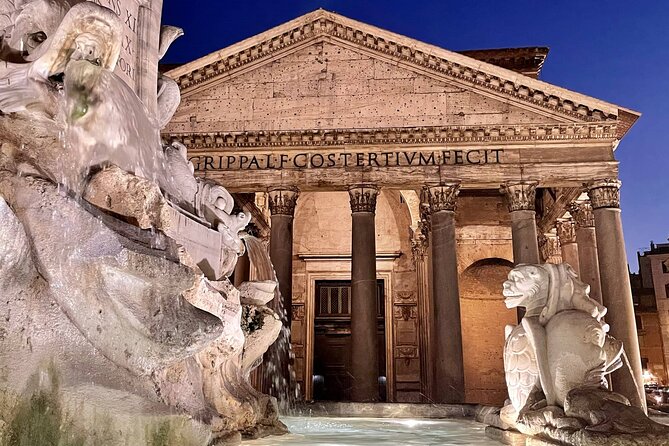
Then you head to the Pantheon, with around 15 minutes there. This is a stop that’s easy to underestimate because it looks simple from the outside. Up close, it’s a reminder that Roman construction wasn’t just about monuments—it was about precision.
You’ll get the big picture: completed in the early second century, and still in use as a church today. That continuity is part of the magic. You’re not just looking at an ancient building—you’re stepping into something that has lived through changing empires, shifting styles, and modern-day Rome.
Your guide’s job here is to help you see the Pantheon as a system, not a single feature. Expect explanations tied to what you can observe: scale, structure, and why the building remains so impressive even centuries later.
Also, night conditions change the experience. With fewer daytime distractions, it can feel calmer in a way that makes the architecture easier to focus on. If you’ve toured the Pantheon earlier in the day, this after-dark version can still feel like a different visit.
One caution: the Pantheon area can get crowded. A small group helps, but you’ll still want to be patient and ready to move when the flow shifts.
You can also read our reviews of more evening experiences in Rome

Piazza Navona: Fountains, Palaces, and Night Atmosphere
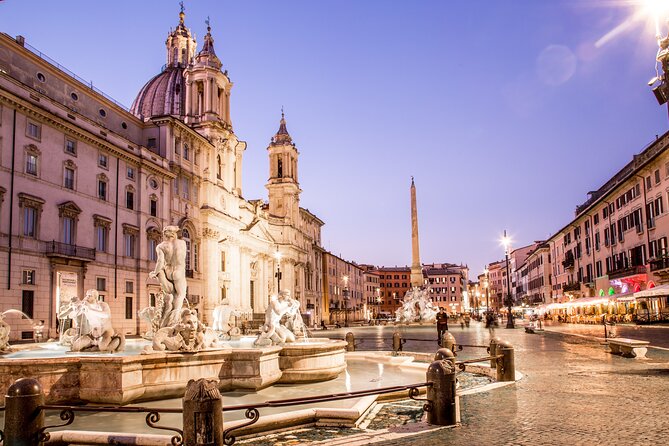
After the Pantheon, you walk to Piazza Navona, where you’ll spend about 20 minutes. This is a great closing stop because it’s a lively open space with fountains and impressive surrounding buildings.
What makes Piazza Navona special at night is the way the square feels like a stage. The fountains sit in an elegant setting, and the palaces frame the scene so it feels composed even when it’s full of people.
This stop also adapts to the season. In summer, artists can be found selling their work at night. In December, the square can host a Christmas night market where you can pick up traditional Italian gifts and sweets. Even if you’re not shopping, it adds rhythm to the area and gives your evening a natural finish line.
If you’re planning what to do next, Piazza Navona is convenient. You can keep walking afterward, grab a final drink, or treat it like a reset point before dinner elsewhere.
Guides, Headsets, and the Small-Group Pace That Works
A big part of why this tour gets such strong marks is how it’s led. The format helps, but so does the guide style. Different guides have been praised for making the story stick and keeping questions flowing. Names that came up include David, Paul, Diletta, Angela, and John.
Common thread: the guide doesn’t just recite facts. They shape the experience into something you can follow while you’re walking. One guide turned architecture and even political parallels into easy-to-follow examples. Another was described as a history professor type who made the layers of Rome’s past feel connected rather than separate chapters.
Headsets are a quiet win here. In Rome, noise and distance can swallow a guide’s voice. With headsets, you’re not constantly searching for what you missed. That matters most when you’re standing in crowded spots at Trevi or the Pantheon.
Also, the pace is tuned for real people. Instead of long forced stops, you get just enough time at each landmark. The tour stays short—2 to 3 hours—which makes it easier to fit into your first night without wrecking your next day.
And yes, sometimes the small-group booking ends up being effectively private. That’s not something you should count on, but it does happen per the experiences people shared.
Price Value: What $47.43 Buys You (and What It Doesn’t)
At $47.43 per person, this isn’t the cheapest option in Rome—but it’s also not trying to be. The value is in the guide plus the nighttime route logic.
You’re paying for:
- An expert local guide who helps you understand what you’re seeing
- Headsets, which improve the whole experience
- A tight route across high-demand landmarks in a manageable time window
- A small group size (max 15), which is where “tour value” usually shows up
What you’re not paying for is food, and there’s no transportation to and from the meeting point. That’s normal for a walking tour. The good news is that the start and end points are both in central, walkable areas, so you can plan meals around them without needing a bus.
Also, the listed timing suggests you’re not spending half your evening stuck in transit or wandering without context. For a first-time visitor, that can be worth more than a longer but less structured day.
And if you’re booking ahead, note that it’s often reserved about 48 days in advance on average. Popular times go fast, especially when you want something on your arrival night.
Practical Tips So You Enjoy the Walk
This is a walking tour, and the Roman surface can be tough. Cobblestones are part of the deal, so wear shoes with real grip. Your feet will thank you, and your attention will stay on the sights instead of each step.
Bring your own water plan. The tour doesn’t include food or drink, so decide whether you want to grab something before you meet or after you finish. If you’re doing dinner later, Piazza Navona is a decent location to transition from sightseeing to eating.
For photography, prioritize speed over perfection. You’ll have specific time windows at each stop (Spanish Steps ~10 minutes, Trevi ~15, Pantheon ~15, Piazza Navona ~20). That’s plenty to capture great shots, but it’s not enough to set up for long.
Finally, arrive a bit early. Starting at Piazza di Spagna can mean you’ll need a moment to find your exact spot and meet your group. If you’re using the mobile ticket, keep it accessible so you’re ready when the guide checks in.
Should You Book Rome at Night?
Book it if you want a simple way to see Rome’s headline monuments without spending your night guessing what you’re looking at. This tour is especially good for first-time visitors, couples, and families who want the story behind the sights and a paced route that doesn’t take over the whole evening.
Don’t book it if your top goal is long, slow wandering or in-depth time at just one building. This is a sampler tour, built for coverage and context, not a two-hour museum-style experience at the Pantheon.
If you’re deciding between daytime and nighttime, I’d lean nighttime for the lighting effect—especially at Trevi Fountain—and for the calmer feel you get after the day crowds thin out. With headsets and a small-group format, it’s one of the easier ways to make your first evening in Rome feel organized, not chaotic.
FAQ
How long is the Rome at Night walking tour?
It runs about 2 to 3 hours.
Where does the tour start and end?
It starts in Piazza di Spagna at Piazza di Spagna, 26, 00187 Roma RM and ends at Piazza Navona, 00186 Roma RM.
What stops are included?
You’ll see the Spanish Steps, Trevi Fountain, the Pantheon, and Piazza Navona.
Are headsets provided?
Yes. Headsets are provided as necessary so you can hear the guide.
Is the tour a small group?
Yes. It has a maximum of 15 travelers.
What is included in the price?
An expert local guide is included. Food, drink, and transportation to or from the meeting point are not included. There is also a mobile ticket.