REVIEW · ROME
Rome: Ancient Rome Nighttime Sightseeing Tour
Book on GetYourGuide →Operated by Romes Ultimate · Bookable on GetYourGuide
Rome feels different after dark. This 3-hour Ancient Rome nighttime sightseeing tour strings together big-name Roman landmarks with real city texture, from Rione Monti to Piazza Colonna. You’ll walk through major piazzas, hear how Rome’s power centers shifted over time, and end with a drink in a local pub.
I especially like two things: the small-group pace (so you can actually ask questions) and the guide style that keeps the facts moving, with Dimitri noted for interactive, joke-friendly storytelling. One heads-up: this is a walking tour and it’s not suitable for people with mobility impairments, so plan accordingly.
Rain or shine, you’re out on foot, so bring comfortable shoes and expect an evening stroll that favors stamina over lounging in a museum.
In This Review
- Key Highlights You’ll Care About
- Rione Monti After Dark: Starting in Rome’s Oldest Neighborhood
- Piazza Quirinale and the Roman Elite: Power in a Beautiful Square
- Trajan’s Forum at Night: The Original Shopping Mall Idea
- Piazza Campidoglio and Michelangelo’s Design Logic
- Palazzo Venezia, Vittorio Emanuele II, and Rome’s Jump From Medieval to Modern
- Piazza Colonna Finish: Government Seat Meets a Local Nightcap
- Price and Time: Does $82 for 3 Hours Make Sense?
- Who This Tour Fits Best (and Who Should Skip It)
- Practical Tips for a Comfortable Night Stroll
- Should You Book This Rome Night Tour?
- FAQ
- How long is the Rome: Ancient Rome Nighttime Sightseeing Tour?
- Where does the tour start?
- What is included in the price?
- What languages are offered?
- Does the tour run if it rains?
- Is the tour suitable for people with mobility impairments?
Key Highlights You’ll Care About
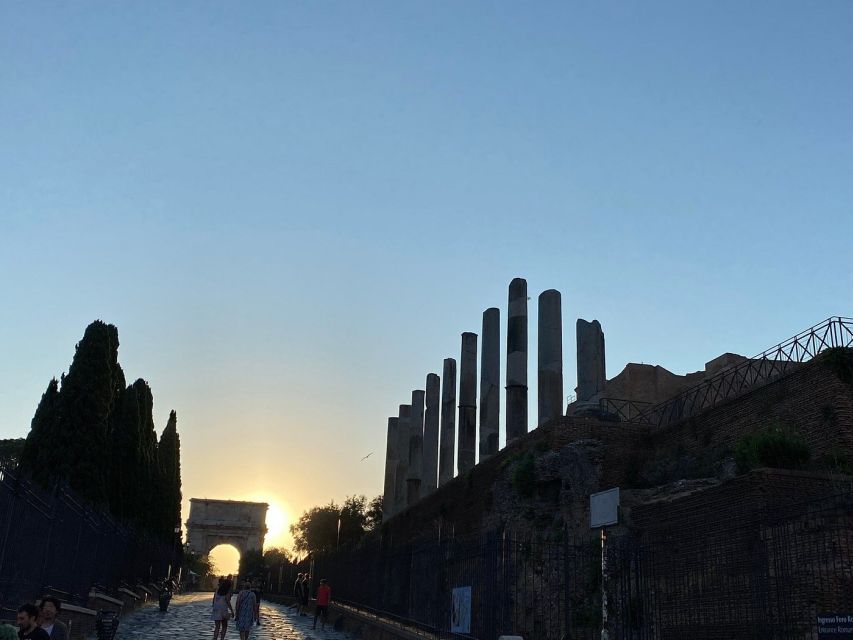
- Rione Monti start: you begin in Rome’s oldest residential area and ease into the city on local terms
- Piazza Quirinale focus: you’ll see why this place mattered to the Roman elite
- Trajan’s Forum at night: the world’s first shopping-mall idea becomes more tangible under streetlights
- Michelangelo’s Piazza Campidoglio: you’ll stand in the shape and drama of Renaissance design
- Palazzo Venezia and the Vittorio Emanuele II monument view: medieval Rome meets national modern identity
- Finish at Piazza Colonna with a nightcap: you wrap up at Italy’s government seat, then relax nearby at Highlander Pub
Rione Monti After Dark: Starting in Rome’s Oldest Neighborhood
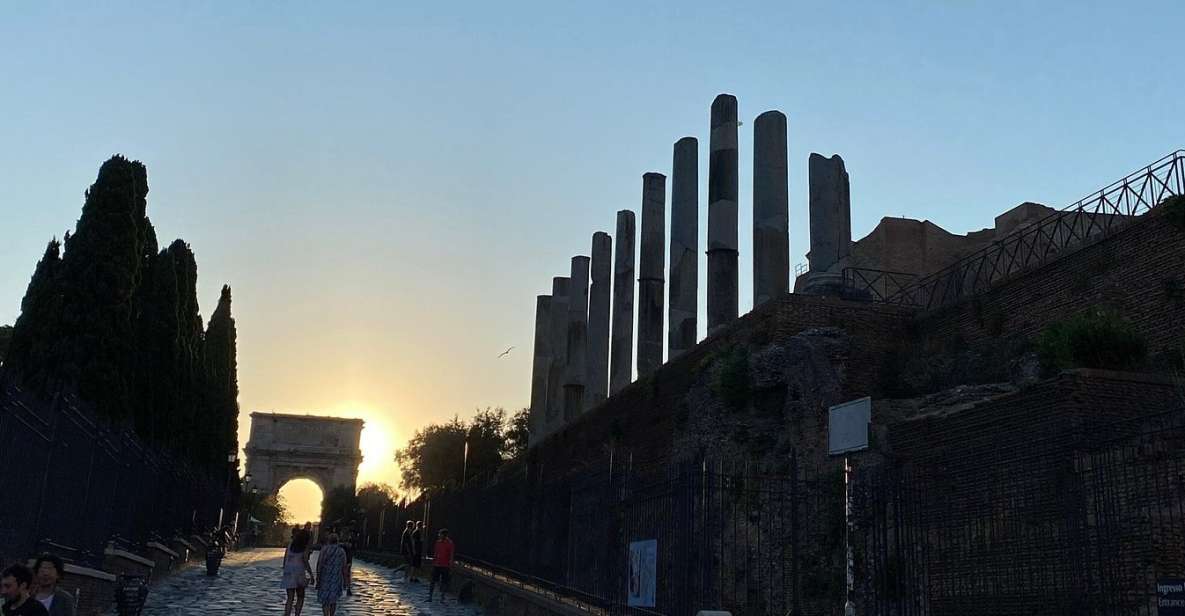
The tour’s tone is set right away: you depart from Rione Monti, described as the oldest residential area in Rome. That matters more than it sounds. Daytime walking in the center can feel like a checklist. Starting here gives you a warmer sense of how Rome lived in between the showpiece monuments.
As you move into the night, you’ll notice how the city changes. Streets feel calmer, building edges look sharper, and piazzas look less like photo backdrops and more like meeting places. The guide’s job here is key: they help you connect what you’re seeing with the bigger story of Rome’s shifting centers of power.
Practical tip: because the whole tour leans on walking, you’ll be happier if you lace up shoes you can trust for uneven sidewalks. The tour runs rain or shine, so don’t plan on shoes that hate damp pavement.
You can also read our reviews of more tours and experiences in Rome.



Piazza Quirinale and the Roman Elite: Power in a Beautiful Square
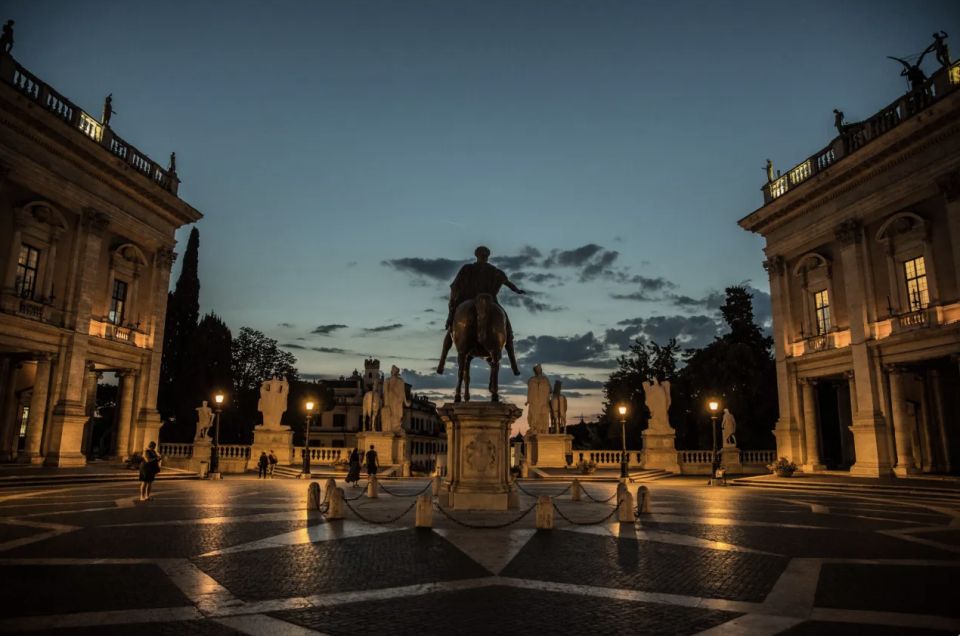
Next up is Piazza Quirinale, called the seat of the Roman elite through the ages. Even if you’ve visited Rome before, this kind of stop works at night because you can feel the “court of power” vibe without daytime crowds. The square becomes a stage: you’re not just looking at stone, you’re looking at status.
This is where the tour’s big theme shows up: Rome didn’t just build monuments. It reorganized who mattered, where they gathered, and what kind of spaces symbolized authority.
What I like about this stop is how it helps you interpret Rome instead of just naming places. When a guide connects a piazza to who used it, you start to read the city like a map of influence. That skill pays off later, when you’re wandering on your own.
Trajan’s Forum at Night: The Original Shopping Mall Idea
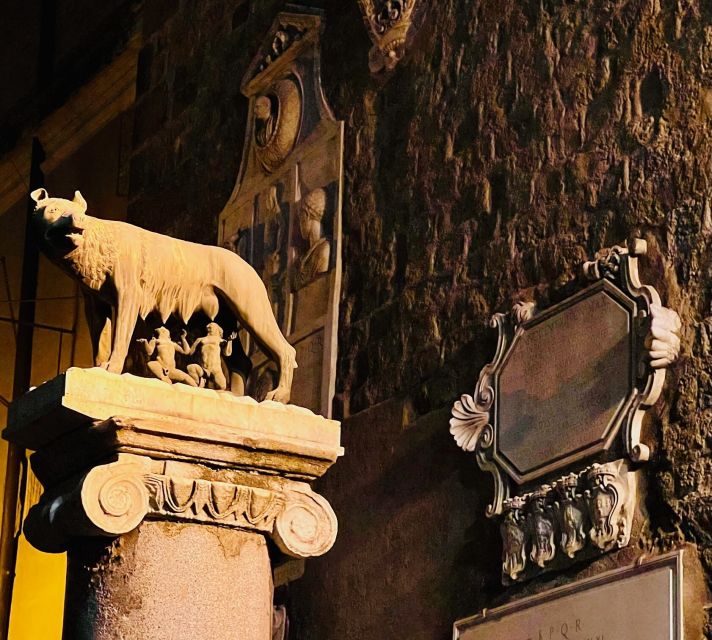
Then you get to Trajan’s Forum, which the tour highlights as the world’s first shopping mall. That’s a bold claim, but it’s a useful one. It turns an ancient forum into something you can picture: an organized commercial zone with people moving through spaces designed for trade and gathering.
At night, the “shopping mall” comparison becomes less academic. You’re standing in a complex of public life, not just an archaeological site. You’ll likely feel how forums worked as social engines—places where business and everyday movement met.
Why this stop is worth your time: forums are often described like history textbooks. But framed as daily-use space, Trajan’s Forum starts to feel human-scale. It stops being a ruin and starts being a piece of urban design.
One consideration: this is still an outdoor walking experience, so if you’re expecting maximum comfort or deep seating, you’ll want to know this upfront.
Piazza Campidoglio and Michelangelo’s Design Logic
The tour then takes you to Piazza Campidoglio, famous for Michelangelo’s designs. Renaissance design can feel abstract when you’re reading about it. On a night walk, you get the shape in front of you and it clicks faster.
Here’s what makes Campidoglio special: Michelangelo’s planning isn’t only about beauty. It’s about direction—how the space guides your eye and organizes movement. Even if you don’t know all the names of the buildings around the square, you can sense the intention: the piazza is built to be looked at, and to make you look back.
This is one of those stops where the guide’s commentary makes a difference. If your guide has Dimitri’s style—interactive, friendly, with those quick jokes between facts—you’ll get more out of the design than just a photo moment.
Palazzo Venezia, Vittorio Emanuele II, and Rome’s Jump From Medieval to Modern
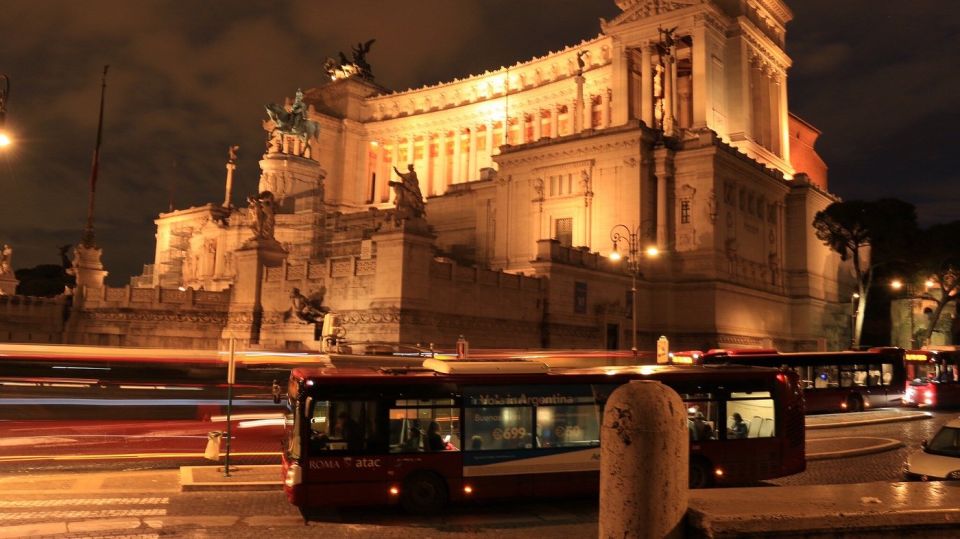
After Michelangelo, the tour shifts gears toward the political center of Rome in a different era. You’ll find Palazzo Venezia, described as a medieval hub and a central hub of Rome, positioned facing the Unification Monument of Vittorio Emanuele II.
That “face-off” is a smart choice for a nighttime tour. You’re seeing two versions of Rome’s identity at once: the medieval administrative world in front of you, and the modern national statement in the background. It’s a visible reminder that Rome keeps rebuilding its image—sometimes literally facing itself across a plaza.
Even if your trip is short, this stop helps you connect the dots. Rome isn’t frozen. It’s layered, and the layers are still in conversation today.



Piazza Colonna Finish: Government Seat Meets a Local Nightcap
To close the night walk, you’ll end at Piazza Colonna, described as the seat of the government of Italy. This finish point is more than scenic. It’s a thematic capstone: your walk has moved from elite Roman spaces to imperial-era public life to Renaissance design, then into Italy’s modern political center.
Then you wind down at the nearby Highlander Pub, where the tour includes a nightcap: a glass of wine or a cocktail. In at least one guide-led experience, the pub part comes with rave-level praise for the drinks and friendly staff, and some guides even add extra time to answer questions before the last stop.
This last hour (or last stretch, depending on pacing) is where the tour’s value becomes practical. You get a low-stress place to ask, Do I go to the Forum area tomorrow? Which piazza should I target in daylight? What should I skip if I’m short on time?
Price and Time: Does $82 for 3 Hours Make Sense?
At $82 per person for about 3 hours, the value comes from three things you can actually feel during the walk: a live guide, a small-group setting, and the included drink.
If you’d otherwise spend that kind of money on a ticketed museum visit, this is different. This tour gives you a guided route through Rome’s public spaces—places you’ll likely want to revisit on your own anyway. And because it’s nighttime, you’re not just “seeing” monuments. You’re learning how Rome looks and feels when fewer people are around.
You’re also getting a built-in “conversation window.” The guide doesn’t just point; they explain, and there’s room for questions. That’s the difference between a walk that’s entertaining and a walk that teaches you what to notice next time.
Who This Tour Fits Best (and Who Should Skip It)
This is best if you like:
- Architecture and city layout more than museum rooms
- Night walks that focus on piazzas and urban energy
- Getting history connections you can carry into your next day of exploring
It’s also a solid choice if you’re visiting for the first time and want a guided route that hits major Roman storytelling points without needing to plan each stop yourself.
Skip it if:
- You need step-free mobility options, because the tour isn’t suitable for people with mobility impairments
- You want a low-walking, mostly seated experience
Practical Tips for a Comfortable Night Stroll
A few things will make your evening smoother:
- Wear comfortable shoes you can walk in for an extended stretch
- Expect the tour to run rain or shine, so consider shoes that handle wet conditions
- Wear layers. Rome evenings can feel cooler than you expect once you’re out for a few hours
- Bring a curious mindset. This tour works best when you’re willing to ask quick questions as the guide moves you from place to place
If your guide leans into the interactive style noted here, you’ll get extra value. That’s when you start learning names, reasons, and the “why this matters” behind each stop.
Should You Book This Rome Night Tour?
I’d book it if you want a guided nighttime route through some of Rome’s most important piazzas and you like the idea of connecting ancient power, imperial design, and Renaissance planning in one evening.
Skip it if your priority is indoor, fully accessible sightseeing, or if you’re not up for a walking-focused tour. Otherwise, for $82 and three hours, this is the kind of experience that helps you read Rome instead of just staring at it.
FAQ
How long is the Rome: Ancient Rome Nighttime Sightseeing Tour?
The tour lasts 3 hours.
Where does the tour start?
It departs from Rione Monti, described as the oldest residential area in Rome.
What is included in the price?
A nightcap (a glass of wine or a cocktail), a tour guide, and small group format.
What languages are offered?
The live tour guide speaks English and Spanish.
Does the tour run if it rains?
Yes, it takes place rain or shine.
Is the tour suitable for people with mobility impairments?
No, it is not suitable for people with mobility impairments.