REVIEW · ROME
Rome: Holy Door and the Relics of Christ Guided Tour
Book on GetYourGuide →Operated by Discoverers · Bookable on GetYourGuide
Rome’s relic trail moves fast and feels intimate. This guided walk strings together major churches and well-known Christian relic traditions, so your visit becomes more than sightseeing. I especially love how the route pairs art, faith, and history in a way that stays clear and human, not academic. You’ll also get plenty of time at each stop, so you can actually look, read, and absorb without feeling herded.
One thing to keep in mind: this is a faith-focused route with church entries, so you’ll want comfortable shoes and clothes that match the churches’ expectations. And if you’re expecting a quick photo tour, this one rewards patience.
In This Review
- Key things that make this tour worth your time
- Why Rome’s Holy Door Tour Feels Like a Pilgrimage
- Meeting point and timing: how the 2–2.5 hours add up
- Stop 1: Holy Cross of Jerusalem tradition begins near Santa Maria Maggiore
- Stop 2: Archbasilica of St. John Lateran and the big-church feel
- Stop 3: Basilica of St. Mary Major and the Nativity wood tradition
- Stop 4: Scala Sancta (Holy Stairs) and the power of slow steps
- Stop 5: Santa Prassede and sacred art you’ll actually notice
- Stop 6: Basilica of the Holy Cross in Jerusalem fragments of the Cross
- Stop 7: Basilica Papale di Santa Maria Maggiore and a final wrap-up
- The guide matters: what makes Cesar’s style a standout
- Price and value: is $45.55 a fair deal?
- What to wear and what to expect inside churches
- Who should book this tour (and who might skip it)
- Should you book Rome’s Holy Door and Relics of Christ tour?
- FAQ
- What is the duration of the Rome Holy Door and Relics of Christ tour?
- Where does the tour start?
- What places are included on the route?
- Are entry fees included?
- What’s included in the tour price?
- What languages are the guided tours offered in?
- What should I bring and wear?
- Is the tour refundable if I cancel?
Key things that make this tour worth your time
- Radio headset guidance so you don’t miss explanations at busy churches
- Relics at multiple major basilicas, including the Holy Stairs and sites tied to the Nativity tradition
- A small-group feel with time to ask questions and slow down when it matters
- Guide quality, with Cesar highlighted for being detailed, friendly, and attentive
- A practical pacing across 2 to 2.5 hours, designed for walking and short guided moments
Why Rome’s Holy Door Tour Feels Like a Pilgrimage
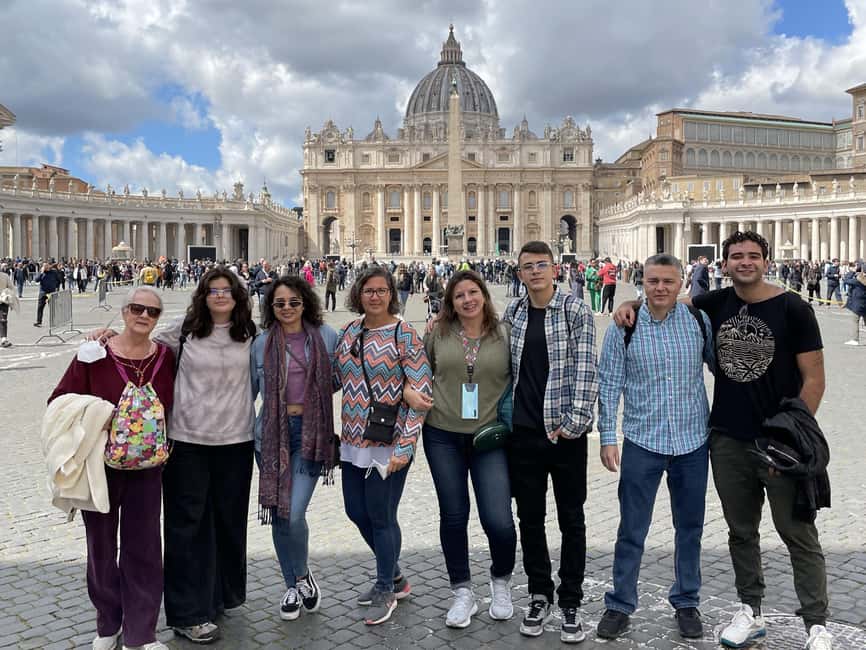
Rome has plenty of big-ticket monuments. This tour goes after something quieter: the sense of walking through sacred space with a story attached. It’s built like a pilgrimage, not a sprint. The “Holy Door” idea is about more than a religious label; the route is structured so each stop connects to a tradition of Christian sacrifice, suffering, and birth.
What I like most for you is the focus. You’re not bouncing randomly between churches. You’re led from one place tied to Christian relic traditions to another, and the guidance helps you understand why each site gets remembered and visited. The tour also makes space for reflection, especially at stops like the Scala Sancta (Holy Stairs), where the atmosphere is unlike a typical museum quick-stop.
Another plus: the group stays small, and the guide is live. In the best-case scenario, you’ll find yourself listening like you would to a good friend who actually cares about what you’re seeing. One guide named Cesar is specifically praised for being detailed without rushing, plus for asking questions to get a feel for the group.
You can also read our reviews of more guided tours in Rome



Meeting point and timing: how the 2–2.5 hours add up
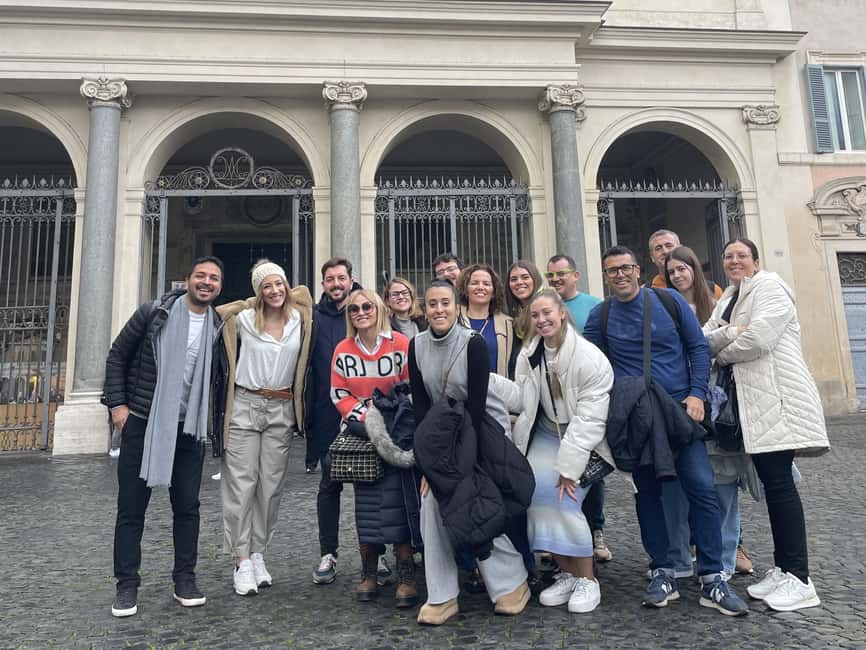
The tour runs about 2 to 2.5 hours, depending on the day and starting time. The key practical thing is that each stop is short enough to keep momentum, but not so short that you have no time to look. If you’ve ever done a guided walk where you’re constantly moving and never looking, this format is gentler.
You’ll start near Piazza di Santa Maria Maggiore, Coin (there are two start options, but this is the one you should plan for). From there, the walk threads through the church-heavy center of Rome. Since it’s a walking tour, you should plan your day around it rather than expecting to slip it in between major lines and museum times.
Language is another practical detail. Live guides work in Portuguese and Spanish, so if either is your comfort zone, you’ll get the full value from the explanations. If you don’t speak either, you might still follow along visually, but you’ll likely miss some of the guided context.
Stop 1: Holy Cross of Jerusalem tradition begins near Santa Maria Maggiore
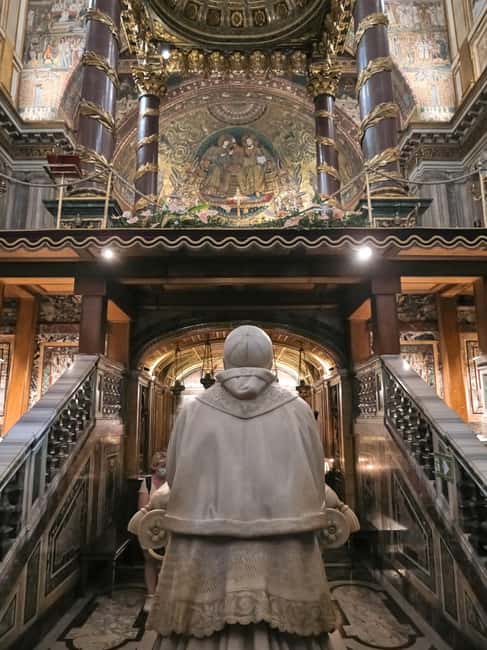
The tour begins at the Church of the Holy Cross of Jerusalem to see the first relic. Even if you know the Christian story broadly, starting here shapes your mindset. It’s a clear opening: you’re not guessing what you’re looking for, and the guide’s explanations set up what comes next.
This is also a good time to get your bearings. Since the first stop is right at the beginning, you can learn the “how to look” approach: listen to the guidance, then switch to quiet observation. You’ll be better prepared for the rhythm of later stops, especially the ones where the meaning is tied to tradition rather than just what you see at a glance.
Stop 2: Archbasilica of St. John Lateran and the big-church feel
Next up is the Arch Basilica of St. John of Leteran. This stop matters because it’s not just about a single relic moment. It’s about scale—how a major basilica frames faith through architecture, sacred art, and the energy of a functioning church space.
In tours like this, big spaces can either feel overwhelming or clarifying. Here, the guided timing (about 30 minutes with guidance) helps you focus on what to notice. You’re more likely to come away remembering specific elements tied to the tour’s theme, rather than just thinking, Wow, that’s a beautiful church.
One small consideration: large churches can be crowded. Plan to move slowly through the space and don’t expect to stand in one place forever. The value comes from the guided pacing, not from lingering like it’s a private viewing.
Stop 3: Basilica of St. Mary Major and the Nativity wood tradition
Then you go to the Basilica of St. Mary Major, where you’ll appreciate the wood of the cradle of the Nativity, according to tradition. This is where the tour’s theme shifts from suffering to origins. That change keeps it from becoming one-note, especially if you’re visiting with kids, faith-curious friends, or anyone who likes variety in religious sites.
A tour like this can easily turn into a checklist. This one tries to do something else: link the meaning. When you learn how a relic tradition connects to the story of Jesus’ birth, you’ll likely feel more grounded as you approach later stops tied to the Passion narrative.
The guided portion is about 30 minutes at this section of the journey. That gives you time to see the space and take in what the guide points out.



Stop 4: Scala Sancta (Holy Stairs) and the power of slow steps
The Scala Sancta is one of the tour’s most striking parts, and not because it’s flashy. It’s about ritual and restraint: tradition says these are the stairs Jesus climbed before being judged by Pontius Pilate. The guide explains the connection, and you can feel how the site invites quiet focus.
This is also a stop where pacing really matters. You’ll have about 15 minutes for the visit with guidance. That’s enough time to understand the tradition and look, without turning it into a long slog. The best approach is to slow down your brain, not just your feet. Look first, then listen again.
Practical note: the stairs and church environment can be physically demanding. You’ll be glad you wore comfortable shoes and clothes you can move in easily.
Stop 5: Santa Prassede and sacred art you’ll actually notice
After the Holy Stairs, the tour visits Santa Prassede with guided time of about 15 minutes. This is a short stop, but it’s one where guided attention helps. Sacred art in Rome can be so intense that it’s easy to miss the details that make it meaningful.
So instead of treating Santa Prassede like a quick photo stop, take it as a “look with help” moment. Let the guide’s directions pull your attention to the right areas. You’ll likely leave with a clearer sense of what you saw and why it mattered in the tour’s Christian theme.
Because the guided time is short, you’ll want to be mentally ready when you arrive. Once you’re in, focus on listening and observing rather than scanning for the next stop.
Stop 6: Basilica of the Holy Cross in Jerusalem fragments of the Cross
One of the key relic traditions in the route is a visit to the Basilica of the Holy Cross in Jerusalem, where fragments of the cross on which Jesus was crucified are found. This stop is guided for about 30 minutes.
This is the part where people often get emotional, even if they’re not trying to. The combination of a church setting plus the idea of preserved fragments creates a strong sense of continuity. You’re not just hearing the story; you’re standing in the place where the tradition says the fragments exist.
That said, you should keep expectations realistic. This is still a public religious site. There may be crowds, and your time is guided rather than personal. The value is in the context you’re given, so you know what you’re looking at.
Stop 7: Basilica Papale di Santa Maria Maggiore and a final wrap-up
The tour also includes Basilica Papale di Santa Maria Maggiore, with about 30 minutes of guided visit time. This section helps bring the story together by returning you to a major church setting and giving you another chance to absorb the route’s spiritual and historical message.
By the end, you’ll likely feel like the tour stitched together many separate church visits into one single narrative. That’s the big win: you’re not collecting random stops. You’re getting a guided sequence that makes the different sites feel like chapters.
The tour ends back where it starts (though the itinerary lists drop-off options, the overall experience is designed to return you to your starting point). Just plan your next activity with enough buffer so you’re not rushing out immediately.
The guide matters: what makes Cesar’s style a standout
The best tours are built on more than route planning. They rely on the guide’s ability to explain without drowning you in facts. One guide named Cesar is praised for detailed, interesting explanations, and—just as important—for getting the timing right.
Here’s what that means for you on the ground:
- You get enough time at each stop to appreciate it without constant pressure to move.
- You can ask questions and feel comfortable.
- The guide gives tips for what else to enjoy in the area, which helps you turn the tour into a better overall day.
Also, because you’ll have a radio headset, you won’t be stuck straining your voice in crowded spaces. That small piece of comfort can make a big difference to your enjoyment.
Price and value: is $45.55 a fair deal?
At $45.55 per person, you’re paying for a short guided pilgrimage with a specialized guide and radio headset support. For Rome, where self-guided church hopping can be time-consuming and confusing, this feels like decent value—especially if you want the story made clear.
What you’re not paying for matters too. Food and beverage aren’t included, and entry fees for places requiring pre-payment aren’t included. The tour is designed around visits where the guidance and access are part of the value, but you might still encounter paid requirements at specific locations.
So the value depends on how you travel:
- If you like reading plaques and figuring things out alone, you could do something similar independently.
- If you want the religious-and-historical meaning explained in a way you can actually follow on foot, this price starts to look very reasonable.
What to wear and what to expect inside churches
This tour is explicitly historical and Christian in focus. That means appropriate clothing for church entries is important. The simplest advice: dress modestly enough for churches, and avoid anything that will feel uncomfortable if you’re asked to adjust.
Bring:
- Comfortable shoes (you’ll be walking and standing)
- Comfortable clothes you can move in
Not allowed:
- Pets
Also, the pacing includes multiple guided visits. You’ll get the most if you treat each stop as a small appointment: listen first, then look.
Who should book this tour (and who might skip it)
This tour fits best if you want:
- a guided walk with meaningful Christian relic traditions
- a route that connects art and faith instead of treating churches like backdrop
- a small-group experience with time to understand rather than rush
It might not be the best fit if you want:
- a purely secular sightseeing day
- lots of free time to explore every corner at your own pace
- an ultra-long museum-style visit (this stays within about 2 to 2.5 hours)
One more practical point: the tour requires a minimum group of 4 people. If that number isn’t reached, it can be cancelled about 24 hours before the tour starts. If you’re visiting during a busy season, this is less likely to be an issue, but it’s still worth knowing.
Should you book Rome’s Holy Door and Relics of Christ tour?
If you’re in Rome and you care about spiritual context—at least enough to listen for 2 to 2.5 hours—this is a strong booking. You’ll get a guided sequence through major churches, with the relic traditions arranged like a story, and the radio headset helps you actually hear the explanation in real-world church crowds.
I’d book it if you want your time to feel structured and meaningful, not random. I’d skip it if your goal is purely visual sightseeing and you don’t want any faith-centered framing. Either way, wear comfy shoes and plan to walk with intention.
FAQ
What is the duration of the Rome Holy Door and Relics of Christ tour?
The tour lasts about 2 to 2.5 hours.
Where does the tour start?
The meeting point can vary depending on the option you book. One listed starting area is Piazza di Santa Maria Maggiore, Coin.
What places are included on the route?
The tour includes visits to the Church of the Holy Cross of Jerusalem, Arch Basilica of St. John of Leteran, Basilica of St. Mary Major, Scala Sancta, Santa Prassede, and Basilica Papale di Santa Maria Maggiore, plus the Basilica of the Holy Cross in Jerusalem and a stop to see the column of the flagellation.
Are entry fees included?
No. Entry to places of previous payment is not included.
What’s included in the tour price?
You get a walking tour, a specialized tour guide, and a radio headset.
What languages are the guided tours offered in?
Live guides are available in Portuguese and Spanish.
What should I bring and wear?
Wear comfortable shoes and comfortable clothes, and dress appropriately for church entry.
Is the tour refundable if I cancel?
Yes. Free cancellation is available up to 24 hours in advance for a full refund.