REVIEW · ROME
Private Tour – National Museum of Palazzo Massimo
Book on Viator →Operated by Rome Guides · Bookable on Viator
Rome’s ancient world is right inside this museum. A private English tour at Museo Nazionale Romano, Palazzo Massimo, turns scattered objects into clear stories about Roman life, belief, and art. You walk through key themes like ancient Roman calendars and the way families honored their ancestors, then connect it to what you see across Rome outside.
I especially like that this tour mixes daily life with big ideas, so you’re not just staring at statues. You also get a focused highlight on Boxer at Rest and frescoes associated with the Villa Livia, which makes the art feel personal and explainable instead of random. One drawback to weigh: like many museum experiences, you’ll need to leave bags and backpacks in the checkroom, so keep things you need within easy reach.
In This Review
- Key moments worth planning around
- Palazzo Massimo: where Roman daily life clicks into place
- Roman calendars, ancestor worship, and the religious logic behind the art
- Boxer at Rest and Villa Livia frescoes: the highlights that teach you how to look
- A focused 2-hour private pace that actually fits a Rome day
- Admission tickets included: is the $150.18 price good value?
- Getting there and starting on time without stress
- Who this private tour is best for
- Should you book it? A clear recommendation
- FAQ
- What is the duration of the private tour?
- What does the tour cost?
- Is this tour offered in English?
- What is included in the price?
- Do I need to pay for museum admission separately?
- Where do I meet the guide?
- What should I know about bags and backpacks?
Key moments worth planning around
- Private pacing: a true private tour for your group, not a crowded cattle-line experience
- Tickets included: you pay once, and admission is part of the package
- Roman calendars and portraits: you’ll learn how Romans tracked time and celebrated heroes
- Ancestor worship focus: the guide helps you make sense of religious practice in everyday life
- Boxer at Rest plus Villa Livia frescoes: two standout art targets that anchor the visit
Palazzo Massimo: where Roman daily life clicks into place
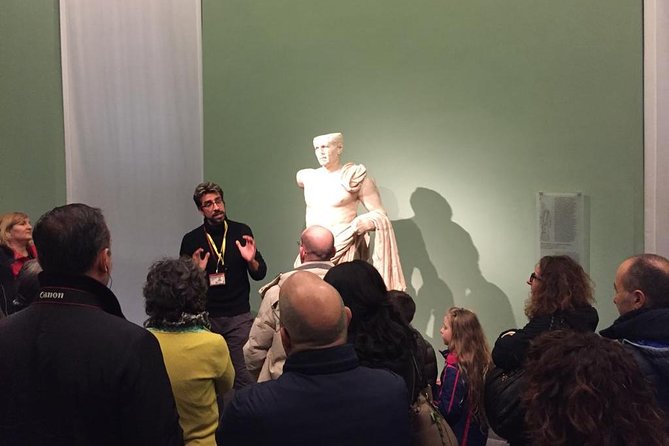
Palazzo Massimo is one of those Rome museums that rewards attention. The rooms are built for looking, and the objects are grouped around real themes—how people lived, what they valued, and how they used art to say something about status and faith. If you’ve ever felt that ancient Rome can be confusing—emperors here, temples there—this tour helps you connect the dots.
The value here is not just that you see a lot. It’s that you learn what to notice. You’ll get explanations about ancient Roman habits and institutions, then practical ways to interpret what you’re looking at—like how frescoes, mosaics, and house decoration weren’t only pretty. They were part of how Romans expressed identity, taste, and belief.
I also like that the tour explicitly links museum pieces to the city you’re already walking through. You’ll hear how today’s ruins in Rome reflect earlier ways buildings were used, decorated, and experienced. It makes the museum feel like a smart pre-game for the streets outside.
You can also read our reviews of more private tours in Rome


Roman calendars, ancestor worship, and the religious logic behind the art
A big theme of this private visit is time and memory—how Romans organized life and honored the people who came before. You’ll spend time on ancient Roman calendars and how they used them. That sounds abstract until you realize calendars are a practical tool for civic life, religious observance, and social routine. When you understand the calendar angle, the museum stops being a collection and starts being a map.
Then comes a theme that many people miss when they visit Rome: ancestor worship and veneration of the deceased. The tour explains the religious aspect of ancient Romans and connects it to how families treated their dead. This matters because it changes how you read imagery. Instead of seeing decoration as decoration, you start to see ritual and meaning threaded through the home and public identity.
You’ll also learn about artistic practices, including the way Romans portrayed their heroes. That focus helps you interpret portrait styles and the social messages behind images. Roman art often works like branding: it communicates who matters, what virtues are celebrated, and what kind of person you want to be associated with.
Why this theme is worth your time: it gives you a lens. When you walk past another Roman relief or bust later that day, you’re likely to notice details you’d otherwise skip. You’ll know what questions to ask—What is this celebrating? What role does it play in belief? Who is it for?
Boxer at Rest and Villa Livia frescoes: the highlights that teach you how to look
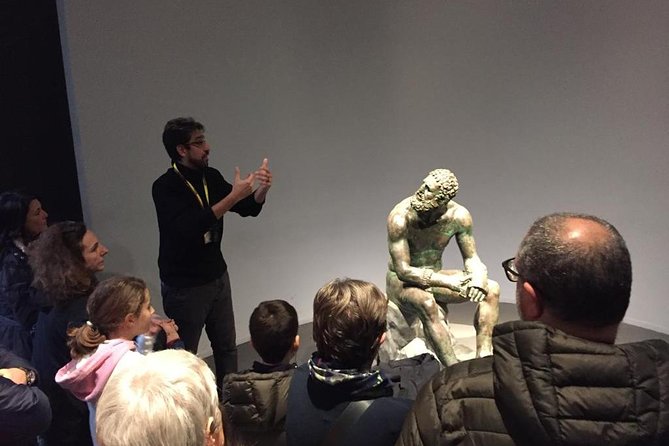
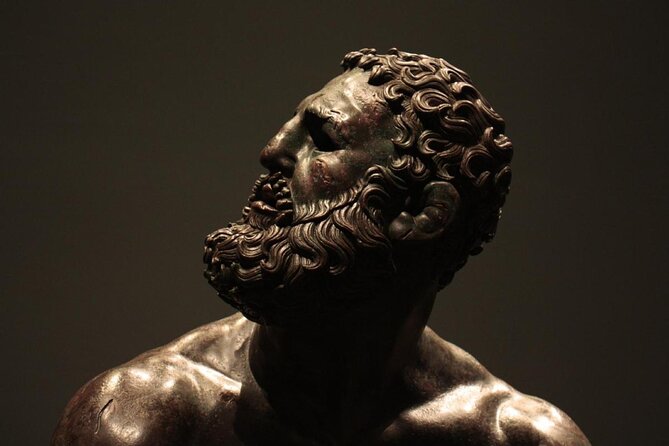
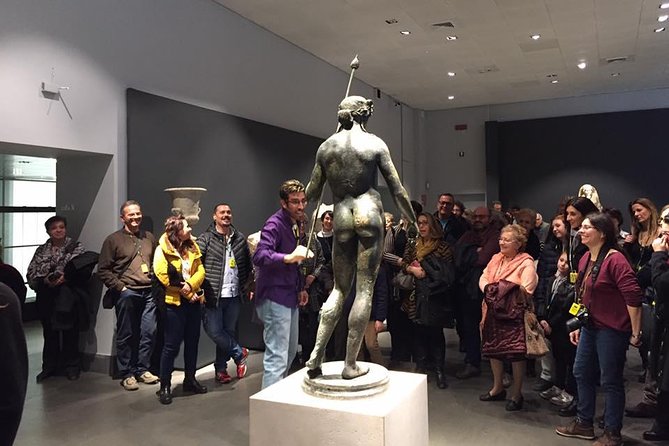
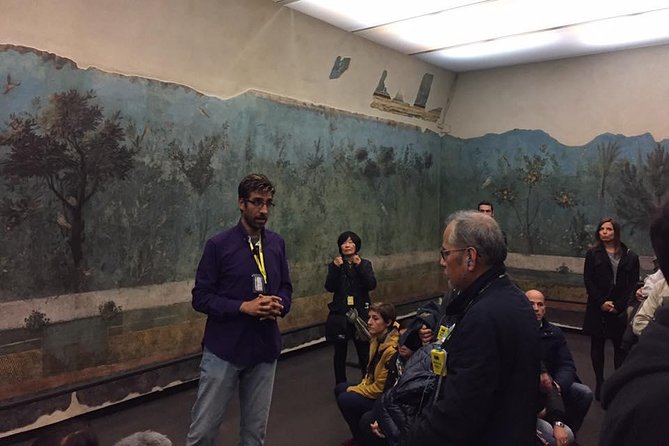
Two art targets anchor the tour: the Boxer at Rest sculpture and frescoes from the Villa Livia. These highlights are popular for good reason, but the tour’s real trick is teaching you how to look at them without getting lost in guesswork.
The Boxer at Rest is famous, but it can also be a blur if you just stand there taking a quick photo. With a guide, you learn what makes it compelling—how it captures a moment, what expressions and posture communicate, and why athletic subjects mattered in Roman culture. You’ll see how the sculpture’s realism and human tension connect to larger Roman ideas about discipline and character.
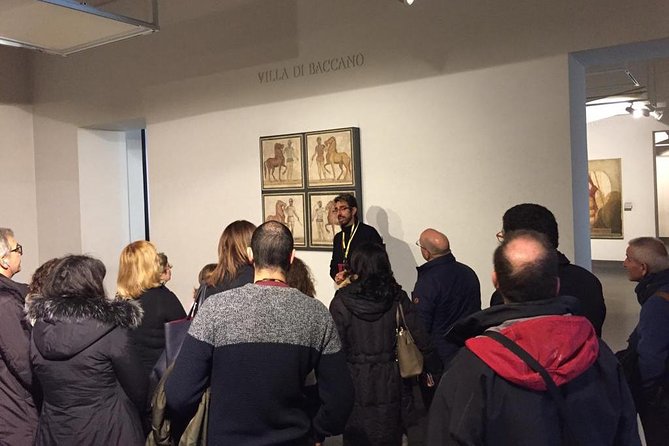
Then the focus shifts to wall painting through frescoes from the Villa Livia. Frescoes are easy to overlook because they don’t “feel” like monuments. But they were central to Roman interiors. You’ll understand how frescoes and mosaics decorated houses, and how artwork helped shape mood, identity, and social storytelling. Once you know the context, the images start making sense as part of an everyday visual world, not just ancient decoration.
A nice side effect: you’ll come away with a better feel for Roman artistic practice. This isn’t only about recognizing famous works. It’s about understanding that Roman art lived inside rooms, alongside daily routines, and tied into religious and cultural behavior.
A focused 2-hour private pace that actually fits a Rome day
This tour runs for about 2 hours, and that duration is a sweet spot for a museum in Rome. Long enough to see major highlights and learn the themes, short enough that you won’t feel like your entire afternoon got swallowed by indoor air-conditioning and wall text.
Because it’s private, the pacing works for your group. You can slow down when a detail matters and move on when your energy dips. That’s a real comfort in Rome, where you’re often balancing walking, time windows, and lines. Here, your guide shapes the route around what you’ll get the most value from.
Also, because it’s offered in English, you’ll spend less time trying to interpret labels and more time asking the “why does this matter” questions that turn a museum visit into learning.
The practical reality: museums always have rules. You’ll be required to leave bags and backpacks in the checkroom. That can be slightly annoying, so travel light on purpose. If you need essentials—water, a phone charger, a small camera—you’ll be happier keeping them within your allowed personal carry.
Admission tickets included: is the $150.18 price good value?
At $150.18 per person, this isn’t a budget-only option. But it can still be good value if you care about guidance and you’re comparing against the cost of doing the museum without that support.
Here’s where the price makes sense. The tour includes professional guidance plus admission tickets. That means you’re not paying extra on top to get in. You’re also paying for someone to connect the dots—calendars, portraits, ancestor worship, and the art you’re seeing—so you get more from the time you spend inside.
You’ll also see value if you travel with a group, since group discounts are part of the setup. If you’re deciding between a solo visit and a shared private tour with friends, it’s worth asking how the group discount is handled for your specific party size.
One more angle: timing. This tour is commonly booked about 90 days in advance, which usually signals demand for that exact guided format. If you want the 2:30 pm slot, don’t wait too long.
You can also read our reviews of more museum experiences in Rome




Getting there and starting on time without stress
Your meeting point is Palazzo Massimo alle Terme, at Largo di Villa Peretti, 2, 00185 Roma RM, Italy, and the tour starts at 2:30 pm. It ends back at the meeting point, so you don’t need to coordinate a separate pickup or transportation plan.
The site is near public transportation, which is helpful because Rome traffic and parking can turn a simple plan into a time puzzle. If you’re planning the day, I’d treat this as a fixed anchor: arrive with enough buffer to handle the check-in and bag-check step without rushing.
Tiny tip that saves headaches: keep your day bag minimal. The tour has a clear requirement to check bags and backpacks. If you show up with a big backpack, you lose time and you’ll feel it immediately.
Who this private tour is best for
This private tour is a strong fit if you:
- want a guided museum visit focused on meaning, not just highlights
- like learning how art connects to culture, religion, and daily life
- enjoy themes like calendars and ancestor worship more than you enjoy only dates and emperors
- prefer a private group experience in English that you can pace to your comfort
It’s also a good choice if you’re doing a Rome itinerary packed with major sites and you want your museum time to feel like it supports what you’ll see later outside. The focus on interpreting ruins and building use is especially helpful if you plan to keep wandering after the tour.
If you’re the type who only cares about maximum “big name” photos, you might wonder if two hours is enough. But if you care about why the works matter, the time feels just right.
Should you book it? A clear recommendation
Book this private tour if you want your Palazzo Massimo visit to come with a lens. The tour isn’t only about seeing the Boxer at Rest and the Villa Livia frescoes—it’s about learning the Roman logic behind portraits, home decoration, calendars, and ancestor worship. That combination makes the museum more than a stop.
Skip it only if you’re truly fine reading labels on your own and you don’t care about context. With a guided format, you get the interpretation that makes details stick.
If you do book, arrive a bit early, travel light with your bag, and plan for a smooth start at the Largo di Villa Peretti meeting point. Then you’ll get what most people come for: a private, ticketed museum visit that helps you see ancient Rome with smarter eyes.
FAQ
What is the duration of the private tour?
The tour lasts about 2 hours.
What does the tour cost?
The price is $150.18 per person.
Is this tour offered in English?
Yes, it is offered in English.
What is included in the price?
You get a professional guide, a local guide, a private tour, and admission tickets.
Do I need to pay for museum admission separately?
No. Admission tickets are included in the tour price.
Where do I meet the guide?
The meeting point is Palazzo Massimo alle Terme, Largo di Villa Peretti, 2, 00185 Roma RM, Italy.
What should I know about bags and backpacks?
It is mandatory to leave bags and backpacks in the checkroom.