REVIEW · ROME
Private Rome Food Tour in the Historic Centre with 8+Tastings
Book on Viator →Operated by Secret Food Tours · Bookable on Viator
Rome smells like food and stone.
This private Rome food tour mixes major sights with 8+ tastings, so you’re not just eating—you’re also getting the why behind what you’re tasting as you walk through the Historic Centre. It’s guided in English, and the guide takes care of ordering so you can focus on actually enjoying the meal instead of playing restaurant translation roulette.
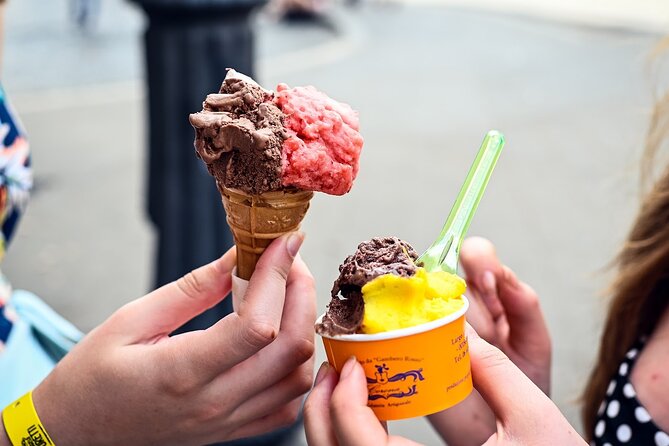
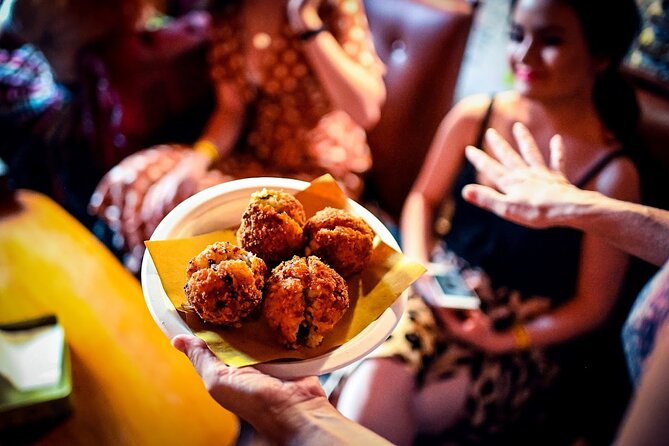
I especially like the way the tour is built for variety: you’ll hit homemade pizza, fried supplí (risotto balls), cold cuts and cheeses, two Roman pastas, cannoli, artisanal gelato, and a Secret Dish. And I like the human factor too. Guides such as Rocio, Ludovica, Massi, Robbie, and Edoardo show up in past experiences for a reason: strong English, lots of food-and-place context, and a sense of humor that keeps things moving.
One consideration: it runs a little over 3 hours and you’ll be walking between stops, so comfortable shoes matter. Also, the menu and route details can shift with weather and availability, so keep expectations flexible.
In This Review
- Key things I’d plan for before you go
- The winning formula: food tastings paired with Rome streets
- Starting point near Piazza Navona: Sant’Agnese in Agone to get your bearings
- Campo de’ Fiori: the square south of Piazza Navona
- The French embassy palace: Renaissance Rome on the edge of your plate
- The Jewish ghetto established in 1555: Rione Sant’Angelo and food memory
- The Four Rivers fountain: a dove on top and Roman symbolism in motion
- Ancient walkway remains from the 2nd century B.C.
- Largo di Torre Argentina: temples, Pompey’s Theatre, and cannoli energy
- What you’ll actually eat: pizza, supplí, pasta, and the Secret Dish
- Price and value: is $405.14 per person worth it?
- Getting the most out of it: questions to ask your guide
- Who should book this Rome food tour
- Should you book Private Rome Food Tour in the Historic Centre with 8+ Tastings?
- FAQ
- How long is the Rome food tour?
- Where does the tour start and end?
- Is this a private tour?
- What’s included in the tastings?
- Is the tour offered in English?
- Do I need hotel pickup?
- Can the guide help if I don’t speak Italian?
- What should I wear?
- Can the menu change during the tour?
- Is cancellation free?
Key things I’d plan for before you go
- A private group experience: only your group participates, which usually means a calmer pace and easier questions
- Ordering without the language headache: your guide selects the dishes for you
- 8+ tastings with real variety: pizza, supplí, Roman pastas, cannoli, gelato, plus a Secret Dish
- Sightseeing that makes sense: stops connect to how Rome’s neighborhoods developed
- Some weather sensitivity: plan for a day that’s good enough for walking
- Dietary needs require early contact: not every restriction can be guaranteed, so check before booking
The winning formula: food tastings paired with Rome streets
If you’ve ever eaten your way through a city and still felt like you missed the point, this tour aims to fix that. You’re not doing a random sequence of snacks. You’re walking a route through recognizable Rome landmarks, then eating foods that fit the neighborhood and the moment.
This is where I think the tour’s approach is smart for real travelers. You get enough time to feel fed, but the stops are spaced so you’re not stuck in a food coma. And because your guide handles ordering, you can avoid the usual friction—especially if your Italian is more suitcase-friendly than conversational.
You’ll also learn how food traditions connect to place. That connection matters, because pizza in Rome is never just pizza, and supplí isn’t just a fried ball. It’s a Roman habit. The tour treats those habits like part of the city’s map.
You can also read our reviews of more food & drink experiences in Rome
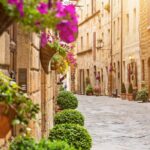
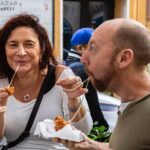
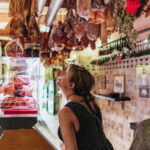
Starting point near Piazza Navona: Sant’Agnese in Agone to get your bearings
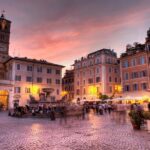
You begin at Sant’Agnese in Agone, Piazza Navona (14). That’s a great start because it lands you in the center of the Historic Centre right away. If you’re arriving from a hotel without a perfect plan, this meeting point is easy to connect to.
From the start, expect a walking tour rhythm: you’ll move between squares and landmarks, pause to eat, then move again. The whole thing runs about 3 hours 30 minutes, so it’s long enough to feel like a real experience but short enough to fit into a typical Rome day without hijacking it.
Practical tip: wear shoes you’d also trust for a museum day. The tour is doable for most travelers, but it’s still Rome on foot, and you’ll be on your feet for a good stretch.
Campo de’ Fiori: the square south of Piazza Navona
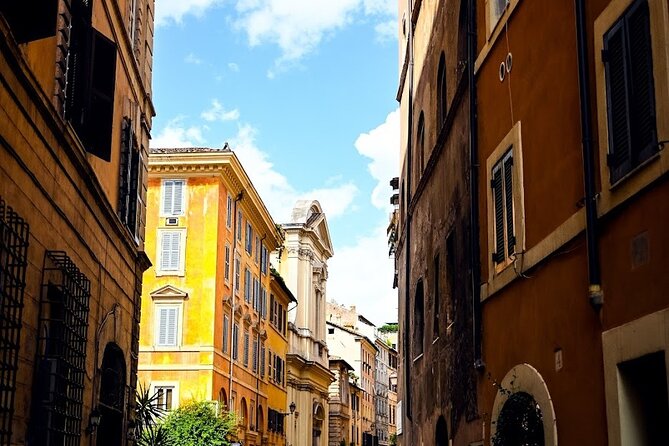
The first food-and-sight stop is a rectangular square associated with Campo de’ Fiori, described as south of Piazza Navona. The name literally means field of flowers, which is a nice reminder that cities keep layers. Even when today’s streets look permanent, the identity of a place has changed over time.
This is also the kind of stop that makes the tour feel Roman-fast. You don’t need a lecture to understand Campo de’ Fiori as a social space: it’s a square, people move through it, and food belongs there. Eating early in the route works, too. It’s the moment you want your energy up before you start stacking sights.
What you’ll take from this stop:
- A stronger sense of how Rome’s squares work as everyday living rooms
- A first taste that sets the tone for the tour’s blend of classics (like pizza) and lesser-known specialties (like supplí)
The French embassy palace: Renaissance Rome on the edge of your plate
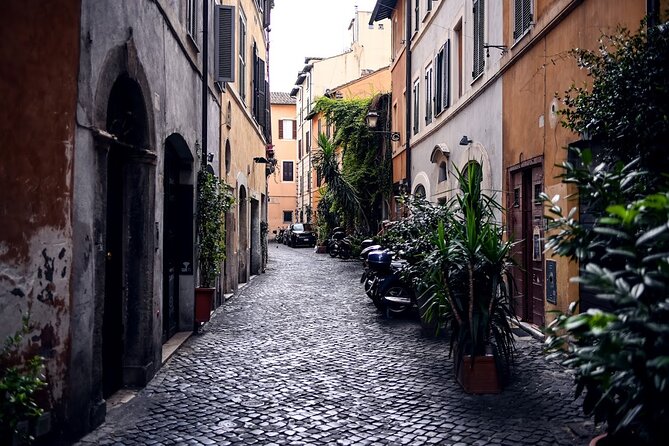
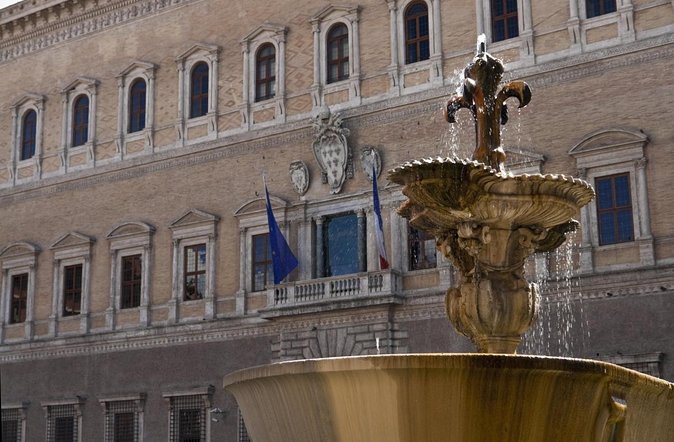
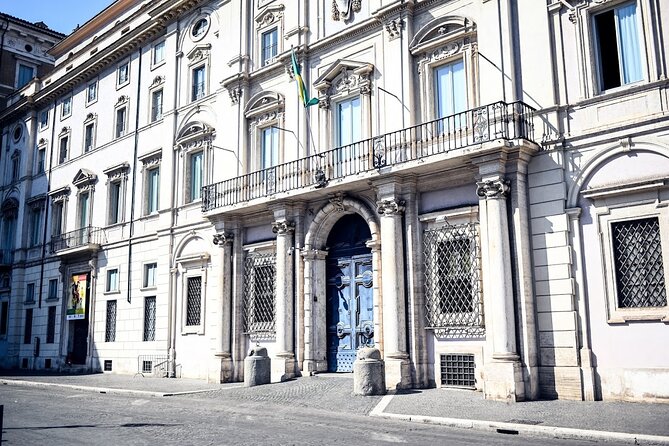
Next, you’ll visit one of the most important High Renaissance palaces in Rome, which today serves as the French embassy in Italy. This stop adds something valuable: context. It’s a reminder that Rome’s food culture didn’t develop in isolation. Power, politics, and architecture all shaped who lived where and what became common around the tables.
This kind of stop also helps you understand why the neighborhoods on the route feel distinct. Rome’s center isn’t one single theme. It’s a patchwork of different histories and different tastes.
Food-wise, the big win here is pacing. After pizza and other starters, you’re in a space where it makes sense to slow down for a minute, absorb the setting, and then keep going when you’re ready.
The Jewish ghetto established in 1555: Rione Sant’Angelo and food memory
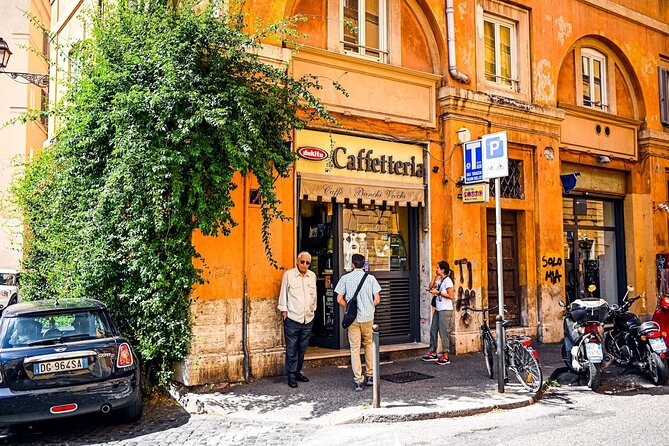
One of the most interesting segments is the walk through the Jewish ghetto, established in 1555 in Rione Sant’Angelo. This neighborhood is described as unique, full of history and culture, and—very importantly—great food.
This is where the tour’s storytelling matters. Food traditions can be resilient, and the ghetto’s story is part of why certain dishes show up in certain ways. You’re not just eating; you’re learning how a community’s experience can shape what people cook, share, and sell.
A good tour moment to look for here: when your guide connects a dish to the area you’re standing in. That’s when food becomes more than calories.
Possible drawback to keep in mind: because this segment is tied to a specific historic area, it may feel more emotionally weighted than some other stops. If you prefer purely light-and-funny sightseeing, you can still enjoy the food focus, but don’t expect only casual vibes.
You can also read our reviews of more tours and experiences in Rome


The Four Rivers fountain: a dove on top and Roman symbolism in motion
You’ll also see a classical 17th-century fountain, a homage to four rivers, featuring a Roman obelisk topped by a dove. It’s a visually strong stop, and it helps break up the meal-and-walk rhythm with something scenic and memorable.
Why it belongs on a food tour: fountains and public works connect to everyday life. Rome has always treated public spaces as places to meet, talk, and pass time. When you pause here, you get a “how people lived” feeling—then you keep eating like a local would: in between life, not during a scripted break.
If you like taking photos, this is one of those “stop, look up, then keep walking” moments.
Ancient walkway remains from the 2nd century B.C.
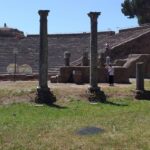
Another stop takes you to remains of an ancient walkway built in the 2nd century B.C. that originally linked two Roman temples. This is the tour’s “wait, Rome is older than I thought” reality check.
You’re going to be surprised by how well this kind of stop works when you’re also eating. It reminds you that the city has always been structured around movement—processions, routes, connections. Even the way people got from place to place shaped what food markets offered and where people gathered.
The practical side: it’s a great stop for people who want some real Roman archaeology without committing to a museum ticket that eats half the day. You get a taste of the ancient city while staying in the flow of the food tour.
Largo di Torre Argentina: temples, Pompey’s Theatre, and cannoli energy
Your tour ends at Largo di Torre Argentina. Before that, you’ll visit a square described as having four Roman Republican temples and the remains of Pompey’s Theatre, located in the ancient Campus Martius.
This is one of the most satisfying “finish strong” locations in the center. It’s dramatic in a way that feels earned, not staged. And after a string of tastings, it’s the perfect moment for a final dessert hit—like cannoli and artisanal gelato—because the scenery makes your sweet finish feel like a real celebration.
As a closing tip: end-of-tour stations are when you’ll probably be ready to slow down. Take your time here, grab a last photo, and then continue exploring at your own pace once you’re done.
What you’ll actually eat: pizza, supplí, pasta, and the Secret Dish
Here’s what’s included in the tastings:
- Two different types of homemade pizza
- Supplí (fried risotto balls)
- Italian cold cuts and cheeses
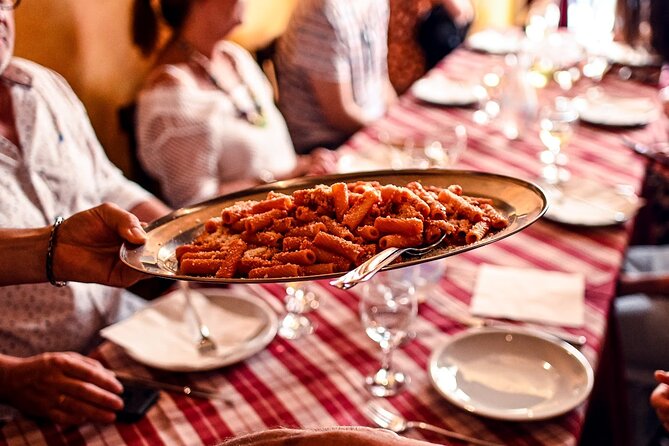
- Two Roman pastas
- Cannoli
- Artisanal gelato
- Secret Dish
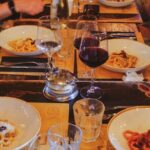
This matters for value. A lot of “food tours” are more like sampling one or two items and calling it a day. Here, the lineup is built for a genuine Rome meal structure: carbs (pizza), street-style snack energy (supplí), savory plates (cold cuts and cheeses, pasta), then dessert (cannoli and gelato).
Two extra practical notes:
- Because your guide selects dishes for you, you’ll spend less time second-guessing menus and more time eating what the kitchen actually does well.
- The tour menu and exact dishes can change based on location availability and weather, so treat it like a curated experience, not a rigid script.
If you’re the type who wants to order for yourself, you can still ask questions. But the guide’s selection is one of the main strengths of the experience.
Price and value: is $405.14 per person worth it?
At $405.14 per person for about 3 hours 30 minutes, the price looks high on paper—until you map it to what you’re getting.
You’re paying for three big things:
- A private guide for the full walk
- Multiple substantial tastings (pizza plus supplí plus two Roman pastas plus dessert)
- Sightseeing stops that align with the exact areas you’re eating in
If you tried to recreate this yourself, you’d likely spend a chunk of money just on two or three restaurant meals, then still be short on the “what am I looking at and why does it matter” part. With this tour, the guide helps you connect dots, and that’s where the value often shows up for people who like more than just eating.
One more practical lens: the tour is booked, on average, about 143 days in advance, which usually means it fills up. If you want this day and time, booking sooner can help you lock it in.
Getting the most out of it: questions to ask your guide
Because the guide selects dishes, you might think you have less input. You don’t. This is your chance to ask smart questions that turn snacks into learning.
A few ideas that fit the tour format:
- Ask what dish is most “Rome” today versus what’s more tourist-friendly
- Ask what local markets or shops they’d recommend if you liked the specific food you’re tasting
- Ask where you should go next if you want more of the same flavors after the tour
The names of guides like Rocio, Ludovica, Massi, Robbie, and Edoardo show up in past experiences for good reason: people tend to remember the guide’s mix of food knowledge, jokes, and place context. That’s exactly what you should lean into.
Who should book this Rome food tour
This tour is a strong fit if:
- You want a food-first day that still includes major sights around the Historic Centre
- You prefer a guide who handles ordering and makes choices for you
- You like your Rome travel with structure: eat, walk, learn, repeat
- You want an efficient way to sample both classic and street-style Roman favorites
You might think twice if:
- You hate walking (it’s a little over 3 hours)
- You have dietary restrictions and need total certainty—since the tour advises you to contact them in advance and notes that some restrictions may not be accommodated
- You expect the plan to never change—because menu details can shift with weather and availability
Should you book Private Rome Food Tour in the Historic Centre with 8+ Tastings?
I’d book it if you want the simplest path to a full-on Rome food day. The included lineup is broad enough to feel like you ate a real meal, not a string of tiny bites. And the way the route threads through Campo de’ Fiori, the ghetto area, major monuments like the Four Rivers fountain, and the ancient Campus Martius zone gives the eating context.
Go for it if you like your travel practical: a guide in English, no ordering stress, and a route that helps you feel like you understand the city—not just taste it.
Skip it only if you’re not up for walking, or if dietary needs are so specific that you can’t risk a substitution. In that case, contact the operator early and make sure the plan works for you.
FAQ
How long is the Rome food tour?
It runs for about 3 hours 30 minutes.
Where does the tour start and end?
It starts at Sant’Agnese in Agone, Piazza Navona, 14, and ends at Largo di Torre Argentina.
Is this a private tour?
Yes. It’s private, and only your group will participate.
What’s included in the tastings?
Included tastings are two types of homemade pizza, supplí, Italian cold cuts and cheeses, two Roman pastas, cannoli, artisanal gelato, and a Secret Dish.
Is the tour offered in English?
Yes, it’s offered in English.
Do I need hotel pickup?
No. Hotel pick up and drop off are not included.
Can the guide help if I don’t speak Italian?
Yes. The guide selects the dishes for you, which helps you avoid a language barrier when ordering.
What should I wear?
Wear comfortable walking shoes. The tour involves walking for a little over 3 hours.
Can the menu change during the tour?
Yes. The itinerary and menu can change based on location availability, weather, and other circumstances.
Is cancellation free?
Free cancellation is offered. You can cancel up to 24 hours in advance for a full refund.