REVIEW · ROME
Pasta Making and Tiramisù Cooking Class in Rome
Book on Viator →Operated by Inrome Cooking Srl · Bookable on Viator
Two classics, taught by real pros. In Rome, this hands-on class in a working kitchen near Piazza Navona takes you from fresh pasta dough to a finished tiramisu with drinks and lots of hands-on coaching. You’ll get a warm welcome with Prosecco and Italian antipasti before cooking.
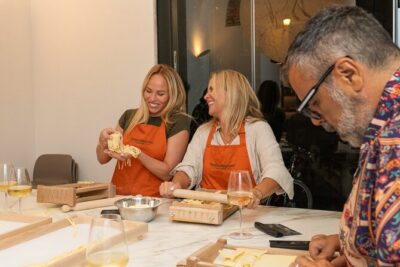
I like that you’re not just watching. You’ll knead, shape, and learn the technique behind two pasta types, plus you’ll make tiramisù step by step. I also like the small-group feel, so an English-speaking chef can correct your hands-on moves and share practical tips you can use later.
One thing to consider: the kitchen is compact and the pace is busy—covering two pastas, sauces, and dessert takes focus. If you prefer quiet, be aware it can get loud in a tight space, and you may walk to a nearby studio location before class starts.
In This Review
- Key Highlights Worth Planning For
- Rome’s 17th-Century Cooking School and the Piazza Navona Location
- Meeting Point, a Possible Short Walk, and What the 5:30 Timing Means
- What You’ll Cook: Two Pastas, Roman Sauces, and Classic Tiramisu
- Inside the Kitchen: How the Lesson Flows Step by Step
- Chef Energy in Action: Patience, Humor, and Real Teaching
- Drinks, Antipasti, and the Sit-Down Meal You Actually Want
- Group Size, Setup, and Why the Kitchen Can Feel Busy
- Price and Value: Why This Costs $119.77 (and What You’re Paying For)
- Best Fit: Who Will Love It and Who Might Want Another Option
- Should You Book This Pasta and Tiramisu Class in Rome?
- FAQ
- How long is the cooking class?
- What time does the class start?
- Where do I meet for the class?
- Does the class include food and drinks?
- What dishes will I make?
- Is the class offered in English?
- Are vegetarian or gluten-free options available?
- How big is the group?
- What is the cancellation policy?
Key Highlights Worth Planning For
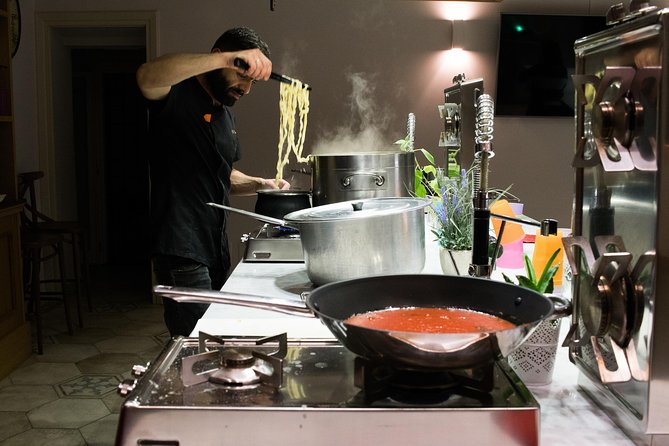
- Central Rome, near Piazza Navona: Cook in a real Italian kitchen rather than a demo-only setup.
- Hands-on pasta making: Knead and shape dough yourself, not just assemble at the end.
- Roman sauces plus tiramisù: You learn how the savory and sweet connect in classic Italian style.
- Prosecco, wine, and antipasti on arrival: You start with drinks and tastings before the work begins.
- English instruction with personal guidance: You’re split into small stations, so the chef can keep an eye on details.
- Take-home tips and recipes: You leave with practical guidance to recreate the meal.
Rome’s 17th-Century Cooking School and the Piazza Navona Location
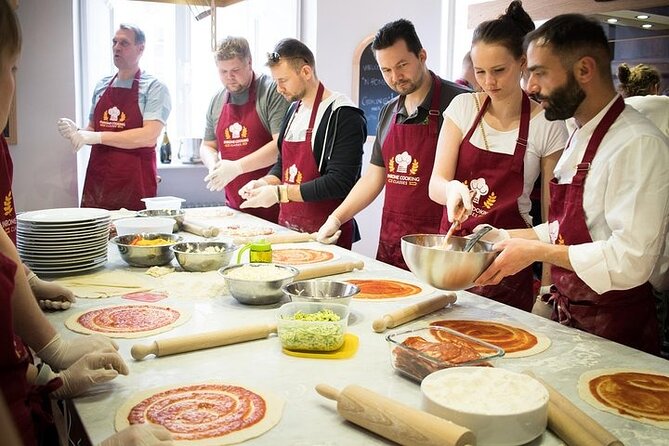
This isn’t a food tour where you snack and wander. It’s a true class, run in a charming Italian cooking school in central Rome, with the feel of a working place where people actually cook. The big draw for me is that you’re learning classic Roman food in context: the techniques make sense, and the end result sits on a plate while you’re still in the learning mindset.
And yes, the location is a big plus. Meeting up in the Rinascimento area puts you in the thick of Rome sightseeing without needing a long transfer. Nearby, you’ve got the kind of walkable streets where you can either start with sightseeing and then cook, or finish the class and head out for an easy evening stroll. Piazza Navona is close enough that this feels like you’re living the city schedule, not just stacking activities.
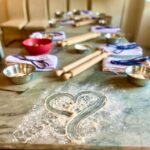
The classroom itself is described as a real kitchen setup, not a theatrical kitchen set. You’ll use professional-grade equipment in a proper Italian cooking environment. That matters because pasta dough is sensitive—kneading and shaping benefit from the right tools and space to work.
You can also read our reviews of more cooking classes in Rome

Meeting Point, a Possible Short Walk, and What the 5:30 Timing Means
Your listed start is 5:30 pm, and the activity ends back at the meeting point. You’ll also get a mobile ticket, which makes it easy to show up without extra paperwork.
Now the practical heads-up: the meeting point is at Corso del Rinascimento, 65, 00186 Roma RM, but the class may take you a short walk to reach the cooking school location. That usually isn’t a problem, but it can catch you off guard if you arrive, look around, and expect the classroom doors to be exactly at the meeting address.
Plan your arrival with a little buffer. Rome streets can slow you down fast—getting a table for dinner later is one thing, but arriving calm is better. Once you’re inside, the flow is designed to keep you moving. You’re learning two major dishes inside about 2.5 hours, so you won’t have long breaks to snack before you start cooking.
If you’re also juggling other evening plans, this timing actually works well. You can treat it as your main food event of the day: you’ll cook, then you’ll sit down to eat what you make.
What You’ll Cook: Two Pastas, Roman Sauces, and Classic Tiramisu
Here’s the menu you’re working toward:
- Fresh pasta (two types)
- Two types of authentic Roman sauces
- Homemade tiramisù
That combo is smart. Pasta teaches structure: flour, water, kneading, and shaping all have to feel right. Then you pair it with Roman sauces, so you’re not guessing how to serve it—you’re learning how sauces behave with pasta textures. Finally, tiramisù gives you a dessert win with technique, not just sweetness.
For the tiramisù portion, you’ll learn how to assemble the creamy dessert properly and you’ll also hear some context about its history. That helps if you’ve made tiramisù before from a cookbook. The goal here isn’t just a sugar delivery; it’s learning what makes the classic version work.
One helpful detail: the class is designed with take-home value. You’ll get recipes and tips so you can repeat the dishes at home. In practical terms, this is what turns a fun night out into a skill you can use later when you feel like impressing people without spending the whole day in the kitchen.
And if you have dietary needs, there’s good news: vegetarian and gluten-free options are available. That’s a serious plus for families and mixed groups where not everyone eats the same way.
Inside the Kitchen: How the Lesson Flows Step by Step
The class starts with a warm welcome—think drinks and Italian antipasti—before you get hands on. You’ll get Prosecco and appetizers, and the tone is meant to be relaxed and social without turning into chaos.
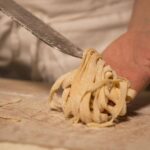
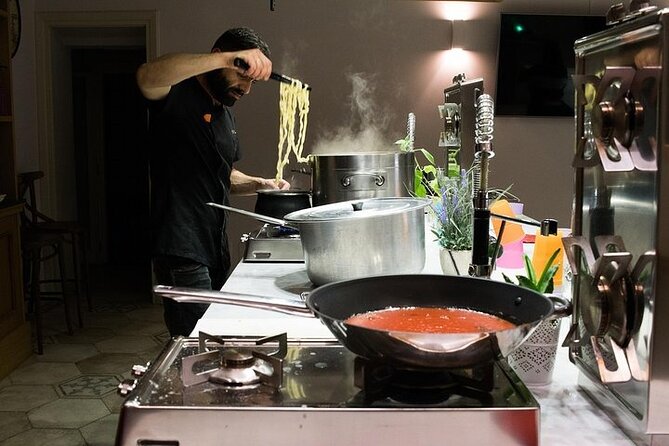
Then comes the cooking work, and this is where the class earns its reputation. You’ll learn pasta from scratch:
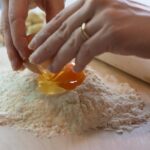
- kneading the dough by hand
- shaping it into your two pasta types
- cooking it to the right point
After that, you move through the Roman sauce lesson. Because there are two sauce types in the program, you’ll learn more than one flavor approach and how to balance consistency. Even if you’re a home cook already, this is the type of instruction that can correct small habits. It’s not just what to do—it’s why ingredients are chosen and how they interact.
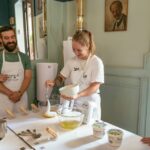
Dessert comes last: tiramisù. You’ll follow step-by-step guidance while you assemble the dessert. That pacing matters. Tiramisu gets easier when you understand the sequence—what to mix, what to fold, and how to keep it from turning runny.
You’ll also sit down to enjoy what you make. That’s not an afterthought. Eating the food while it’s fresh is part of the learning loop. It’s the moment you connect technique to taste, and it turns the class into a full meal rather than a half-finished project.
Chef Energy in Action: Patience, Humor, and Real Teaching
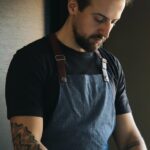
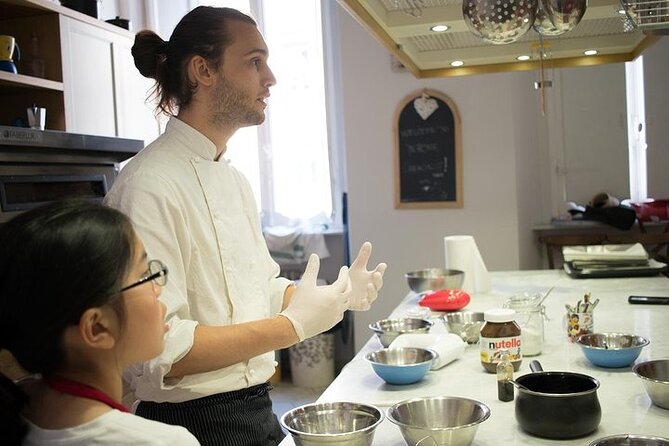
One of the best parts of this experience is the teaching style. The class is run in English, and many chefs described in past sessions are known for being patient and clear—great if you don’t cook much at home.
You might be coached by instructors such as David, Simone, Francesco, Marco, Alessandro, Fabio, Chef Sara, or Max (names that show up in prior sessions). Even if the exact chef differs, the approach tends to be consistent: clear directions, encouragement, and plenty of time for questions.
I especially like the way some chefs explain technique in plain terms. Instead of treating pasta making like a mystical art, they focus on practical adjustments: how dough should feel, what to watch for while cooking, and how sauce behavior changes when you move from one base approach to another.
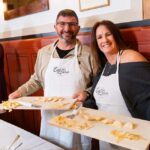
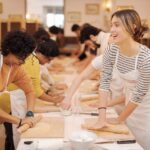
There’s also a social side. The group is small—up to 15 total—and people tend to talk during and around the meal. It’s a friendly vibe, like being at a long dinner table with a chef at the front, rather than standing in line watching someone else work.
You can also read our reviews of more tours and experiences in Rome

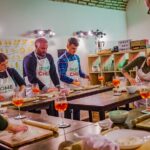
Drinks, Antipasti, and the Sit-Down Meal You Actually Want
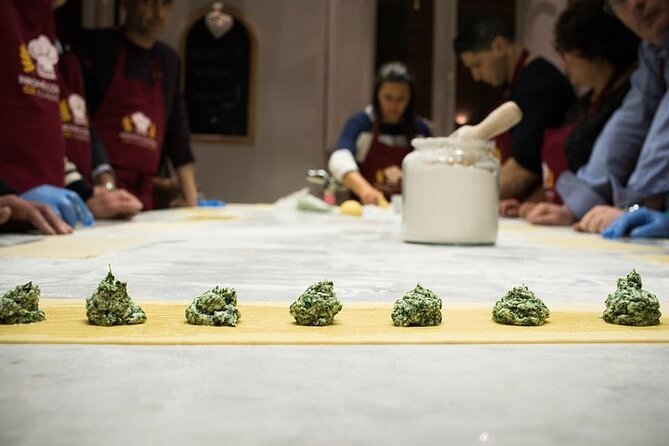
The class includes more than just the cooking segment. You start with Prosecco and Italian antipasti, and you finish with a real sit-down meal featuring your pasta and the tiramisù you made.
During the meal, you’ll have local wines and soft drinks included, plus bottled water. That matters because cooking classes can sometimes feel like a snack-and-demo. Here, the drinks and meal are part of the experience design. You’re not just paying to learn—you’re leaving full and happy.
Because you’re cooking two pasta types and two sauces, you’ll taste the range. And the tiramisù is there to close the loop: you learn a classic Roman meal structure and then get dessert to match.
If you’re the type who worries you’ll be hungry after a 2.5-hour activity, this format should put you at ease. You’re not rolling the dice on getting fed.
Group Size, Setup, and Why the Kitchen Can Feel Busy
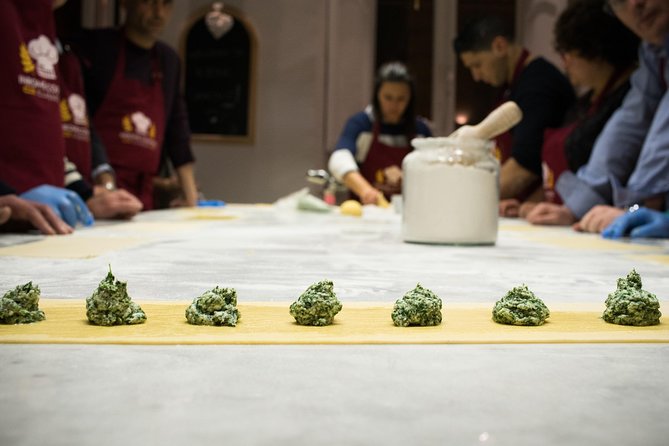
This is where you should match expectations to reality. The class runs in a compact space. The kitchen area is reported as about 1,180 square feet (110 m²) and can host two chefs at once, with small numbers at each station (up to nine guests per chef).
So yes, it can feel lively. That’s good when it means you feel the energy and the staff are engaged. But it can also be loud in a tight room, especially if you’re sensitive to noise or you’re trying to hear every detail of the instruction.
If you’re going with kids, that busy energy can be a plus—people describe it as fun for mixed ages because everyone gets hands-on work. If you’re going specifically for a calm, quiet culinary workshop style, you might find it more chaotic than you expected.
My advice: come ready to participate. Ask questions early. And don’t worry if your dough or sauce isn’t perfect on the first pass. The goal is skill-building, not performance cooking.
Price and Value: Why This Costs $119.77 (and What You’re Paying For)
At $119.77 per person, this class isn’t cheap—but it’s not just a single-dish cooking workshop either. You’re paying for a full, guided meal experience built around real skill practice:
- fresh pasta making from scratch (two types)
- two Roman sauces
- tiramisù
- food tastings and light refreshments
- alcoholic beverages (Prosecco at the start and wine with the meal)
- bottled water
You’re also paying for the setup that lets you actually cook. Professional equipment, a proper kitchen environment, and an English-speaking chef who can correct technique are not free. With a maximum group size of 15, you’re more likely to get real help than you would in a huge class.
The value also shows up after you go home. Take-home tips and recipes are included, and some past participants even received recipe links for the dishes they made. That means this class can become a repeatable experience rather than a one-time night out.
So who gets the best value? People who like hands-on activities and want a guided way to learn techniques they can repeat. If you only want to sample Italian food, a tasting tour might feel more cost-effective. If you want to cook and eat what you make, the price starts to feel fair.
Best Fit: Who Will Love It and Who Might Want Another Option
This class is ideal for:
- couples looking for a fun shared activity
- families who want everyone involved
- solo travelers who enjoy meeting people while doing something hands-on
- home cooks who want technique and not just recipes
- anyone craving an authentic Roman dinner without hunting down a cooking studio
It’s especially good if you want a structured lesson. Pasta dough can be intimidating until someone walks you through kneading, shaping, and timing. Tiramisù is similar: you can make it at home, but the difference between okay and classic is technique and sequence.
Who might hesitate?
- If you need quiet or super-spacious room to focus, the compact kitchen can feel loud and busy.
- If you’re expecting a slow, leisurely cooking day with lots of downtime, the schedule moves quickly because it includes multiple dishes in about 2.5 hours.
That said, the overall track record is very strong, and many people highlight the chef energy—clear instructions, patience, and even humor—plus the fact that the food is delicious and fully served as dinner.
Should You Book This Pasta and Tiramisu Class in Rome?
If your goal is a memorable Roman food experience where you learn real technique and then sit down to enjoy it, I’d say yes. The mix of two pastas, Roman sauces, and tiramisu, plus the drinks and sit-down meal, makes it feel like more than a class. It’s a full evening with an edible payoff.
Book it if you enjoy hands-on work and want a chef-guided path to making pasta at home. Consider a different option if you’re highly noise-sensitive or if you want a totally relaxed, quiet cooking atmosphere.
In short: this is a practical way to bring Rome home—flour under your nails, tiramisù in your memory, and recipes you can actually use later.
FAQ
How long is the cooking class?
The experience runs about 2 hours 30 minutes.
What time does the class start?
The listed start time is 5:30 pm.
Where do I meet for the class?
The meeting point is Corso del Rinascimento, 65, 00186 Roma RM, Italy.
Does the class include food and drinks?
Yes. It includes food tasting, light refreshments, a sit-down 2-course meal, bottled water, and alcoholic beverages.
What dishes will I make?
You’ll learn to make fresh pasta (two types) and tiramisù, plus you’ll cook two types of authentic Roman pasta sauces.
Is the class offered in English?
Yes, it is offered in English.
Are vegetarian or gluten-free options available?
Yes. Vegetarian and gluten-free options are available.
How big is the group?
The maximum group size is 15 travelers.
What is the cancellation policy?
You can cancel for a full refund if you cancel at least 24 hours in advance of the experience’s start time. If you cancel less than 24 hours before, the amount paid is not refunded.