REVIEW · ROME
Rome in a Day Tour Including Vatican Sistine Chapel Colosseum and All Highlights
Book on Viator →Operated by Private Tours of Rome · Bookable on Viator
One day in Rome feels like sprinting. This tour turns that rush into a guided story, with an art historian guide and reserved access at the Colosseum. I especially like the pace of a “greatest hits” route without feeling steamrolled, and I like that you get inside-the-meaning commentary at the big sites. The one drawback to plan around is strict dress code (no shorts or sleeveless tops) plus the real possibility of last-minute Vatican area closures.
With a 9:30 am start from Piazza del Colosseo and a finish in St. Peter’s Square, you’ll move across the city in a logical flow. It’s designed for first-time visitors, history buffs, and anyone with limited time who still wants context, not just photos. I’d treat it as moderate walking day—good shoes are not optional.
And yes, it’s a private tour in the sense that only your group participates. Still, you’ll be in Rome, so crowds exist. Bring your patience, your FFP2 mask, and plan to dress like you’re entering a church (because you are).
In This Review
- Key points before you go
- Starting at Piazza del Colosseo: meeting point and pacing
- Entering the Colosseum: field access and what to look for
- Roman Forum and the Arch of Constantine: quick orientation that sticks
- Trevi Fountain with a real lunch window: spend the 30 minutes wisely
- Column of Marcus Aurelius and the Pantheon: state power to Renaissance art
- Piazza Navona and Bernini’s Four Rivers Fountain: history at street level
- Vatican Museums: the 2-hour art-and-architecture marathon
- Sistine Chapel and St. Peter’s Basilica: what the guide helps you notice
- Price and value for $663.74: what you’re really buying
- Should you book this Rome in a Day tour?
- FAQ
- What is the duration of the tour?
- What time does the tour start?
- Where does the tour start and end?
- Is the tour in English?
- Is it a private tour?
- Are tickets included?
- Do I need to bring a mask?
- What is the dress code for the Vatican and churches?
- What if the Sistine Chapel or St. Peter’s Basilica is closed?
- Do I need to bring an ID or passport?
- Is food included?
Key points before you go
- Art historian-led explanations: you’ll get the why behind what you see, not just dates.
- Reserved Colosseum time: that small setup helps you spend less time stuck outside.
- You control the pace: you follow the guide, but you’re not herded like cattle.
- Smart Vatican plan: if the Sistine Chapel or St. Peter’s Basilica closes, the guide shifts focus inside the Vatican Museums.
- Private group feel: your guide can answer questions and read your group’s energy.
- Very real dress code: shoulders and knees covered for museums and places of worship.
Starting at Piazza del Colosseo: meeting point and pacing
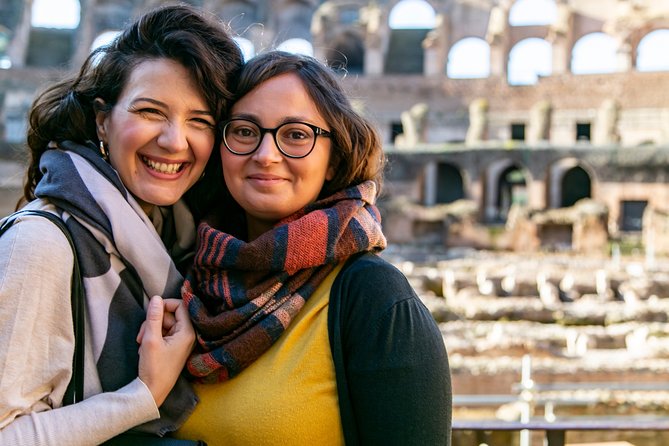
The day begins at Piazza del Colosseo, address 23, right near the Colosseum area. Starting at 9:30 am matters. Early helps you beat some lines and gives your brain time to absorb the first big visual punch before the city ramps up.
This is the kind of tour where timing is tight but not frantic. You’ll walk between sites, and your guide keeps the narrative moving so each stop feels connected to the next. In the best moments, you stop looking at Rome as a checklist and start seeing it as one long urban story.
One more thing I like: the setup is built for easier visiting. You don’t have to coordinate separate ticketing steps, and you’ll use a mobile ticket. You do need to cooperate with the process—show up on time, and keep the group together at each transition.
Also note the day runs about 6 hours. That means you should expect a lot of walking and standing. If you’re traveling with kids or older adults, you’ll want to bring extra energy snacks and keep shoes comfortable.
You can also read our reviews of more tours and experiences in Rome.
Entering the Colosseum: field access and what to look for
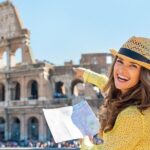
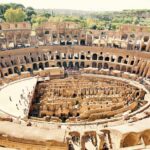
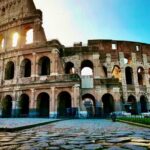
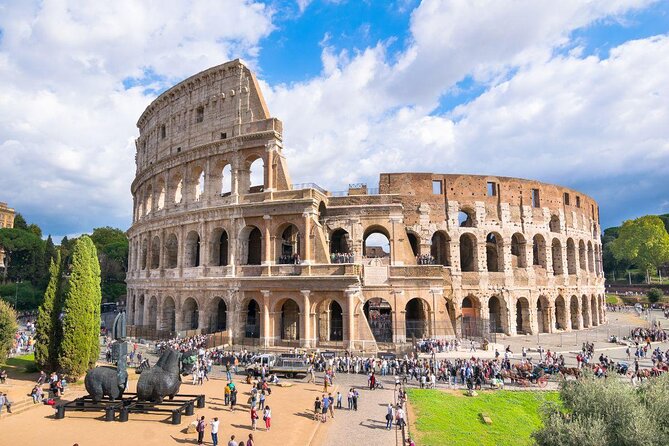
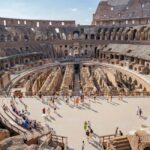
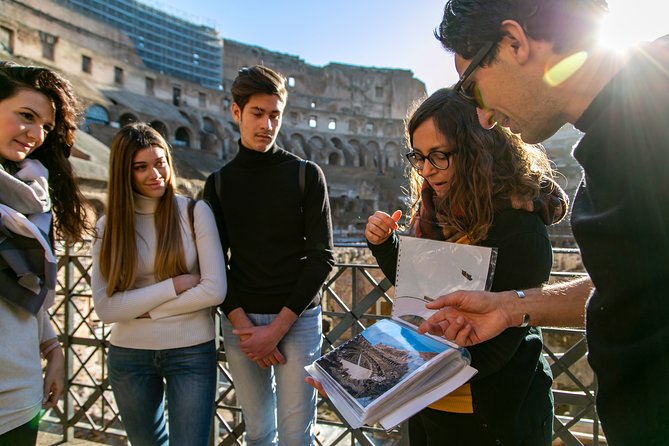
The Colosseum is the obvious headline. The better part is what you do once you’re inside. Your guide will be waiting for you at the Colosseum, then you go to the inside field area for a proper look at Ancient Rome’s biggest amphitheater.
From ground level, the Colosseum changes shape in your mind. Instead of a photo backdrop, it becomes a machine—built for crowd control, spectacle, and engineering. Your art historian-style guide helps you connect the structure to how people lived and how power showed itself.
This is also where the tour’s value shows. The Colosseum entrance ticket and reservation fee are included, which helps smooth the hardest part of the day. You’re not trying to guess when you can access what. That may not sound glamorous, but it saves precious minutes.
What to do with your time: listen for the details your guide points out, and slow your looking down. The most common mistake at the Colosseum is rushing toward the next photo angle. Give yourself 2–3 minutes of quiet attention inside so the space stops being a landmark and starts being a place.
If you’re someone who loves stories, this is where your guide can really work magic. Guides have included people like Sara and Tommaso, and the common thread in their style is making the building feel understandable, not just impressive.
Roman Forum and the Arch of Constantine: quick orientation that sticks
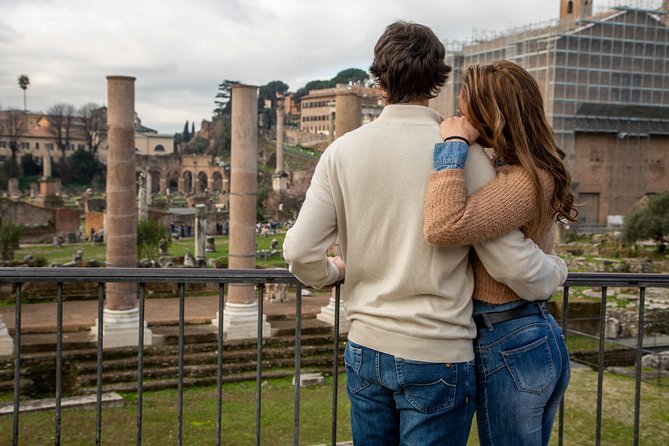
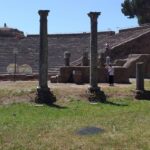
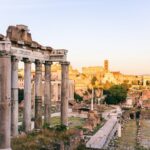
Next comes the Roman Forum area, where the city’s political and religious heart used to beat. After your Colosseum visit wraps, you follow your guide for a concentrated look at the main players: the Arch of Constantine and the Forum itself, plus nearby highlights like the Arch of Titus and several temple and senate-site landmarks.
You get about 30 minutes here with included admission, which sounds short until you realize this is a focused orientation. The Forum is big, messy, and easy to get lost in if you’re not sure what you’re looking at. With a guide, you’re able to mentally sort what’s temple space, what’s political space, and what’s ceremonial space.
A fun, practical tip: when you’re there, look for grouping. Your guide will point out the white marble Arch of Septimius Severus and other named stops like the House of the Vestal Virgins and the Senate House. Once you see how these pieces relate, the Forum becomes less of a pile of stones and more of a map in your head.
This stop also sets up the rest of the day. Walking toward Capitoline Hill and the Vittoriano area afterward helps you connect ancient Rome to what the modern city chose to build in its shadow.
Drawback to consider: with only 30 minutes, you have to stay switched on. If you drift off, you’ll miss the guide’s connections that make the Forum visit click.
Trevi Fountain with a real lunch window: spend the 30 minutes wisely
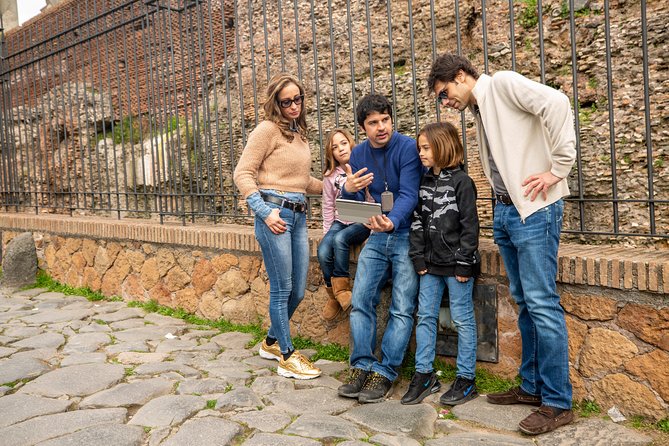
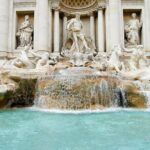
Trevi Fountain is famous for a reason. In movies, in postcards, and in the mental image of Rome, it’s the moment people recognize instantly. Here’s the practical part: you get a visit window of about 30 minutes, and admission is free.
So what should you do in those 30 minutes? First, decide how you want to experience it. If you care about photos, pick your best angle early and then step away to actually look at the sculptural details. If you care about the story, listen closely to what your guide says about why this fountain mattered to Romans and how it became a cinematic icon.
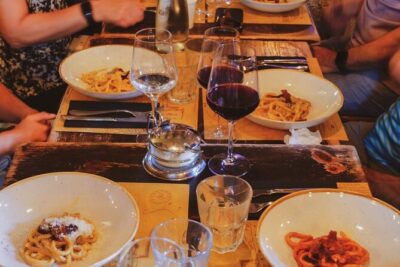
Then comes the smart reset. This is your built-in break for rest and lunch at your own expense. You’ll have options nearby for pizza, sandwiches, or something more sit-down. Because you’re on a walking schedule, I suggest going simple and fast rather than choosing a meal that requires a 90-minute commitment.
Also, toss a coin if you want to. The legend is part of the Rome experience, even if you don’t think too hard about it. Just don’t let legend steal your time. Keep your body ready for the next big ticket stop.
One more consideration: Trevi is crowded. If you’re picky about space or quiet, you may feel the crush. That’s normal. Your best move is to stay flexible and use the guide’s timing to get the best viewing window.
Column of Marcus Aurelius and the Pantheon: state power to Renaissance art
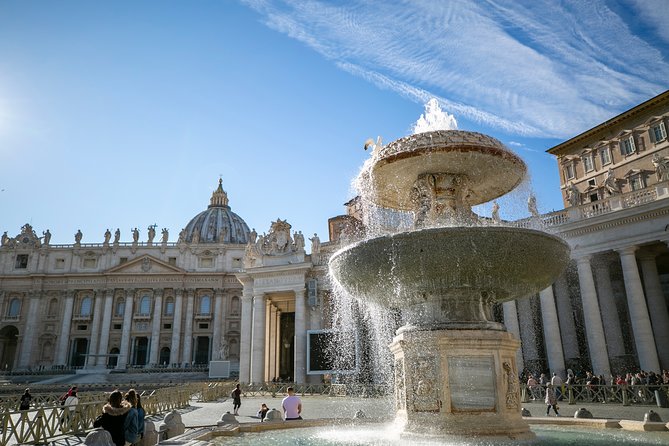
After lunch, you head toward the Government District area for a quick hit of Roman symbolism: the Column of Marcus Aurelius. It’s short in time, about 10 minutes, but it’s a great palate cleanser between huge landmarks.
This is where the tour helps your brain. You see the column and then hear about the nearby Temple of Hadrian. You start noticing how Rome layers eras on top of each other. Even within a single day, the city teaches you to read time.
Then you reach the Pantheon, one of the most satisfying stops on the whole route. Your visit here is about 30 minutes, with admission included. The Pantheon isn’t just a pretty building. It’s a masterclass in scale and design, and it hits even if you’re not a hardcore architecture nerd.
Your guide connects it to art and culture beyond the Roman era. In particular, you’ll learn that Raphael is buried here. That’s a classic “Rome always has a second story” moment: the building you think is only ancient also has Renaissance gravity.
What I like about this part of the tour is pacing. You move from government imagery to a sacred landmark to a bridge between eras. It keeps the day from turning into a photo marathon.
The potential downside is attention span. If you’re tired, this is where you’ll want to stay close and listen anyway. The Pantheon rewards your focus.
Piazza Navona and Bernini’s Four Rivers Fountain: history at street level
Piazza Navona is one of those places where Rome feels like it’s still living. You travel via a route that includes the Ancient Baths of Nero, and then you land in the square.
The main highlight is Bernini’s Fountain of the Four Rivers. Even if you’ve seen it in photos, seeing it in person makes the allegory clearer. It’s art with attitude, and your guide can help you read the symbolism without needing a museum-level background.
This stop is about 20 minutes, with admission free. That makes it easy to fit and hard to overthink. Instead of trying to do everything, take a lap around the square. Look up at the fountain first, then look around. Notice how street life and architecture blend here.
If you like walking cities—if you enjoy the feeling of moving through squares and side streets—this is a highlight. It’s also a good place to pause and take a breath before the Vatican portion of the day.
Just keep an eye on your group and time. Piazza Navona can eat minutes because it feels like a place you could linger forever. Your tour is designed to give you a slice, not the entire menu.
Vatican Museums: the 2-hour art-and-architecture marathon
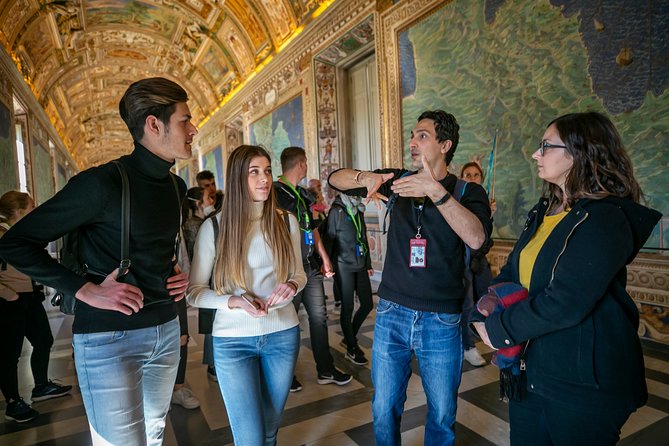
Now you reach the big-ticket cultural zone: Vatican Museums. You’ll have about 2 hours here, with admission included.
This is where the tour’s “art historian guide” approach matters the most. The museums can feel like a river of rooms if you don’t have someone helping you understand what you’re seeing. With a guide, you can track themes and learn how different artworks and spaces connect.
Your tour includes a visit to St. Peter’s Basilica as well, but the museums come first. The order helps you build context before you step into the church area.
A key planning note: the Vatican can change fast. You might encounter last-minute closures of specific areas, including the Sistine Chapel and/or St. Peter’s Basilica, due to activity connected to papal schedules and mass events. If that happens, your guide provides an alternative focusing on the tour inside the Vatican Museums. It’s not ideal, but the important part is that you won’t be left with nothing to do.
Practical tip: keep your energy steady. Two hours in museums is plenty, but it’s also a lot of standing and walking. Hydrate if you can before the Vatican portion starts (water isn’t listed as included, so plan around what you’ve got).
Also, follow the dress code. Shoulders and knees must be covered for places of worship and selected museums. Your mask matters too: you need to bring your own, and FFP2 masks are required.
Sistine Chapel and St. Peter’s Basilica: what the guide helps you notice
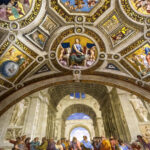
After the Vatican Museums, the tour moves to the Sistine Chapel area for about 15 minutes, with admission included. In that short window, you won’t get a slow, meditative experience. Instead, you get a guided way of looking—especially at Michelangelo’s roof works and Raphael frescoes.
This is one of the most praised aspects of the experience: the guide doesn’t just point out what’s famous. The guide helps you understand what you’re seeing and why it’s such a big deal in art history. When someone knows how to translate the visual language, the Sistine Chapel stops being overwhelming and becomes readable.
Then comes St. Peter’s Basilica for about 30 minutes, admission included. This is a huge space with lots of side chapels and crypt-like areas. Your guide leads you through what matters most for comprehension rather than just volume.
You’ll see Michelangelo’s Pietà and learn why it is the only work that he signed. You’ll also hear about the mastery behind Bernini’s altarpiece and how Michelangelo’s dome work is part of that larger story of artistic competition and legacy.
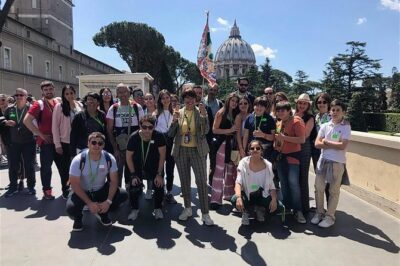
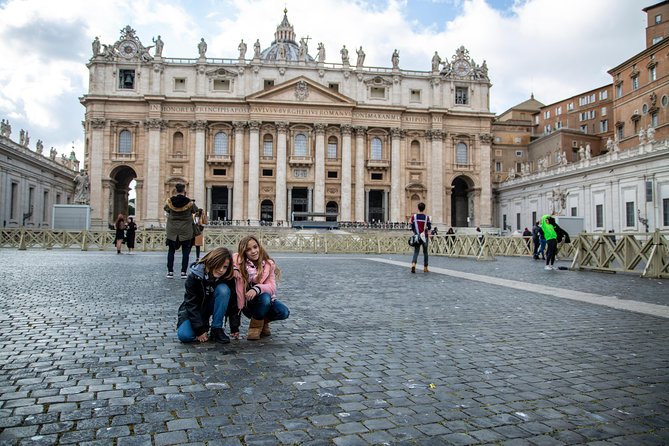
Finally, you finish at St. Peter’s Square for about 15 minutes. It’s the payoff: the open space after so many enclosed rooms. If you’re feeling “I survived the Vatican,” this is where you let your eyes relax.
Real drawback to consider: the Vatican stops can be physically and emotionally intense. Tight timing and crowds are real. You’ll do best if you accept that this is a taste with guidance, not a slow self-guided museum weekend.
Price and value for $663.74: what you’re really buying
The price is $663.74 per person, and the day runs around 6 hours. On paper, that sounds like a lot—until you tally what’s included and what you avoid.
You get a professional art historian guide, a walking route through major sights, local taxes, and the included admission tickets for the core sites. The Colosseum portion includes both the entrance ticket and a reservation fee. That matters because the Colosseum is where time and access can get sticky.
You also get fewer stress points. Tickets are covered for major stops like the Colosseum, Roman Forum, Pantheon, Vatican Museums, Sistine Chapel, and St. Peter’s Basilica. Food and drinks aren’t included, and there’s no transportation from hotels, so you still plan for meals on your own. But the big-friction parts are handled.
What you’re paying for most is the human layer: someone who can explain why each place looks the way it does, and how the pieces fit together. In the reviews that highlight the best experiences, names like Sara, Tommaso, Claudia, Max, Paola, and Francesco come up repeatedly for energy, clarity, and keeping the day enjoyable even when weather turns.
Should this be your first Rome day? If you’re short on time, yes. If you want to revisit museums slowly on your own later, this tour can be the perfect setup—your later wandering becomes smarter.
Should you book this Rome in a Day tour?
Book it if you have a tight schedule and still want the big landmarks handled properly, with reserved Colosseum access and a guide who connects the dots. It’s also a strong pick if you like history as story, not just facts.
Skip it if you want a quiet, slow pace, or if you get stressed by crowds and strict entry rules. The Vatican dress code and mask requirement are real, and Vatican closures can happen with limited notice—though the tour plans for alternatives inside the Vatican Museums.
If you’re a first-timer, a history buff, or a family that wants one strong guided day (guides like Claudia have been great with kids), this tour makes sense. Just show up prepared: covered shoulders and knees, bring your FFP2 mask, and keep good shoes on your feet. Rome already provides enough surprises. Your job is to make the most of them.
FAQ
What is the duration of the tour?
The tour runs for about 6 hours.
What time does the tour start?
The start time is 9:30 am.
Where does the tour start and end?
It starts at Piazza del Colosseo, 23, 00184 Roma RM, Italy, and ends at Saint Peter’s Square, Piazza San Pietro, 00120.
Is the tour in English?
Yes, the tour is offered in English.
Is it a private tour?
Yes. Only your group participates.
Are tickets included?
Admission tickets are included for the Colosseum, Roman Forum, Pantheon, Vatican Museums, Sistine Chapel, and St. Peter’s Basilica. Trevi Fountain is free.
Do I need to bring a mask?
Yes. You must bring your own mask, and FFP2 masks are required.
What is the dress code for the Vatican and churches?
You must cover knees and shoulders. Shorts or sleeveless tops are not allowed for places of worship and selected museums.
What if the Sistine Chapel or St. Peter’s Basilica is closed?
The tour notes that some areas might close last minute. If that happens, your guide will provide an alternative focusing on the tour inside the Vatican Museums.
Do I need to bring an ID or passport?
Yes. Each traveler must present a valid passport or ID document that matches the name provided at booking for entry to the Colosseum and Roman Forum.
Is food included?
No. Food and drinks are not included, and lunch is at your own expense during the break.