REVIEW · ROME
Open Air Escape Game – TRASTEVERE REVOLUTION
Book on Viator →Operated by FOXTRAIL ITALIA · Bookable on Viator
Rome rewards you for wandering.
Trastevere Revolution turns that wandering into a puzzle route, using an outdoor, self-led format that feels like an escape game mixed with a treasure hunt. You move from place to place in the alleys, then up toward one of the best views of Rome, stopping at tech-and-art stations that feed you the clues for what comes next.
I especially like the way this is made for teamwork without taking away your freedom. You’re in a group, but you’re not stuck waiting on someone else—your team spirit and your problem-solving drive the pace. I also like that it’s built around discovering hidden courtyards and side streets, not just walking the obvious main roads.
One thing to keep in mind: this experience works best when the weather is good. If conditions are poor, your session may be rescheduled or refunded, so you’ll want a flexible plan for that day.
In This Review
- Key Highlights to Know Before You Go
- Trastevere Revolution Turns Sightseeing Into a Puzzle Route
- Getting There: Where the Game Starts (and Ends)
- How Foxtrail’s Format Works in Plain English
- The Walk Through Trastevere: Alleys, Courtyards, and the Big View
- Stations and Clues: What You’re Actually Doing at Each Stop
- Team Spirit: How to Keep the Game Fun Instead of Frustrating
- Price and Value: Is $24.38 Worth Two Hours in Rome?
- When to Book and What Timing Looks Like
- Who This Open-Air Escape Game Fits Best (and Who Might Skip It)
- Should You Book Trastevere Revolution with Foxtrail?
- FAQ
- Where does Trastevere Revolution start and end?
- How long is the experience?
- How much does it cost?
- What ticket do I need?
- Is it a private experience?
- How do I get confirmation?
- Is the activity outdoors?
- What if the weather is poor?
- Is there free cancellation?
- Is it near public transportation and are service animals allowed?
Key Highlights to Know Before You Go

- Tech stations across Trastevere that guide you to the next clue step
- Courtyards + climbs that make the walking feel purposeful, not random
- 2 hours, group-based, self-led so you can move at your team’s pace
- Mobile ticket format for quick entry and fewer things to manage
- Private group experience meaning only your party participates
- Works best with good weather, since it’s outdoors
Trastevere Revolution Turns Sightseeing Into a Puzzle Route

If you’ve already done the big Rome hits, this is a smart way to keep moving without feeling like you’re repeating the same sidewalks. The format—part treasure hunt, part outdoor escape game—gives you a reason to look closely at ordinary-looking corners. Instead of passively staring at buildings, you’re reading, matching, testing, and deciding as a team.
The heart of the experience is that you’re not just collecting clues. You’re solving a sequence across multiple stations, with each stop acting like a checkpoint. That’s what makes the route feel like an adventure rather than a guided walk.
Two things make it extra appealing: you get to explore Trastevere’s alley texture and courtyards, and you end with a strong payoff view. The walk also has that classic Rome rhythm—meander, pause, look up—only now you’re doing it with goals.
You can also read our reviews of more tours and experiences in Rome.



Getting There: Where the Game Starts (and Ends)
The game starts at Via Emilio Morosini, 9114, 00153 Roma RM, Italy and ends back at the same meeting point. That round-trip setup is practical in a city where transit stops can be scattered and your day is already full.
It’s also described as being near public transportation, so you don’t have to guess your way through long stretches if you’re arriving by tram or bus. I’d still give yourself a few extra minutes the first time, because Trastevere streets can be deceptively similar and the start point is easy to miss if you’re rushing.
You’ll use a mobile ticket, so have your phone charged and ready. This is the kind of activity where you’ll be bouncing between street-level details and instructions, and you do not want to fight with a low battery mid-game.
How Foxtrail’s Format Works in Plain English

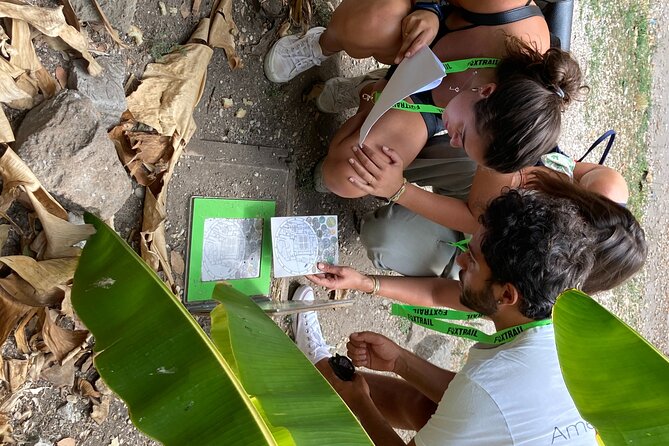
Foxtrail’s concept is simple: you and your group follow a set of stations through the neighborhood. Each station has permanent installations—technology mixed with creative design—that help you discover the clue needed to move onward.
Think of it like this: you arrive at a station, interact with what’s there, interpret what it’s telling you, then figure out where the next step should take you. The experience is described as doing this with full autonomy as you roam, meaning you’re not waiting for a guide to point every direction.
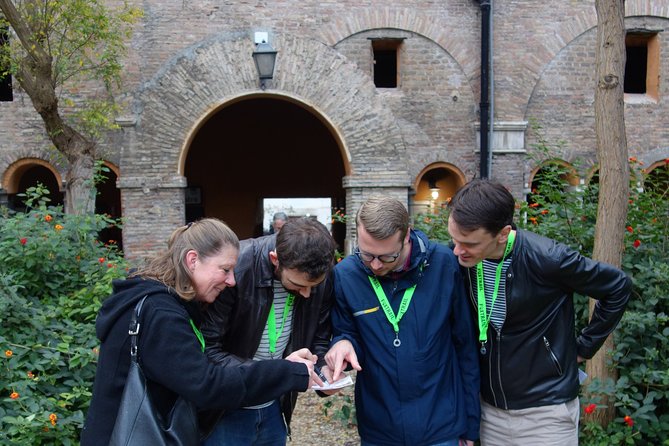
That autonomy is the reason this can feel so fun. You’re actively participating in the city, not just watching. It also means your team’s communication matters: if everyone assumes someone else saw the detail, progress can slow down. When your team is synced, the game flows.
A final note on the vibe: it’s built for groups. So even if you’re comfortable solving puzzles solo, the value here is how your team shares ideas, argues about answers (nicely), and stays motivated through the tougher moments.
The Walk Through Trastevere: Alleys, Courtyards, and the Big View

The route is not described as “one long straight line.” Instead, you’re meant to walk through alleys and discover hidden courtyards, then gradually move upward toward a standout view of Rome.
That mix is what makes the experience feel like more than an escape-room copy outside. Courtyards change the sound and the light. Alleys force you to slow down and actually read your surroundings. And the climb gives you the classic Rome payoff: you end up looking down on the city instead of staring at street level the whole time.
From an experience-planning perspective, the biggest practical thing is pacing. You have about 2 hours (approx.), so you don’t want to start too late if you’re also trying to fit in dinner or another attraction right after. If your group tends to take time solving, I’d treat the 2-hour estimate as a guideline and plan a little buffer.
Also, because it’s outdoors, comfortable walking shoes matter more than usual. This isn’t a sit-down activity. It’s about being in the streets, stepping around corners, and keeping your eyes open for station cues.
Stations and Clues: What You’re Actually Doing at Each Stop
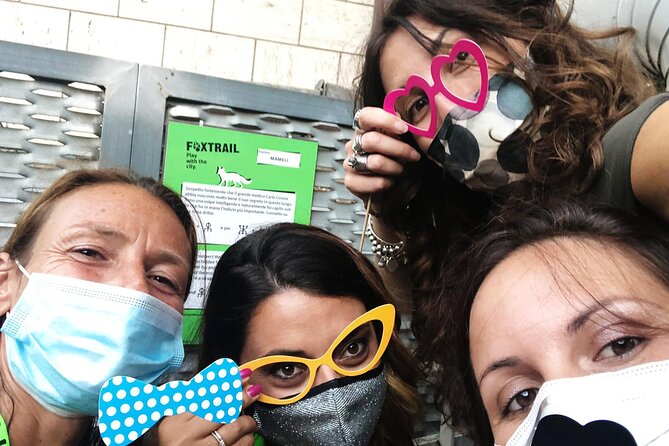
Each station is where the “escape game” feeling shows up. The installations are described as being full of technology and creativity, and they’re meant to help you discover the clue for the next station.
You’ll get the most out of this if you treat each stop like a mini investigation. Look carefully at the elements you’re meant to interact with, then talk through what they might mean. If one person spots something, don’t just assume it’s obvious—make it a team finding.
In the positive reviews, the vibe that comes through is persistence. One review points out that it’s a fun way to see the area and also says not to give up, suggesting that some stations may feel tricky at first. That’s normal for this style of puzzle. If you get stuck, step back, reset, and try again with a different angle.
And if you truly hit a wall, there is support. The experience includes an help line indicated in the adventure manual. In one review situation, help contact didn’t go smoothly over phone/SMS/WhatsApp, but the response emphasized using the help line in the manual. Translation: if you need assistance, use the exact channel the manual points you to.



Team Spirit: How to Keep the Game Fun Instead of Frustrating
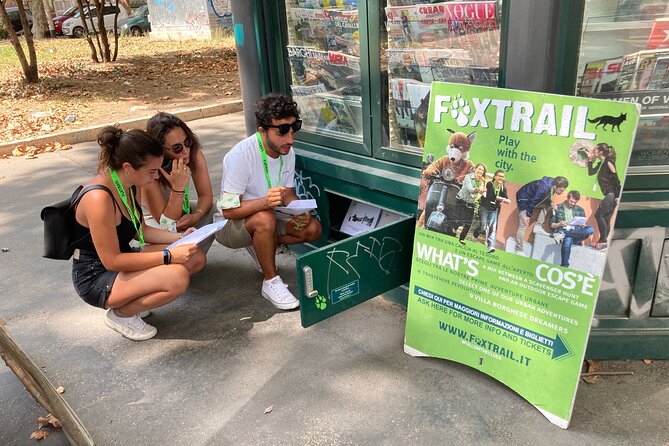
This kind of outdoor puzzle route can either feel like a great group challenge or like a slow frustration spiral. You control which one it becomes.
Here’s what I’d recommend based on what the experience is designed to do—use your skills and team spirit:
- Assign roles in your group. One person leads the navigation, another watches for clues, and another focuses on interpreting what the station information suggests.
- Agree on what to do when you’re stuck. Try two solution ideas, then switch. Don’t spend 25 minutes on one guess.
- Keep moving even when you’re unsure. If the clue doesn’t snap into place immediately, you can still collect details for later stations.
You might also find it helpful to keep your phone handy for the mobile ticket, but don’t let it become a distraction. The game is about station interaction and clue interpretation, not constant screen scrolling.
If you’re visiting with kids or teens, this can be a good change of pace from museum-heavy days. The reviews include a family angle—people wanted to explore Trastevere differently, liked puzzles, and found it aligned with the escape-room style they enjoy.
Price and Value: Is $24.38 Worth Two Hours in Rome?
At $24.38 per person, this sits in the “activity” range rather than the “big-ticket attraction” range. The value comes from what you’re buying: not just entertainment, but time in a specific neighborhood experience with built-in structure.
You get:
- A 2-hour activity with a clear start and end back at the same spot
- A self-led route that turns sightseeing into problem-solving
- Tech-based stations that keep the walk from feeling random
If your travel day is already packed, this is one of those activities that can replace a more passive evening. Instead of searching for something to do, you have a route with goals.
The private setup matters too: it’s described as private for your group, so you’re not sharing the puzzle with strangers trying to find the same answers. That tends to improve the team dynamic, especially if your group includes people with different puzzle comfort levels.
The main value-risk is weather. Since it requires good weather, you don’t want to plan it as your only option on a day when rain is likely. But if you can choose a forecast-friendly time window, this can be a strong use of money.
When to Book and What Timing Looks Like
On average, people book about 29 days in advance. That’s not a requirement, but it’s a good indicator that sessions can fill, especially in busier travel stretches.
This is also confirmed at booking time, so you won’t be left hanging about whether you’re in. And since it ends where it starts, you can plan your next move fairly easily—especially if you’re staying in or near Trastevere.
Because it runs about 2 hours, I like it as:
- an afternoon breather when you want something active but not exhausting
- an early evening option before dinner plans solidify
- a break from “line-up” attractions when you just want mobility
Who This Open-Air Escape Game Fits Best (and Who Might Skip It)
This experience fits best if you like puzzles and want a reason to explore beyond the main streets. If escape rooms are your thing, the outdoor clue stations are likely to feel natural, just with the city as the game board.
It also works well for groups that enjoy discussion and light problem-solving pressure. If you have a group that communicates and enjoys small challenges, you’ll probably get a lot out of the station sequence.
It’s described as most travelers can participate, and service animals are allowed. The key requirement you should plan around is weather, since it’s an outdoor format.
If you’re someone who hates getting stuck or you don’t like activities that require teamwork, you might find the puzzle moments more stressful than fun. But if you go in expecting collaboration and patience, the “don’t give up” advice from the reviews makes sense.
Should You Book Trastevere Revolution with Foxtrail?
I’d book it if you want Rome sightseeing that has built-in momentum. This is a clever mix of alley wandering, courtyard discovery, and clue-based movement, and the tech stations give the game a modern feel without turning it into a generic gadget walk.
I’d think twice if weather is unpredictable for your dates or if your group won’t enjoy solving problems together. Also, if you’re the type who hates any chance of needing help mid-activity, be aware that support may depend on the correct help method listed in the adventure manual.
Overall, for the price, it’s one of those Rome activities that gives you both a story (the puzzle sequence) and a place (Trastevere) to remember. If you’re looking for a different kind of evening in Rome—one where you actually participate—this is a strong option.
FAQ
Where does Trastevere Revolution start and end?
It starts at Via Emilio Morosini, 9114, 00153 Roma RM, Italy and ends back at the same meeting point.
How long is the experience?
The duration is about 2 hours.
How much does it cost?
The price is $24.38 per person.
What ticket do I need?
You’ll use a mobile ticket.
Is it a private experience?
Yes. It’s described as private, meaning only your group participates.
How do I get confirmation?
You receive confirmation at the time of booking.
Is the activity outdoors?
Yes. It’s an open-air outdoor escape game, and it requires good weather.
What if the weather is poor?
If the experience is canceled due to poor weather, you’ll be offered a different date or a full refund.
Is there free cancellation?
Yes. Free cancellation is available up to 24 hours in advance for a full refund.
Is it near public transportation and are service animals allowed?
It’s described as near public transportation, and service animals are allowed.