REVIEW · ROME
Rome: Pasta and Tiramisu Cooking Class in Piazza Navona
Book on GetYourGuide →Operated by IPM COETUS SRL · Bookable on GetYourGuide
Piazza Navona plus pasta magic. I love the hands-on fettuccine lesson and the way it turns into a sit-down meal right after. The biggest caution: the session is fixed and small-group, so arrive on time inside Ristorante Tucci.
English instruction keeps things simple, and I like how hosts and instructors such as Luca and Sara make the steps feel doable. You’ll still want to plan for food limits: it’s not suitable for vegans, and gluten or lactose intolerance can be a deal-breaker.
In This Review
- Key highlights at a glance
- Why Piazza Navona works so well for cooking
- Meet at Ristorante Tucci: the 2.5-hour rhythm
- Fresh fettuccine in Roman style: what you’ll actually do
- Choose your sauce: Carbonara, Cacio e Pepe, Pomodoro, Pesto
- Tiramisu class: making it, then waiting for it to set
- The meal afterward: bruschetta, wine or beer, then coffee or limoncello
- Price and value: why $64 can make sense here
- Who this class fits best (and who should skip)
- Practical tips so your afternoon goes smoothly
- Should you book this Piazza Navona pasta and tiramisu class?
- FAQ
- Where is the meeting point for the cooking class?
- How long is the experience?
- Is the class taught in English?
- What pasta and sauce options do you choose from?
- What’s included with the class meal?
- What dietary restrictions should I know before booking?
- Is it a private class, and how big is the group?
Key highlights at a glance
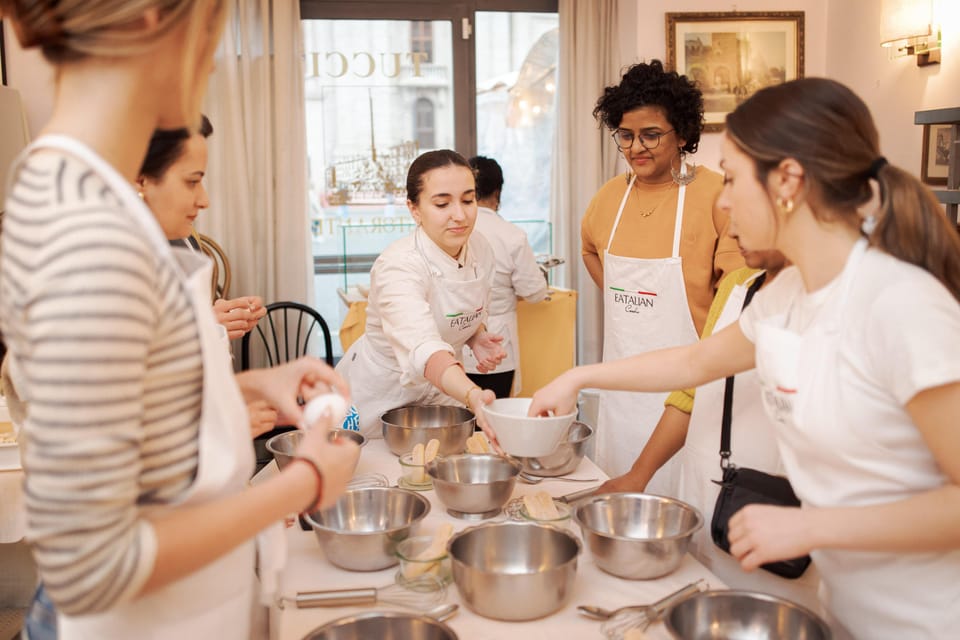
- Fresh fettuccine making, hands-on and step-by-step
- Pick your sauce: Carbonara, Cacio e Pepe, al Pomodoro, or al Pesto
- Tiramisu production in class, then served after it sets
- Small group (up to 10) with English-speaking mini-chefs
- Your meal happens with Piazza Navona views
- Included bruschetta plus drinks (wine or beer, coffee or limoncello)
Why Piazza Navona works so well for cooking
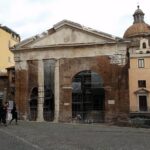
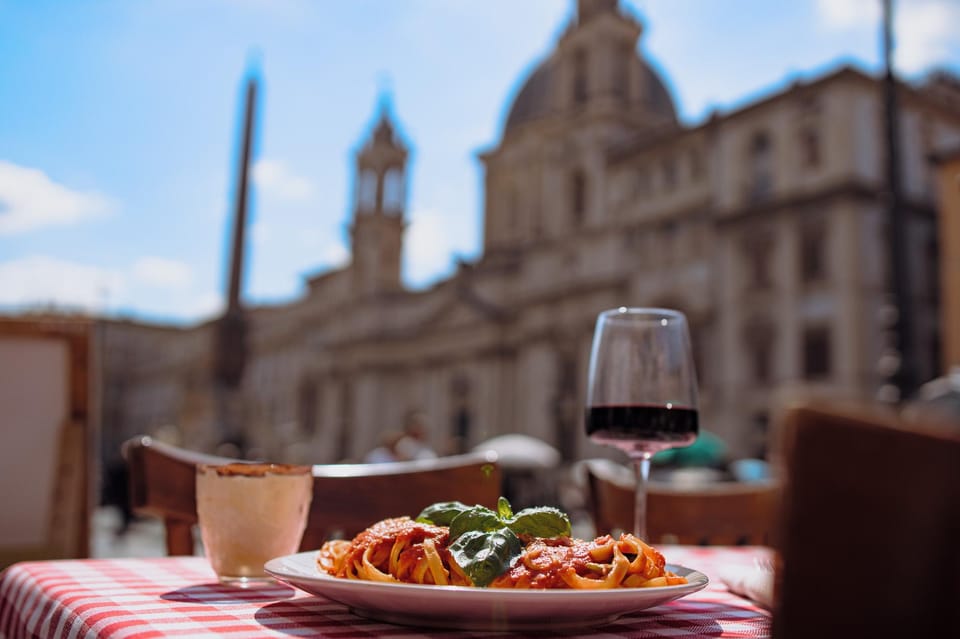
Piazza Navona is one of those Roman squares where you can’t help but slow down. The cooking class uses that exact setting, so you’re not just learning recipes in a back room; you’re finishing your meal with the fountains and piazza energy all around.
The best part is the timing: you cook first, then your food lands on the table as the meal comes together. That sequence matters. When you eat what you made moments earlier, the techniques actually stick in your head.
And because the class meets at Ristorante Tucci in/near the piazza, the vibe feels like a real Roman afternoon, not a quick tourist stop. It’s also a smart way to balance sightseeing with something active.
You can also read our reviews of more cooking classes in Rome

Meet at Ristorante Tucci: the 2.5-hour rhythm
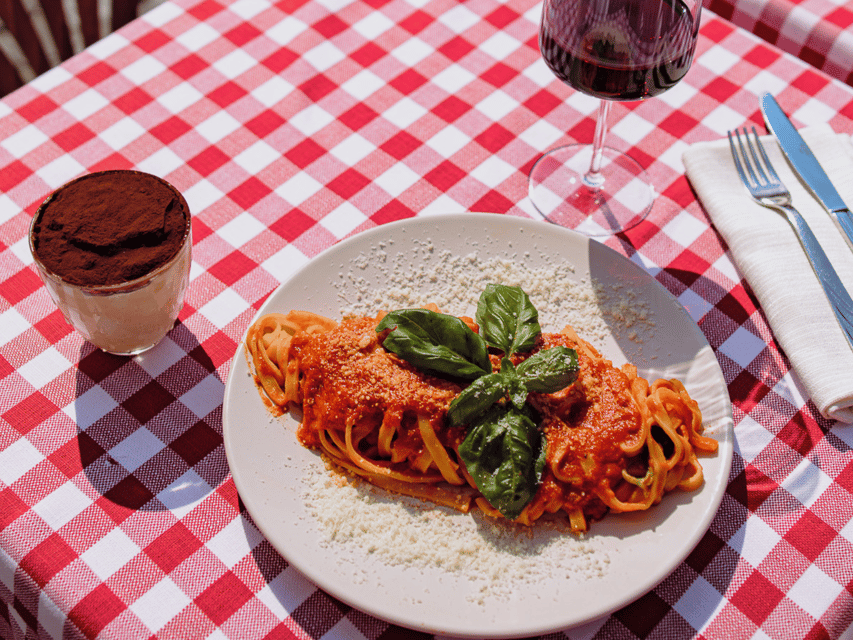
You meet inside Ristorante Tucci, so go past the street-facing entrance and look for staff. Arrive about 10 minutes early and ask the waiter to point you toward the cooking class area.
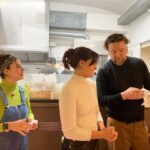
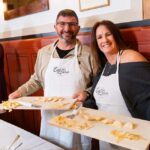
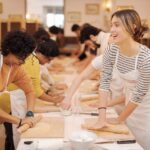
This is not a private class. It’s designed for a small group (up to 10), which helps the instructors move around and correct technique without turning it into a lecture. Instruction is in English, and the class is set for about 2.5 hours, so you should plan to stay with the flow.
Here’s how the rhythm typically goes:
- You start with the pasta-making portion.
- Then you move into tiramisu.
- After that, your meal experience takes over, including appetizer and drinks.
- Finally, you enjoy the tiramisu at the end of the restaurant service, with the piazza setting as the backdrop.
You’re not juggling transport or multiple locations. That’s one of the practical wins: less time finding places, more time eating what you made.
Fresh fettuccine in Roman style: what you’ll actually do
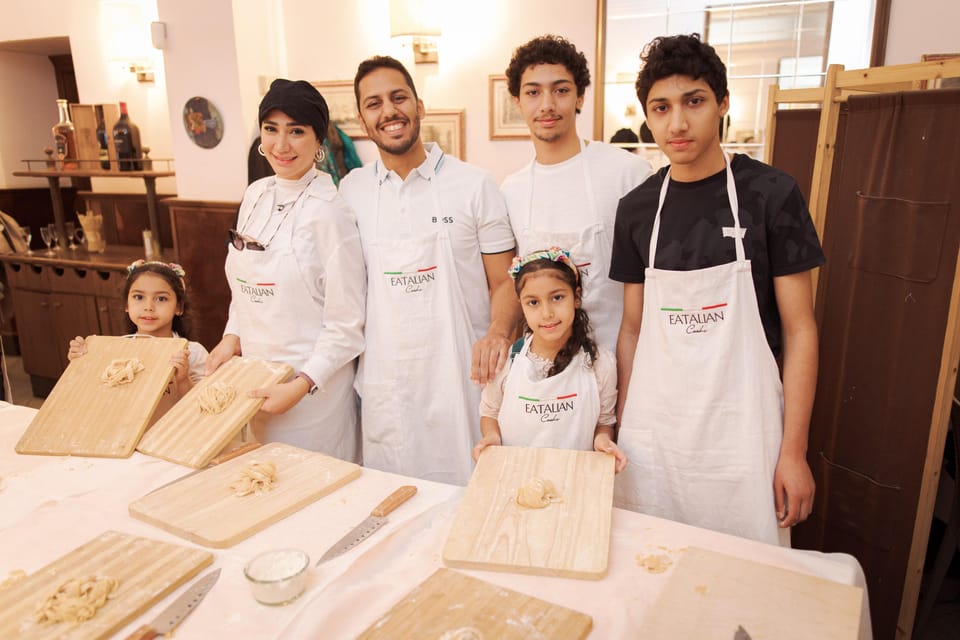
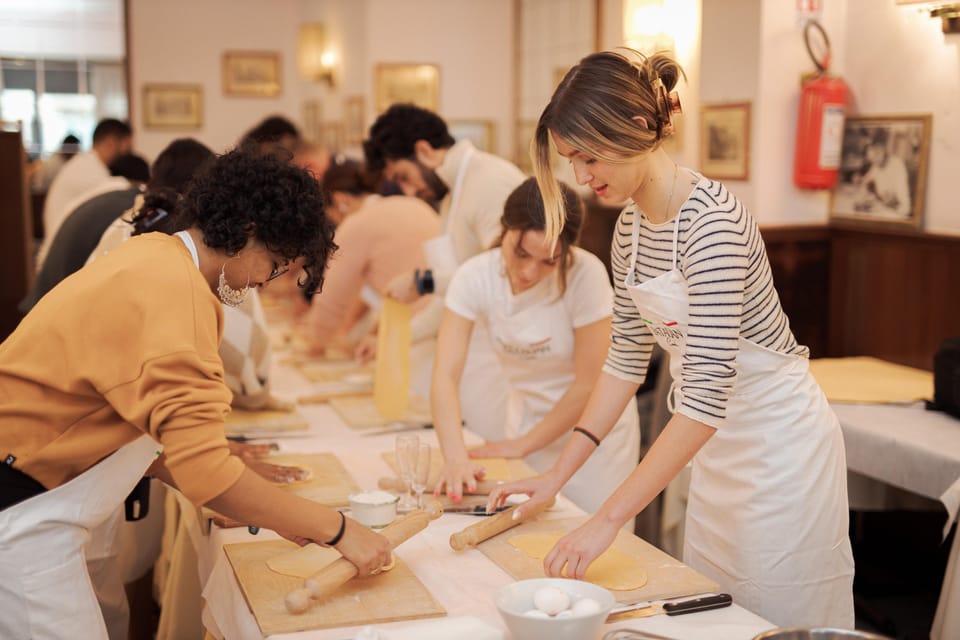
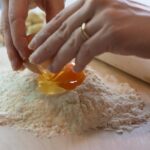
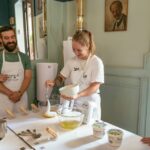
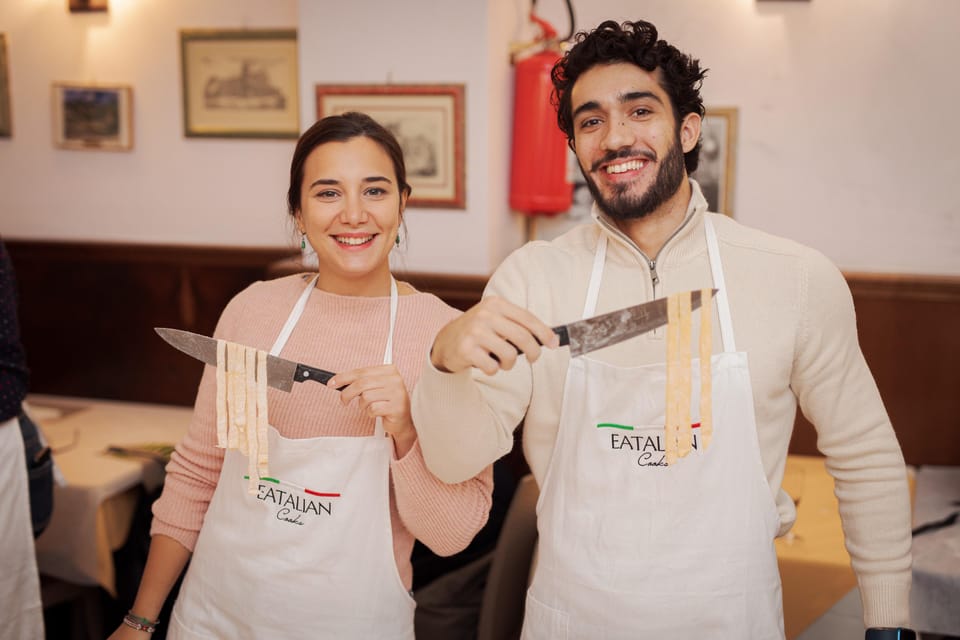
This class focuses on a very specific goal: making fettuccine the Italian way. You’ll work the dough by hand, learn how to shape it, and then cut it into fettuccine.
What I like about this format is that it’s not random. You’re not trying five different pasta projects and forgetting half of them. You concentrate on one core technique—fresh pasta dough and cutting—so you leave with repeatable confidence.
The instruction style seems to be consistent across guides. In particular, names like Luca, Sarah, Simone, and Enea show up often as instructors, and many guests describe them as patient, funny, and clear. That matters more than fancy vocabulary. If you understand the dough feel and the cutting method, you can make it again at home.
Also, there’s a built-in reality check. Once you form the pasta, the restaurant kitchen cooks it according to your sauce choice. So you don’t get stuck in the learning-only phase where your work never reaches its “real” outcome.
Choose your sauce: Carbonara, Cacio e Pepe, Pomodoro, Pesto
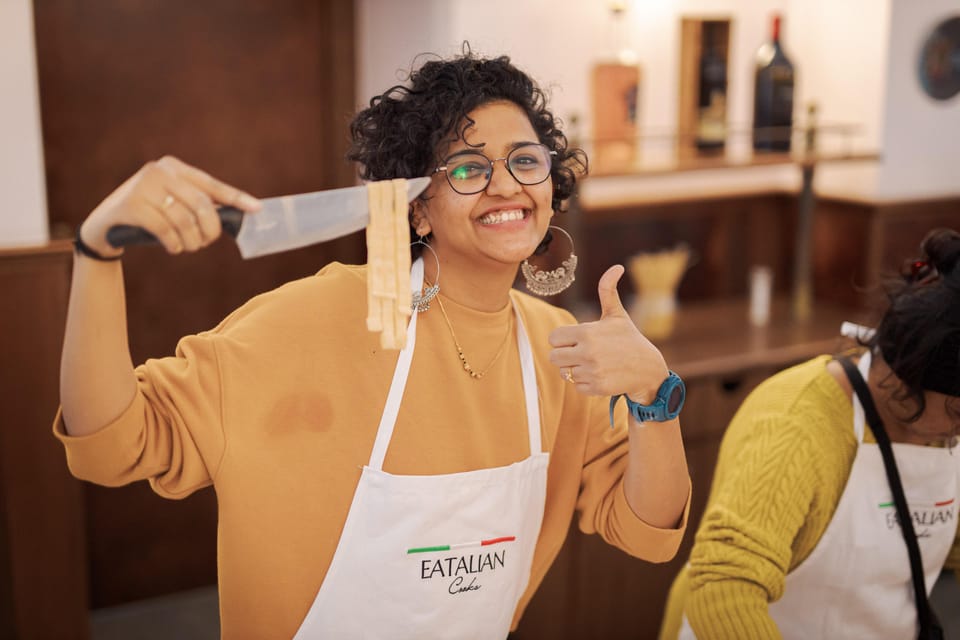
Here’s the smart personalization: after you make your pasta, you choose from four traditional sauce options:
- Carbonara
- Cacio e Pepe
- al Pomodoro
- al Pesto
You even write a note for your pasta so the kitchen can match your fettuccine to the correct sauce. That small step prevents the usual chaos you sometimes see in cooking groups where everything gets mixed up.
If you’re new to Roman flavors, this is a clean way to test your preferences. Carbonara is creamy and rich. Cacio e Pepe is simpler, focused on cheese and pepper. Pomodoro leans bright and tomato-forward, and Pesto brings herb intensity and depth.
One more advantage: you don’t have to multitask at the stove after class. You learn the pasta, the kitchen handles sauce cooking timing, and then your dish arrives as part of the restaurant meal. That keeps the experience fun instead of stressful.
Tiramisu class: making it, then waiting for it to set
After pasta, you move into tiramisu. You’ll make it during class, and your tiramisu then gets taken to the restaurant fridge to chill before service.
This detail is more important than it sounds. Tiramisu isn’t just about assembly—it’s about texture, and chilling gives it structure. By taking care of the timing after you build it, the experience stays practical while still giving you the satisfaction of making the dessert yourself.
When you finish the tiramisu-making portion, the wait is part of the process. It also means you can focus on the rest of your meal without trying to rush a dessert that needs time to set.
By the end, you’ll enjoy your tiramisu on Piazza Navona, which is a great closer to the whole afternoon. It turns a cooking class into a full Roman eating moment.
You can also read our reviews of more tours and experiences in Rome

The meal afterward: bruschetta, wine or beer, then coffee or limoncello
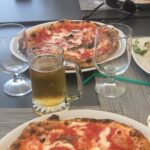
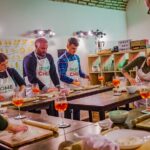
Once you’re seated, you’ll get an appetizer: bruschetta. Then you get your choice of a glass of wine or beer (with soda and water also included).
After that, your pasta gets served—cooked with the sauce you selected. This is the part that makes the class feel like more than a workshop. You’re eating your work while it’s fresh and while the session is still in your head.
Dessert comes later: the tiramisu you made is brought out so you can enjoy it in the setting that makes Piazza Navona so special. To close it out, you can also order coffee or limoncello, which rounds out the flavor journey from start to finish.
A small heads-up from real-world comfort: one guest said the indoor space ran warm and wasn’t air-conditioned, while another mentioned air con. In summer, I’d still wear breathable clothes and plan for the possibility that the room can feel hot before you move back out to the piazza.
Price and value: why $64 can make sense here
At about $64 per person for a 2.5-hour experience, the value comes from the combo. You’re getting:
- hands-on pasta-making,
- hands-on tiramisu-making,
- a restaurant meal experience (bruschetta plus your pasta),
- included drinks (1 glass wine or beer, plus coffee or limoncello),
- and the setting of Piazza Navona.
Many “cheap” classes in Europe can feel like you’re paying mostly for ingredients, with only a small amount of instruction and no real meal afterward. Here, the format is designed to end with you eating a full course sequence that includes what you made.
You can also think of this as part cooking class, part dinner plan. If you were otherwise going to pay for a restaurant meal and a dessert, you’re not starting from zero—you’re buying a learning experience that also feeds you.
One small cost note: extra drinks aren’t included, so if you’re the type who adds rounds of drinks, you’ll want to budget a bit beyond the base price.
Who this class fits best (and who should skip)
This is ideal if you want something interactive in Rome that doesn’t require skill before you arrive. I especially think it’s a strong choice for:
- solo travelers who want a small group experience with conversation,
- couples and friend groups who like shared activities,
- families with older kids (the class is described as not suitable for children under 7, and guests mention tween and teen enjoyment).
It’s also a good match if you care about actually learning technique, not just watching. Multiple guests describe the steps as easier than expected, which often means the hosts explain with clarity and keep the workload manageable.
But you should skip it if you have the listed constraints. It’s not suitable for vegans, and it’s also not suitable for people with gluten intolerance or lactose intolerance. It’s also listed as not suitable for people with diabetes. If you’re vegetarian or have other dietary needs, the provider says it supports vegetarian and other diets—just make sure you inform them when booking.
Practical tips so your afternoon goes smoothly
A few small moves will make this run better:
- Arrive 10 minutes early and meet inside Ristorante Tucci. Ask a staff member to guide you.
- Wear comfortable clothes and shoes you can stand in. Even though you’re not in a gym, you’ll be working with food prep.
- If you have any dietary needs (even if you’re vegetarian), tell the provider when booking so the kitchen can plan.
- If you want photos of the piazza setting, time them for right before your meal and right after dessert. Once the courses start, it becomes harder to pause.
Also, because it’s a small group up to 10, you’ll usually get more attention than in large classes. That’s a feature, not a guarantee—so stay engaged, ask questions, and taste as you go.
Should you book this Piazza Navona pasta and tiramisu class?
I think you should book it if you want a Roman experience that combines real instruction with a satisfying meal. The location is a big part of the payoff: you cook, you eat, and you do it with Piazza Navona as your backdrop.
You should also like it if you’re aiming for practical skills. Making fresh fettuccine and building tiramisu are learnable, home-replicable projects, and the structure of the class supports that.
Skip it if your biggest priority is a long sit-down sightseeing day, or if your diet falls into the listed non-suitable categories. And don’t treat it like an open-ended cooking session; it’s a scheduled 2.5 hours with a small-group format.
If you want a fun afternoon that ends with food you helped create, this is a strong bet.
FAQ
Where is the meeting point for the cooking class?
You meet inside Ristorante Tucci. When you arrive, ask a waiter to guide you to the class area.
How long is the experience?
The cooking class and meal experience lasts about 2.5 hours.
Is the class taught in English?
Yes, instruction is in English.
What pasta and sauce options do you choose from?
You’ll make fettuccine, and you can choose one of four sauce options: Carbonara, Cacio e Pepe, al Pomodoro, or al Pesto.
What’s included with the class meal?
Included items are pasta-making and tiramisu-making, bruschetta as an appetizer, drinks (1 glass of wine or beer, plus coffee or limoncello, soda, and water), and your finished pasta and tiramisu.
What dietary restrictions should I know before booking?
Vegetarian and other diets are supported if you inform the provider when booking. The experience is not suitable for vegans, and it’s not suitable for people with gluten intolerance, lactose intolerance, or diabetes.
Is it a private class, and how big is the group?
It’s not private. The group is small, limited to up to 10 participants.