REVIEW · ROME
Private Rome Bike tour
Book on GetYourGuide →Operated by Fat Tire Tours - Italy · Bookable on GetYourGuide
Rome by bike hits different. This private 3-hour ride threads together Rome’s top ancient landmarks with real street-level pacing. I especially like that you get a licensed local guide who can connect the sights to the stories behind them, and I love the mix of big monuments plus lived-in neighborhoods like Campo de’ Fiori. One consideration: Rome’s streets include cobbles, so the ride is not ideal if you’re expecting smooth, flat cycling.
You’ll pedal with plenty of time for photos, plus fun “Rome rituals” like tossing a coin at Trevi. The tour is structured enough to feel easy, but it still lets you move like a local—slow enough to look around, quick enough to see a lot in a short time. Still, this is rain-or-shine, and cobbled sections can make it feel bouncier than you might imagine.
In This Review
- Key Things to Know Before You Ride Rome’s Classics
- Private by Design: How a 3-Hour Bike Ride Works in Rome
- Pedaling Up to the Pantheon: Rome’s Oldest Structure Up Close
- Trevi Fountain Coin Stop: Fast, Iconic, and Built for Photos
- Forum Ruins in Motion: Stories That Make the Heart of Rome Click
- Campo de’ Fiori Market Sights: A Real Roman Mood Between Landmarks
- Colosseum Ride Around: Gladiator-Era Views Without the One-Spot Trap
- Bike Choice, Helmets, and the Cobbled-Street Reality
- Guide Quality: What a Local Licensed Perspective Adds
- Price and Value: $396.50 for 3 Hours, and When It Works
- What to Bring and How to Show Up Ready to Roll
- Who Should Book This Private Rome Bike Tour?
- Should You Book This Private Rome Bike Tour?
- FAQ
- How long is the private Rome bike tour?
- What starting times are available?
- Is the tour private?
- What’s included with the tour price?
- Is an eBike upgrade available?
- What language is the guide?
- What should I bring?
- What if it rains?
- Is the tour suitable for pregnant women?
- Are children allowed?
- Is gratuity included?
Key Things to Know Before You Ride Rome’s Classics
- Private group time: Your guide can set a comfortable pace and keep the focus on your questions.
- Pantheon to Trevi to the Forum: You cover several “must-see” stops without the usual hop-on-hop-off shuffle.
- Trevi Fountain coin moment: A quick, iconic stop that’s built for photos and the tradition.
- Campo de’ Fiori market energy: You get a sense of day-to-day Rome, not just monuments.
- Colosseum ride-around views: You see the amphitheater area from street level instead of only distant viewpoints.
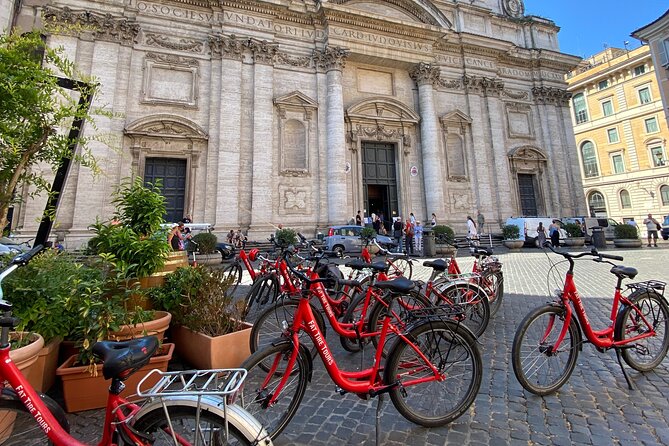
- Bike setup included: Helmet and bike bag come with the rental; eBike upgrades may be available.
Private by Design: How a 3-Hour Bike Ride Works in Rome
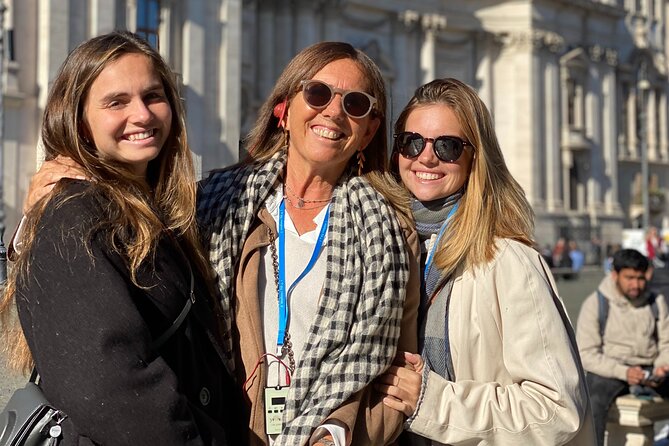
A 3-hour bike tour in Rome works best when it’s planned like a route, not a string of random stops. This one is built to take you through a logical slice of central Rome where the landmarks are close enough to connect by bike, yet still varied enough to keep it interesting.
The private part matters more than people think. With no need to wait on a bigger group, you tend to get smoother timing and more flexibility if you want extra time at a viewpoint or you’re just slower on a particular stretch. You’ll still cover big-name sites, but the experience feels more tailored than a crowd march.
You can also read our reviews of more cycling tours in Rome
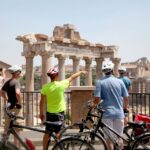
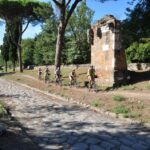
Pedaling Up to the Pantheon: Rome’s Oldest Structure Up Close
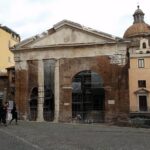
The Pantheon is one of those sights that looks legendary even before you reach it. Cycling up to it adds something walking tours often miss: motion. You arrive with the streets behind you still humming, then the scale of the building hits in a different way.
What I like about this stop is the specific focus on Rome’s oldest structure. A guide can point out the parts you’ll otherwise glide past—how it’s part of an ongoing Roman story, not just a standalone museum piece. You’ll get a strong photo opportunity here, too, and it’s the kind of stop where the “wow” moment keeps working from different angles as you move around.
Possible drawback: the approach and surrounding streets can feel tight. If you’re new to bike riding, you’ll want to stay aware and follow your guide’s cues so you don’t get surprised by traffic flow or narrow turns.
Trevi Fountain Coin Stop: Fast, Iconic, and Built for Photos
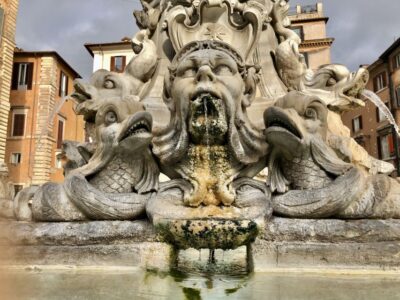
Trevi Fountain is famous for one reason: people don’t come all this way to see it once and move on. You’ll stop to throw a coin—an iconic tradition tied to this place—then you’ll have time to enjoy the fountain’s details and grab photos without sprinting.
The smart part here is timing and pacing. The tour gives you the “must-do” moment, but it doesn’t let the stop swallow the whole ride. That matters because you’re not just checking off Trevi; you’re building toward the Roman heartland of forums, markets, and arenas.
Consideration: Trevi is one of Rome’s busiest areas. Even with a bike tour format, you may still feel some crowd density around the fountain. The benefit of going as a private group is you’re less stuck following a slow moving pack.
Forum Ruins in Motion: Stories That Make the Heart of Rome Click
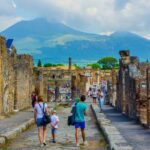
The Forum is where Rome stops being postcard archaeology and turns into a place with rhythm. Riding through the area makes it easier to imagine what it felt like to be here day after day, even if you’re only seeing ruins today.
This stop is built around stories from your guide—exactly what the Forum needs. Ruins can look flat or confusing if you’re only looking at stones. But when the guide connects what you see to what happened there, the whole area starts to feel like the center of ancient civic life.
I also like that this isn’t presented as a lecture. The bike format means you’re not trapped in one spot for long. You get the key moments, the sense of layout, and then you roll forward before your focus fades.
Campo de’ Fiori Market Sights: A Real Roman Mood Between Landmarks
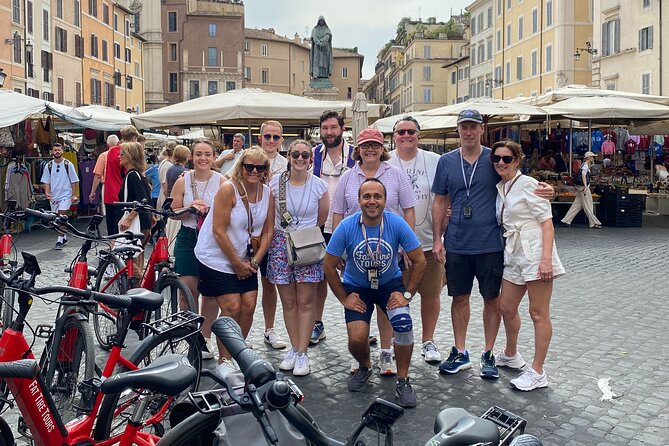
Campo de’ Fiori is a different kind of Rome stop. Yes, it’s still central and scenic, but it carries the texture of daily life. This tour calls it Rome’s oldest market, and that detail helps you shift from “tourist landmarks” mode to “I’m in the city” mode.
You’ll soak up the sights and sounds from the saddle—street energy, shopfront life, and the way people move through the space. I like this contrast because it gives you a breather between major monuments. It also makes your photos feel more like scenes from Rome, not only monuments cropped to the same angle.
Practical note: if you’re the type who likes to wander, you might wish you had more time here. The tour keeps it efficient, so treat Campo de’ Fiori as a snapshot. If you fall for the vibe, you can always return later on foot.
You can also read our reviews of more private tours in Rome




Colosseum Ride Around: Gladiator-Era Views Without the One-Spot Trap
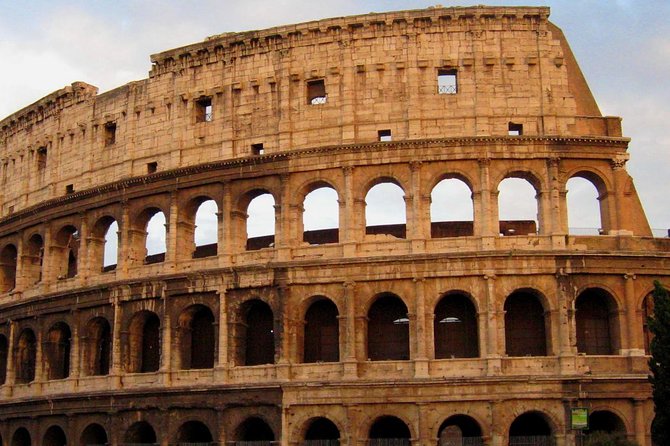
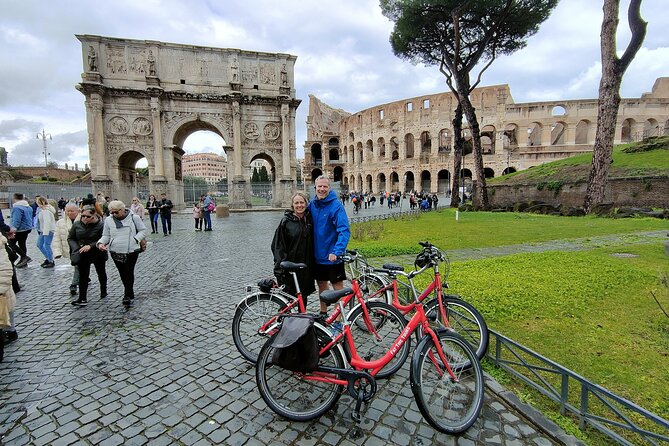
The Colosseum is a big target, but “seeing it” doesn’t always mean you get a useful viewpoint. This tour includes a ride around the Colosseum area, which is a smart way to take in the amphitheater from street level and different angles—without forcing you to stand in one exact spot.
The tour highlights the Colosseum as a battleground of gladiators. That framing helps your guide bring the site to life beyond “big arena, big photos.” Even if you’ve read about Roman games before, seeing the area with a route around it tends to make the setting feel more real.
If you’re sensitive to speed or traffic noise, keep in mind: this part of Rome can feel more intense. The upside is that you don’t just stare at a wall of stone—you move, you feel the scale, and you finish the ride with stronger context.
Bike Choice, Helmets, and the Cobbled-Street Reality
You get a bike rental included, plus a helmet and bike bag. If you’re considering an eBike upgrade, it can be a practical help rather than a luxury. Rome’s terrain can feel uneven, and eBike power can make the whole route less tiring—especially if you’re going at a relaxed pace.
Also, be honest about riding comfort. The tour itself notes that cobbled streets are a big factor, which is why pregnant women are strongly discouraged. If you’re prone to motion discomfort or have mobility or balance concerns, you should take that warning seriously.
For kids, the tour welcomes them with conditions: your child should already be riding confidently and able to handle various surfaces. There are limited smaller bikes (20-inch and 24-inch wheels), so if you’re traveling with a child, it’s smart to confirm sizing needs early when you check availability.
Guide Quality: What a Local Licensed Perspective Adds
A guided bike tour can be either a highlight slideshow or a story-driven walk-by. This one includes a local, licensed guide, which usually means you get more than “this is old” facts.
The payoff is in how the route connects: Pantheon as a reference point for Rome’s early power, Trevi as a cultural ritual, the Forum as the political and civic core, Campo de’ Fiori as everyday market history, and the Colosseum as entertainment and spectacle. When those pieces are stitched together in the right order, you start to see Rome as a whole system instead of separate monuments.
I also like that the tour is in English. That’s not just convenience; it helps you actually follow the stories while you’re riding, rather than saving questions for later.
Price and Value: $396.50 for 3 Hours, and When It Works
At $396.50 per person for a 3-hour private tour, the price sits in the “premium but not crazy” zone—assuming you want a high-touch experience. Here’s the value math I’d use:
- You’re paying for privacy, not just a guide.
- You’re paying for bike rental, plus helmet and bike bag.
- You’re paying for a route that hits multiple iconic sites in a short window without you doing the planning or switching transportation modes.
If you’re traveling as a couple or a small group who wants a calmer pace than big group tours, this is often a smart trade. If you’re traveling solo and you’re price-sensitive, you may feel the cost more sharply—because a private tour price per person can be higher than shared tours.
My practical advice: treat this like a “Rome highlights with coaching” experience. If you’d rather spend the money on extra museums or food tours, that’s a valid alternative. But if you want to see key ancient landmarks fast and move like a local, the bike format helps justify the premium.
What to Bring and How to Show Up Ready to Roll
Bring a passport or ID card. It’s a small item, but it’s one less thing to stress about once you’re in Rome.
Plan to arrive about 15 minutes early. That buffer matters because you’ll need time for bike setup and getting settled, and you’ll start the ride feeling calm instead of rushed. The tour also operates rain or shine, and rain ponchos are available—so you should show up ready for wet streets, not just sunny ones.
Quick comfort check: if you’re wearing shoes that slip on uneven surfaces, consider switching to something with better grip.
Who Should Book This Private Rome Bike Tour?
This tour is a strong fit if you:
- want a private, guided route through Rome’s biggest ancient hits
- like photo stops and short, story-focused explanations
- prefer cycling over long museum walks
- can handle cobbled streets without discomfort
It’s not a great fit if you:
- are pregnant (cobbled streets are the stated issue)
- don’t ride bikes confidently, especially on uneven surfaces
- are looking for a slow, wandering day without time limits
Kids can work well if they’ve already been riding for a while and can handle group riding and mixed surfaces. Just make sure bike sizes match your child, since the smaller options are limited.
Should You Book This Private Rome Bike Tour?
Yes—if you want Rome’s “greatest hits” with a local guide and you’re comfortable riding on cobbled streets. The structure makes it efficient without feeling like a checklist: Pantheon first for a huge anchor, Trevi for the iconic coin moment, the Forum for stories that clarify ruins, Campo de’ Fiori for real market atmosphere, and the Colosseum ride-around for scale and context.
I’d especially recommend it for first-time Rome visitors who don’t want to navigate logistics while also getting more than surface-level info. If you’re cautious about uneven streets, or you’re traveling with someone who can’t manage that kind of cycling, skip the bike version and choose a walking tour or a different format.
FAQ
How long is the private Rome bike tour?
The tour runs for 3 hours.
What starting times are available?
Starting times vary, so you’ll need to check availability for the exact schedule.
Is the tour private?
Yes, it’s a private group experience.
What’s included with the tour price?
Included are a local, licensed tour guide; bike rental (with eBike upgrades available); and a helmet and bike bag.
Is an eBike upgrade available?
Yes, eBike upgrades may be available when you book.
What language is the guide?
The instruction is in English.
What should I bring?
Bring a passport or ID card.
What if it rains?
The tour operates rain or shine, and rain ponchos are available.
Is the tour suitable for pregnant women?
Pregnant women are strongly discouraged due to cobbled streets.
Are children allowed?
Kids are welcome if they have been riding for a while, can ride comfortably in a group, and can handle various surfaces. Smaller bikes (20-inch and 24-inch) are available in limited quantity.
Is gratuity included?
No, gratuity is not included.