REVIEW · ROME
Crypts and Legends: Exploring the Dark Side of Rome
Book on Viator →Operated by RomAbout Tours · Bookable on Viator
Rome has a darker bedtime story. This evening walk pairs Capuchin Crypt admission with street legends, so Rome feels less like postcards and more like a real-life spooky story. I love the small-group pace that gives you time to ask questions, and I love doing the city at night when the air cools and the crowds thin out. The main drawback: outside the Crypt, most stops are brief and mostly viewed from the street, so it is not a full-on jump-scare marathon.
You start at 5:00 pm near Piazza Barberini and finish at 2 hours later at a lesser-known church on Via Giulia. The route threads together major icons like Trevi and the Pantheon, plus quieter corners tied to older Rome’s darker myths. If weather is rough, you’ll need a flexible plan, because this experience is set up for good conditions.
In This Review
- Key highlights you’ll actually feel on this tour
- What makes an evening “dark side” Rome walk work
- The route: from Piazza Barberini to Santa Maria dell’Orazione e Morte
- Capuchin Crypt: the one place everyone talks about
- Trevi Fountain legends: the coin part is the easy bit
- Passing the Pantheon: why this ancient temple fits the mood
- Piazza Navona and ghost lore in a famous square
- Campo de’ Fiori: Giordano Bruno’s shadow
- Santa Maria dell’Orazione e della Morte: ending on mystery
- How spooky is it, really?
- What you’re paying for: value at $72.29 per person
- Footsteps, comfort, and who should book it
- Booking timing and what to do if weather changes
- Should you book Crypts and Legends: Exploring the Dark Side of Rome?
- FAQ
- How long is the Crypts and Legends Rome tour?
- What time does the tour start, and where does it meet?
- Where does the tour end?
- What’s included in the price?
- Is the tour in English, and how big is the group?
- What happens if the weather is poor, or if I need to cancel?
Key highlights you’ll actually feel on this tour
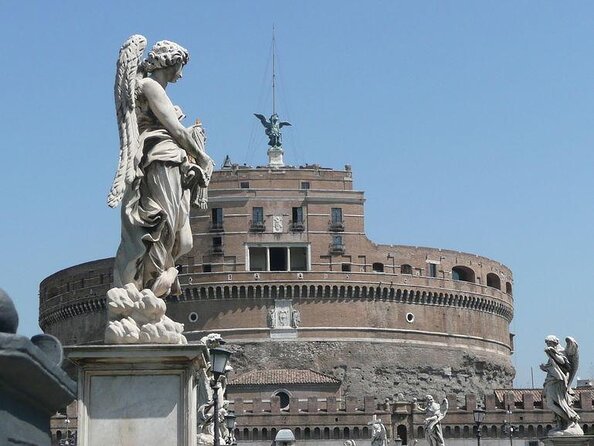
- Capuchin Crypt ticket included so you can focus on the story, not the line
- Nighttime timing helps you see landmarks with less crush and more atmosphere
- Up-close crypt experience where the bones are the star, not a side note
- Legend stops beyond the usual route including spots tied to ghosts and Giordano Bruno
- Small group format (max 8) that keeps the guide’s voice clear and questions welcome
- Ending at a mystery church gives the tour a memorable final note, not a rushed “walk away” finish
What makes an evening “dark side” Rome walk work
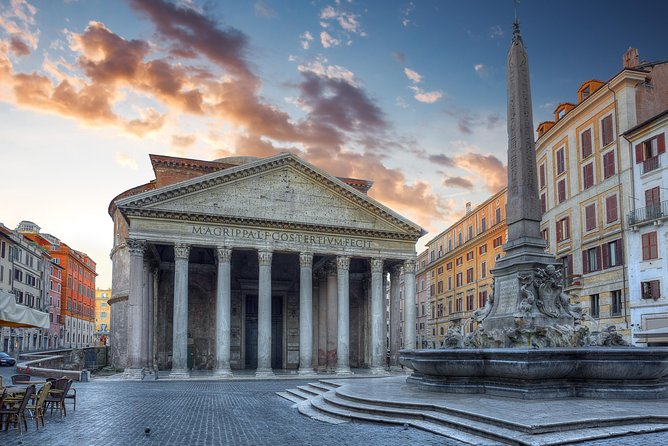
Daytime Rome can feel like sprinting between must-sees. This tour changes the tempo on purpose. You’re out at 5:00 pm when temperatures drop, and you get to look at famous places without the same wall of people.
The second big reason it works is the format. It’s built around one true destination you go inside—the Capuchin Crypt—and then it uses the rest of the route for stories, passing views, and atmosphere. That keeps it focused, even though you still do a fair bit of walking.
A good guide makes the difference here. The guides tied to the best experiences lean into storytelling that connects architecture, art, and legend. You’ll hear plenty of ghost lore, but it’s usually rooted in what you’re looking at, not just generic “spooky” talk.
You can also read our reviews of more tours and experiences in Rome.



The route: from Piazza Barberini to Santa Maria dell’Orazione e Morte
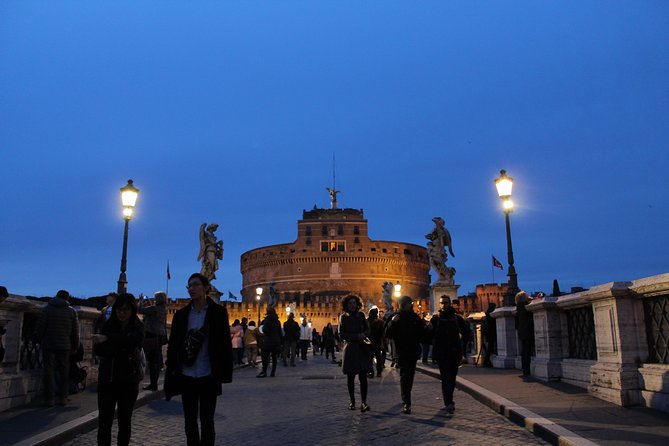
The tour meets at P.za Barberini, 21 near Piazza Barberini and ends at Via Giulia, 262 at Santa Maria dell’Orazione e della Morte. That ending point matters, because it’s not the usual “end by the major sights” setup. It lets the last stop feel like a quiet payoff instead of another crowded landmark photo op.
Expect an easy-to-follow walk that links several central neighborhoods. The start is convenient for transit and taxis, and the finish is in an area that’s walkable to more sights afterward if you want to keep going.
One practical note: since multiple stops are outside, you’ll want to dress for evening walking. Think layers, comfortable shoes, and a light rain plan. You’ll be standing and listening at several points, not constantly moving at breakneck speed.
Capuchin Crypt: the one place everyone talks about
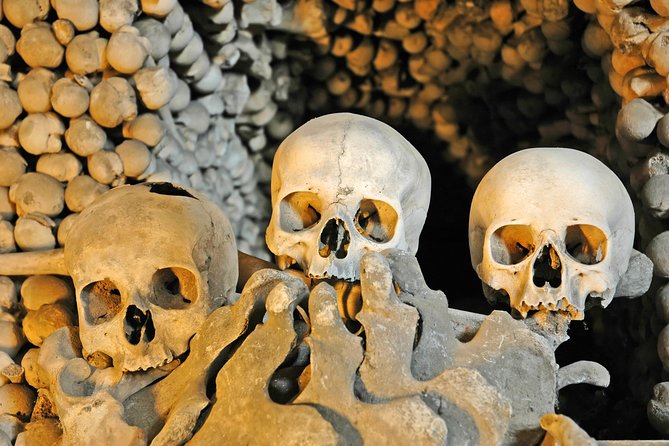
The Capuchin Crypt is the heart of this whole experience. You visit the museum and crypt area for about 30 minutes, with admission included. The setting is designed to shock in a controlled way: the remains of almost 4,000 people are displayed, and most are thought to be Capuchin monks.
Inside, the experience is both macabre and oddly structured. It’s not just “bones in a room.” You’re seeing how the Capuchins turned death into a kind of message—built into how the space is arranged and how the objects are presented.
A detail that helps you plan: photos aren’t allowed inside the crypt. So don’t waste time trying to get the perfect shot. Instead, treat it like a slow, focused visit where you look carefully, then let the guide’s explanation do its work.
Also, the lead-in matters. One of the standout comments from people who loved the tour is that it feels time-well-spent from the first moment—especially when the guide blends art and history while you’re waiting to enter. If you’re seeing the crypt’s art references (people have mentioned a Caravaggio painting before entry), pay attention to what the guide points out, because it adds context before you hit the bone displays.
This is also where the tour earns its “worth it” reputation. The crypt is the clear reason to book, even if you’re not a diehard ghost-story fan.
Trevi Fountain legends: the coin part is the easy bit
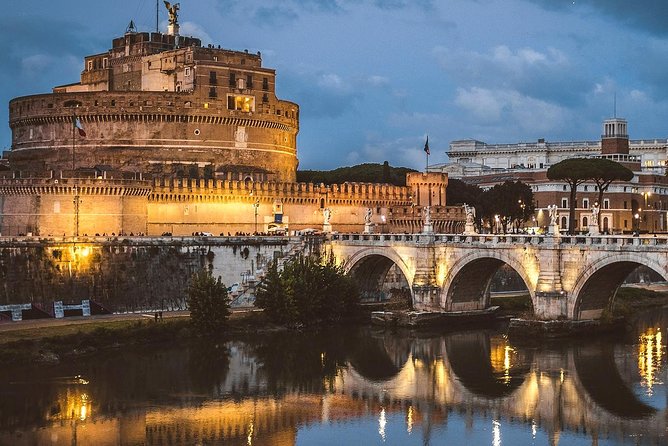
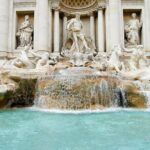
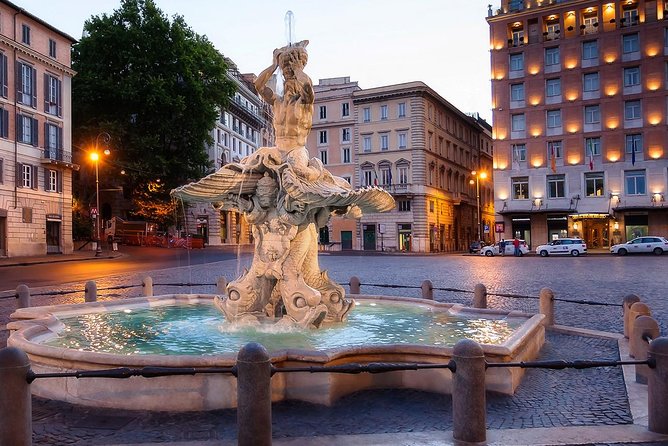
After the crypt, you move to Fontana di Trevi for about 20 minutes of guided time. You’re listening to legends connected to the fountain while you take in the scene at night. Even if you already know the coin tradition, the storytelling makes the stop feel more personal and less like a checklist.
The fountain has a way of pulling you in, even when you’re trying to focus on the darker themes. That’s part of why this tour keeps it after the crypt: you get a jolt of eerie, then you get a pulse of romance and myth in a place everyone recognizes.
This stop also gives you a nice breather. You’re not entering a major interior monument here; you’re gathering information, listening, and deciding how long you want to linger with the crowd flow.
If you’re hoping for true haunting energy, treat Trevi as more of a legend intermission. It’s still on-theme, but it’s not the main event.
Passing the Pantheon: why this ancient temple fits the mood
The tour includes a pass-by of the Pantheon. You get about 20 minutes with a guide explaining why the building became so important and how it has been used over the centuries. The key word in your head should be adaptation: one structure, many roles, layers of meaning.
This stop works especially well on an evening walk because you can look up without fighting daytime glare. The Pantheon’s exterior reads like a landmark, and the guide’s explanation helps you see it as a machine for time—something that kept surviving changes in power, faith, and style.
One thing to adjust expectations: you’re not doing a long sit-down inside the Pantheon on this tour. You’re mainly passing by and learning while you see the space from the outside, which can be enough if you’re pairing it with the crypt as the real indoor anchor.



Piazza Navona and ghost lore in a famous square
Next up is Piazza Navona, another about 20 minutes. It’s one of the most visually satisfying squares in central Rome, and it’s perfect for legend talk because it’s theatrical by design.
You’ll hear stories tied to ghosts that are said to haunt this area even today. The point isn’t whether you believe in ghosts. The point is that you’re learning how Rome layers myth on top of architecture—how people keep retelling places until the stories feel like part of the street.
Like the Pantheon, this is mostly a standing-and-listening stop. So bring patience. If you want lots of inside time at each landmark, you might find this tour’s pacing more story-focused than museum-focused.
Campo de’ Fiori: Giordano Bruno’s shadow
Your route then includes Campo de’ Fiori for about 15 minutes, with a guide tying the area to the history of Giordano Bruno. This is where the tour’s “darker side” stops feeling like pure Gothic theater and turns more grounded in real historical tension.
Bruno is a big name for anyone who likes ideas clashing with authority. Even if you only know him in passing, hearing his story in this specific street setting makes the reference land better than a lecture would.
This stop also feels like a tonal shift. You’re moving away from the famous fountain and square energy and getting into older Rome’s street memory—where legends grow because real events already left scars.
Santa Maria dell’Orazione e della Morte: ending on mystery
The final stop is Chiesa di Santa Maria dell’Orazione e Morte, with about 15 minutes on-site. The tour frames it as a church steeped in mystery, and you’ll get the tales associated with the place while you’re standing in that setting.
This is the type of end that leaves you thinking after the tour ends. Instead of finishing at a high-traffic landmark and blending into the crowd, you’re guided to a quieter church that matches the tour theme. It’s the last stitch in the story: bones, legends, then faith and mystery in one compact arc.
If you like “small place, big meaning” experiences, you’ll probably enjoy this ending a lot.
How spooky is it, really?
Here’s the honest expectation setting: the tour can be creepy, but it isn’t built like a horror movie.
The strongest sessions lean into mood and story. People have loved the crypt experience for being creepy and beautiful, and they’ve credited guides for mixing ghost lore with what’s actually in front of you. Some guides are especially strong at turning architecture and art into narrative, which can make the “spooky” part feel intelligent rather than random.
At the same time, a few comments have pointed out that the tour may feel more like architecture + legend than a consistently eerie walkthrough. Also, since you only go inside the crypt, the most intense moment is front-loaded. So if you’re chasing nonstop haunted vibes from start to finish, you might find that it peaks early.
My practical advice: treat the Capuchin Crypt as the main fright. Everything else is there to connect themes—bones, ghosts, and the way stories cling to buildings.
What you’re paying for: value at $72.29 per person
At $72.29 per person for about 2 hours, you’re paying for three things at once: a professional guide, the included Capuchin Crypt admission, and the guided evening route through central Rome.
The included ticket is a big deal. It saves you the time and hassle of figuring out entry logistics on your own, especially at night when schedules can be trickier. It also tells you where the tour’s priority is: the crypt matters, so you’re not left hunting for it after a long string of “just look from outside” stops.
The small group size (max 8) also has a real value. You can actually hear your guide, and you’re more likely to get your questions answered without waiting your turn forever. Add group discounts to the mix and the cost starts to make more sense for couples and small families who want a guided edge without a huge tour bus.
Footsteps, comfort, and who should book it
This is a walking tour. Even though the time inside major sights is limited, you’ll still be on your feet for the evening, moving between multiple central locations and standing to hear the stories.
You’ll get the best experience if you’re into:
- history mixed with legend
- atmosphere after dark
- learning in a small group
- the Capuchin Crypt specifically (this is the anchor)
You might consider skipping (or pairing with something else) if you want:
- lots of long museum-style interior time at every stop
- a tour that stays spooky start to finish
- minimal walking
A final comfort tip: night in Rome can still feel breezy. Wear layers so you can focus on the stories without constantly adjusting your clothing.
Booking timing and what to do if weather changes
This tour starts at 5:00 pm and runs about 2 hours. It’s commonly booked around a month in advance, so if your dates are fixed, you’ll want to reserve early.
You also have a weather factor. This experience requires good weather, and if it gets canceled due to conditions, you’ll be offered a different date or a full refund. If your trip plans are tight, that flexibility is worth noting.
Should you book Crypts and Legends: Exploring the Dark Side of Rome?
Yes—if you want a focused evening tour built around one unforgettable interior: the Capuchin Crypt. This one is ideal for couples, friends, and small groups who like Rome at night and enjoy guides who tie stories to what you’re seeing.
If your idea of haunted is nonstop terror, you might be a little disappointed. But if you’re okay with “creepy + thoughtful + story-led,” this becomes a great fit. You get the best of both worlds: famous sights for orientation and a darker anchor that makes the whole walk feel different from a standard Rome evening circuit.
FAQ
How long is the Crypts and Legends Rome tour?
It lasts about 2 hours.
What time does the tour start, and where does it meet?
The tour starts at 5:00 pm and meets at P.za Barberini, 21, 00187 Roma RM, Italy.
Where does the tour end?
The tour ends at Via Giulia, 262, 00186 Roma RM, at Santa Maria dell’Orazione e della Morte.
What’s included in the price?
The price includes all fees and taxes, a professional guide, and an entry ticket to the Crypt of the Capuchin. Admission tickets are also included for the Fontana di Trevi stop.
Is the tour in English, and how big is the group?
The tour is offered in English and has a maximum of 8 travelers.
What happens if the weather is poor, or if I need to cancel?
The experience requires good weather. If it’s canceled due to poor weather, you’ll be offered a different date or a full refund. Free cancellation is available up to 24 hours in advance for a full refund.