REVIEW · ROME
Private Full Day Rome Tour in 2 Days Sightseeing
Book on Viator →Operated by Italy Rome Tour · Bookable on Viator
Two days in Rome, handled with care. This private full-day format strings together top sights with hotel transfers and live driver-guide commentary so you spend less time figuring out logistics and more time seeing the city. Just note: admission for some big stops is not included, so you’ll want to plan a ticket budget and timing.
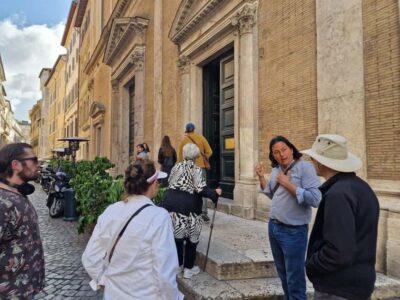
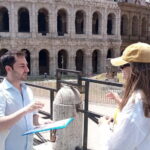
What I like most is the way the driver-guide keeps things moving without making you feel ignored. You’ll get personal recommendations for practical stops like restaurants and gelato, and you’ll often have an expert who can explain what you’re looking at in plain English (and sometimes even use visual renderings to help you understand the scale). One thing to consider: the day runs about 14 hours, so comfy shoes and a steady snack plan matter.
In This Review
- Key things to know before you go
- Why this private Rome format feels different than a bus
- Hotel pickup, the air-conditioned van, and your 14-hour rhythm
- Circus Maximus to the Capitoline: start with scale and city context
- Catacombs of San Callisto: why the ticket matters
- Appian Way (Via Appia Antica): Rome’s long-street drama
- Pantheon and the feel of walking into time
- Aventine Hill and the keyhole moment at Priorato dei Cavalieri di Malta
- St. Peter’s Square and the Vatican mood shift
- Gianicolo viewpoint to Piazza del Popolo: build your Rome picture
- Piazza Navona and Trevi: squares with personality (and ticket realities)
- Spanish Steps to the Colosseum: end with Rome at its loudest
- Price and value: what you’re paying for, and what you’ll add
- What this tour is best for
- Should you book this private Rome in 2 days sightseeing tour?
- FAQ
- How long is the private Rome full-day tour?
- Do you pick up from my hotel?
- Is this tour private?
- Is lunch included?
- Are monument tickets included?
- What language is the live commentary offered in?
- Are tickets provided digitally?
- About how far in advance is this commonly booked?
Key things to know before you go
- Hotel pickup and drop-off means less stress in a city where finding parking can be a sport.
- Private group pacing: you set the rhythm, and the guide can adjust when your group needs a breather.
- Most stops are ticket-free to enter on-site, but some major attractions require separate admissions.
- Live commentary in English helps you connect the dots as you travel street to street.
- A driver-guide who knows the “how” (where to park, what to look for) can save real time.
- Restaurant and gelato suggestions are part of the value, not an afterthought.
Why this private Rome format feels different than a bus
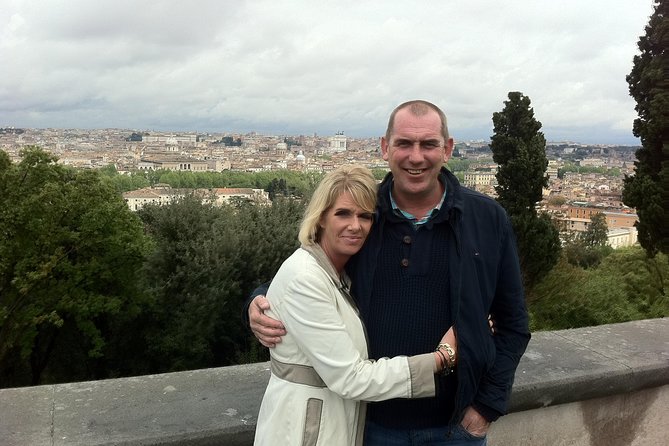
Rome is a masterpiece, but it can be a headache for first-timers. Crowds, traffic, and long walks can drain you. This experience tackles that by keeping you in an air-conditioned minivan with hotel pickup each day, while a private driver-guide talks you through what’s in front of you.
The key difference is how you move. Instead of wrestling with transit schedules or guessing the best order for landmarks, you follow a route that hits big “I can’t believe that’s here” moments—while also including classic squares and viewpoints that help you understand Rome, not just photograph it.
Also, this tour is offered in English, and the commentary happens live on board. That’s useful when you want the why behind the what: which ruins matter, how the streets connect, and what to notice so the places don’t blur together.
You can also read our reviews of more private tours in Rome



Hotel pickup, the air-conditioned van, and your 14-hour rhythm
This is listed as an approximately 14-hour full-day experience, and that matters. It’s not a quick hits tour; it’s a full “cover Rome” day. Hotel pickup and drop-off are included, and pickup covers hotels in Rome and around.
For you, that translates to fewer friction points:
- You start close to your room.
- You don’t need to coordinate meeting points with luggage.
- You can conserve energy for the walking and the sights.
The van ride time also gives you a breather. Even when the itinerary includes stops of 30 to 60 minutes, the travel between zones helps reset your brain. Still, you’ll want to treat this like a long day: bring water, wear shoes you trust, and plan on stepping into multiple “different Romes,” from ancient layers to Vatican-era grandeur and back to baroque street life.
Circus Maximus to the Capitoline: start with scale and city context
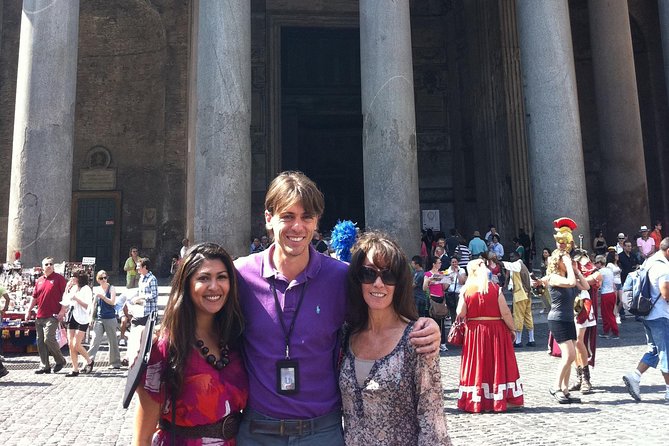
You begin at Circo Massimo. Even if you don’t walk deep into a ticketed site, the point here is perspective. This area connects you to ancient Rome’s idea of spectacle—stadium-sized crowds and the politics of public entertainment. It’s a good warm-up because it sets your brain in Roman mode fast.
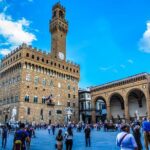
Next up is Piazza del Campidoglio, where you get a view toward the Roman Forum. This stop is short, around 30 minutes, but it’s the kind of location that makes the rest of your day click. When you can see the Forum direction from the Capitoline, you start noticing alignments and sightlines that you’d miss wandering without context.
One practical note: short stops are only as useful as what you decide to do with them. At these first stops, take 5–10 minutes just to look first, then ask questions if you can. A driver-guide who’s tuned to what visitors commonly miss can help you spot details you’d never think to hunt for.
Catacombs of San Callisto: why the ticket matters
The itinerary includes Catacombe di San Callisto for about 1 hour, and the admission is not included. This is one of the places where having a guide matters because you’re not just seeing tunnels—you’re stepping into a setting with emotional weight and historical purpose.
Because this is a ticketed stop, plan for:
- Purchasing the right admission separately
- Following whatever entry timing you’re given
- Keeping your visit focused even if you’re tired from the morning
The payoff is that catacombs break up the “outdoors only” feel of a Rome day. You get a different atmosphere—cooler, quieter in tone, and far removed from the busy surfaces above.
Appian Way (Via Appia Antica): Rome’s long-street drama
Then you move to the Appian Way (Via Appia Antica), again with about 30 minutes on-site and admission listed as free for the stop itself. This stretch of road is the Roman obsession with durability made visible. You feel it underfoot and in the way the path pulls your attention forward.
Why this works on a tour: it gives you a “pause” moment between headline attractions. After the Forum-facing view and the catacombs, the Appian Way lets you breathe and reset. You’ll also get the chance to frame how Rome’s power moved outward—how a city’s reach used to be measured in roads.
If you’re sensitive to crowds, you’ll still want to be flexible here. Rome can have surges, even in quieter-feeling spots.
You can also read our reviews of more tours and experiences in Rome





Pantheon and the feel of walking into time
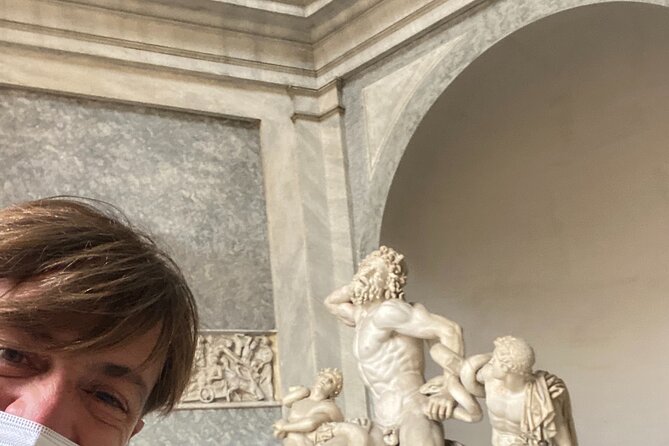
Your next big iconic stop is the Pantheon, about 30 minutes, with admission not included. This is one of those places where your time inside can change depending on entry conditions, crowd flow, and ticket availability.
So here’s how to get value:
- Arrive ready to focus. This is a “look up” stop.
- Keep your 30 minutes purposeful. Don’t spend it half-reading and half-scrolling.
- If you’re buying tickets separately, make sure you do it with your exact plan in mind.
The advantage of having a driver-guide is that they can help you prioritize what to notice quickly—how the structure holds your attention, why the interior lighting feels the way it does, and what’s worth seeing before you rush back out.
Aventine Hill and the keyhole moment at Priorato dei Cavalieri di Malta
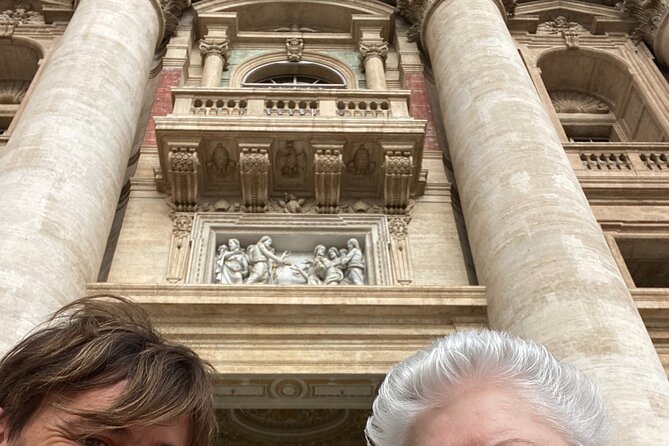
You’ll spend about 30 minutes at Turo Aventi (commonly tied to the Aventine Hill area) and then another 30 minutes at Priorato dei Cavalieri di Malta for the famous keyhole view.
These are ticket-free stops on paper, which makes them a great use of time. They’re also the kind of moments that can feel magical because they’re specific. You’re not just standing in another square—you’re doing a little “mission” with a clear payoff.
How to make the most of the keyhole stop:
- Be patient with timing. Sometimes lines and waiting happen.
- Stay off your phone for a minute and let your eyes adjust.
- Take a moment to understand what you’re aligning your view with. That’s where the fun lives.
St. Peter’s Square and the Vatican mood shift
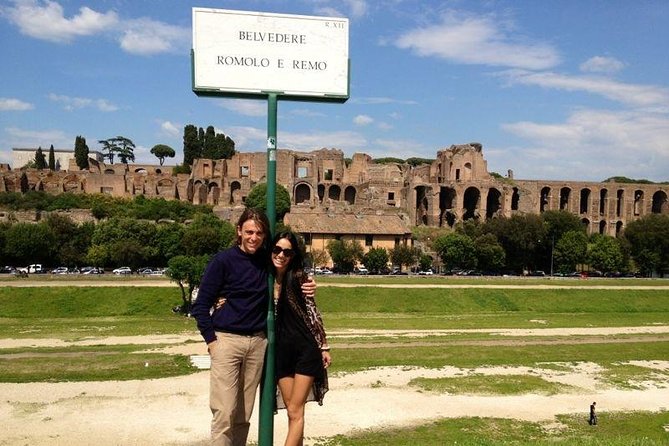
Next is St. Peter’s Square, about 45 minutes, and admission is listed as free for this stop. This is where Rome shifts from ancient layers to a more modern kind of awe—architecture designed to overwhelm, not just impress.
Because the stop is longer than some others, you can afford a calmer approach:
- Spend the first part getting the scale.
- Spend the second part walking your gaze around the geometry.
- If you’re standing for photos, rotate locations instead of staying planted the whole time.
A private driver-guide can also help you figure out what you’re seeing from where you’re standing, which is the difference between collecting images and understanding a space.
Gianicolo viewpoint to Piazza del Popolo: build your Rome picture
After Vatican Square, you head to Terrazza del Gianicolo for about 1 hour, described as a best-view kind of stop. This is one of my favorite types of tour moments: a longer pause where you can absorb the city from above.
Then comes Piazza del Popolo, around 30 minutes. It’s a square, yes—but it’s also a hub of connections. From here you can feel how Rome’s streets pull you in different directions, and you get that classic “this is where walks start” vibe.
If you tend to get overwhelmed by big monuments, the order here helps. The viewpoint is a reset button after Vatican intensity, and it makes the later squares feel more connected.
Piazza Navona and Trevi: squares with personality (and ticket realities)
You’ll visit Piazza Navona for about 1 hour. This is the kind of place where you’ll naturally slow down. It’s a square designed for lingering—food smells, street life energy, and the feeling that you could sit for an hour and still feel like you discovered something.
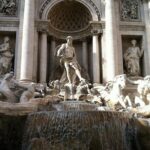
After that, you reach Trevi Fountain for about 45 minutes, with admission not included. Trevi is a “famous for a reason” stop, but it’s also one where you’ll want to manage expectations. The value of your time depends on how you handle crowds and where you position yourself for photos.
Since tickets are not included, treat Trevi as a separate planning item. Keep some buffer in your schedule and confirm what you’re buying ahead of time so you don’t lose precious minutes.
Spanish Steps to the Colosseum: end with Rome at its loudest
Then it’s Spanish Steps, about 30 minutes—a quick, photogenic break with room to people-watch. It’s the kind of spot where the city feels alive even when you’re standing still.
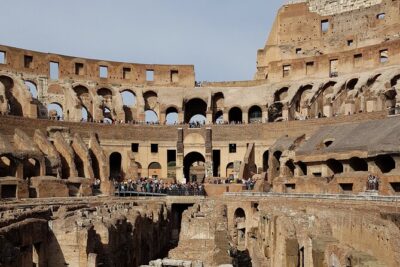
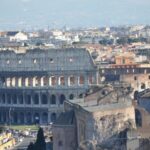
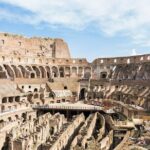
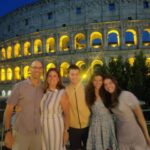
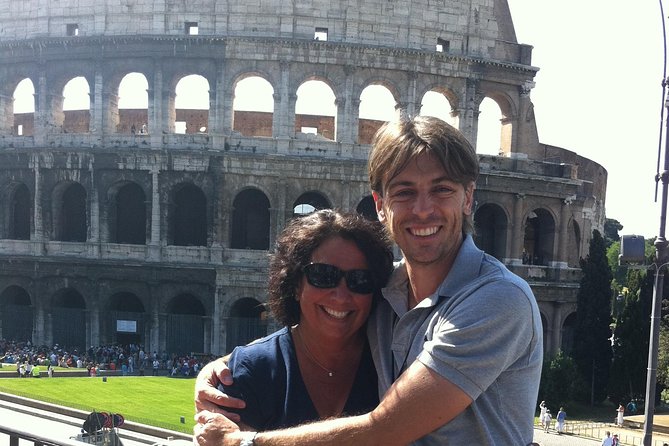
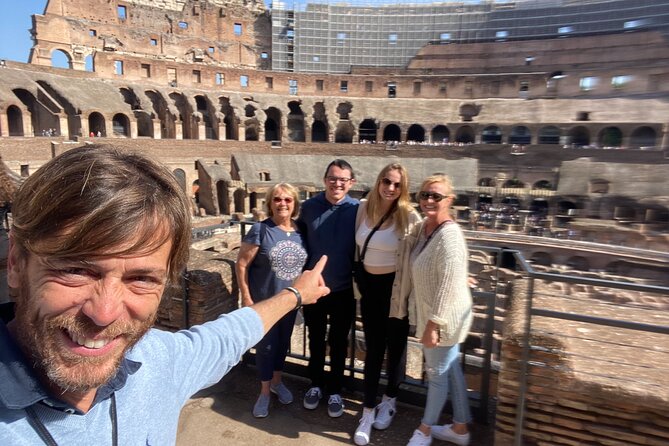
Finally, you walk around the Colosseum for about 1 hour. Admission is not included here as well. Even if you’ve seen photos before, being there changes your sense of scale. This is one of the main reasons to choose a private tour format: you get guidance on what to look for so you don’t just stare at the outside.
A private driver-guide can also help you plan your route around the area. With limited time, it matters where you focus your attention—upper lines, the structure’s footprint, and how to read what remains.
Price and value: what you’re paying for, and what you’ll add
The price listed is $781.03 per person, for roughly 14 hours. That’s a premium compared to group bus tours, and you should expect that premium to show up as less stress and more control.
Here’s what’s included:
- Hotel pickup and drop-off
- Transport by air-conditioned minivan
- Driver-guide live commentary
- Fuel surcharge
- Mobile ticket
- Group discounts (depending on how many people are in your party)
Here’s what’s not included:
- Lunch
- Tickets for monuments/attractions that require them
- An official tour guide
So the value math is simple. You’re paying for guided coordination, not for every entrance. If you’re the type who hates hunting down tickets and you want expert explanations as you go, the overall deal can feel fair. If you’re perfectly happy booking everything yourself, you may choose cheaper routes—but you’ll likely trade away some ease and clarity.
Also keep in mind which stops are ticketed in this plan: Catacombe di San Callisto, Pantheon, Trevi Fountain, and Colosseum are marked as not included for admission. Budget for those separately.
What this tour is best for
This experience is especially suited to:
- First-timers who want a high coverage day without DIY navigation
- People who value live commentary and prefer a private rhythm over crowd chaos
- Travelers who want help with practical choices like where to eat and where to find gelato
- Anyone who likes classic Rome sights plus at least a couple of “Rome beyond the postcard” stops, like Catacombs and the Appian Way
It can also work well for groups, since it’s private to your party. And since pickup happens from hotels in Rome and around, it’s easier to coordinate if you’re not staying right next to a major transit hub.
Should you book this private Rome in 2 days sightseeing tour?
If you want a Rome day that feels planned but not rigid, I’d say yes—especially if you’re willing to handle a few entrance tickets separately. The biggest strength is the combo of hotel transfers plus a private driver-guide who can explain what you’re seeing and help you pace the day.
Skip it only if you want a totally ticket-inclusive, everything-paid experience, or if a 14-hour itinerary will feel too long for you. The tour shines when you treat it like a full outing: comfortable shoes, water, and a mindset of seeing Rome in layers.
If your top priority is maximum time efficiency with a guide handling the “how,” this is one of the smarter ways to do it.
FAQ
How long is the private Rome full-day tour?
It’s listed at about 14 hours.
Do you pick up from my hotel?
Yes. Pickup and drop-off are included for hotels in Rome and around.
Is this tour private?
Yes. It’s a private tour/activity, so only your group participates.
Is lunch included?
No, lunch is not included.
Are monument tickets included?
Some are not included. Tickets are purchased separately for Catacombe di San Callisto, Pantheon, Trevi Fountain, and the Colosseum.
What language is the live commentary offered in?
The driver-guide commentary is offered in English.
Are tickets provided digitally?
Yes. The tour offers a mobile ticket.
About how far in advance is this commonly booked?
On average, it’s booked about 80 days in advance.