REVIEW · ROME
Renaissance Women of Caravaggio and the Borgia Family
Book on GetYourGuide →Operated by Storytelling Rome Tours & Walks · Bookable on GetYourGuide
History gets way better with gossip.
That is the core idea here: a story-driven walk about Renaissance women whose lives helped shape art by Caravaggio and Raphael, plus the political heat around the Borgia circle. I also like how the tour doesn’t treat women as background characters; it frames them as power players—smart, strategic, and hard to dismiss. One real thing to plan for: you’ll be entering churches, so dress code rules can affect whether you get in smoothly.
This is a 3-hour, English-language walking tour based in Rome’s city center, starting by Trajan’s Column near Piazza Venezia and finishing in Piazza Farnese. You’ll move through a chain of meaningful stops, including prominent churches and some 16th-century residential spaces, with the guide using art and location to connect the stories to what you see on the walls.
If you want a “read a timeline, take a photo, repeat” tour, this won’t be that. It’s sass-forward storytelling—still grounded in real places—but it’s designed to feel like you’re hearing Renaissance secrets in real time.
In This Review
- Key things I’d watch for on this tour
- From art to people: why this tour feels different in Rome
- The walk’s backbone: Trajan’s Column to Piazza Farnese
- How the guide connects the women to Caravaggio and Raphael
- Stop-by-stop: what you’ll likely see and why each place matters
- Piazza Venezia area: get your bearings before the stories take off
- Galleria Doria Pamphilj: art-world context in plain sight
- Santa Maria sopra Minerva: women in a sacred setting
- Sant’Agostino: where scandal and art energy collide
- Santa Maria della Pace: a quieter setting with big meaning
- 16th-century homes and still-standing “witness spaces”
- Campo de’ Fiori / the wrap-up stretch: time to breathe
- Price and value: is $44 a good deal?
- What to wear: the church dress code part you can’t ignore
- Who this tour suits best (and who might prefer something else)
- Quick practical tips before you go
- Should you book this tour?
- FAQ
- Where is the tour meeting point?
- How long is the tour?
- What does the tour cost?
- Is the tour offered in English?
- Does the tour enter churches?
- What is the church dress code requirement?
- Is the tour wheelchair accessible?
- Is a snack or drink included?
- What’s the end point of the tour?
Key things I’d watch for on this tour
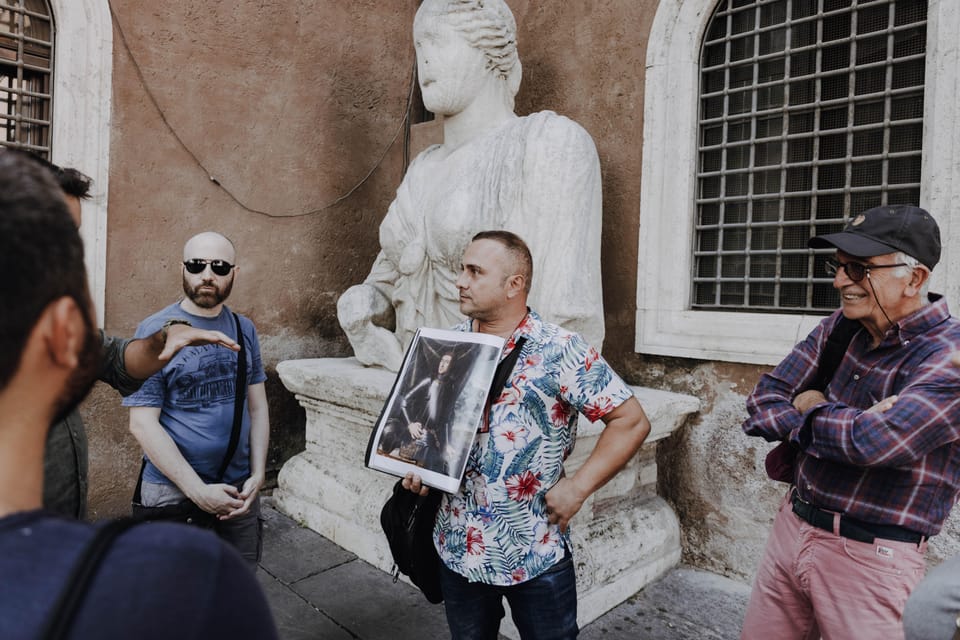
- Seven courtesans brought to life through the lens of Caravaggio and Raphael
- Borgia-family intrigue tied to power, reputation, and survival
- Church stops as part of the story, not random detours
- Rome-center route that keeps you moving from landmark to lesser-known sites
- A finale with time to linger, with Piazza Farnese as the payoff
From art to people: why this tour feels different in Rome
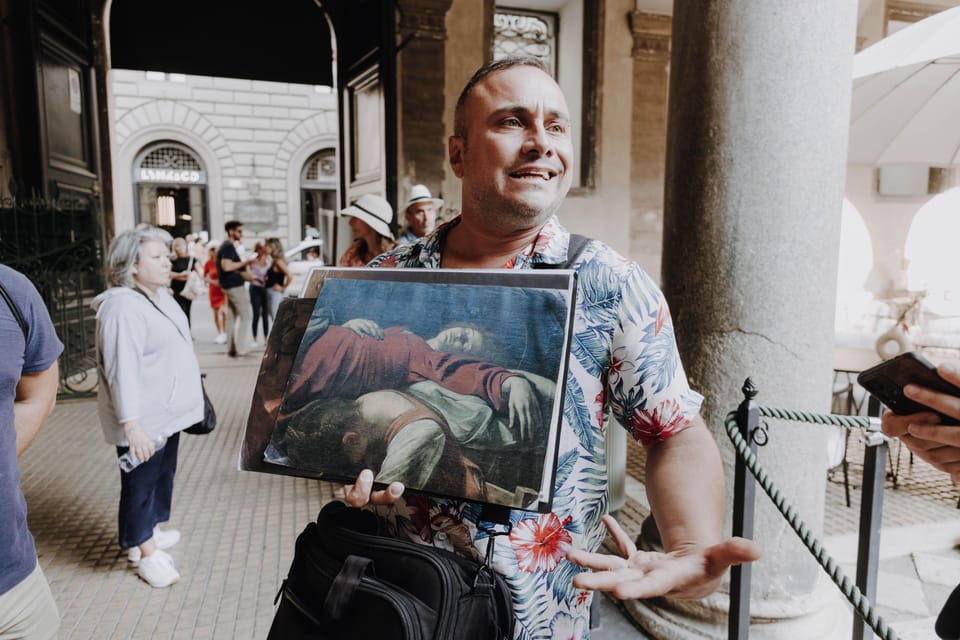
Most Rome tours hit the same beats: big buildings, famous men, and dates you’ll forget by dinner. This one flips the focus. You’re walking to see how Renaissance art connects to real women—women who were courtesans, muses, advisors, and political symbols all at once.
The payoff is that you start noticing details you’d otherwise ignore. A church interior stops being just architecture. A painting-related setting stops being a caption. The guide turns those locations into scenes: motives, negotiations, rumors, and the practical choices women had to make in a world that often wouldn’t educate them or protect them.
You can also tell the tone is intentional. The tour is built as a “story hour,” not a lecture. One review highlights the guide’s energy and humor, and you’ll feel that tone in how the walk is paced: the conversation is the engine.
You can also read our reviews of more tours and experiences in Rome.



The walk’s backbone: Trajan’s Column to Piazza Farnese
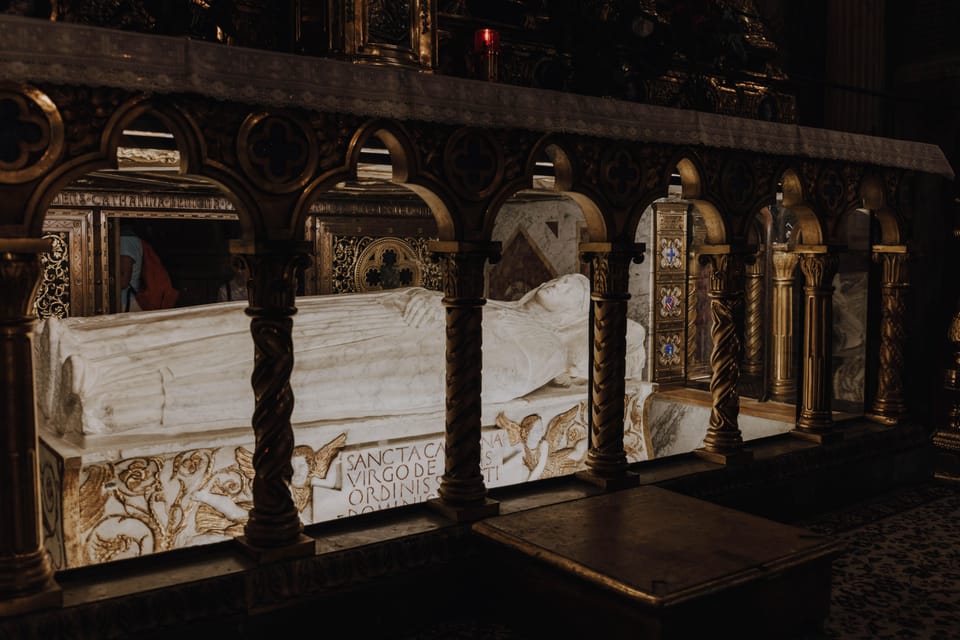
You meet by Trajan’s Column, adjacent to Piazza Venezia, with the guide holding a Renaissance Scarlet Ladies Tour sign. That is a nice practical start point. Piazza Venezia is easy to orient around, and it puts you in the middle of the historical grid fast, without long travel time.
From there, the route keeps you in Rome’s center, moving from major sights into smaller, more intimate settings. One of the included highlights is passing by the Galleria Doria Pamphilj, which helps you shift from “streets and churches” into the world of elite residences and collection spaces.
The tour ends in Piazza Farnese. That matters more than it sounds. At the end of a 3-hour walk, you want a place where you can slow down. Piazza Farnese gives you that option—coffee, aperitivo, or dinner—without having to instantly figure out your next transfer.
How the guide connects the women to Caravaggio and Raphael
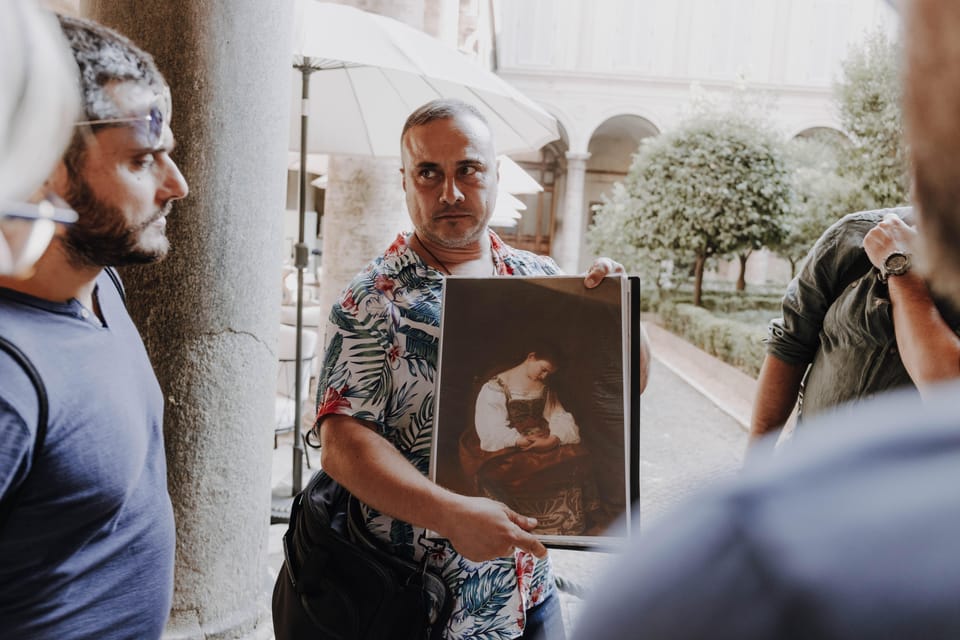
The central promise is women inspired by Caravaggio and Raphael. You’re not just hearing names. You’re hearing why those women mattered to artists and patrons, and how their reputations traveled through art.
Here’s what you’re likely to feel as you go: the stories make Renaissance images easier to read. When you learn the kind of woman behind a theme, you start noticing the signals the artist is using—clothing, posture, the social context, the power dynamic. Even if you’re not an art expert, this approach gives you a framework that sticks.
This is also why the Borgia angle works so well. The Borgia family enters the story as an engine of politics and influence—less like a textbook chapter, more like the real-world forces that could turn a rumor into leverage (or danger).
Stop-by-stop: what you’ll likely see and why each place matters
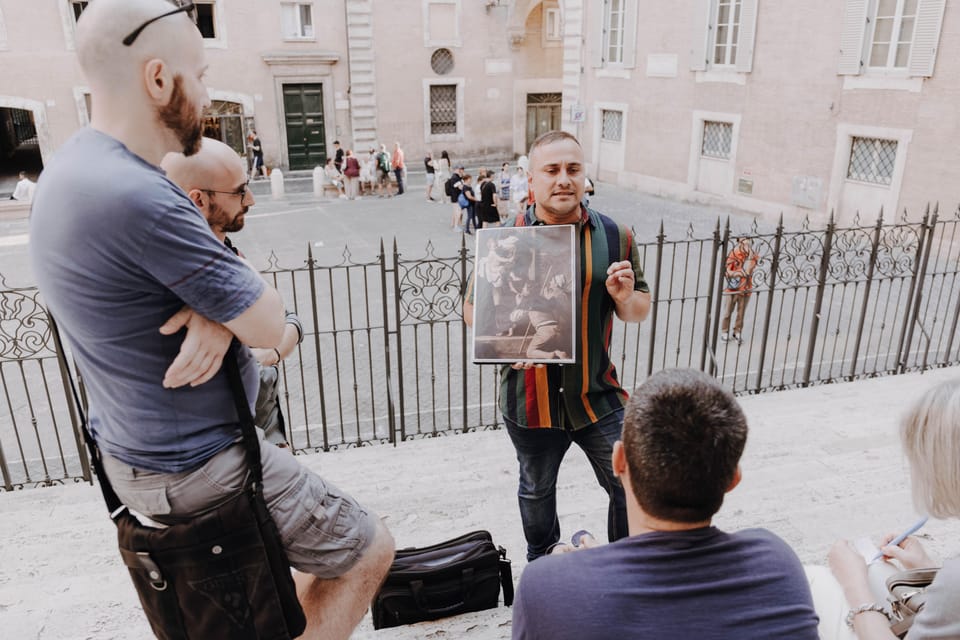
The itinerary is built around specific church visits plus city-center landmarks, with additional stops that include still-standing 16th-century homes. Those residential spaces are important because courtesan stories aren’t only about public art; they’re about private rooms, arrangements, and social access.
Piazza Venezia area: get your bearings before the stories take off
Starting near Trajan’s Column means you can anchor the walk in a major reference point right away. I like this because it reduces the mental load. You’re not trying to find the “first scene” while also absorbing names and relationships.
This early stretch sets the tone. The guide frames the women as active participants in their society, not just painted figures. That helps you understand what comes next when the tour shifts into church interiors and elite spaces.






Galleria Doria Pamphilj: art-world context in plain sight
Passing by Galleria Doria Pamphilj helps you connect two worlds: noble patronage and artistic production. Even if you don’t go inside, the presence of these collections and elite associations makes the whole “muse” idea feel more grounded.
This is a good moment in the tour to watch how power works. You’ll likely hear how reputations traveled—who could commission what, who benefited from which image, and why women at the center of attention had to think several steps ahead.
Santa Maria sopra Minerva: women in a sacred setting
Santa Maria sopra Minerva is one of the featured churches. And yes—you’ll enter churches on this tour, which leads to a key planning note: Italy’s church dress code is real. Covered shoulders matter, and shorts/skirts need to be within accepted limits.
In terms of story value, this stop is more than a pretty interior. It’s a chance to see the tension Rome held: worship and condemnation living side by side. The tour uses that contrast to explain why courtesans and political figures could appear in religious spaces as part of a broader social reality—sometimes through patronage, sometimes through legacy, and sometimes through the way society handled scandal.
Sant’Agostino: where scandal and art energy collide
Sant’Agostino is another key stop. For me, this kind of church visit is where a story-based tour proves itself. You’re not just walking into a room and moving on; the guide’s narrative helps you understand why a particular location would matter for the women you’re learning about.
This is also a strong stretch for art cross-connection. The tour is built around Renaissance imagery, so places linked to artistic life are where the paintings and stories start to click together.
Santa Maria della Pace: a quieter setting with big meaning
Santa Maria della Pace rounds out the trilogy of churches mentioned in the tour experience. Reviews also emphasize how much territory this covers in a single afternoon, which tells you the pace is packed—but still coherent.
A church stop like this tends to change your listening posture. It’s easier to pay attention when the space slows you down. The guide can spend more time on the “why” behind decisions—how women navigated limits, and how influence could be traded, protected, or lost.
16th-century homes and still-standing “witness spaces”
The tour includes some still-standing 16th-century homes. That’s a big deal for story tours. Streets can shift, churches can be restored, but a surviving residence gives your imagination something solid to sit on.
When a guide talks about forbidden love or political intrigue, a living space backdrop helps those ideas stop feeling like cinematic invention. You can almost visualize how meetings, negotiations, and reputation management might have played out in everyday architecture.
Campo de’ Fiori / the wrap-up stretch: time to breathe
The finish is in Piazza Farnese, and the walk is designed to leave you with room to enjoy the end of the afternoon. One reviewer specifically called the Campo de’ Fiori area a good place to reflect mid-finale, and that fits the feeling of a story-heavy tour: you need a few minutes to let it land.
Expect the guide to close out themes so you can carry them into your own exploration afterward—what to notice on your next museum visit, and which names you’ll want to look up again.
Price and value: is $44 a good deal?
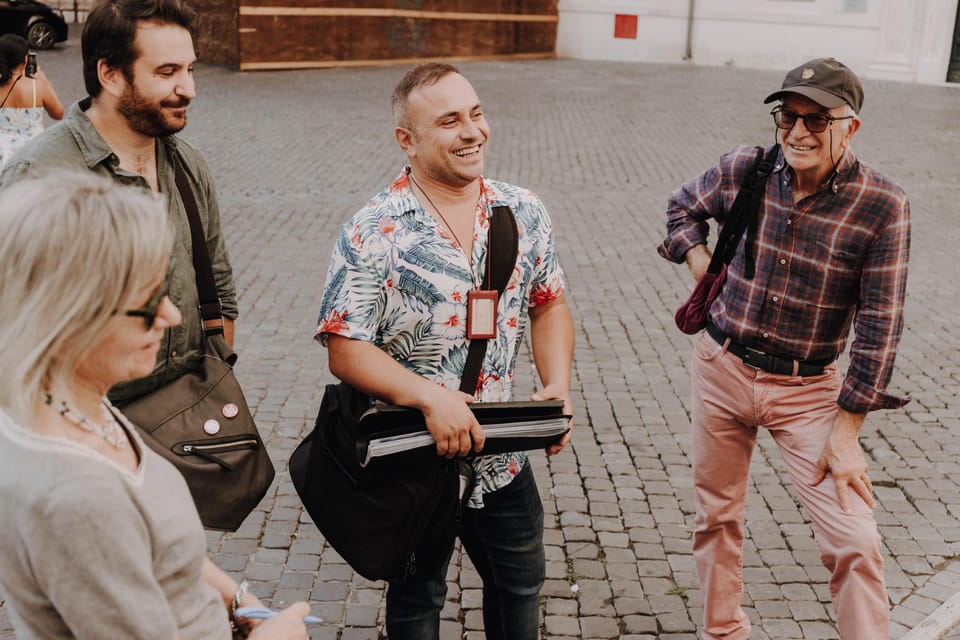
At $44 per person for a 3-hour guided walk, this price sits in the “solid value” zone for Rome. Here’s why: you’re paying for live storytelling plus a route that packs several key sites into a manageable timeframe.
A walking tour can also be a smarter spend than a museum day if you’re short on time or want context. Museums give you objects; this gives you relationships—who influenced whom, how reputation worked, and why Renaissance art produced certain kinds of images.
It also helps that the tour is positioned as uniquely women-focused across Italy, with the specific goal of bringing historical women forward through narrative. If you’ve done lots of standard history walks, this angle is the value.
That said, you should check your expectations. If you want a silent, architecture-only experience, you may find the tone a bit too sassy. This is a story tour first.
What to wear: the church dress code part you can’t ignore
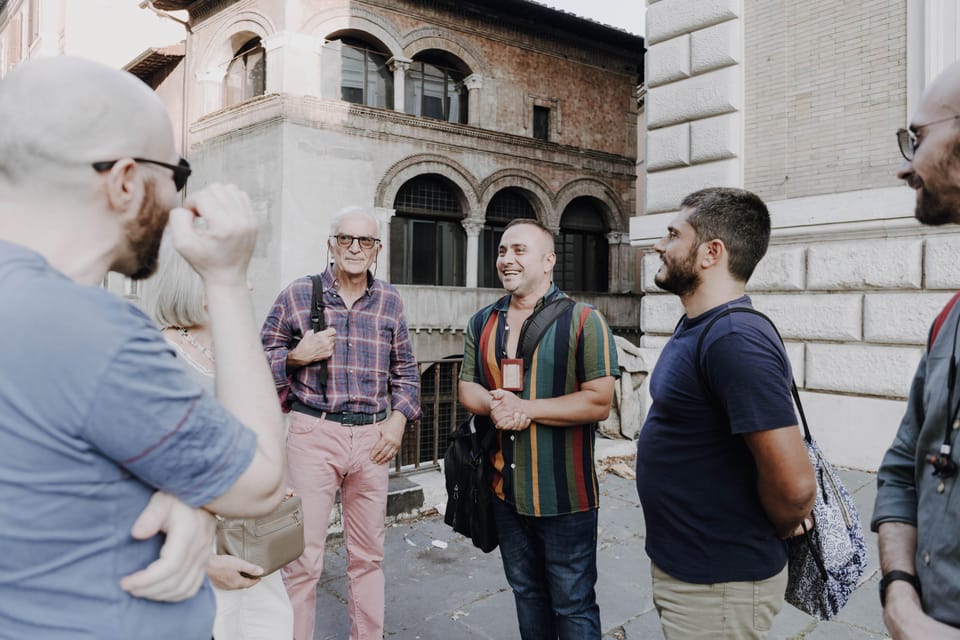
You’ll enter churches, and all churches in Italy require a dress code. The tour’s rules are clear:
- Short skirts and sleeveless shirts aren’t allowed.
- Shoulders need to be covered, including the deltoids.
- Short pants and skirts are allowed only if the end is just above the knee.
- Churches may refuse entry if you’re not dressed appropriately.
Practical advice: bring a light layer (a scarf, shawl, or thin cardigan) even if the morning starts warm. Rome weather can turn. Also, avoid last-minute outfit decisions right before the church stops. Your comfort matters because the walk runs about 3 hours with only the possibility of a short break halfway through.
Who this tour suits best (and who might prefer something else)
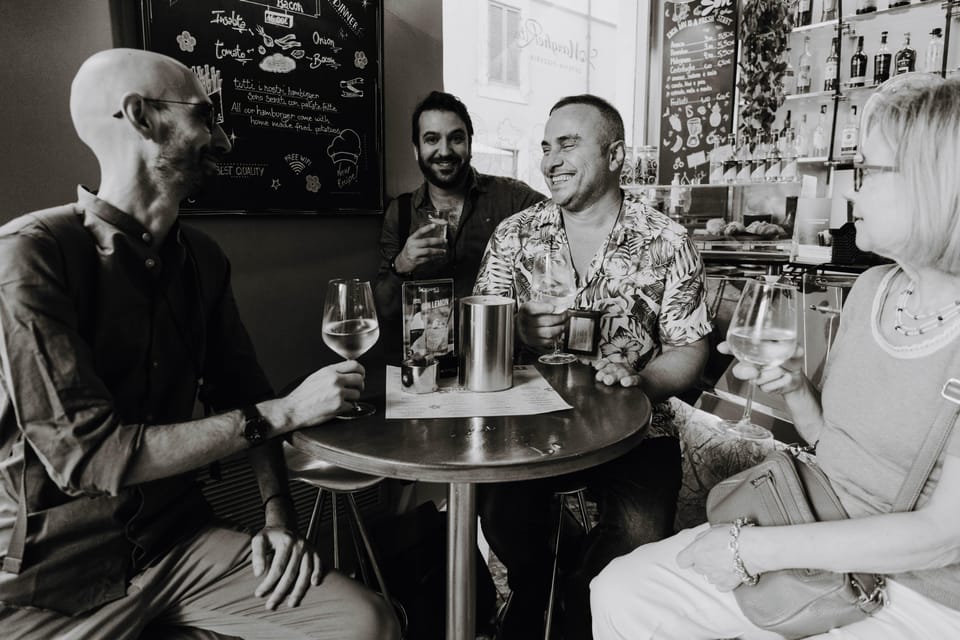
This fits you best if you want:
- A Rome walk with stories that connect art to real people
- Interest in Renaissance art, but not only in famous men
- An approachable way to learn social history—power, reputation, and survival
- A guide-led route that hits several central churches without wasting time
You might want a different tour if:
- You prefer strictly academic, low-humor presentations
- You dislike church interiors (or you don’t want to deal with dress rules)
- You’re looking for a quiet photo scavenger hunt
Quick practical tips before you go
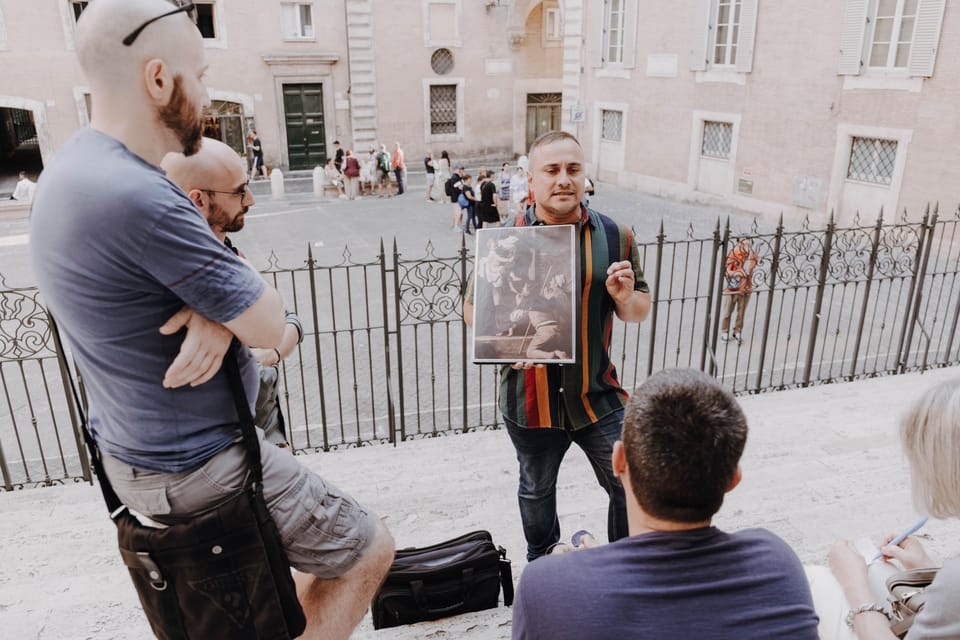
- Wear shoes you can walk in for 3 hours. You’re moving through multiple neighborhoods by foot.
- Bring something light for your shoulders. It can save you at the church doors.
- Plan for time to buy your own snack or beverage if you want one; the tour doesn’t include it, though there can be opportunities along the route.
- English language tour. If you’re traveling with limited English, this might not be your best option.
Should you book this tour?
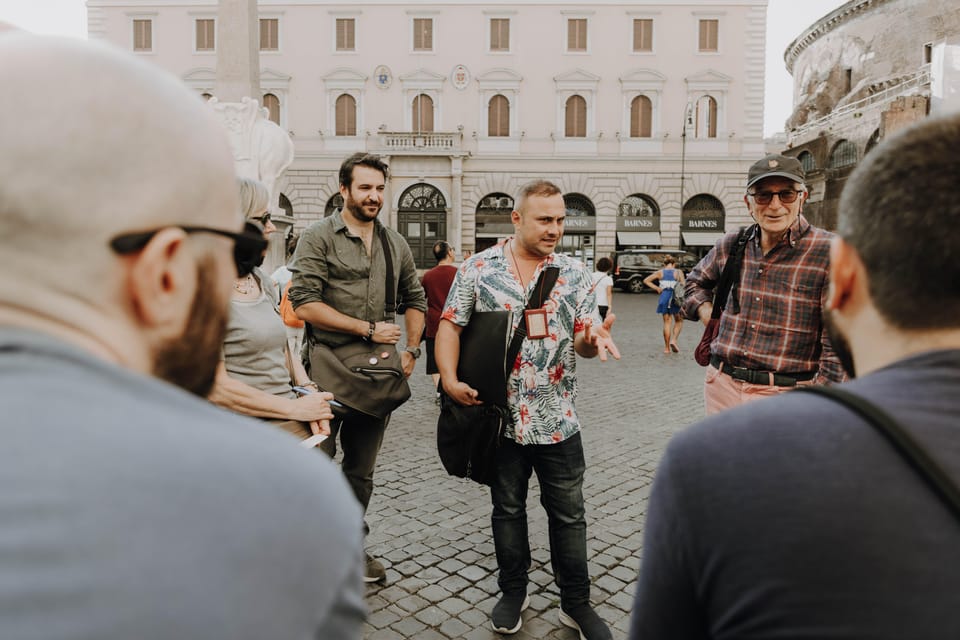
If you like Rome best when it feels like a living story, I think you’ll enjoy this. You’re paying for a focused theme—women connected to Caravaggio and Raphael—with a route that includes churches and real surviving residential backdrops. It’s also a good value for a single afternoon, especially if you want context without committing to a full museum day.
Book it if you’re open to witty, slightly scandal-leaning storytelling and you’re ready for church dress code rules. Skip it if you want a traditional lecture tone or you’d rather avoid church interiors. If you match the vibe, this is exactly the kind of tour that makes Renaissance Rome feel close enough to argue with.
FAQ
Where is the tour meeting point?
The meeting point is next to Trajan’s Column, adjacent to Piazza Venezia. The guide will be standing by the column holding a Renaissance Scarlet Ladies Tour sign.
How long is the tour?
The tour lasts 3 hours.
What does the tour cost?
The price listed is $44 per person.
Is the tour offered in English?
Yes, the tour is guided in English.
Does the tour enter churches?
Yes. You will enter churches during the tour.
What is the church dress code requirement?
You need covered shoulders (including deltoids). Short skirts and sleeveless shirts are not allowed. Short pants or skirts are only acceptable if they end just above the knee, and churches can refuse entry if dressed inappropriately.
Is the tour wheelchair accessible?
Yes, the tour is wheelchair accessible.
Is a snack or drink included?
No. You can buy a snack or beverage at your own expense.
What’s the end point of the tour?
The tour ends in Piazza Farnese, where you can continue on for a glass of wine or dinner.