REVIEW · ROME
From Rome: Pompeii and Herculaneum Tour w/ High-speed Train
Book on GetYourGuide →Operated by ItaliaTours · Bookable on GetYourGuide
Two ancient cities, one stress-free day. I like that this tour strings together the high-speed train from Rome to Naples with skip-the-line tickets, so you don’t waste your day at ticket counters. It also leans on a real guide for the walking parts, which matters a lot when you’re trying to spot what’s important across huge archaeological sites.
I also like the food angle. You get Neapolitan pizza in a pizzeria set in a former rail-station space, and lunch is included in an air-conditioned venue between Pompeii and Herculaneum.
The main drawback is simple: it’s a long, active day. You’ll cover lots of ground on uneven surfaces, with plenty of walking and steps, so it’s not the choice if you want a slow stroll or have low fitness.
In This Review
- Key Things That Make This Tour Worth Your Time
- Starting at Termini and Riding to Naples Without the Headache
- Pompeii on a Guided Walk: Cobblestone Streets and the Right Highlights
- Neapolitan Pizza in a Former Rail Station Stop
- Herculaneum (Ercolano): Ash, Mud, and Why It Looks So Different
- The Real Value: Coordinated Timing Between Two Big Sites
- Comfort, Walking, and Practical Tips for This Kind of Day
- Who This Tour Fits Best (And Who Should Skip It)
- Should You Book This Rome to Pompeii and Herculaneum Tour?
- FAQ
- Is the Rome to Naples train roundtrip included?
- How long is the whole tour?
- Where do I meet the tour in Rome?
- Is there a guided visit at both archaeological sites?
- Is lunch included?
- Does this tour have skip-the-line entry tickets?
- Is it wheelchair accessible?
Key Things That Make This Tour Worth Your Time
- Skip-the-line entry for both Pompeii and Herculaneum means more time inside, less time waiting.
- Guides with local roots, like Antonio (from Pompeii) or Chiara (archaeology), can explain what you’re seeing in plain language.
- High-speed train logistics handled end-to-end, including getting you onto the right train back.
- Pompeii + Herculaneum in one day shows how two “Vesuvius-area” cities ended up so differently.
- Neapolitan pizza stop in a historic rail-station pizzeria breaks up the ruins with real local food.
- Smaller, better-preserved Herculaneum often feels more intimate than Pompeii, with mosaics and even surviving wood details that guides can point out.
Starting at Termini and Riding to Naples Without the Headache
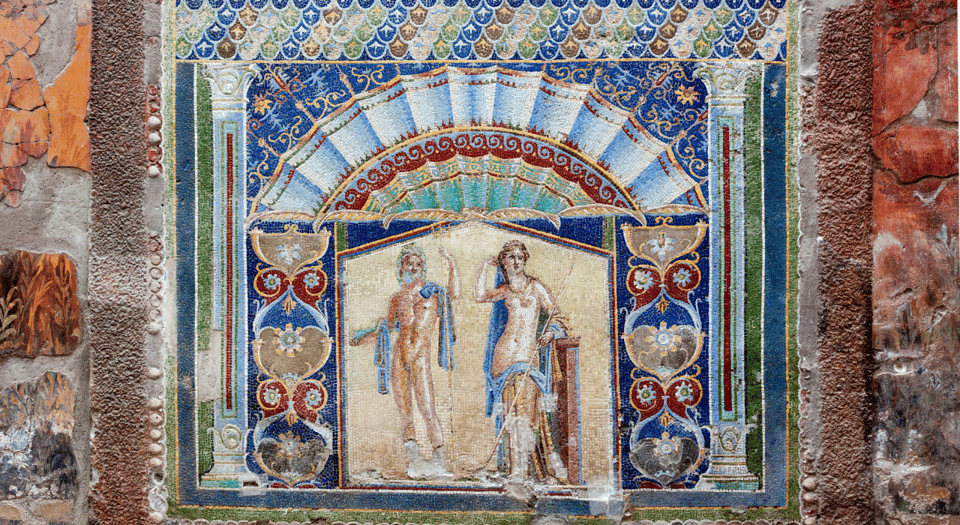
This is built for people who want the Pompeii-and-Herculaneum highlights without turning your day into a logistics puzzle.
You meet at Caffè Vergnano inside Rome Termini Station, on the departures level. Go in through the main terminal (there are multiple entrances), then head to the shopping area facing track #1. An ItaliaTours representative holding an ItaliaTours sign will be there to help you get oriented.
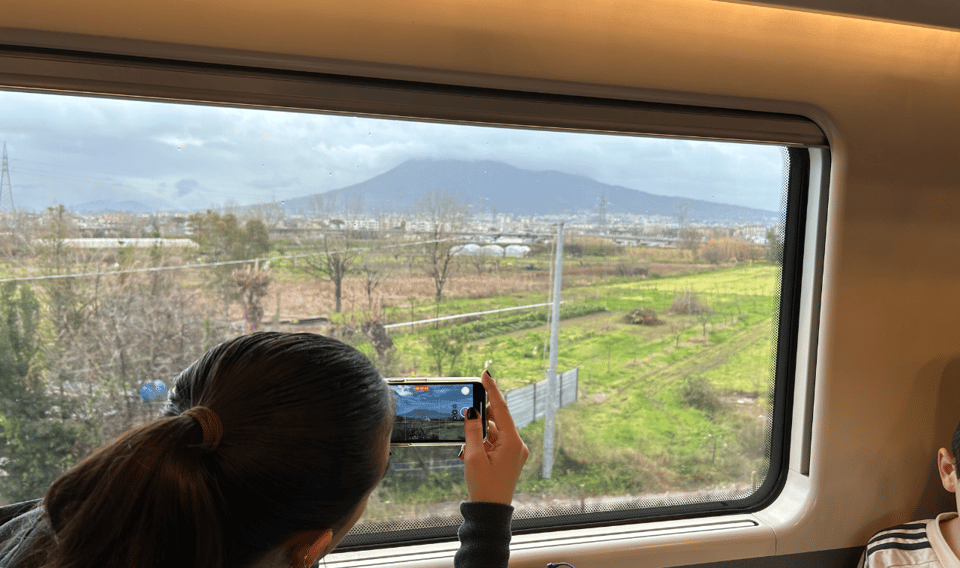
From there, you take the roundtrip high-speed train between Rome and Naples. The ride is about 70 minutes each way, which is fast enough that the day still feels like it belongs to you, not to transport delays. Once in Naples, you’ll meet the guide and get set up for the next leg by coach.
One nice perk of doing it this way: you’re not left guessing which platform to use or how to time everything. Several guides on this kind of tour are careful about getting the group onto the correct train back, and that reduces the stress that can come with independent travel.
You can also read our reviews of more tours and experiences in Rome.



Pompeii on a Guided Walk: Cobblestone Streets and the Right Highlights
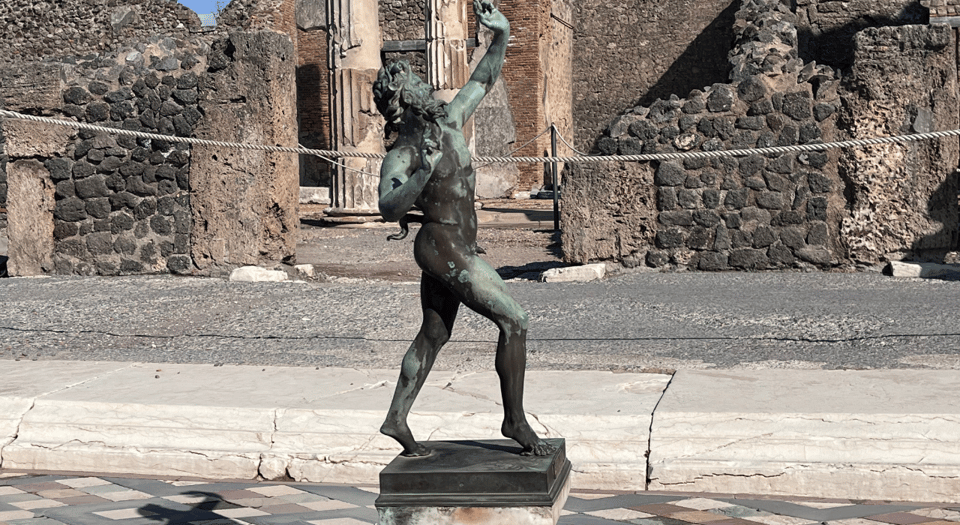
Pompeii is huge, and left to your own devices you can end up bouncing between sights that look similar. With a guided route, you get structure: you walk through the city’s daily-life zones and you learn how to read the buildings.
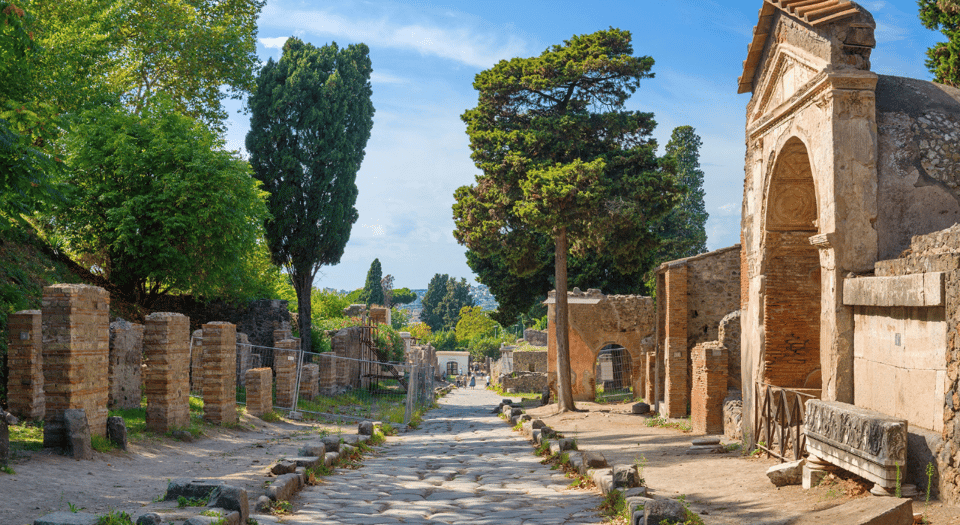
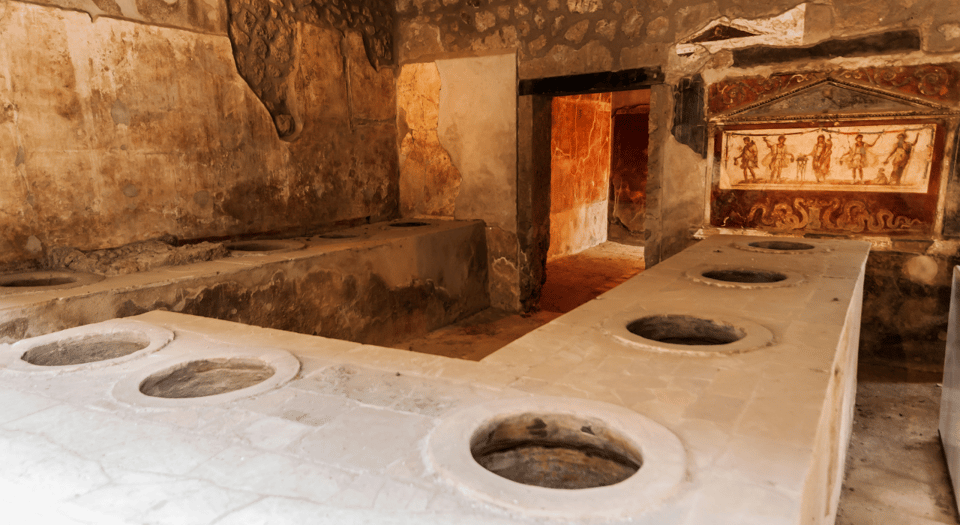
You’ll spend about 2.5 hours on a guided tour in the Pompeii Archaeological Site, which includes well-known streets and the kinds of spaces that make Pompeii feel real: bakeries, shops, residences, public baths, and even brothels. The ground itself helps the story. The ancient lanes are cobbled and uneven, so the walking feels like part of the experience, not just transit between stops.
Here’s what Pompeii does best: it shows a city at street level. You can stand where people sold goods. You can see how buildings were arranged. And you can connect the physical leftovers to Roman routines.
That said, Pompeii is so popular that you should expect crowds in some zones. This tour keeps you moving as a group, and the pace is efficient. The flip side is that you may not see every “single famous mosaic” moment if it isn’t on the guided path.
Neapolitan Pizza in a Former Rail Station Stop
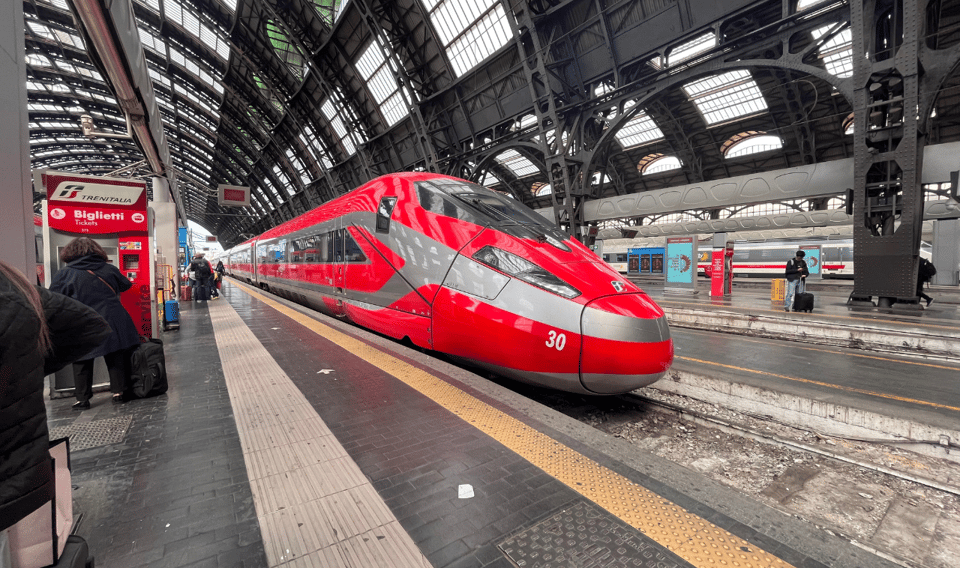
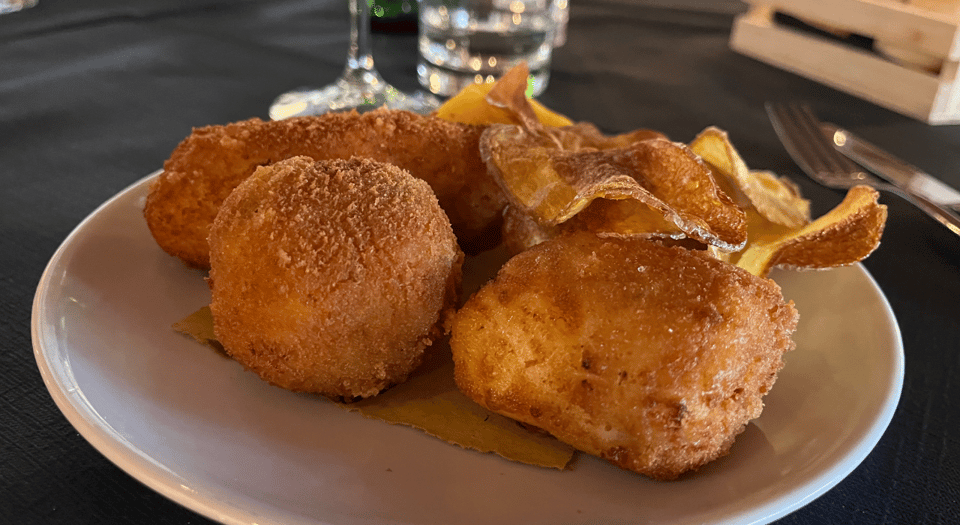
Between the ruins, you get a proper food break in Naples style. The pizza stop is a standout because it’s not just another generic restaurant: the pizzeria is in a space that used to be an antique rail station.
What I like about this kind of lunch is that it’s local without being fancy. You’re in Campania for the Roman story, but you’re also in Naples for real taste. This pizza stop turns the day from history-only into a more balanced experience.
Also, lunch here is included, and multiple guides on this tour are known for making sure the group sits down comfortably rather than grabbing a quick snack on the move. Some versions of the included meal are described as a multi-course lunch experience, not just pizza and a beverage.
One small caution: if you’re sensitive to tip prompts at the table, keep an eye on how the restaurant handles payment. In rare cases, staff can bring the discussion into the middle of the meal. Most of the time it’s just normal service, but it’s worth knowing this is possible.
Herculaneum (Ercolano): Ash, Mud, and Why It Looks So Different
After Pompeii, you transfer by coach for the next site. The jump is short enough that the morning momentum stays intact.
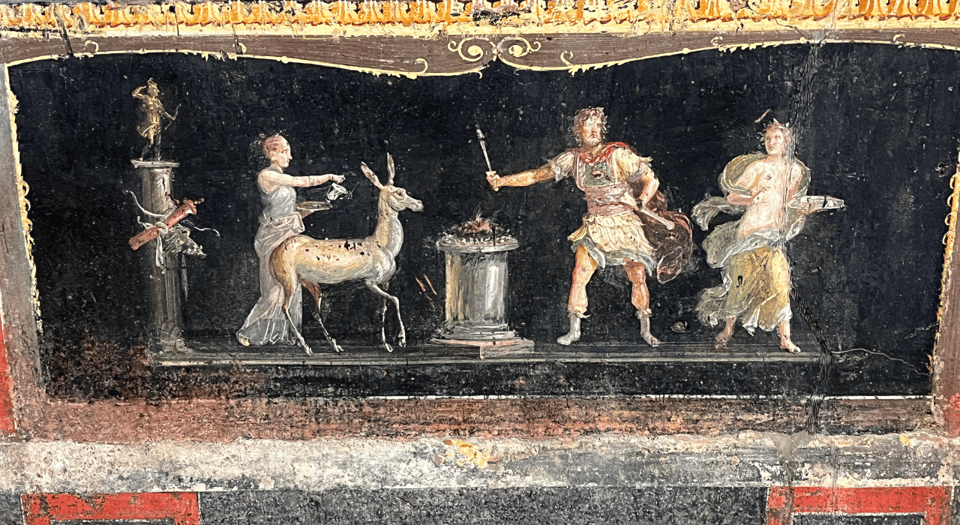
Then you get to Herculaneum, also associated with the modern area called Ercolano. This is where you’ll really feel the difference between the two cities. Pompeii was buried by ash; Herculaneum was buried under a mixture of ash and mud, which hardened and protected many structures over time.
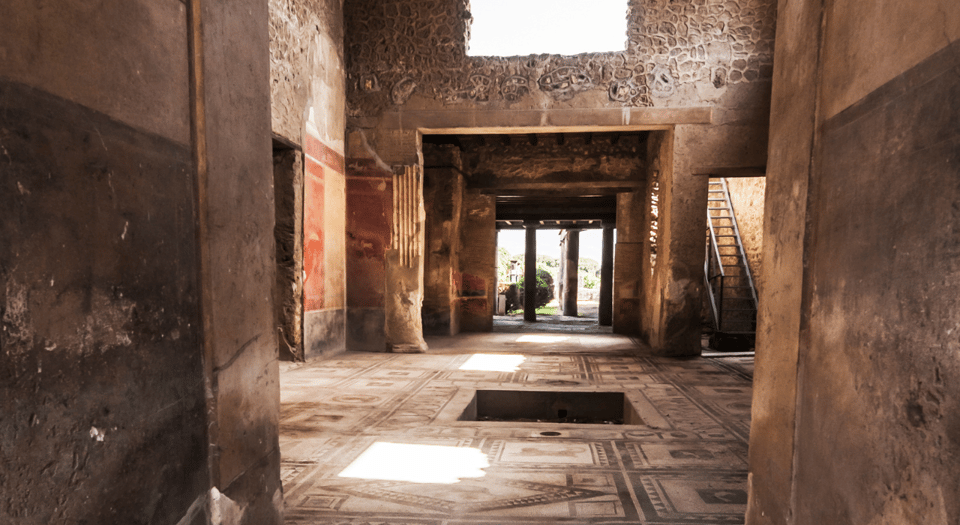
The guided portion runs about 1.5 hours, and that time can feel just right. Herculaneum is smaller than Pompeii, so the streets and building interiors can be more digestible in a single day. Where Pompeii can feel like a grand walk through layers of streets and forums, Herculaneum often feels more like stepping into rooms.
You’ll walk in the footsteps of Romans who once lived there, and your guide should help you understand what you’re seeing and why it survived. Mosaics are a common highlight, and there are also details that can include surviving wooden features in certain houses (not every visitor notes these, but a strong guide will point them out when you’re in the right spot).
The big “gotcha” here is timing. Some visitors find Herculaneum could use more time, because it’s so well preserved that it’s easy to want to slow down. If you’re the type who loves lingering over small visual details, you might wish this stop ran longer.
The Real Value: Coordinated Timing Between Two Big Sites
Let’s talk about the rhythm of the day, because this is the part that makes or breaks a day trip.
You’ll be on the move most of the time:
- Rome to Naples by high-speed train
- Naples pickup and coach transfer
- Pompeii guided walking tour
- Included lunch
- Coach transfer to Herculaneum
- Herculaneum guided walk
- Return to Naples and back by train to Rome
That structure is exactly why the tour can feel good value. For $201.75 per person, you’re paying for the convenience package: roundtrip rail, air-conditioned coach transfers, guide support, skip-the-line entry, and lunch. If you tried to build this yourself, you’d likely spend your time managing ticket timing, entry queues, and travel coordination, and those tasks can eat hours fast.
Also, you’re not just buying the ruins. You’re buying someone else handling the “get from point A to point B” parts, including making sure your group gets onto the correct train back.
Still, you should go in with eyes open: this is not a flexible day. It’s designed for one-day coverage of both sites, which means the pace is efficient rather than leisurely.



Comfort, Walking, and Practical Tips for This Kind of Day
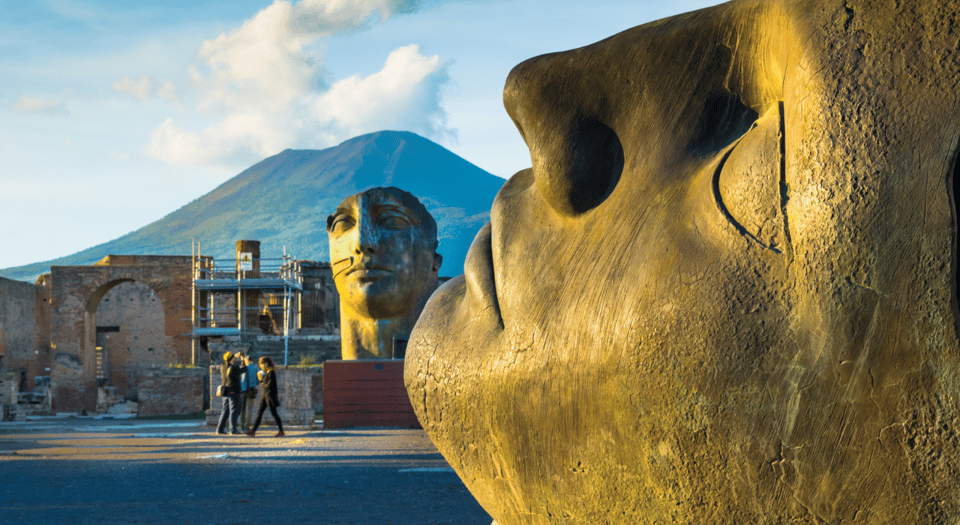
This tour involves a lot of walking. It’s not just long distance; it’s uneven ground and a setting full of steps and minor obstacles. The tour also isn’t suitable for wheelchair users and isn’t a good fit if you have low level of fitness.
If you book anyway, plan for your feet and your water intake. Wear supportive shoes with good traction and bring a small day bag. A hat and sunglasses help, because Pompeii and Herculaneum can mean long sun exposure with limited shade in some areas.
One more practical note: Roman ruins are not flat museums. Even when the path looks straightforward, cobblestones and uneven surfaces change how you walk. This is why the guided route helps—you follow a planned flow rather than constantly stopping to reorient.
Who This Tour Fits Best (And Who Should Skip It)
This day trip is a great match if you want:
- A structured, guided Pompeii and Herculaneum combo
- Less hassle than doing the routes on your own
- Skip-the-line access so you can spend time in the archaeology instead of waiting
- Included lunch with a Naples food stop
It’s also ideal if you’re the kind of visitor who learns best with a guide pointing out what matters. Many guides associated with this tour are described as locals or people with strong ties to the region. For example, Antonio is described as having grown up in Pompeii, and Chiara is described as having an archaeology background. That kind of expertise tends to make the buildings feel less like random stone piles and more like a lived-in city.
If you’re the opposite type—someone who wants to roam freely for hours and chase every detail at your own pace—this may feel a bit rushed. Some highlights might fall outside your time window, and you might not reach every optional “famous photo moment.”
Should You Book This Rome to Pompeii and Herculaneum Tour?
If your goal is to see both Pompeii and Herculaneum in one day with guided interpretation, skip-the-line entry, and a comfortable high-speed train connection, I think this is a smart buy. The price lands in a reasonable range for what’s included, especially compared with the time cost of building a similar plan yourself.
Book it if you’re okay with a long day and you’re willing to walk on uneven ground. You’ll get a clear storyline through the sites and a real break for lunch in Naples style.
Skip it if you need a slow pace, have limited mobility, or want to spend extra time in every single corner. In that case, you might enjoy a more leisurely itinerary that allows longer stays and fewer transfers.
FAQ
Is the Rome to Naples train roundtrip included?
Yes. The tour includes roundtrip high-speed train between Rome and Naples.
How long is the whole tour?
It runs about 11 hours.
Where do I meet the tour in Rome?
Meet at Caffè Vergnano inside Termini Station on the departures level, in the shopping area facing track #1. Look for an ItaliaTours representative holding a sign.
Is there a guided visit at both archaeological sites?
Yes. You’ll have a guide at Pompeii and at Herculaneum.
Is lunch included?
Yes. Lunch is included.
Does this tour have skip-the-line entry tickets?
Yes. Skip-the-line entry tickets are included for Pompeii and Herculaneum.
Is it wheelchair accessible?
No. The tour is not suitable for wheelchair users and isn’t recommended for people with low-level fitness.