REVIEW · ROME
German Golfcart Tour
Book on Viator →Operated by Deutsche Römerin · Bookable on Viator
Rome hits different from a golf cart. This small-group Rome highlights tour pairs a German-licensed guide with English narration and quick stops for favorites like gelato and coffee, all in about 3 hours.
I like that it keeps things efficient without feeling rushed, and you’ll hop through central Rome’s lanes instead of fighting for position in every crowd. You’ll also get the famous sights in a tight loop: Aventine views, Pantheon, Trevi Fountain, Spanish Steps, and Piazza Navona.
I love the Aventine Hill viewpoint, because you get that wide Rome panorama without needing a long climb. I also love that communication is set up to work: if the group edges above 6 people, you get headsets so the guide stays easy to hear.
One possible drawback: many of the major stops are outside-only, so if you’re dreaming of going in places during this window, plan a separate ticketed visit.
In This Review
- Key highlights at a glance
- Small-Group German Golfcart Tour: the real advantage in Rome
- Where You Meet: Via Claudia, 14 and the “get rolling fast” feeling
- The Colosseum viewpoint start: getting your bearings from outside
- Aventine Hill at Turo Aventi: Rome’s best kind of pause
- Piazza Venezia: fast route through alleys, then a monument moment
- Pantheon from the outside: the quick classic that still hits
- Trevi Fountain time: coins, photos, and a smart 30-minute rhythm
- Spanish Steps and Trinita del Monti: the view that changes how you see the area
- Piazza Navona and the Four Rivers fountain story
- How the guided stories change your day (names matter)
- What’s included (and what isn’t): build your plan around the reality
- Price and value: is $156.07 worth it?
- Best for: first-timers, time-crunched days, and anyone who hates chaos
- Weather and comfort: plan like Rome is Rome
- Should you book the German Golfcart Tour?
- FAQ
- How long is the German Golfcart Tour?
- Where does the tour start?
- Where does the tour end?
- Is the tour offered in English?
- How large is the group?
- What happens if the group is larger than 6 people?
- Are the main sights visited inside or outside?
- Does the tour include food and drinks?
- Does the tour operate in bad weather?
- Are service animals allowed?
Key highlights at a glance
- Max 7 people keeps the vibe calmer and questions easier to ask
- Headsets kick in for larger groups so you don’t miss the story
- Aventine Hill viewpoint plus quick photo time for big-sky Rome
- Classics in one loop: Pantheon area, Trevi, Spanish Steps, Piazza Navona
- Gelato and coffee stops help the pace feel like a stroll, not a sprint
Small-Group German Golfcart Tour: the real advantage in Rome
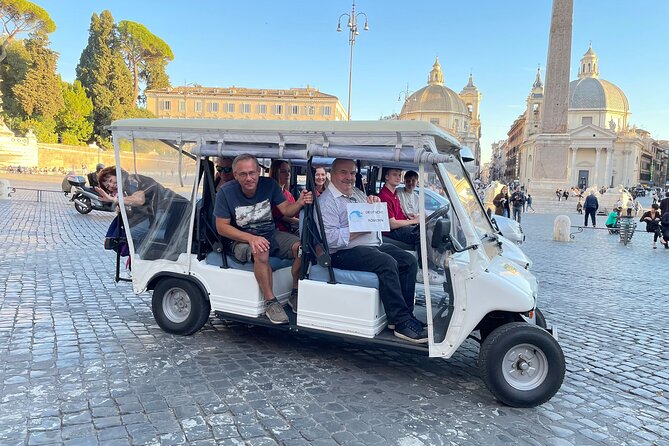
Rome can be a lot. Not because the sights aren’t great, but because timing and movement are hard: buses, pedestrians, scooters, and those “everyone wants the same photo” moments. This tour solves a big chunk of that with a simple formula: short ride segments + smart stop time.
The group limit (up to 7) matters more than it sounds. With fewer people, you spend less time waiting at corners, and the guide can adjust on the fly if someone needs a slow-down for photos or a restroom break. You still get the classic sights, just without the long, grinding stretches that can drain energy fast.
The other practical win is that it’s built for listening. If the group runs above 6, you get headsets so you can follow the guide clearly. That may sound like a small technical detail, but in Rome, with all the street noise, it can be the difference between enjoying the stories and only catching pieces.
You can also read our reviews of more tours and experiences in Rome.



Where You Meet: Via Claudia, 14 and the “get rolling fast” feeling
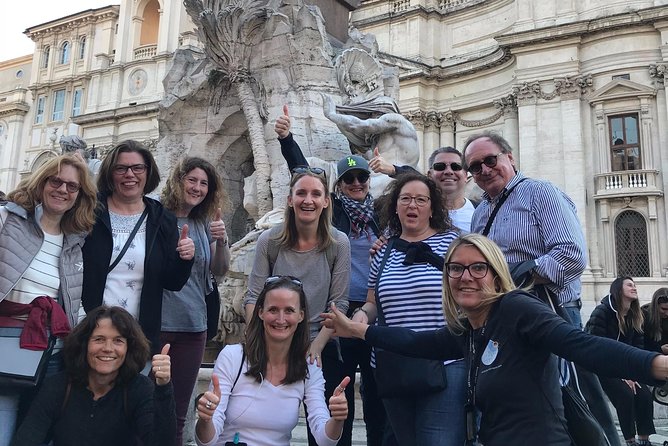
Your tour starts at Via Claudia, 14, 00184 Roma RM, and it ends back at the same meeting point. That “back to the start” setup is useful if you have dinner plans afterward or need to reconnect with the rest of your day without figuring out a new meeting location.
The meeting point being near public transportation helps too. Rome is easier when you’re not dependent on one slow route. You can take the tram/metro/bus options to the start, jump on the cart, and then roll into the sights while the city is still moving at human speed.
You’ll also want to dress for weather. The tour operates in all weather conditions, so bring layers even when the forecast looks fine. Rome rain can be short and intense, and a cart ride doesn’t stop you from getting damp if you forget a light jacket.
The Colosseum viewpoint start: getting your bearings from outside
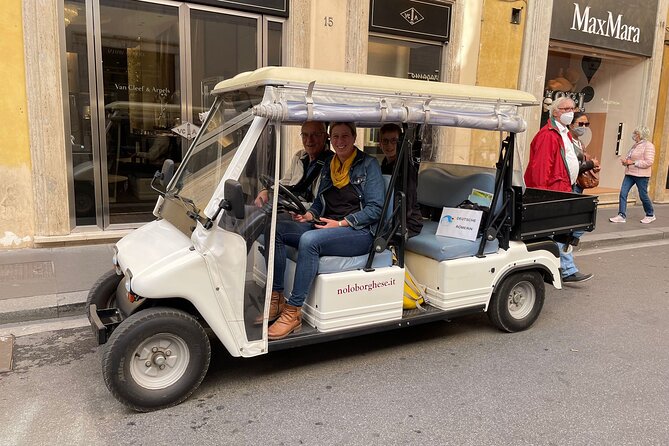
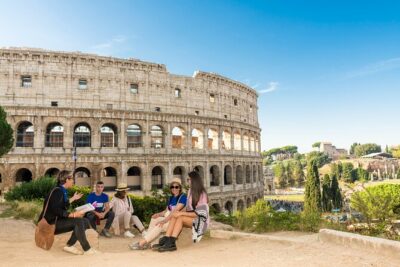
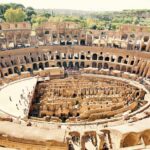
The first stop is Amire the Colosseo from outside (your chance to see the Colosseum area without committing to the full ticket-and-crowds day). This is a good warm-up. You get an instant sense of scale—Rome’s size, not just its famous landmarks.
Why I like this approach: it sets the mental map early. Even if you’re already familiar with the Colosseum from photos, seeing it from a nearby vantage helps the rest of the route make sense. And because it’s outside, it avoids turning the morning into a timed-entry puzzle.
Aventine Hill at Turo Aventi: Rome’s best kind of pause
Your stop at Turo Aventi is built around the view. You’ll spend about 30 minutes here, and the point isn’t to rush; it’s to look. Aventine Hill is one of those Rome areas that feels slightly calmer and more open than the densest tourist corridors.
This stop is where the golfcart really earns its keep. You get a big viewpoint without having to spend time hauling yourself uphill and through slower walking routes. The time window is short enough that the day stays energetic, but long enough that you can take photos, breathe, and actually notice the city spread out below.
One neat bonus: some guides add extra moments around this area. In past experiences with this operator’s guides, I’ve heard of things like live music surprises in nearby gardens and extra small photo spots. You can’t count on any single detour every time, but it’s a sign that the guiding style often looks beyond checklists.
Piazza Venezia: fast route through alleys, then a monument moment
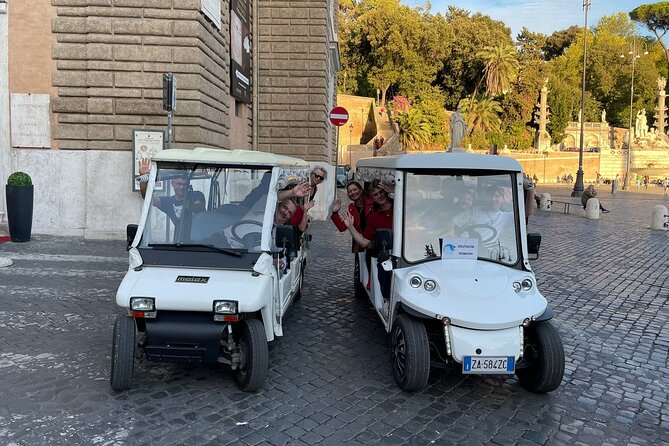
From the Aventine area, the tour heads toward Piazza Venezia. You’ll be there for about 30 minutes and it’s another outside stop where the time is clearly for viewpoints and orientation.
Piazza Venezia is useful because it helps connect the dots between Rome’s layers: ancient references, monumental scale, and the modern street grid wrapping around it. You’ll also move through small alleys on the way, which is exactly where a cart tour helps. Walking is great when you want to wander, but when you want to see multiple highlights in a few hours, alleys on a cart keep you from losing the day to foot traffic.
Practical tip: this is a good place to reset your expectations. If you’re the type who wants slow museum-level explanations, this tour is shorter by design. If you want a strong overview with clear stories, this pacing works.



Pantheon from the outside: the quick classic that still hits
The stop at Pantheon is about 15 minutes and it’s from the outside. That brief window can feel small if you’re thinking about an interior visit—but as an overview stop, it works.
Here’s why: Pantheon is a “surface experience” sight even when you’re only outside. The building’s presence, the symmetry, the flow of people around it—Rome’s magic is immediate. In a 3-hour highlights format, the outside approach lets you keep moving to the next major landmark without losing your whole afternoon to lines.
If you want to go inside the Pantheon, you’ll need to add a separate visit with an entry ticket. This tour gives you the landmark impact first, then moves you on.
Trevi Fountain time: coins, photos, and a smart 30-minute rhythm
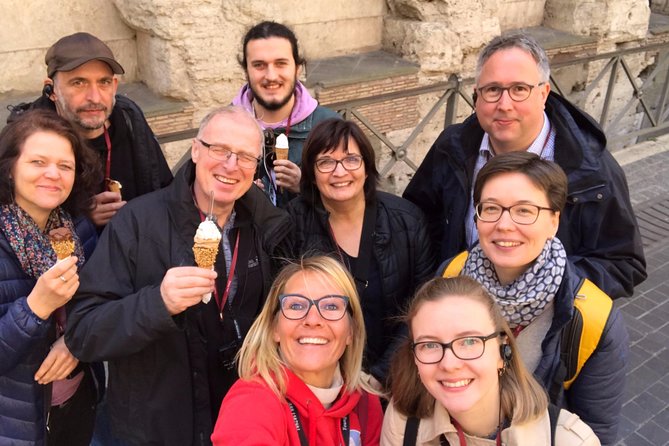
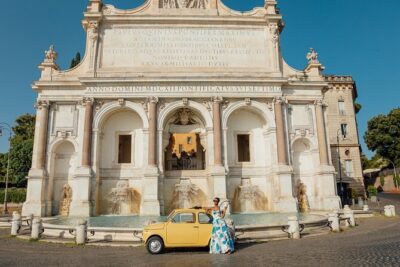
Trevi Fountain is a 30-minute stop, and yes, you’ll have time to throw your coin and make memories. Even if you’ve seen it in photos a hundred times, Trevi is one of those places where the real scene feels fuller than the image.
What to expect: this is a photo-friendly pause, and the guide will typically frame what you’re seeing so it’s not just pose-time. You can also use this moment to do a quick energy reset—especially since the tour includes tasty breaks like gelato and coffee during the overall route.
One consideration: Trevi gets crowded. The cart route helps you get close and move through, but during your stop, you’ll still be surrounded by plenty of people. If you hate crowd crush, go into it knowing the stop is short and your time is designed for photos and story, not long sitting.
Spanish Steps and Trinita del Monti: the view that changes how you see the area
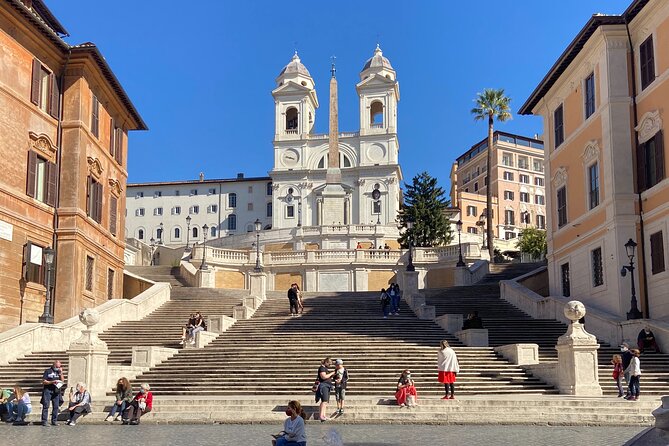
At the Spanish Steps, you’ll spend about 20 minutes. The focus here is the view from the church Trinita del Monti and the guide’s explanation of how the Spanish Steps got their name—plus why people often get the story wrong.
This is one of the most useful stops for first-timers. You’ll see how the area fits together: the stairs as a centerpiece, the church viewpoint as the “why this matters” perspective, and Rome’s layout that makes the sight feel like a stage set.
If you’re short on time and you want the geography to click, this is where it happens. The 20 minutes are tight, but it’s enough to get the view, take a few photos, and understand the naming story without turning it into a long detour.
Piazza Navona and the Four Rivers fountain story
Piazza Navona is about 30 minutes, and it’s centered on the fountain of the Four Rivers. This stop is a great example of why a guided highlights tour works. You’re not just staring at water and stone—you’re learning what the fountain symbolizes and why this square became such a focal point.
Navona is also one of those places where Rome feels alive in an easy, street-level way. You can look around, watch what people are doing, and still stay on schedule. If Trevi is all about spectacle, Navona is more about atmosphere, and your time here tends to feel less “one-and-done” and more like a genuine break.
How the guided stories change your day (names matter)
A big part of why this tour gets such a high recommendation rate is the guide quality. The operator uses German-licensed guides, and I’ve seen multiple names tied to excellent experiences, including Niels, Max, Donald, Julia, Annett, Marie, and Mira.
The style you’ll want to look for is practical and story-driven. Guides tend to connect what you see to how Rome works today, not just how it worked centuries ago. One reason this matters: Rome is complex. When the guide gives you a simple way to understand the city’s layers, everything you see afterward starts to make more sense.
Also, many of the stronger experiences include little “worth it” moments that go beyond the main postcard angle—like viewpoint extras near the Aventine area, quick cultural context around key squares, or routing that helps you escape the worst crush.
What’s included (and what isn’t): build your plan around the reality
Included:
- German-licensed tour guide
- Small group with max 7 participants
- If group is more than 6, headsets are used so everyone can hear clearly
Not included:
- Personal expenses
- Food and drinks
That split is important for budgeting. The tour includes time for tasty breaks like gelato and coffee, but it doesn’t hand you meals. Plan on paying for those treats yourself. For me, that’s a good balance: it keeps the tour flexible, and you can choose what you actually want in the moment.
Price and value: is $156.07 worth it?
At $156.07 per person for about 3 hours, this isn’t a budget add-on. It’s priced more like a “save your energy and get a guided overview” experience.
Where the value shows:
- You’re buying time and movement. The cart helps you cover multiple major sights without turning the day into a walking marathon.
- You’re buying small-group attention. Max 7 keeps the tour feeling human and easier to follow.
- You’re buying clear communication. Headsets reduce the frustration that ruins listening-heavy tours.
Where you should be honest with yourself:
- If you already plan to visit several of these places inside with tickets, this may feel like an overview rather than a complete experience.
- Because stops are outside, you’re not getting time inside major landmarks during this window.
If your priority is seeing the highlights and getting your bearings fast, this price can feel like a smart investment. If you want a slow, deep museum day, you’ll likely want different tours for that.
Best for: first-timers, time-crunched days, and anyone who hates chaos
This tour fits best if you:
- Want a structured highlights route through central Rome
- Like your history explained in a way you can actually absorb while moving
- Prefer a small group over big bus tours
- Want to keep the day comfortable and not overly exhausting
It can also work for families, since the pace is designed for short stops and ride segments. If you’re traveling with kids or teens who get restless with long lines, the format can help you keep momentum.
Most travelers can participate, and service animals are allowed. If you’re unsure whether the cart and route will work for your specific needs, consider messaging the operator before booking since accessibility details beyond that aren’t specified here.
Weather and comfort: plan like Rome is Rome
The tour runs in all weather conditions, so your comfort depends on what you bring. Pack a light rain layer, wear shoes you can walk short distances in, and bring a small umbrella only if you’re comfortable using it in crowds.
Also, remember that the stops include outdoor viewpoints and squares. Even if you’re on a cart for transit, you’ll spend meaningful minutes standing outside.
Should you book the German Golfcart Tour?
Book it if you want a high-signal Rome day: classics you recognize, a guide who explains what matters, and a small-group cart ride that keeps you from wasting half your time fighting crowds.
Don’t book it as your only plan if you’re set on going inside major landmarks. This is outside-focused, with a highlights route that’s meant to get you oriented and excited.
My rule of thumb: if your schedule is tight and you want Rome’s best-known spots without the physical and logistical grind, this tour is a great fit. If you’re already doing separate ticketed museum days and want only one guided session, this is the one that gives you the strongest overview payoff.
FAQ
How long is the German Golfcart Tour?
It’s about 3 hours.
Where does the tour start?
The meeting point is Via Claudia, 14, 00184 Roma RM, Italy.
Where does the tour end?
The tour ends back at the same meeting point.
Is the tour offered in English?
Yes, the tour is offered in English.
How large is the group?
The group is capped at a maximum of 7 travelers.
What happens if the group is larger than 6 people?
If the group has more than 6 participants, headsets are used so everyone can hear the guide clearly.
Are the main sights visited inside or outside?
In this route, the key sights are viewed from the outside (including Pantheon and other landmark stops).
Does the tour include food and drinks?
No. Personal expenses, food, and drinks are not included.
Does the tour operate in bad weather?
Yes, it operates in all weather conditions, and you should dress appropriately.
Are service animals allowed?
Yes, service animals are allowed.