REVIEW · ROME
From Colosseum Gladiators to Via Sacra: Rome’s Historic Heart
Book on Viator →Operated by TRIP ROMA SERVICE AGENCY · Bookable on Viator
Three icons, one tight route.
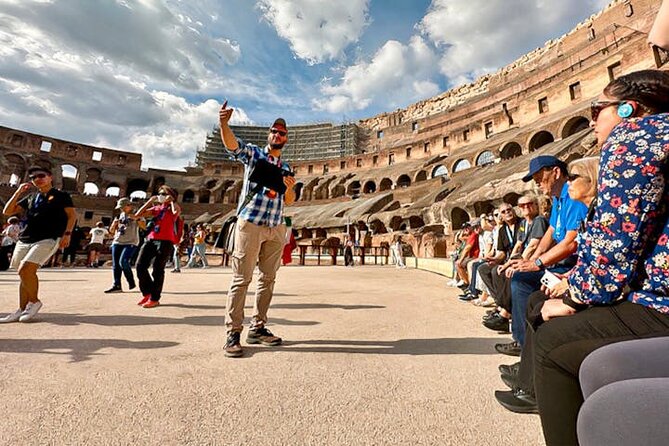
This half-day tour makes Rome’s historic center feel manageable: you get a live guide plus skip-the-line entry to the Colosseum, then you continue to Palatine Hill and the Roman Forum. I love that the tour includes time down at the Colosseum arena floor, not just a look from the stands.
The one thing to keep in mind is logistics: this is shared, you’ll do plenty of standing and walking, and audio can be hit-or-miss depending on where you’re positioned. If you’re the type who needs perfect sound to enjoy every word, plan to move closer to the guide when you can.
For most people, it’s a strong way to see the core of Rome without spending your whole day queueing or guessing what you’re looking at.
In This Review
- Key things I’d focus on before you book
- Skip-the-Line Plus Arena Access: Why This Tour Feels Like Value
- Meeting Point and the Walking Reality Around the Historic Core
- Inside the Colosseum: Seeing More Than Stone and Arches
- Palatine Hill Under the Arch of Constantine: Where Legends Feel Physical
- Via dei Fori Imperiali and the Via Sacra: Where Politics Looked Like Theater
- Time Management: How to Make the 3 Hours Work for You
- Who This Tour Suits Best (And Who Might Want a Different Option)
- Price Check: Paying for Access, Not Just Talking
- Final Verdict: Should You Book From Colosseum Gladiators to Via Sacra?
- FAQ
- What sites are included in the tour?
- How long is the guided experience?
- Is there a skip-the-line ticket for the Colosseum?
- Do I get access to the Colosseum arena floor?
- Is the Roman Forum entrance ticket included?
- Do I need to bring a passport or ID?
- Where is the meeting point?
- Is this a private tour?
- Are food and drinks included?
- Is it refundable if I cancel?
- How do I receive the ticket?
- What if the time I want is not available?
Key things I’d focus on before you book
- Arena floor access at the Colosseum, which is far more exclusive than general seating areas
- Three major stops in about 3 hours: Colosseum, Palatine Hill, and the Roman Forum
- Guided context along the Via Sacra, with talk about politics, daily life, and legends
- Entrance fees included, so you’re not juggling ticket purchases mid-trip
- Shared group format (up to 24–25), so you’ll need to stay flexible
- Mobile ticket entry, which is convenient when your phone is charged
Skip-the-Line Plus Arena Access: Why This Tour Feels Like Value
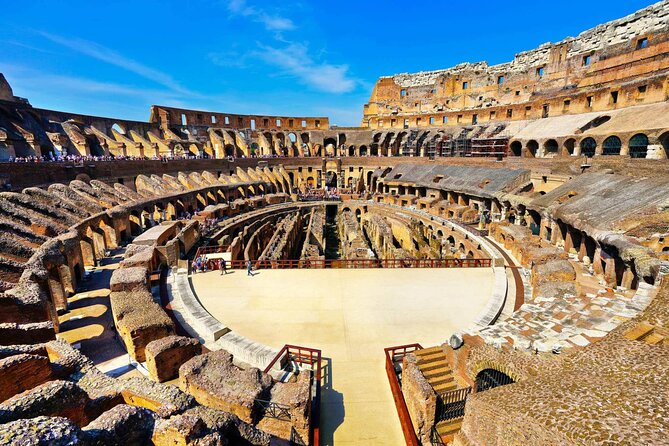
At $160.22 per person for roughly 3 hours, you’re paying for three things that add up fast in Rome: a live guide, skip-the-line access, and entry into major sites without extra hassle. The big value play here is the Colosseum arena floor component. General visits show you the monument; arena access helps you picture the spectacle in a way that’s much harder to do from the upper seating.
You also get tickets baked in for the Colosseum, Palatine Hill, and the Roman Forum. That matters because it reduces decision fatigue. You just show up, scan your mobile ticket, and let someone else handle the entry flow and timing.
And because the route is concentrated, you can fit this into a busy itinerary. Morning and afternoon options make it easier to pair with other plans without turning the whole day into a walking tour marathon.
You can also read our reviews of more historical tours in Rome


Meeting Point and the Walking Reality Around the Historic Core
The tour meets at Via di S. Giovanni in Laterano, 14, 00184 Roma RM. It also ends back at the same meeting point, which is handy because you don’t have to plot a complicated end-of-tour route.
Expect a rhythm that’s part walking, part stopping. Even with reserved entry, you’ll spend time on your feet and pausing for explanations. This is normal for the Colosseum–Forum–Palatine zone, where you’re moving between different levels and walking paths.
Also, audio is a practical concern. If the microphone pickup isn’t ideal, you’ll be glad you’re willing to reposition a bit during key moments. Stand where you can hear, then settle in. It’s a small thing, but it can change how much you get from the guide.
Inside the Colosseum: Seeing More Than Stone and Arches
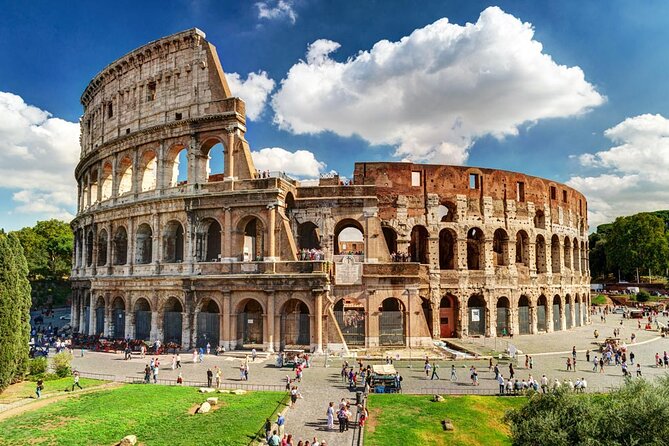
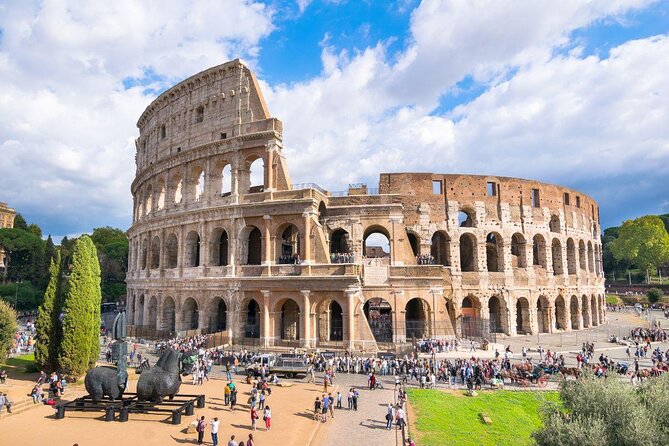
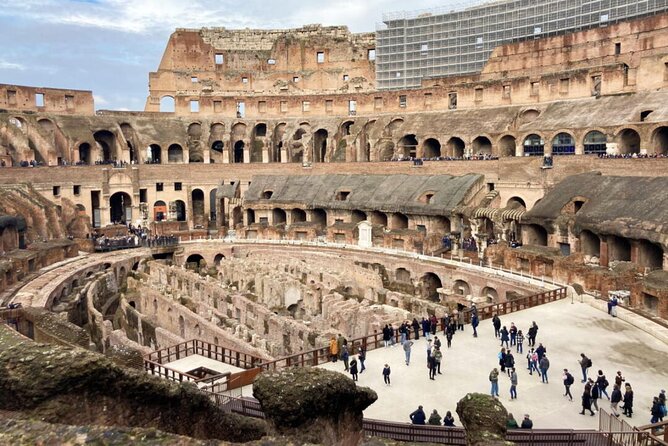
The Colosseum is the obvious headline, but what makes this tour special is what you do after the entrance. You spend time with a guide while you take in the scale and then you go further—down to the arena floor.
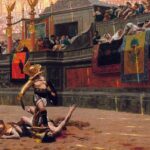
That’s where the Colosseum stops being just an impressive ruin. You start thinking like a spectator: the space between the entrances, the way the arena floor is positioned, and how the monument’s design supported entertainment. With a guide talking through battles, spectacle, and what people were seeing, the place becomes easier to read.
You’ll also get a contrast with the usual tourist experience. Arena access is more exclusive because seating capacity is smaller and fewer visitors get down there. In practice, that means you’ll likely feel closer to the action the architecture was built to stage.
Even if you’re not a Roman history superfan, this part works because it’s sensory. You’re not just learning dates; you’re standing in a space that still holds the geometry of the spectacle.
Palatine Hill Under the Arch of Constantine: Where Legends Feel Physical
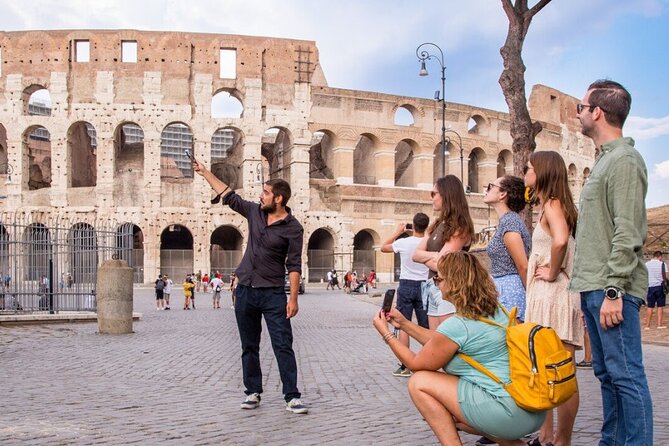
After the Colosseum, the route moves you into the area around the Arch of Constantine and then toward the Palatine Hill climb. This is where the tour starts to feel less like one monument and more like a story you can follow.
The arch itself isn’t just decoration. You’ll be able to notice the sculptural program—reliefs and statues—and the point isn’t only artistic. It’s propaganda and power made visible. Rome loved to use art as a political tool, and this is one of the places where you can see that idea in stone.
On the way to Palatine, you’ll also pass the Arch of Titus. Then comes the hill: the Palatine is one of Rome’s famed seven hills and is heavily loaded with early memory. With a guide, you’ll hear about the most ancient past of the city and about areas the Romans considered sacred—places tied to mythical events connected to Rome’s foundation.
What I like about Palatine with a guide is how it helps you avoid the usual problem. Without context, you can look at ruins and feel like you’re watching archaeology happen in slow motion. With the explanation, you can connect locations to legends and political identity.
Via dei Fori Imperiali and the Via Sacra: Where Politics Looked Like Theater
From Palatine, the tour heads down into the valley area associated with the Roman Forum and the Imperial Forums. This is the heart of the monumental center of ancient Rome, and the guide keeps you moving in a way that makes sense.
The key path is the Via Sacra, known as the road of processions and triumphs. Think of it as Rome’s big stage for public events. When the guide points out what ceremonies ran down this route, you start to understand why the Forum mattered beyond being a pile of buildings.
The tour includes time to learn about daily life, political anecdotes involving famous figures, and the legends tied to major spaces. That mix is useful because the Forum isn’t only about politics or only about myths. It’s both, and the explanations help you see how Romans turned everyday rules into public performance.
You’ll also get a walkthrough of important Forum structures, including the Curia, the official seat of Roman senators that has come down intact. Then there are the tribunes of the rostrums, the raised platforms where speeches happened. You’ll also hear about the rally area connected to elections of magistrates, plus the presence and significance of triumphal arches.
If you’ve ever felt like you were reading a political history textbook without any map, this is where a guided format pays off. You can’t easily piece together why these buildings matter just by looking. A guide turns them into a legible layout.






Time Management: How to Make the 3 Hours Work for You
The tour runs about 3 hours, and it’s built around three major blocks—each stop has enough time for meaningful explanation. That’s a good structure, because it avoids the common pitfall of super-long tours that burn out your attention.
Still, pay attention to your schedule. This area is physically demanding, and it’s easy to overbook yourself. The advice that makes sense here is simple: don’t stack another tour right after. If you do, you’ll spend the next activity recovering instead of enjoying it.
For your own comfort, wear shoes you’re willing to stand and walk in for a while. Rome’s historic center rewards comfortable movement more than fashion.
And bring your patience. Even with reserved entry, you’ll have moments where the group pauses and you wait your turn to see the next viewpoint or doorway.
Who This Tour Suits Best (And Who Might Want a Different Option)
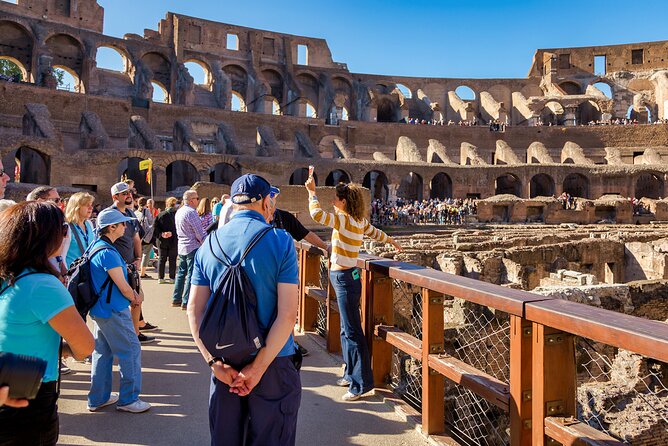
This experience is best for you if you want the big three—Colosseum, Palatine Hill, and the Roman Forum—in one guided half-day, with tickets handled and the Colosseum arena floor included. If you’re visiting for a limited number of days and want a strong orientation to the city’s ancient core, this is a practical choice.
It’s also a good fit if you like narrative guiding. The emphasis on the Via Sacra processions, politics, and legends helps you connect what you see to why it mattered.
It may be less ideal if you’re sensitive to sound issues or you strongly prefer private tours where you can set your own pace. Since it’s shared and you may need to reposition for audio, a group setting may feel less comfortable than an individual guide.
Price Check: Paying for Access, Not Just Talking
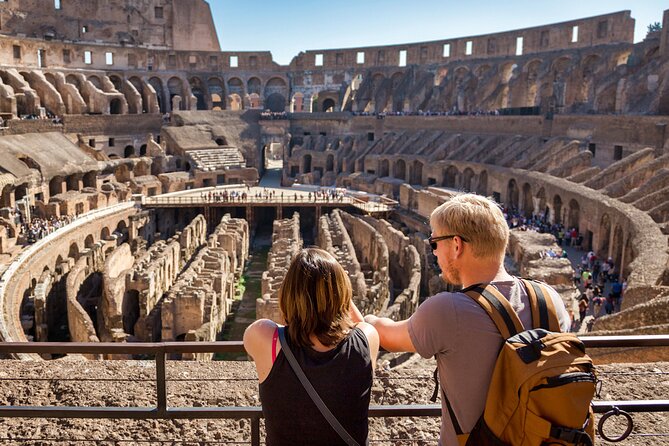
The total cost of $160.22 per person is not a budget deal, but the value isn’t just the guide. You’re paying for included entrance fees and the skip-the-line Colosseum access, plus the arena floor component.
Arena access is the part that most often justifies the price. General visits are common. Standing on the arena floor is less common and gives you a different perspective quickly, without needing extra planning on your own.
So if you hate wasting time in lines and you want the Colosseum experience to go beyond a photo stop, this price starts to make sense. If you already planned to wander independently and you’re fine with standard seating-only access, then you may feel it’s pricier than it needs to be.
Final Verdict: Should You Book From Colosseum Gladiators to Via Sacra?
Yes, I’d book it if you want a guided hit of Rome’s most famous ancient sites in one efficient morning or afternoon, with tickets and entry handled. The arena floor access plus the Via Sacra/Forum context is the combo that makes this tour feel more than a checklist.
I’d think twice if your main goal is quiet time among ruins, or if you’re very picky about audio while listening. In that case, consider a more flexible option where you can control pacing and group positioning.
If you’re aiming for maximum ancient Rome impact in minimum time, this tour gives you a clear route and the kinds of explanations that help the stones make sense.
FAQ
What sites are included in the tour?
The tour includes the Colosseum, Palatine Hill, and the Roman Forum, with guided visits through these areas.
How long is the guided experience?
It lasts about 3 hours.
Is there a skip-the-line ticket for the Colosseum?
Yes. Skip-the-line Colosseum entrance is included.
Do I get access to the Colosseum arena floor?
Yes. The tour includes access to the Colosseum Arena.
Is the Roman Forum entrance ticket included?
Yes. Entrance to the Roman Forum is included.
Do I need to bring a passport or ID?
Yes. Each traveler must present a valid passport or identification document that matches the name used at booking.
Where is the meeting point?
The meeting point is Via di S. Giovanni in Laterano, 14, 00184 Roma RM, Italy.
Is this a private tour?
No. It’s a shared tour, and the group can be up to about 24–25 people.
Are food and drinks included?
No. Food and drinks are not included.
Is it refundable if I cancel?
No. The experience is non-refundable and cannot be changed for any reason.
How do I receive the ticket?
You’ll receive a mobile ticket.
What if the time I want is not available?
If your selected time isn’t available, you’ll be transferred to another time on the same day. Changes may depend on availability.