REVIEW · ROME
Rome: Catacombs of Saints Marcellino and Pietro Guided Tour
Book on GetYourGuide →Operated by OPERA ROMANA PELLEGRINAGGI · Bookable on GetYourGuide
Quiet catacombs beat the big-city crowds. I like that this tour keeps things personal, with a small group capped at 10, and I also love the chance to see third- and fourth-century frescoes preserved and even recently restored with laser technology.
You’ll also hear a clear explanation of how this site fits into early Christian Rome, from persecution-era martyrs to the bigger Constantine-era complex above ground. One caution: the guided time is short, about 30 minutes, so you’ll want to go in with a little context (or ask lots of questions).
In This Review
- Key things to know before you go
- Rome’s Via Casilina catacombs: where history sits underground
- The 30-minute guided format: best way to see without rushing
- Entering the catacombs: saints, martyrs, and why the place has its name
- Frescoes and paintings: what you’ll actually be able to see
- The bigger picture above ground: Constantine’s “circiforme” basilica and Augusta Elena
- Getting value from $16: why the price can make sense
- Logistics that affect your comfort: meet-up and rules inside
- Who should book this catacomb tour
- Should you book the Catacombs of Saints Marcellino and Pietro?
- FAQ
- How long is the Rome Catacombs of Saints Marcellino and Pietro guided tour?
- What is the price per person?
- Where do I meet the guide?
- Is photography allowed inside the catacombs?
- What languages are the live tours offered in?
- What’s included in the ticket?
- What’s not included?
Key things to know before you go
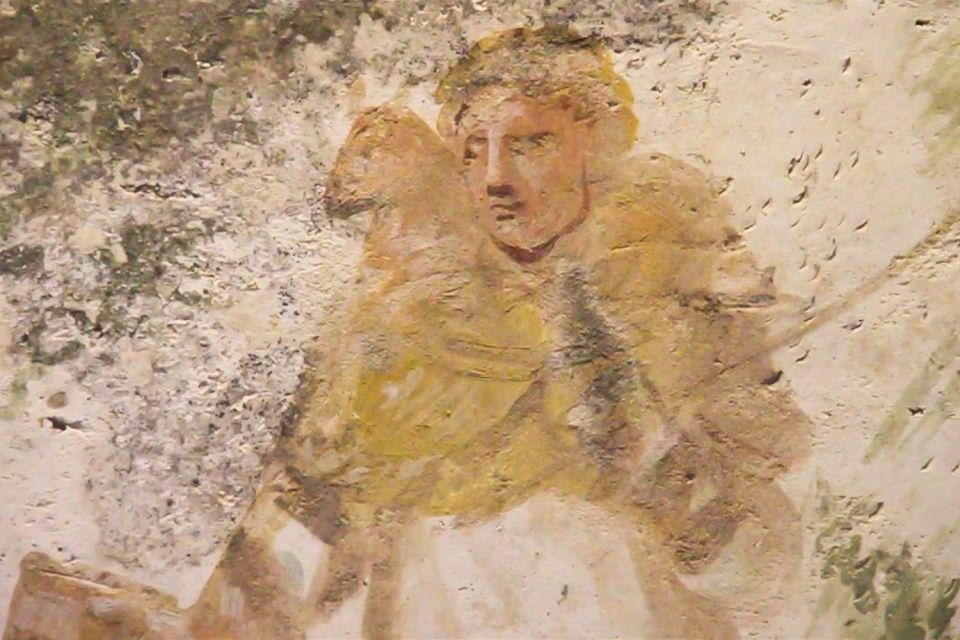
- Laser-restored frescoes you can actually look at, not just pass by
- A small group (up to 10), which makes the guide’s explanations easier to follow
- Third-century catacomb story tied to Saints Marcellino and Pietro
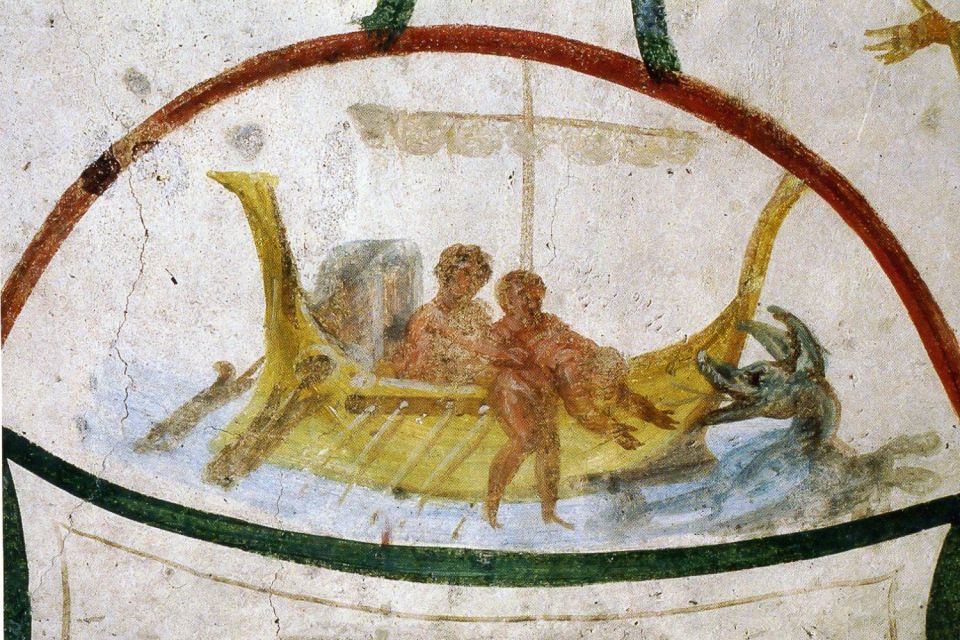
- Christian artwork scenes featuring biblical figures like Noah, Jonah, and Lazarus
- Photography not allowed inside, so plan to take notes instead of photos
- Not ideal for mobility impairments, since the catacombs aren’t set up for everyone
Rome’s Via Casilina catacombs: where history sits underground
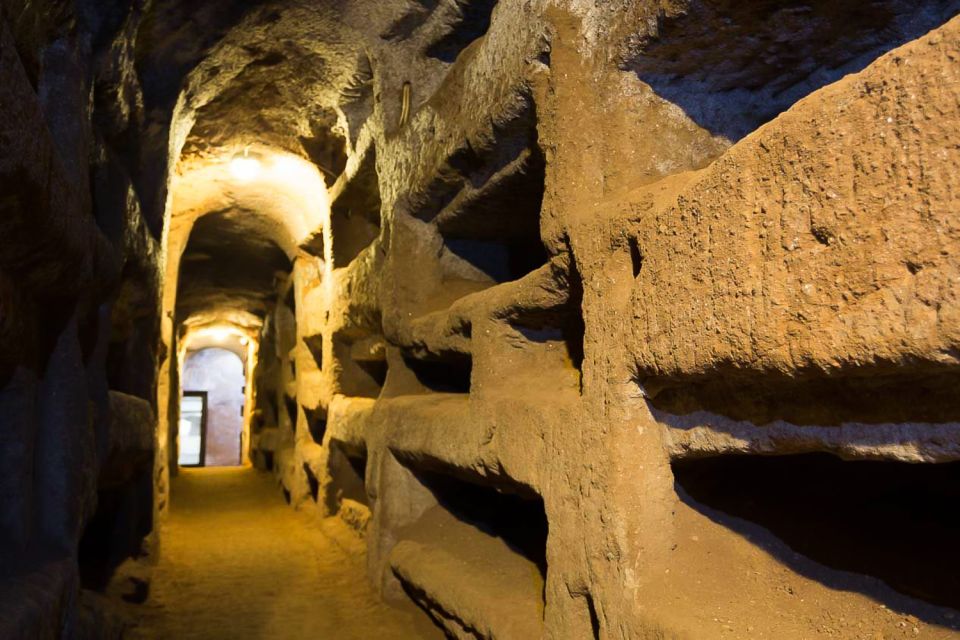
The Catacombs of Saints Marcellino and Pietro are in Lazio, just off the ancient Via Labicana area, now known as Via Casilina. In Roman times, the location was tied to a place-name called ad duas lauros, which pointed to a large imperial property plus the cemetery zone. The “two laurels” weren’t royal greenery for show. They were shrubs placed at the entrance to the imperial lands.
That setting matters because it helps you understand what you’re stepping into: this wasn’t a random hole in the ground. The area was used for centuries—first connected to the necropolis of the Equites Singulares Augusti (imperial guard horsemen), active since the 2nd century. Then, in the second half of the 3rd century, a Christian catacomb was installed there.
This is one of the reasons I like this tour for first-timers: it doesn’t only talk about Christianity. It also situates the catacombs in a layered Roman landscape.
You can also read our reviews of more guided tours in Rome



The 30-minute guided format: best way to see without rushing
This is a quick visit by design. The tour runs about 30 minutes, with starting times you’ll need to check when booking. It’s a live guide experience, offered in Italian and English, and the group is kept small.
In a catacomb, time is a real factor. You’re in confined spaces, looking at artwork that benefits from close attention. A short tour can be a good thing because it encourages focus: you don’t feel stuck waiting your turn through long corridors, and you can spend your energy on what the guide points out.
The practical downside is also clear: there’s no long, slow wander. If you want deep reading time, you’ll probably need to balance expectations. Use the guide’s explanations, and if something grabs you—frescoes, symbols, or a particular biblical story—ask follow-up questions while you’re still inside.
Entering the catacombs: saints, martyrs, and why the place has its name
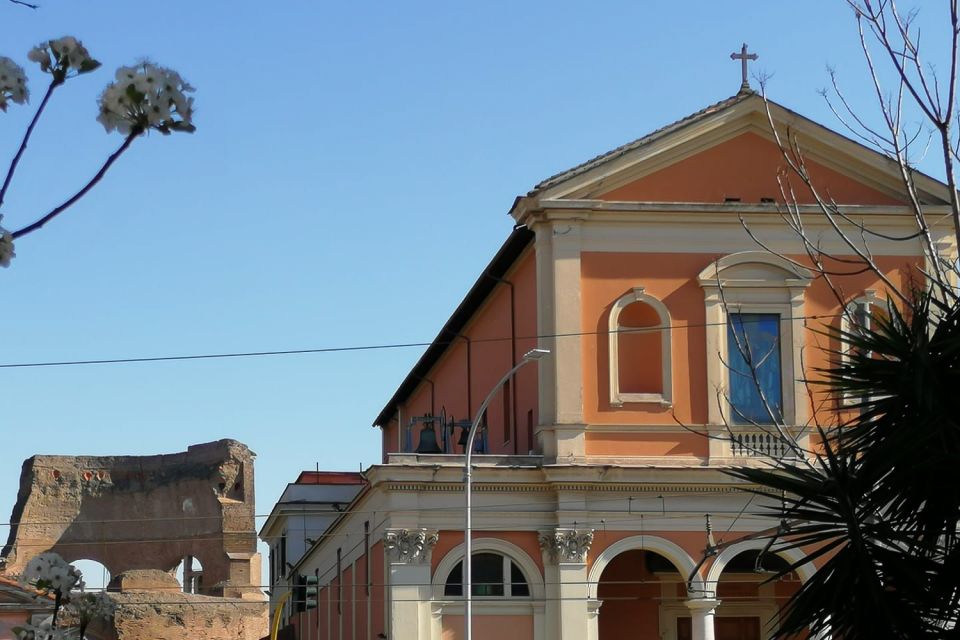
As you move through the catacomb, the guide’s job is to connect the art and the burials to the Christian story in Rome during intense persecution. The names Saints Marcellino and Pietro aren’t just labels. They identify the martyrs whose bodies gave the catacomb its name, linked to the martyrs of Diocletian’s persecution.
This helps you see the catacombs as an organized religious memory, not just ancient “tombs.” The artwork you’ll encounter connects faith and identity in a period when Christians were living under pressure. You’re not only looking at decoration—you’re seeing how people communicated beliefs underground.
And because this catacomb sits in a site that used to serve the imperial guard necropolis, it also shows a shift in who held meaning in the landscape over time. That mix of continuity and change is part of what makes the visit feel grounded rather than purely dramatic.
Frescoes and paintings: what you’ll actually be able to see
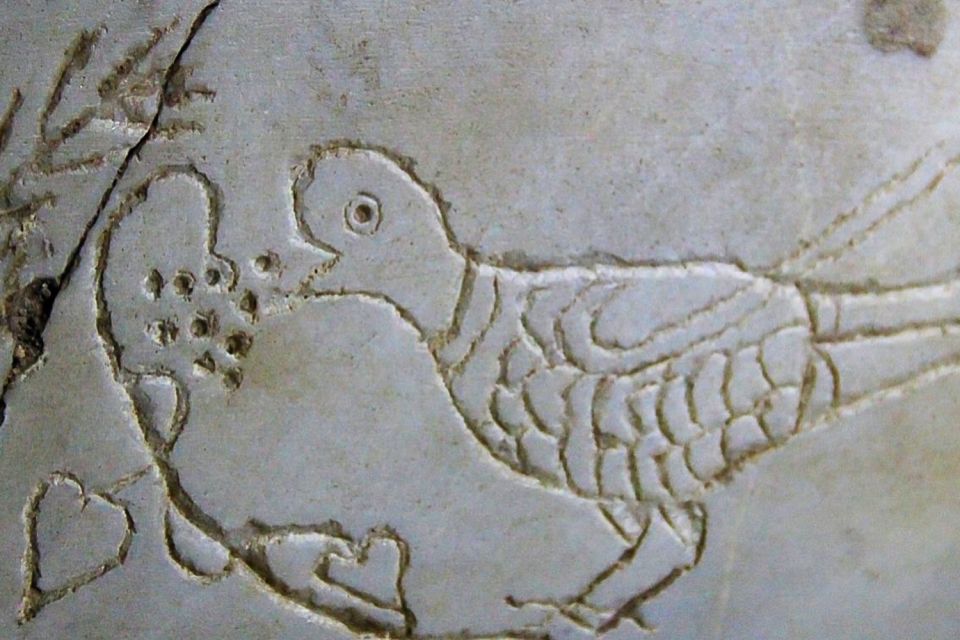
One of the most praised parts of this experience is the visual quality of the catacomb art. The site preserves paintings datable to the 3rd and 4th centuries, and part of that collection has been recently restored using laser technology. That doesn’t mean it looks like a brand-new museum painting. It means the colors and details have been recovered enough for you to recognize scenes and symbols instead of guessing.
What scenes might you spot? Based on the kinds of fresco subjects people highlight here, you may see biblical narratives such as stories related to Noah in the ark, Jonah, and Lazarus. You’ll also likely encounter other figurative and symbolic elements that the guide can connect to early Christian teaching and storytelling.
Here’s the practical tip I’d give you: go in expecting to look slowly, not quickly. Since photography isn’t allowed inside, your eyes do the work. If you like art history, bring a mindset like you’re studying a chapter. The guide turns the images into a readable story.
The bigger picture above ground: Constantine’s “circiforme” basilica and Augusta Elena
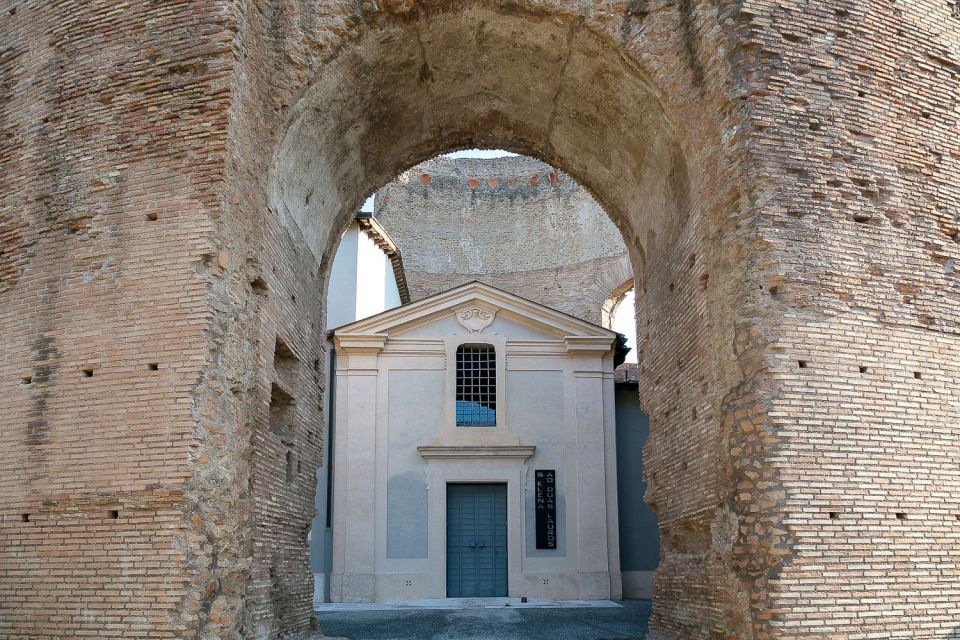
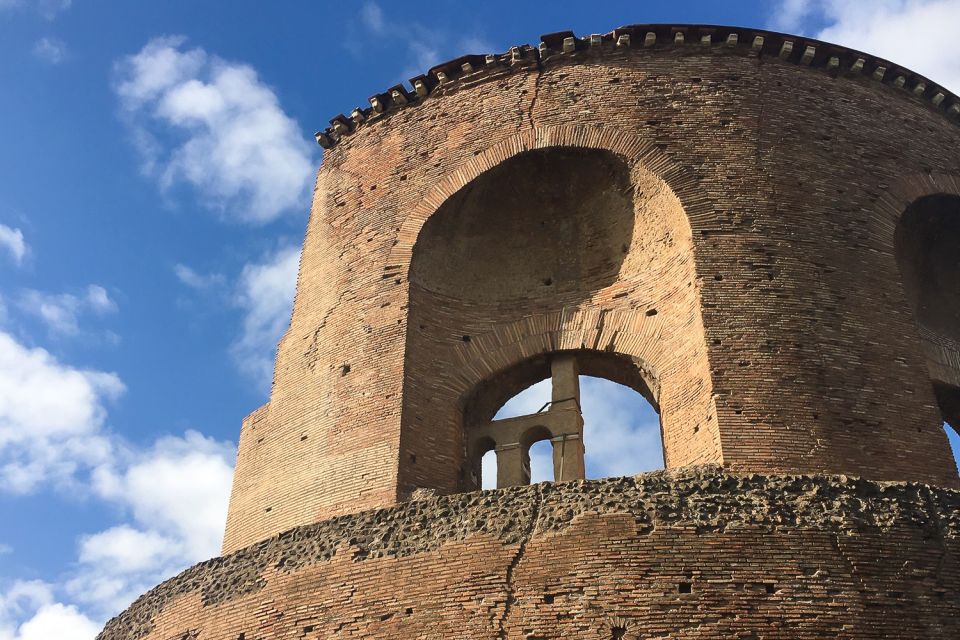
Even though the tour focuses underground, the history doesn’t stop there. In the Constantinian era, monumental buildings were erected above the catacomb complex. The above-ground structure included a large basilica shaped like a Roman circus, described as a “circiforme,” connected to a mausoleum.
The mausoleum is tied to Constantine. It was probably built for himself, then later repurposed to house the burial of his mother, Augusta Elena. The remains of St. Helen (Augusta Elena) were kept in a large red porphyry sarcophagus, which today is displayed in the Vatican Museums.
Important practical note: this tour does not include entry to Constantine’s Mausoleum. Still, the guide’s background explanations are useful because they help you place what you’re seeing in a timeline: underground burial practices during persecution, then later monumentalization once Christianity gained acceptance and imperial support.
If you’re planning other Rome sights, this context can help you connect dots between the catacombs experience and what you see above ground in later Christian-era settings.





Getting value from $16: why the price can make sense
At around $16 per person, you’re paying for two things you can’t easily replicate on your own: an entrance ticket plus a live guide. For a short underground tour, that price is reasonable when you consider what’s included: interpretive context around frescoes, saints, and the site’s Roman-to-Christian timeline.
You might notice what isn’t included too. There’s no audio guide bundled in, and you’re responsible for transportation to and from the catacombs. Entry to Constantine’s Mausoleum also isn’t part of this ticket. So the value is concentrated: you’re buying a focused, guided access experience to the catacomb itself.
If you like early Christian art and you’re trying to avoid the crowds that often show up at more famous catacombs, this is exactly the kind of value proposition that works. You’re not paying extra for extras you might not use; you’re paying for a guide to make the walls meaningful.
Logistics that affect your comfort: meet-up and rules inside
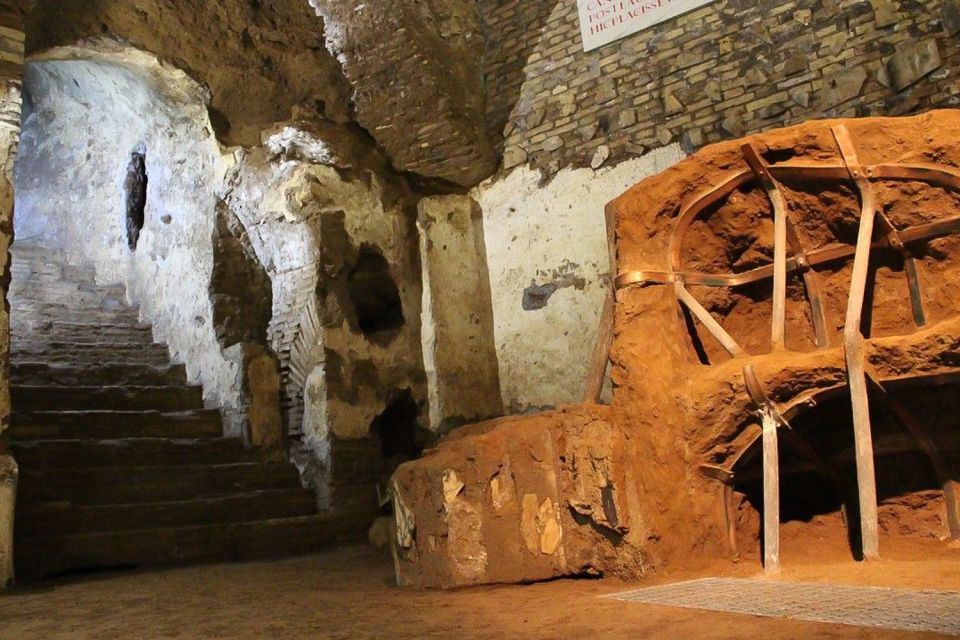
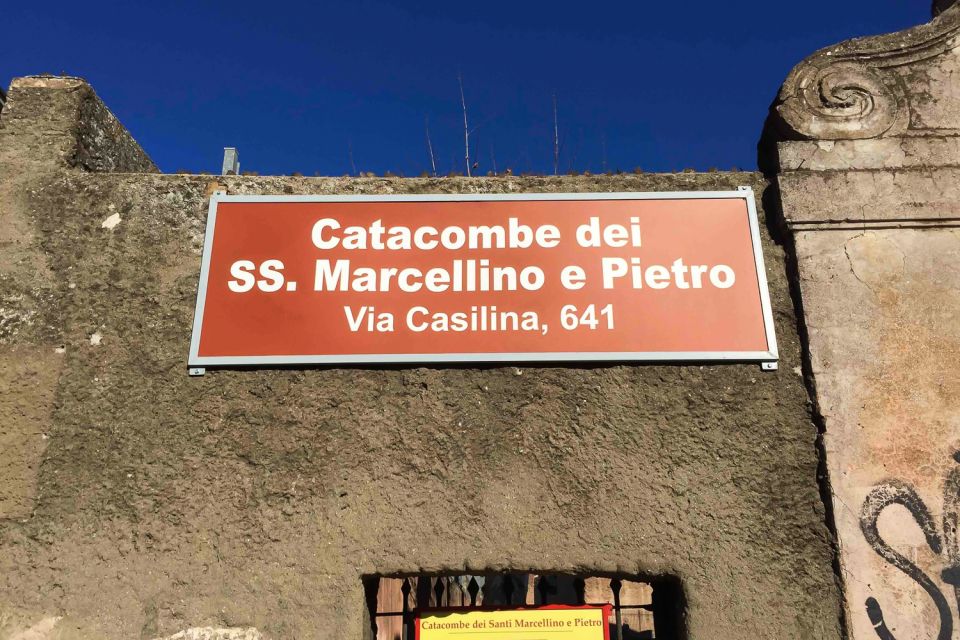
The meeting point is straightforward: go directly to the ticket office of the catacomb and show your voucher at least 10 minutes before the scheduled tour time. Since the guided portion is brief, this matters. Arrive early enough that you can settle in and start on time.
Once inside, there’s one strict rule: photography isn’t allowed. That’s not unusual for catacombs, but it changes how you experience it. Instead of snapping and moving on, you’ll want to take mental notes or write down key scenes the guide points out.
Finally, the tour is not suitable for people with mobility impairments. This is especially important to factor in before you plan your day, since underground spaces can be challenging even when they look manageable from the entrance.
Who should book this catacomb tour
This is a good fit if you:
- Want early Christian Rome with fresco-focused storytelling
- Prefer quieter, more manageable group settings over large-crowd catacombs
- Like guided interpretation that connects artwork to real historical events like Diocletian’s persecution
- Are okay with a short visit and want to leave still hungry for more
It’s less ideal if you:
- Need a longer, self-paced exploration time
- Rely on photography to remember details
- Have mobility limitations that make underground visits hard
Should you book the Catacombs of Saints Marcellino and Pietro?
If you’re debating whether to spend time (and money) underground, I’d say book it if you care about seeing the art clearly and understanding what it meant. This tour stands out for the combo of small group access and a catacomb collection that includes recognizable, guide-explained scenes, with frescoes that have been restored well enough to be worth your attention.
Skip it only if you’re looking for a long, open-ended wander or if you know you’ll hate the no-photography rule and a 30-minute format.
For a practical Rome day, this is the kind of stop that gives you something different from the usual mainstream circuit—without the pressure of queues.
FAQ
How long is the Rome Catacombs of Saints Marcellino and Pietro guided tour?
The tour lasts about 30 minutes. You should check availability to see the starting times.
What is the price per person?
The price is $16 per person.
Where do I meet the guide?
Go directly to the ticket office of the catacomb and show your voucher at least 10 minutes before the scheduled tour.
Is photography allowed inside the catacombs?
No. Photography inside is not allowed.
What languages are the live tours offered in?
The live guide offers tours in Italian and English.
What’s included in the ticket?
The experience includes the entrance ticket and a guide.
What’s not included?
Transportation to or from the catacombs is not included, and entry to Constantine’s Mausoleum is not included. An audio guide is also not included.