REVIEW · ROME
Cooking Class with Lidia YoungGrandma in Jewish area
Book on Viator →Bookable on Viator
Roman pasta lessons feel like family dinner. This hands-on cooking class with Lydia, in Rome’s Jewish area, puts you close to real Roman food culture—starting with an aperitivo and moving straight into making pasta and tiramisù for a small group of just 6.
I love the private, step-by-step guidance in a home kitchen. I also love the menu focus: tomato bruschetta with olives and cheese, then two Roman pastas (fettuccine carbonara and tagliolini cacio and pepper), and finally creamy tiramisù.
One thing to think about first: the menu includes pork cheek, eggs, and Italian wine, so if you have strict dietary limits, you’ll want to double-check that this is a good fit for you.
In This Review
- Key highlights I think you’ll care about
- Arriving in Rome’s Ancient Heart: Meet Lydia Near Torre Soricara
- The 3-Hour Flow: Aperitivo, Two Pastas, Tiramisù, Done
- Starter Time Like an Aperitivo Pro: Tomato Bruschetta, Olives, Cheese, Wine
- Fettuccine Carbonara: Pork Cheek, Eggs, Pecorino Romano, Black Pepper
- Tagliolini Cacio e Pepper: Simple Ingredients, Big Results
- Tiramisù Finish: The Creamy Italian Dessert Step-By-Step
- Why the Small Group Size Changes Everything (6 People)
- Languages Covered: English, French, Spanish, German
- Value Math: Why $118 Can Be Fair for a Rome Cooking Class
- Where This Fits Best (And Where It Might Not)
- Final Call: Should You Book This Rome Class with Lydia?
- FAQ
- How many people are in the cooking class?
- How long is the cooking class in Rome?
- What food do we make and eat?
- Does the class include wine?
- Where does the experience start?
- Is this a private experience and is it language-friendly?
Key highlights I think you’ll care about
- A private-home Rome class for only 6 people, so you get real coaching time
- Two classic Roman pasta styles: fettucine carbonara and tagliolini cacio and pepper
- A proper aperitivo with tomato bruschetta, olives, cheese, plus Italian wine
- Real tiramisù making, not just eating a slice
- English, French, Spanish, and German so language is less of a barrier
Arriving in Rome’s Ancient Heart: Meet Lydia Near Torre Soricara
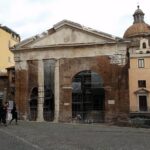
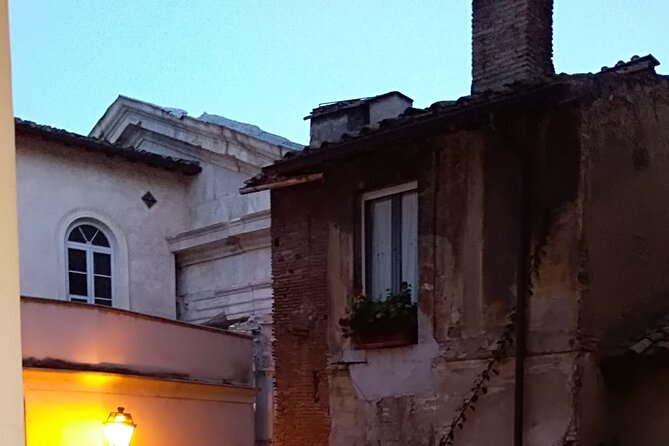
This experience starts at Torre Soricara, Via del Portico d’Ottavia, 25, 00186 Roma RM. It’s a good area to be in if you want Rome food culture instead of just tourist-only viewpoints, and it also helps that it’s near public transportation.
The class is tied to the Ancient City feel too, since Piazza Venezia / Ancient City is listed as the key point in the flow. In practice, that means you’re not starting in some remote industrial kitchen. You’re in the part of Rome where history and daily life overlap.
You’ll also get a mobile ticket, which keeps the start simple. And since it’s a private tour/activity for just your group, you’re not squeezing in with strangers.
You can also read our reviews of more cooking classes in Rome
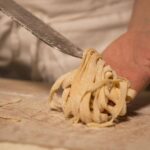

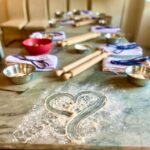
The 3-Hour Flow: Aperitivo, Two Pastas, Tiramisù, Done
You’re looking at about 3 hours total. That length is smart for a cooking class in Rome: long enough to actually learn, but short enough that you can still enjoy the rest of your day (and not feel like you’ve disappeared for half a route through the city).
The structure is straightforward. You begin with an aperitivo (starter foods plus Italian wine), then you make two homemade pastas—fettuccine carbonara and tagliolini cacio and pepper—then you finish with tiramisù.
What I like about this pacing is that you leave with a full Roman meal under your belt, not just one dish you sampled and moved on from. And because you’re in a group of only 6, you’re less likely to spend the whole class watching.
Starter Time Like an Aperitivo Pro: Tomato Bruschetta, Olives, Cheese, Wine
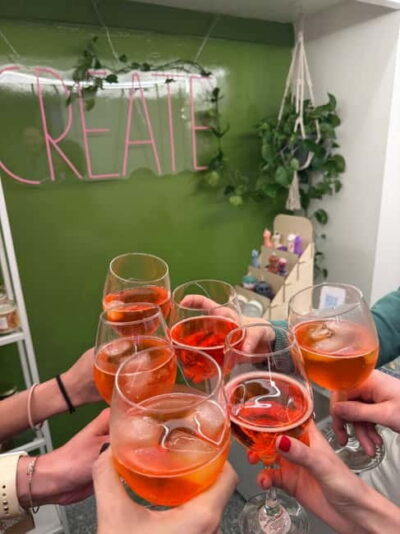
Before the rolling pins come out, you start with the classic starter: tomato bruschetta, olives, and cheese. It’s paired with Italian wine as your aperitivo, and it’s a great warm-up for what comes next.
This matters because Roman cooking has a strong flavor logic. You get bright tomato, salty bites from olives and cheese, then later the pastas bring the creaminess (carbonara) and the peppery sharpness (cacio and pepper). Starting with that combination helps you notice what each course is doing.
It’s also a nice social setup. You get time to settle in, meet Lydia, and get comfortable before you start working with dough and sauces.
Fettuccine Carbonara: Pork Cheek, Eggs, Pecorino Romano, Black Pepper
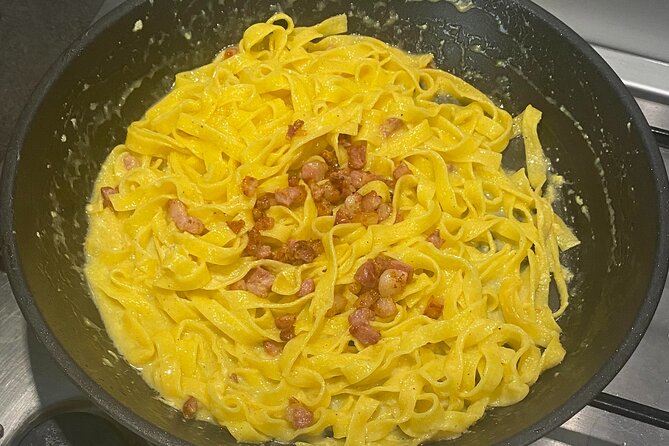
Next up is one of Rome’s best-known pasta dishes: fettuccina carbonara. The class menu lists pork cheek, eggs, pecorino romano, and black pepper—so you’ll be working with the flavors that make carbonara what it is.
This dish is a good test of your technique because carbonara is all about texture. The goal is a sauce that turns creamy rather than scrambled, and that takes attention when eggs are involved. In a small-group class with direct help, that’s exactly what you want: someone nearby to guide you as you go.
Also, carbonara isn’t just about throwing ingredients together. You’ll learn why pecorino romano and black pepper matter so much. They bring a salty bite and pepper heat that keeps the dish from tasting flat or heavy.
If you’re the kind of cook who likes to understand what each ingredient is doing, you’ll probably enjoy carbonara day most. It’s classic, specific, and very Roman.
Tagliolini Cacio e Pepper: Simple Ingredients, Big Results
After carbonara, you make tagliolini with cacio and pepper. Here, the menu points to black pepper and cheese as the core flavors, which is exactly why this dish is such a favorite.
This is the “less is more” Roman pasta. When you work with fewer ingredients, the technique matters more. You’ll get hands-on practice building a final result from a small list—an experience that makes it easier to repeat at home later.
And since it’s tagliolini, it also feels lighter and more delicate than thicker pasta shapes. That contrast—rich carbonara, then a simpler pepper-and-cheese pasta—is one of the smartest ways to learn Roman cooking in one session.
You can also read our reviews of more tours and experiences in Rome
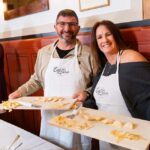
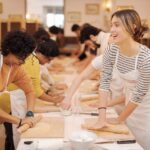

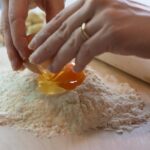
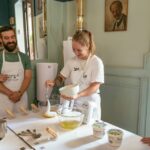
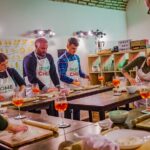
Tiramisù Finish: The Creamy Italian Dessert Step-By-Step
To end, you make tiramisù, described as the king of Italian desserts and called iconic and creamy. This is the part that turns a cooking class into a meal you remember, because tiramisù is both comforting and celebratory.
Even if you’ve eaten tiramisù before, making it yourself changes how you see it. You start noticing balance: how it should feel creamy, and how the dessert comes together as a finished dish rather than a concept.
And finishing here keeps the whole meal cohesive. Starter plus two pastas plus dessert means you leave with a true Roman dining rhythm, not a series of separate food experiments.
Why the Small Group Size Changes Everything (6 People)
This class is limited to just 6 people. That’s not just a nice detail—it changes your whole experience.
With a group that small, you’re more likely to get hands-on attention instead of being stuck waiting your turn at a cutting board. It also means Lydia can slow down when someone has a question, rather than rushing through the “next step” for the whole group.
The reviews you’ve likely seen talk about Lydia welcoming guests like family, and that fits the setup: private-home cooking tends to feel warm and personal. When the atmosphere is calm, you learn better too, because you’re not frantic about timing.
Languages Covered: English, French, Spanish, German
One practical advantage is that the class is said to be available in English, French, Spanish, and German. That matters because pasta technique and cooking steps can be hard to follow when you’re missing key words.
So if you’re traveling with someone who isn’t fluent in Italian, you’re not stuck. Everyone can understand what’s happening and ask questions without guessing.
For me, that’s one of the most underrated pieces of value: clarity. Cooking isn’t only about ingredients—it’s about timing, texture, and small adjustments.
Value Math: Why $118 Can Be Fair for a Rome Cooking Class
At $118 per person for about 3 hours, this isn’t a bargain-bin activity. But it’s also not overpriced when you look at what’s included: you’re making a full Roman meal—starter foods, two pastas, and dessert—plus Italian wine.
You’re also paying for the format: a small group (6 people), private-home instruction, and a menu built around hands-on cooking rather than observation. In many Rome classes, you might watch more than you cook. Here, the focus is on you doing the work.
If your goal is to bring home a real skill—making carbonara and cacio and pepper, plus completing tiramisù—this kind of class can be worth it. You’re not just paying to eat; you’re paying to learn in a guided way.
One more thing: the class is described as being booked around 85 days in advance on average. That’s a hint that dates can sell out, so waiting can limit your options.
Where This Fits Best (And Where It Might Not)
I’d put this experience in the sweet spot for people who want Roman food culture with actual technique. If you care about pasta traditions—especially carbonara and cacio e pepper—this class gives you a concentrated, memorable way to learn them.
It’s also a good choice if you like smaller group settings. With only 6 people, you’ll likely find it easier to ask questions and move at a comfortable pace.
The main reason to pause is dietary fit. Pork cheek and eggs are part of the carbonara, and wine is part of the aperitivo. If that’s a dealbreaker for you, you’ll need to think carefully before booking.
Final Call: Should You Book This Rome Class with Lydia?
Yes—if you want a hands-on Rome food experience that feels personal, this is a strong pick. The combination of a starter aperitivo, two classic Roman pastas, and creamy tiramisù in a small group of 6 is exactly the kind of “learn and eat” outing that makes travel stick.
I’d skip it only if you have major dietary restrictions that can’t be worked around, or if you’re looking for a big sightseeing tour instead of cooking-focused time. For everyone else, it’s a practical way to leave Rome with skills you can actually repeat at home.
FAQ
How many people are in the cooking class?
The experience is limited to just 6 people, which keeps the attention on your small group.
How long is the cooking class in Rome?
It’s about 3 hours.
What food do we make and eat?
You’ll have a starter of tomato bruschetta with olives and cheese, then make two homemade pastas (fettuccine carbonara and tagliolini cacio and pepper), and finish with tiramisù.
Does the class include wine?
Yes, the aperitivo includes Italian wine.
Where does the experience start?
The start location is Torre Soricara, Via del Portico d’Ottavia, 25, 00186 Roma RM, Italy, and it ends back at the meeting point.
Is this a private experience and is it language-friendly?
Yes, it’s private for your group only. The class is offered in English, French, Spanish, and German.