REVIEW · ROME
Ancient Rome Guided Walking Tour: Colosseum, Forum and Palatine
Book on Viator →Operated by Gray Line I Love Rome by Carrani Tours · Bookable on Viator
Rome’s ruins are louder with a guide. This half-day walk strings together Palatine Hill legends, Colosseum engineering, and Roman political life with headset audio that keeps the story clear. It’s a practical way to see the big names of Ancient Rome without trying to figure everything out alone in a crowded, confusing area.
What I like most is the “you’re in the right place at the right time” setup: reserved Colosseum entry plus a guide to pace you between sites. The one real drawback is physical: it’s not an easy stroll, with hills, stairs, and uneven archaeological ground, so pack comfortable shoes and plan for some uphill effort.
In This Review
- Key highlights you’ll feel right away
- The big picture: Palatine Hill to the Roman Forum in one afternoon
- Booking value at about $71.65: what’s included (and why it matters)
- Meeting point reality: Via delle Terme di Tito, then Colle Oppio Park
- Stop 1: Palatine Hill for the wolf legend and the big views
- Stop 2: Entering the Colosseum with reserved tickets and headsets
- Stop 3: Roman Forum highlights, Caesar’s temple, and the Vestal Virgins
- Walking, timing, and pace: what 3 hours feels like on the ground
- Guide style and audio: why some tours feel great and some feel harder
- Who should book this Colosseum, Forum and Palatine walk
- Should you book this Colosseum, Forum and Palatine tour?
- FAQ
- How long is the Ancient Rome guided walking tour?
- What’s included in the ticket cost?
- Where do I meet the guide, and where does the tour end?
- What time does the tour start?
- Do I need ID for this tour?
- Can I get a refund if my plans change?
Key highlights you’ll feel right away
- Headsets included so you can actually follow the commentary in busy areas
- Reserved Colosseum entry cuts down stress at the ticket moment
- A tight route linking Palatine Hill, the Colosseum, and the Roman Forum in about 3 hours
- Small group size (max 20) helps the guide keep track of everyone
- Real-world meeting-point setup with staff support at the area where tours cluster
The big picture: Palatine Hill to the Roman Forum in one afternoon
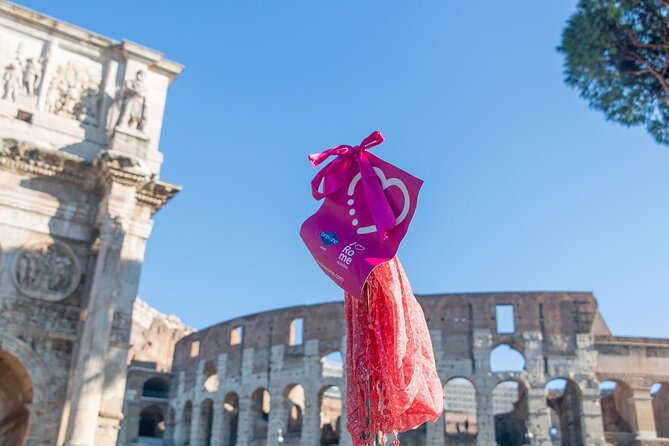
This tour is designed for people who want the main “Rome hits” without losing half the day to logistics. You start on one of the seven hills, move into the Colosseum, then finish at the Roman Forum, where you’ll connect the dots between emperors, religion, and everyday power.
The route also makes sense visually. Palatine Hill gives you the high ground and early backstory, the Colosseum gives you the spectacle and scale, and the Forum gives you the political context that makes the ruins feel less random. Expect a guided walk that’s meant to be efficient rather than slow sightseeing.
English is offered, and headsets are part of the package. That matters here because you’re often surrounded by other groups, street noise, and the “everyone is trying to take photos at the same time” effect.
You can also read our reviews of more walking tours in Rome

Booking value at about $71.65: what’s included (and why it matters)
At $71.65 per person, the biggest value piece is the Colosseum entry you’re not scrambling for at the last minute. Your ticket and reservation fees are included (the entrance ticket is listed at €18 per person, plus a €2 reservation fee). That means a chunk of your payment goes directly to securing timed access.
The remaining cost covers the guide and the guided experience through the archaeological areas, plus wireless audio headsets. In practice, that’s what turns “I saw the Colosseum” into “I understand what I’m looking at,” especially when the guide explains how the Colosseum developed in the AD 70–80 era and how it held up to about 80,000 spectators.
If you’re on a short Rome visit, this structure can be a smart use of time. You’re not just buying entry; you’re buying a focused route with narration and direction.
Meeting point reality: Via delle Terme di Tito, then Colle Oppio Park
Meeting points are where a lot of tours live or die. Your stated start location is Via delle Terme di Tito, 75 (at the corner area noted in your details), and the tour ends at Via dei Fori Imperiali.
Two timing details matter:
- The tour usually starts at 2:30 PM for some date ranges, and at 1:30 PM for others.
- From April 1, 2025, the meeting point moves to Colle Oppio Park (Via delle Terme di Tito, corner of Via Nicola Salvi, inside the park).
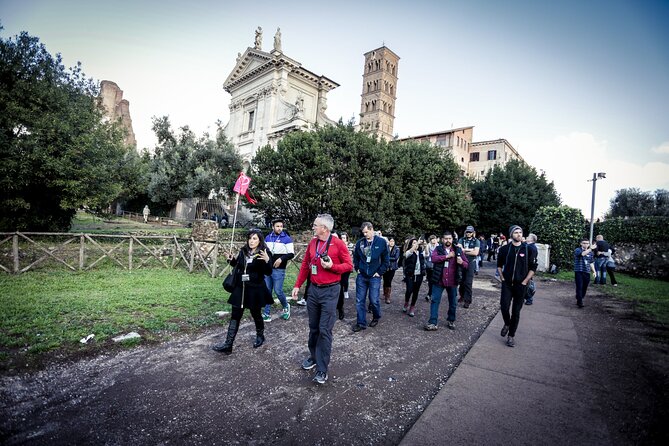
Plan to arrive early. Reviews show that the area has many tours and signage can be confusing at first glance. One theme that pops up is needing to look for the tour’s presence in the field rather than assuming you’ll meet at the exact-looking spot by the arch.
Also bring your full legal name as required at booking, and have your passport or ID ready for the security checks. Those checks can add time, so don’t treat arrival time like a suggestion.
Stop 1: Palatine Hill for the wolf legend and the big views
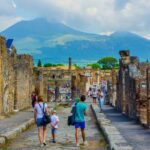
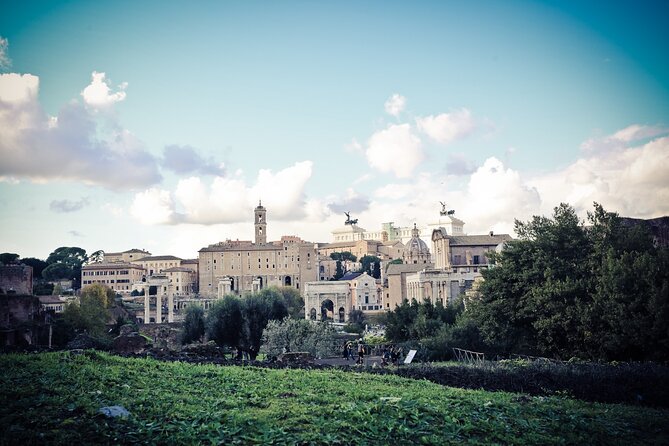
Palatine Hill is one of the oldest parts of Rome, sitting between the Velabro and the Roman Forum. It’s also where the legend lives: the story of Romulus and Remus, and the wolf connection tied to the founding myth and the name Rome.
This stop works because it sets the tone. Standing on Palatine Hill helps you understand why Romans felt this area mattered long before the Empire’s peak monuments. It’s not just ruins; it’s the “why here” behind the rest of the tour.
Practical tip: Palatine Hill is outdoors and you’re walking on archaeological terrain. Even if the weather looks mild, bring layers or rain gear, since the tour is scheduled rain or shine.
And yes, you’ll be climbing and descending. Reviews frequently call out hills and stairs as part of the effort level, so treat this stop like the warm-up that also sets your direction for the day.
Stop 2: Entering the Colosseum with reserved tickets and headsets
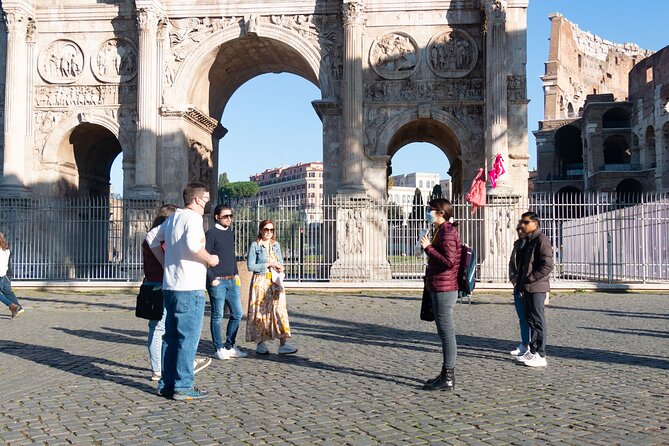
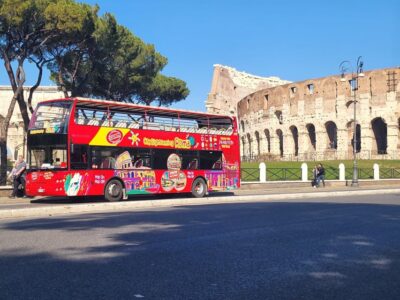
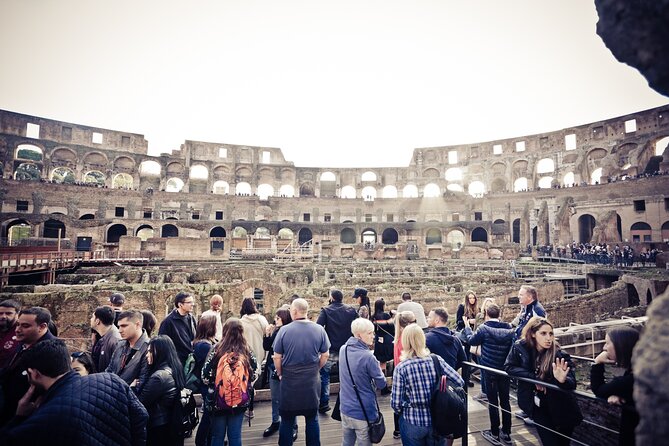
The Colosseum stop is the headline, and it’s also the moment where reserved entry does real work for you. With a pre-booked ticket and reservation fee included, you’re not starting from zero when lines form.
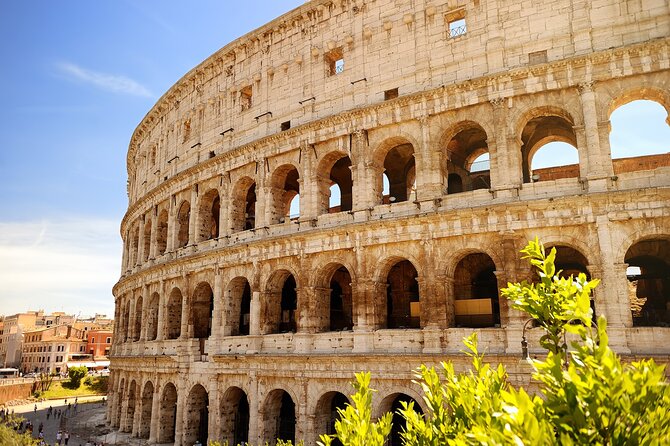
What you’ll likely hear is how the arena became a major Roman building project in AD 70–80, and why its scale was built for mass crowds. The tour format is built for explanation at the right moments: you see features, then get context instead of wandering around alone.
Headsets are a major plus here. Reviews praise the audio setup as easy to follow even with lots of other visitors nearby. That said, a small number of comments mention occasional hearing challenges, like accent clarity or brief audio dropouts in certain spots. If you’re sensitive to audio quality, choose a headset position that feels comfortable and keep an eye on the guide’s direction.
Also, expect the Colosseum environment itself to affect your pacing. The crowd flow and security process can change how long you spend at each viewpoint, and that’s normal for this site.
You can also read our reviews of more guided tours in Rome






Stop 3: Roman Forum highlights, Caesar’s temple, and the Vestal Virgins
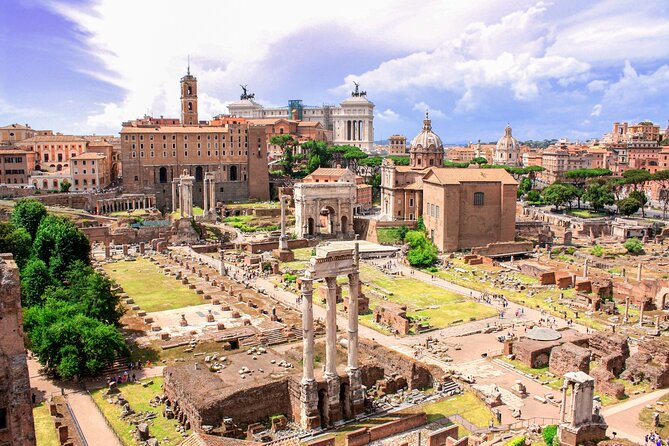
The Roman Forum is where the “politics happened” part of the story becomes visible. It was the center of public and religious life, and after the empire fell, the Forum gradually fell out of use and was buried over time.
The tour focuses on key highlights, including the Temple of Julius Caesar and the House of the Vestal Virgins. Those landmarks help you connect institutions to real people and real power structures, so you’re not just looking at stones with no mental map.
This stop also tends to create the best “aha” moments. Once you’ve heard how the Colosseum fits into imperial Rome, the Forum makes the empire feel like a system, not just a set of monuments. The guide’s commentary is what ties it together, especially when they explain how the Forum shaped daily Roman life and ceremony.
One practical reality: you’ll walk medium-hard floors in archaeological areas. Comfortable shoes are not optional here. And if it’s hot, plan for slower moments, since shade stops are sometimes used as a group-friendly way to keep everyone comfortable.
Walking, timing, and pace: what 3 hours feels like on the ground
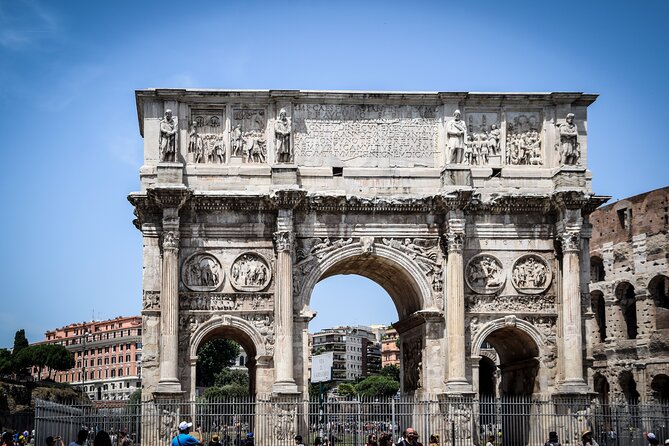
The tour lasts about 3 hours (approx.), and it’s structured as a half-day walk with three main stops. That sounds breezy until you factor in hills, stairs, and uneven surfaces.
Reviews repeatedly mention it’s not an easy stroll. If you’re used to flat city walking, this route will feel steeper. The good news is that the group size is limited to 20, so the guide can generally keep everyone together and at least attempt a manageable pace.
Timing also affects crowd level. Some people recommend earlier slots to reduce extreme heat and crowd intensity. Your start time changes depending on the date range, so if you have flexibility, pick the time that best matches your energy and weather tolerance.
One thing to watch: if your headset cuts out in a particular segment, don’t panic. Step closer to the guide, ask a question, or simply pause and reposition. A couple of reviews hint that losing reception can happen in certain built areas, and small adjustments usually help.
Guide style and audio: why some tours feel great and some feel harder
The most praised element in the reviews is the guide experience. Names that show up include Vanya, Maria, Heather, Zara, Alicia, Alessandra, Egle, Emanuel, Alessio, and Novela. People consistently highlight guides who are kind, engaging, and willing to answer questions and help with photos.
You should also expect a pace that stays on schedule. Even well-run tours can feel “swift,” especially if the group moves as one unit between viewpoints. If you want time to linger deeply at every corner, treat this as an overview tour with guided direction, not a slow museum day.
Audio quality is another big factor. Many comments call out the headsets as excellent, easy to hear, and a lifesaver in crowded areas. A few notes mention occasional difficulty understanding or losing sound in specific sections, so if you have hearing sensitivity, bring it up before the tour if possible and keep your comfort in mind.
Finally, meeting-point clarity comes up a lot. When things go smoothly, staff and guides are easy to spot and the group stays together. When things go wrong, it’s usually because tour names, meeting signage, or the exact location weren’t obvious at first glance. Arriving early and checking your meeting point notes carefully is the easiest fix.
Who should book this Colosseum, Forum and Palatine walk
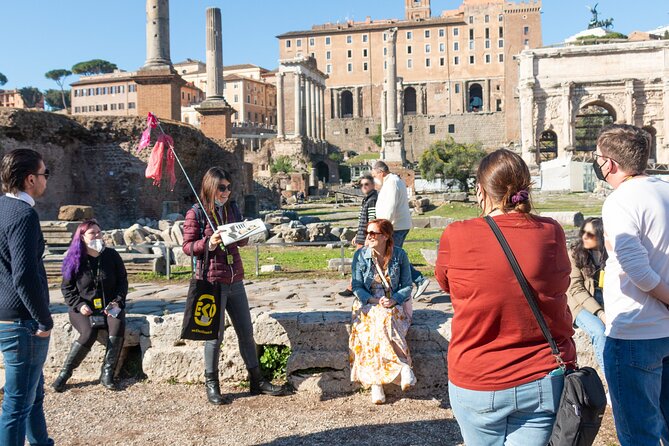
This tour is a good fit if you want:
- A fast, story-driven introduction to Ancient Rome’s most famous ruins
- Reserved Colosseum entry and headset audio
- A guided route that links Palatine Hill myths to Forum politics
It may not be the best choice if:
- You struggle with stairs and hills
- You have impaired mobility (it’s explicitly not recommended)
- You need low-impact walking across archaeological ground
One more detail matters for some visitors: if you have a pacemaker, you’ll need to show a certificate to be admitted after screening.
If you’re traveling with kids, reviews include examples of guides engaging children, which can make the sites feel more alive. And if you’re a first-timer in Rome, this format can help you get your bearings fast—literally and historically.
Should you book this Colosseum, Forum and Palatine tour?
Yes, if your goal is a focused, guided “greatest hits” run through Palatine Hill, the Colosseum, and the Roman Forum with reserved access and headset audio. The price feels reasonable for what you’re buying: secured Colosseum entry plus a guide-led route that turns ruins into a coherent story.
Book it with two caveats in mind. First, plan for real walking, stairs, and hills on uneven ground. Second, treat the meeting point like part of the adventure: arrive early, verify the exact location for your date range, and look for the tour presence rather than relying on assumptions from the street scene.
If you do that, you’ll end the tour with more than photos. You’ll have a framework for understanding how Rome’s power worked—at the top, on the stage, and in the political center.
FAQ
How long is the Ancient Rome guided walking tour?
The tour runs for about 3 hours (approx.).
What’s included in the ticket cost?
You get a guided tour with wireless audio headsets, plus a Colosseum entrance ticket and a Colosseum reservation fee. Food and drinks are not included.
Where do I meet the guide, and where does the tour end?
You start at Via delle Terme di Tito, 75, 00184 Roma, Italy, and the tour ends at Via dei Fori Imperiali, Roma. From April 1, 2025, the meeting point changes to Colle Oppio Park (inside the park, at the corner of Via delle Terme di Tito and Via Nicola Salvi).
What time does the tour start?
The start time depends on the date range. Some dates start at 2:30 PM, and others start at 1:30 PM.
Do I need ID for this tour?
Yes. You must present a valid passport or ID document that matches the name provided at booking.
Can I get a refund if my plans change?
You can cancel for a full refund if you cancel at least 24 hours before the experience’s start time.