REVIEW · ROME
Ancient Art Workshop: Fresco
Book on Viator →Operated by Officina delle Arti Antiche · Bookable on Viator
Fresco painting turns into a wearable, take-home souvenir. I like that you make a real fresco-style piece with natural pigments and leave with it right after the lesson. I also like the small, private feel and the way instructors (I met Cecelia and Nina, both mentioned in past sessions) slow things down for first-timers. One possible drawback to consider: since this is run by a small studio, there can be rare last-minute hiccups, so don’t schedule it as your only must-do that day.
This is a 2-hour workshop on Rome’s Appian Way where you choose an ancient subject and recreate it using materials and techniques meant to resemble what artists used in the past. If you’ve just seen the Sistine Chapel and wished it was more than photos, or if you love Roman details like floor mosaics, this gives you a hands-on way to connect the dots.
In This Review
- Key things to know before you go
- A Private Fresco Session on Rome’s Appian Way
- What You Actually Make: Sistine-Style Fresco or Roman Floor Detail
- Fresco Basics: Why This Technique Feels Different
- How the Workshop Flows (Stop 1: Rome, One Focused Session)
- Instructors Who Can Teach Adults and Kids
- Materials and the Finished Result You Can Actually Keep
- Price and Value: $246.90 for Up to 2 People
- When This Workshop Fits Best (and When It Might Not)
- Simple Planning Tips That Make the Day Easier
- Should You Book Ancient Art Workshop: Fresco?
- FAQ
- How long is the Ancient Art Workshop: Fresco?
- Where does the workshop take place?
- What is included in the price?
- What is not included?
- Is the workshop private?
- What languages are offered?
- Can I take my artwork home the same day?
- Is a mobile ticket used?
- Is cancellation free?
Key things to know before you go
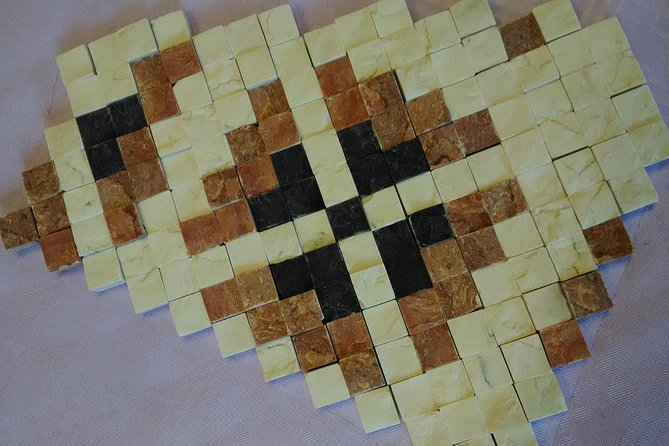
- Choose your subject: you can pick a Michelangelo-style Sistine Chapel-inspired option or a detail from a Roman floor.
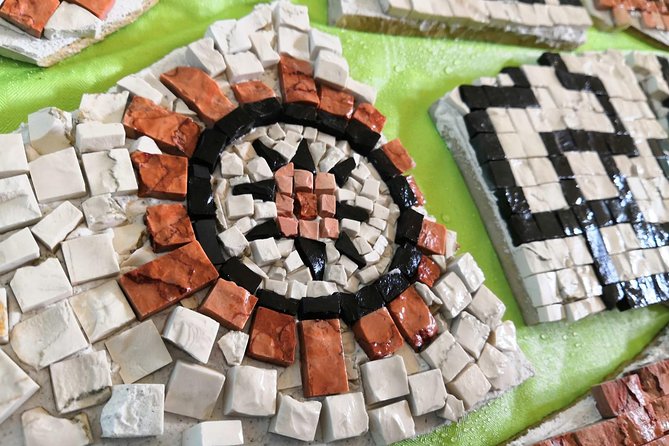
- You work with period-style materials: natural pigments for painting, and mosaic tiles made from colored marble.
- Private group up to 2: only your group participates, so you get real attention instead of sitting on the sidelines.
- Step-by-step guidance: instructors help you from transferring marks to blending color and building the final piece.
- You take it home immediately: the finished artwork is meant to be portable, so plan to protect it on your trip.
- This is a break from walking days: it’s a great mid-day option when you want something calmer than museums and streets.
A Private Fresco Session on Rome’s Appian Way
The workshop happens in a studio on the Appian Way, and it’s set up to be easy to reach. It’s near public transportation, and Metro A is listed as a helpful route. For most people, that matters because Rome can feel like nonstop transit time—this gives you a focused block where your only job is making art.
It’s also private: your group is the only group in the session, with a maximum group size of up to 2 people. That alone changes the experience. You aren’t negotiating for time with a teacher, and it’s easier to ask practical questions like how to mix a tone, how to hold a brush steadily, or how to correct a mistake before it’s baked into the process.
The class runs about 2 hours and is offered on weekdays during the studio’s listed hours (10:00 AM to 6:00 PM). If you’re traveling in peak season, book early—this one is often snapped up around a month ahead.
You can also read our reviews of more tours and experiences in Rome

What You Actually Make: Sistine-Style Fresco or Roman Floor Detail
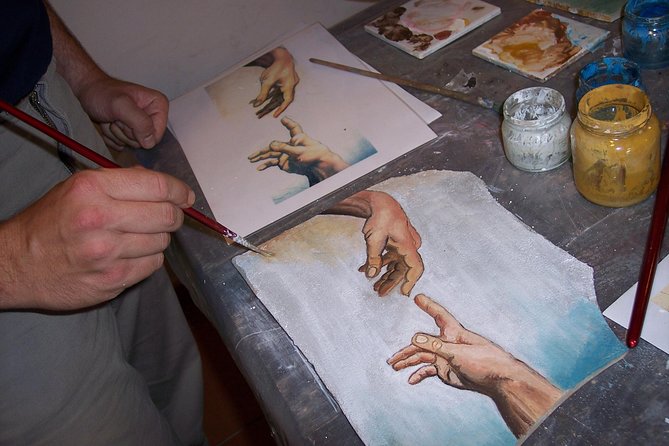
You don’t show up and get assigned a random subject. You choose from options that connect directly to famous imagery and the look of Roman ornament. Common choices include a Michelangelo’s Sistine Chapel-inspired subject, or a detail taken from a Roman floor.
This matters because the style you pick influences your whole approach:
- If you go with something Sistine Chapel–style, you’re thinking in painted forms—shape, shading, and careful color blending.
- If you go with a Roman floor detail, you’re leaning more into patterned structure and mosaic sensibility—clean lines, layout, and tile placement.
Either way, the goal is the same: reproduce an ancient subject in your own hand, with real materials rather than “craft store” substitutes.
Fresco Basics: Why This Technique Feels Different
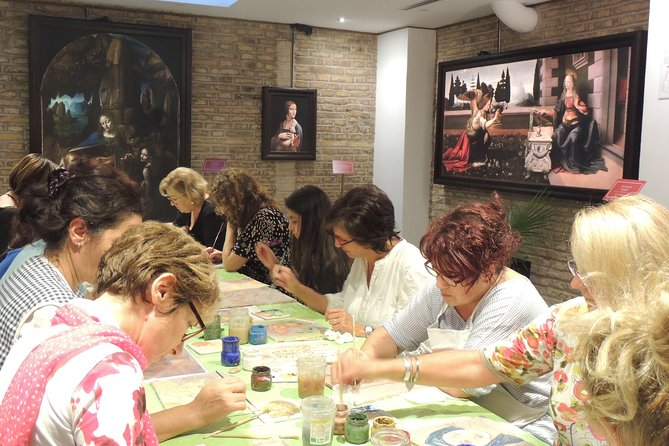
Fresco is more than just painting. The appeal of this class is that you learn the logic behind why fresco has that lasting look.
In past sessions, instructors explained how the paint bonds to the plaster to create a durable layer, and why that plaster base is so important to the final result. You’ll also hear practical references to the idea of using plaster components like sand, plus mineral-based pigments, as a way to match the feel of historic materials.
You’ll likely see how the technique works in steps: you start with guidance on transferring the image, then move into painting and finishing. Even if you consider yourself a “not an artist” person, the teaching style is built for progress, not performance. The pace is slow enough to keep up, and you get specific help instead of vague “just be creative” advice.
If you’ve toured churches or ruins and wondered how people pulled this off without modern tools, this is where it starts to make sense in your hands.
How the Workshop Flows (Stop 1: Rome, One Focused Session)
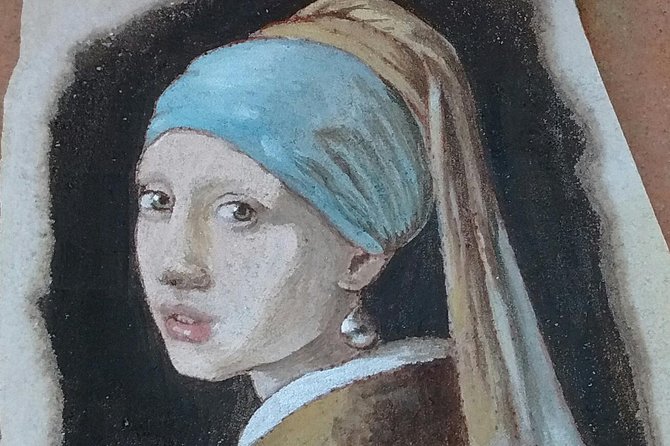
This experience is essentially one main session at the studio—Rome is where you meet, start, and finish. You’ll arrive at the meeting point at Bsocial, Via del Commercio, 12 G, 00154 Roma RM, Italy, and then get into the workshop workflow.
Here’s the practical rhythm you can expect for a typical session:
- You choose your project from the available options.
- You get setup and materials for your piece: brushes, colors, and the mosaic components (colored marble tiles) if your chosen design uses them.
- You learn the method in plain steps, including transferring marks and working the surface.
- You paint and/or place tiles with guidance, so you’re not guessing how each stage should look.
- You finish and take your work home immediately, so you don’t have to come back later.
The whole structure is designed for a short attention span friendly class. Two hours isn’t long enough for complicated framing and prep. It’s long enough for learning how the process works and producing something you can physically leave with.
Instructors Who Can Teach Adults and Kids
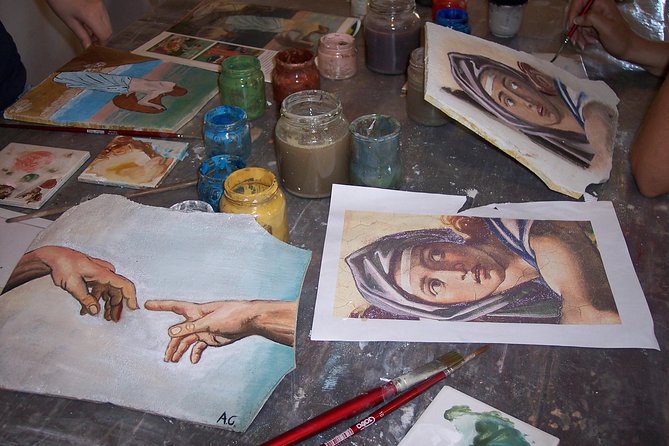
One of the strongest signals from prior sessions is teaching style. Names you’ll see in the instructor feedback include Cecelia and Nina, and both come up for a mix of patience and clear instruction.
Past students highlighted things like:
- helping people who didn’t think they could draw well
- explaining the technique in approachable language
- staying calm when schedules get chaotic (for example, one session had a cab delay and the instructor waited patiently)
You’ll also find that guidance isn’t one-size-fits-all. In family groups, the class works for kids as young as around 8, and also for adults up into their 60s. That suggests the lesson is taught with adjustable pacing: you can contribute at the level you’re comfortable with while still producing a satisfying end result.
The workshop can run in multiple languages. English is specifically offered, and the class can also be done in Italian, English, French, German, and Spanish, depending on your session.






Materials and the Finished Result You Can Actually Keep
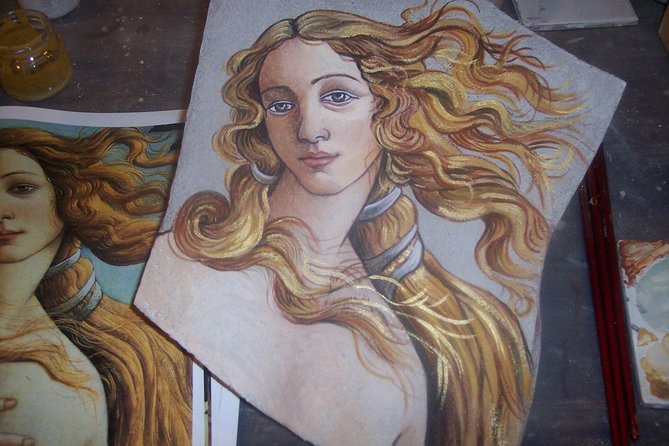
The materials are a big part of the value here, because the whole pitch is authenticity in the stuff you use. The workshop provides:
- colors and brushes
- mosaic tiles made from colored marble
- other necessary materials for the project
The pigments are described as natural, which matters because it keeps the look closer to traditional practice. The point isn’t that you’ll become a Renaissance painter by lunchtime. The point is that your piece will feel like it belongs in the same world of craft and materials that created historic frescoes and Roman floor work.
Also, you don’t have to wait for your souvenir. The experience is designed so you can take your finished piece away right after the lesson. That’s a huge advantage over museum add-ons or classes where you order something later.
Practical note: you’ll want to plan how you’ll transport it. Rome walking and public transit can be rough on paper and packaged crafts, so bring a little extra care—think bag stability and time for secure packing.
Price and Value: $246.90 for Up to 2 People
The cost is $246.90 per group (up to 2), with about a 2-hour commitment. That price sounds high if you compare it to a basic art class, but the value logic is different:
You’re paying for:
- a private studio session (only your group participates)
- instructor time focused on your project
- all materials, including natural pigments and colored marble mosaic tiles
- an end product you take home immediately
For two people, it can work out to roughly $123 each, which is often competitive with guided experiences that don’t also produce a physical souvenir. And compared with a museum ticket, this is the rare activity where you create something rather than just observe it.
If you’re traveling solo, the “up to 2” structure could mean the session still feels like a couple-class in pricing reality. If you can bring a friend or family member, it’s usually easier to justify.
If you’re planning multiple days around major sights like Vatican tours, this can be a smart counterbalance: instead of more standing and walking, you get a quiet, creative reset.
When This Workshop Fits Best (and When It Might Not)
This is ideal if you want:
- a hands-on art activity that doesn’t require prior skill
- a connection between famous fresco imagery and the real mechanics behind it
- a mid-day option when you don’t feel like another heat-slogging walk through the center
- something memorable for families, couples, or multi-generation trips
It may not be the best choice if:
- you’re looking for a long history lecture with minimal making (this is a workshop first)
- you’re extremely time-crunched and can’t tolerate the possibility of a sudden issue
- you want a huge group experience with lots of social energy (this is deliberately small)
One thing to weigh: a past student reported a last-minute cancellation about an hour before class, though the booking was refunded and the provider apologized. Since your schedule is yours to control, build a small buffer if this is your only creative plan that day.
Simple Planning Tips That Make the Day Easier
A few practical points can help you get the most from the session:
- Arrive with an idea of which subject you want (Sistine-style versus Roman floor detail). Even deciding quickly saves time.
- Dress for art work. It’s a painting workshop, so avoid your best outfit without backup.
- Bring time to pack carefully afterward. Since you take your work home immediately, don’t treat it like a throwaway souvenir.
- Use English if that’s your comfort, and don’t worry about explaining basics—you’re supported during the steps.
Also, the studio offers a mobile ticket, which makes check-in simpler than rummaging for paper in a crowded transit station.
Should You Book Ancient Art Workshop: Fresco?
Book it if you want a real, tactile Rome experience and you like the idea of learning how frescoes work by making your own. The private setup, the natural pigments, and the colored marble mosaic option are exactly the kind of details that turn a “fun activity” into a meaningful one.
Skip it or reconsider if your schedule has no slack, because this kind of class runs with human teachers and small operations. In that case, make sure you have a backup plan for the day.
If you’re the type who loves Vatican sights but craves more than photos, this is a smart follow-up. It’s where fresco moves from history text to hands-on understanding—fast, practical, and easy to take home.
FAQ
How long is the Ancient Art Workshop: Fresco?
The workshop lasts about 2 hours.
Where does the workshop take place?
The studio is on the Appian Way and is reachable by Metro A. The meeting point is Bsocial, Via del Commercio, 12 G, 00154 Roma RM, Italy.
What is included in the price?
All materials needed for the workshop are included, such as colors, brushes, marble tiles, and other supplies.
What is not included?
Transportation, food, and drinks are not included.
Is the workshop private?
Yes. It’s a private tour/activity, and only your group participates.
What languages are offered?
The experience is offered in English, and it can also be carried out in Italian, English, French, German, and Spanish.
Can I take my artwork home the same day?
Yes. Everyone can take their work away immediately at the end of the lesson.
Is a mobile ticket used?
Yes. The experience includes a mobile ticket.
Is cancellation free?
The policy states free cancellation up to 24 hours in advance for a full refund.