REVIEW · ROME
4 Hour Tour of Rome with Private Van
Book on Viator →Operated by GALLO ALESSANDRO · Bookable on Viator
Rome is best seen with smart timing. This 4-hour private van tour strings together the city’s biggest landmarks with short, photo-ready stops so you don’t waste time battling transfers and traffic. I like that you get off the van at each highlight to actually look up close, not just stare out a window, and I also like the mix of early Christian, Renaissance-era, and Ancient Rome in one tight route. The main drawback is the pacing: you only get about 20 minutes at each stop, so you’ll need to pick what you want most, photos or deeper exploring.
This tour is especially good if you want the classic Rome hits without turning your day into endless walking. The private format means it’s just your group in the van, and the pickup option helps you start smoothly. One thing to consider: tickets are not included for St. Peter’s Basilica (and you won’t enter the Vittoriano complex), so budget a little extra if you plan to go inside.
In This Review
- Key Highlights You’ll Actually Feel
- Rome in 4 Hours by Private Van: Why This Works
- Getting Oriented Fast with Pickup and a Mobile Ticket
- St. Peter’s Basilica: The World’s Largest Christian Temple in a Tight Window
- Trevi Fountain: History, Myth, and a Quick Photo Hit
- The Pantheon: Best-Preserved Ancient Rome, Turned Church
- Castel Sant’Angelo: A Fortress Story on the Tiber
- Vittoriano Without Going In: What You Still Get from Piazza Venezia
- Spanish Steps and Trinità dei Monti: Rooftop Views in 20 Minutes
- Gianicolo Terrace: The Eighth Hill Feel and a Peaceful Walk
- Piazza Navona Finale: Monumental Square Shape and a Coffee Window
- Price and Value: What $405.16 Really Buys
- Who This Tour Fits Best (and Who Should Skip It)
- A Few Practical Notes Before You Go
- Should You Book This 4-Hour Rome Van Tour?
- FAQ
- How long is the private van tour of Rome?
- What stops are included on the 4-hour route?
- Is admission included for all stops?
- Is this tour private or shared?
- Is pickup included?
- Do I need paper tickets?
- Can I get a full refund if I cancel?
Key Highlights You’ll Actually Feel
- Private van, private time: only your group rides together, with pickup offered.
- Eight major stops in one run: you get St. Peter’s, Trevi, Pantheon, Castel Sant’Angelo, and more.
- Smart “look and leave” photo windows: about 20 minutes at each site, plus transit time.
- Cultural variety in one afternoon: Catholic Rome, Ancient Rome, and the monumental Italian national story.
- Some entries are free, one key one isn’t: Trevi and the Pantheon area are listed as free; St. Peter’s is not included.
- Views built into the route: Gianicolo and the Spanish Steps area are set up for rooftop panoramas.
Rome in 4 Hours by Private Van: Why This Works
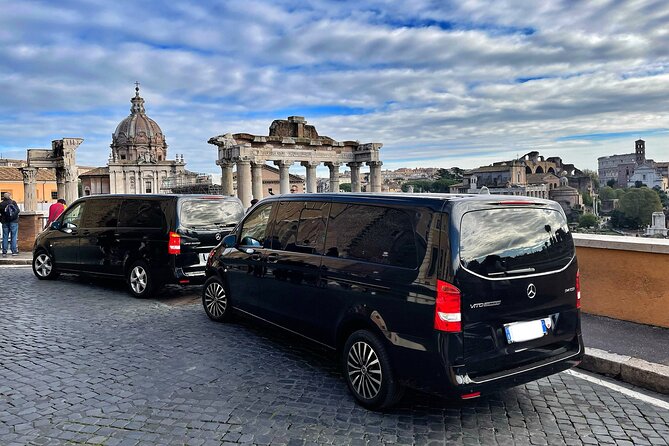
Rome can be a love story and a time-sink. Roads, walking detours, and long stretches between major sights can turn even a “planned” day into a blur. This tour’s format is built for control: a private van keeps you moving, while you get short in-person moments at top monuments.
I like the value logic here. You’re paying for transportation and an efficient order of stops, not for a long, slow museum day. And because you’re getting out at each location, you’re not stuck only seeing monuments from across the street.
The trade-off is how you’ll experience the sites. You’ll see a lot, but you won’t have hours in any one place. That’s perfect for first-timers who want the lay of the land, and it’s less perfect if you plan to read every plaque and go deep.
You can also read our reviews of more private tours in Rome



Getting Oriented Fast with Pickup and a Mobile Ticket
A small detail can save a big chunk of frustration. This tour offers pickup, and it also notes being near public transportation. Translation: you’re less likely to spend your “tour time” searching for the meeting point or worrying about how you’ll get across town.
It’s also set up with a mobile ticket, which is handy when your travel day already feels packed with reservations and directions. When you’re doing a multi-stop route, anything that reduces friction is worth real attention.
Also, this is a private activity, so it’s designed around your group only. That tends to make the experience feel smoother, especially when the route includes places where you’d rather not shuffle around with strangers.
St. Peter’s Basilica: The World’s Largest Christian Temple in a Tight Window
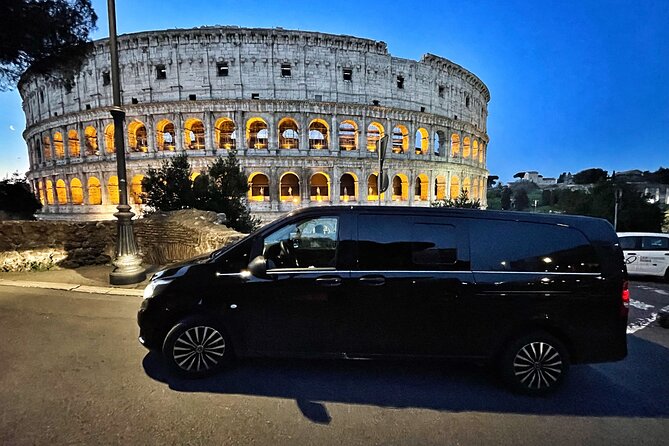
St. Peter’s Basilica is described as the largest Christian temple in the world and a major Catholic symbol, built over the tomb of St. Peter the Apostle. That’s not just a big-name stop; it’s one of the places where Rome’s religious center of gravity becomes obvious fast.
You’ll have about 20 minutes, and the ticket isn’t included. That matters because you’ll want to decide in advance how you’re using your time:
- If you want the “I was here” feeling and key photos, you can do that quickly with a clear plan.
- If you want a deeper look, 20 minutes may feel short, especially once you account for entry and movement inside.
One more note: since St. Peter’s is the one place with admission not included, it’s the most likely stop where your total cost can rise. If you’re trying to keep the budget tight, this is the easiest place to factor in ahead of time.
Trevi Fountain: History, Myth, and a Quick Photo Hit
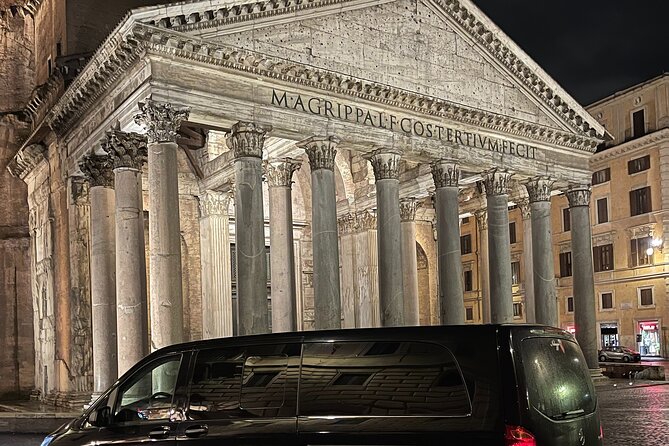
Trevi Fountain is the city’s blockbuster. It’s described as one of the largest monuments in Rome and one of the most visited places, and the reason is simple: it’s treated like one of the most beautiful fountains in the world.
What I find useful here is the context you get during your short visit. The fountain’s history traces back to the time of Emperor Augustus, when the Aqua Virgo aqueduct finished its run there. The current fountain dates to the 17th century, commissioned by Pope Clement XII, and designed by Nicola Salvi, with an allegory of the ocean presided over by Neptune.
It’s also listed as free for admission, with about 20 minutes on the schedule. In practice, that makes Trevi a great “starter” landmark: easy to enjoy even if you’re not ready to commit to a long indoor experience.
The Pantheon: Best-Preserved Ancient Rome, Turned Church
The Pantheon is the kind of monument that makes you understand why Ancient Rome still pulls people in. It’s described as the best preserved building from Ancient Rome, and the tour includes it as a 20-minute stop with free admission.
The story adds a layer that can make a short visit feel richer. In the early 7th century, Pope Bonifacio IV transformed it into a church dedicated to Christians martyred during persecutions. So even though you’re looking at an Ancient Rome structure, the meaning has shifted through centuries of faith and use.
If you’re on a “must-see” list, the Pantheon is the stop where a quick look can still land well. Even in 20 minutes, you’ll have time for a few photos, a good look around, and that moment where the scale of the place clicks.






Castel Sant’Angelo: A Fortress Story on the Tiber
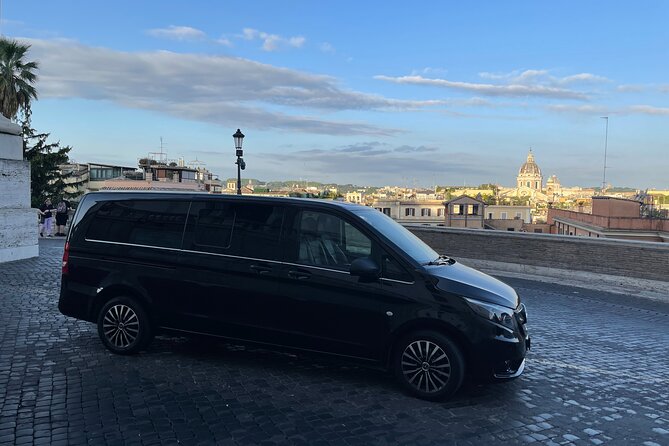
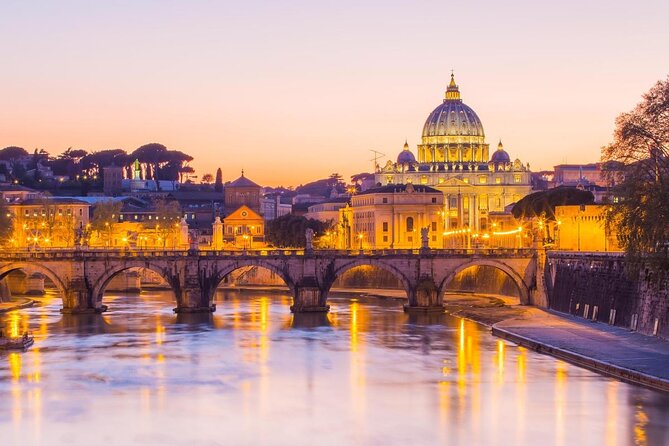
Castel Sant’Angelo sits on the right bank of the Tiber, not far from the Vatican. The description frames it as a 2nd century AD fortress Emperor Hadrian designed as his family mausoleum, later evolving into a military building and even a papal residence during turbulent times.
That evolution is the point of the stop. You’re not only looking at a structure; you’re seeing how Rome repurposes buildings across eras. The note about how until the surrender of Castel Sant’Angelo no one could claim to be the conqueror of Rome adds drama and stakes to what might otherwise feel like “just another big stone landmark.”
This stop also gets about 20 minutes and is listed as free for admission. For a short tour format, that’s a strong payoff: you get to connect the monument to real events and power struggles without it consuming half your day.
Vittoriano Without Going In: What You Still Get from Piazza Venezia

The Vittoriano—officially the Monument to Vittorio Emanuele II—is a colossal white marble construction erected to honor the nation and monarch after Italy’s reunification. You might notice the irony in how it was received: Romans didn’t initially like it because they felt its size and style didn’t fit Piazza Venezia. Today, it’s one of the most popular monuments among visitors.
Here’s the key detail for your expectations: the tour notes that you will not enter the Vittoriano complex. So what you’ll get is the exterior and the overall impression of the monument in its square setting, not the inside museums.
The description also lists what the complex contains, including the Central Museum of the Risorgimento and the Tomb of the Unknown Soldier with the eternal flame. You won’t access those during this stop, but knowing what’s inside helps you understand why the monument matters to modern Italian identity.
This is a good stop if you want the national-story visual without committing to an indoor visit. It also keeps the schedule efficient, which is the whole deal for a 4-hour overview.
Spanish Steps and Trinità dei Monti: Rooftop Views in 20 Minutes
Trinità dei Monti is less of a single “monument” and more of a landmark experience: the Scalinata di Trinità dei Monti with its 138 steps. The tour description makes the point that it’s an 18th-century highlight and a major tourist attraction because it connects Piazza di Spagna to the French church of Trinità dei Monti.
The best practical payoff is the view. From here, the tour notes you can enjoy a fabulous look over the rooftops of Rome. Even with limited time, a viewpoint stop can feel like a full “experience” because you’re not just photographing a building—you’re capturing the city’s scale.
You’ll have about 20 minutes and free admission listed for this segment. If you’re the type who likes to stand somewhere elevated and orient yourself, this is one of your best moments on the route.
Gianicolo Terrace: The Eighth Hill Feel and a Peaceful Walk
Terrazza del Gianicolo is described as a pleasant place to walk with extraordinary views. It’s also tied to the city’s geography: the Gianicolo is considered the eighth hill of Rome.
What makes this stop more than a scenic break is the historical role mentioned. The Gianicolo became popular due to its important defense role in the past. That changes the vibe. You’re not only looking at Rome from above—you’re standing where the city’s survival mattered.
This stop is also free and scheduled for about 20 minutes. For a tour that moves quickly, a short walking-friendly viewpoint can be the reset you need before the final square.
Piazza Navona Finale: Monumental Square Shape and a Coffee Window
Piazza Navona is one of Rome’s most famous monumental squares, built in monumental style by the Pamphili family at the behest of Pope Innocent X. The description also notes the typical shape of an ancient stadium, which helps you read the square like more than a pretty backdrop.
This is where the tour starts to wrap up. The plan leaves remaining time for the round trip plus a possible coffee stop. That matters because it gives you a chance to decompress after seven major stops and still end the day feeling human.
If you like finishing a day with one place you can linger—even briefly—Piazza Navona is a smart choice. You get atmosphere, open space, and the feeling of being in the heart of the action without needing another ticket line or a long interior visit.
Price and Value: What $405.16 Really Buys
At $405.16 per person for a private 4-hour van tour, you’re paying for convenience and efficiency, not just access. The private format is the big part of the cost: instead of squeezing into shared transport and losing time to pickups and drop-offs, your schedule stays tighter and your ride stays group-specific.
How that value lands depends on your situation:
- If you’re traveling as a group, private van pricing can make more sense because the transportation cost is concentrated.
- If you’re solo or as a couple, the value hinges on how much you care about avoiding transit friction and seeing a lot of icons quickly.
Admission details help you estimate the true total. Trevi Fountain and the Pantheon are listed as free admissions. St. Peter’s Basilica is listed as not included for admission. Vittoriano is marked as not entered, so that stop likely doesn’t add another entry fee, even though the description notes ticket information.
One more factor: the tour is often booked about 37 days in advance on average. If you’re traveling in a busy season, I’d treat that as a sign to lock in your date earlier rather than later.
Who This Tour Fits Best (and Who Should Skip It)
This tour fits best if you:
- Want a fast, high-impact Rome overview in one half-day.
- Prefer guided convenience over DIY routing and navigation.
- Like the classics: St. Peter’s, Trevi, Pantheon, and the big outdoor photo stops.
- Are traveling with someone who needs a less strenuous pacing, since the route is built around being driven and stopping briefly.
It may not fit you if you:
- Want long, slow museum-style visits where you spend extended time inside key buildings.
- Plan to read every detail and take your time with interiors, especially at St. Peter’s and the Pantheon.
- Are trying to squeeze in lots of additional commitments right after, because you’ll likely be mentally and physically done when the tour wraps.
If you’re the type who likes checklists done efficiently, this is a strong match. If you’re the type who wants to live in one neighborhood for hours, you might prefer fewer stops and more time per stop.
A Few Practical Notes Before You Go
Because the schedule is built around about 20 minutes per stop, the biggest success factor is your own focus. Decide what matters most to you at each stop:
- At St. Peter’s, you’re balancing a ticketed site with limited time.
- At Trevi, Pantheon, and Castel Sant’Angelo, you can enjoy quick “look and photograph” moments.
- At the Spanish Steps and Gianicolo, leaning into the views can make the short time feel worthwhile.
- At Piazza Navona, use the finishing time for atmosphere and a possible coffee.
Also, since this is a private tour and service animals are allowed, it’s designed to be accommodating within its own framework. For most travelers, the tour is marked as broadly doable.
Should You Book This 4-Hour Rome Van Tour?
I’d book it if you’re arriving in Rome and want the headline sights in a controlled, time-efficient format. The private van concept is the value engine: it reduces stress and keeps you moving between landmarks that are otherwise a hassle to reach back-to-back.
Skip it if your ideal Rome day is slower, more exploratory, and heavy on long interior time. This tour is for the “get your bearings fast” phase, not the “spend the whole day in one place” phase.
If you do book, treat it like a high-quality sampler. Pick your must-sees, expect brief stop-and-photo windows, and consider adding extra time later for whatever hits you hardest—Rome rewards follow-ups.
FAQ
How long is the private van tour of Rome?
The tour lasts about 4 hours.
What stops are included on the 4-hour route?
It includes St. Peter’s Basilica, Fontana di Trevi, the Pantheon, Castel Sant’Angelo, the Vittoriano area (without entering), Trinità dei Monti/Spanish Steps, Terrazza del Gianicolo, and Piazza Navona.
Is admission included for all stops?
St. Peter’s Basilica is listed as not included for admission tickets. Trevi Fountain, the Pantheon, Castel Sant’Angelo, Trinità dei Monti, Gianicolo, and Piazza Navona are listed as free for admission. The Vittoriano complex is noted as not entered.
Is this tour private or shared?
It’s a private tour/activity, meaning only your group participates.
Is pickup included?
Pickup is offered.
Do I need paper tickets?
You’ll use a mobile ticket.
Can I get a full refund if I cancel?
Yes. You can cancel up to 24 hours in advance for a full refund. If you cancel less than 24 hours before the start time, the amount paid is not refunded.