REVIEW · ROME
Wednesday Early Morning Sistine Chapel and Vatican I Max 6 People
Book on Viator →Operated by LivTours · Bookable on Viator
Beat the Vatican crowds. On Wednesday mornings, this tour gives you early access when the museums feel calmer and easier to move through, with max 6 people so your guide can actually steer the pace. I also like the way you get through major highlights without feeling herded, then finish mid-morning so you can go do your own Rome wandering. One drawback to plan for: on Wednesday, St. Peter’s Basilica is closed during your tour window, so you can’t count on a quick stop there until later.
A big part of the value here is the guide’s storytelling. The style of narration is what makes the art and architecture feel readable, not just name-dropped, and at least one recent guide named Fabrizio comes up in feedback for turning the Vatican into a set of human stories you can follow. With a 5/5 score across 23 reviews and a 100% recommendation rate, the format is clearly working for people who want an efficient morning with breathing room.
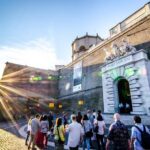
You’re looking at about 3 hours starting at 7:30am from Viale Vaticano, 100, with entry tickets included. Dress smart for a place of worship (shoulders and knees covered), bring a government-issued ID for everyone, and you’ll be set up for a smooth visit that doesn’t waste time.
In This Review
- Key highlights worth your time
- Why Wednesday morning feels different at the Vatican
- The small-group format (max 6) and what that changes
- Getting started at 7:30am: what to bring and what to wear
- Vatican Museums first: how the route builds momentum
- Courtyards and modern surprises: Pinecone and Arnaldo Pomodoro
- Octagonal Courtyard to the Belvedere Torso: seeing sculpture with context
- The museum galleries: candelabra, tapestries, and maps
- Julius II apartments and the Raphael Rooms: where the walls start talking
- Sistine Chapel: pre-briefing matters more than you think
- Cortile della Pigna: a quick break that feels worth it
- Contemporary art and the Pinacoteca: a satisfying closing note
- Timing strategy: how to plan your day after mid-morning
- Price and value: is $190 worth it?
- Who this tour suits best (and who might not love it)
- Should you book this Vatican I early morning tour?
- FAQ
- What time does the tour start?
- How long is the experience?
- How many people are in the group?
- Where do we meet and where does it end?
- Is the tour offered in English?
- Is food included?
- Do I need an ID to enter?
- Can I take photos in the Sistine Chapel?
Key highlights worth your time
- Wednesday early access for a calmer Vatican Museums experience and easier navigation
- Small group of up to 6 so you don’t get lost in a moving crowd
- Terrace views plus signature courtyards like Hadrian’s Pinecone and the Octagonal Courtyard
- Sistine Chapel in contemplative silence after your pre-briefing (and without in-chapel talking)
- Raphael Rooms and the Pinacoteca finish your morning with major Renaissance payoff
Why Wednesday morning feels different at the Vatican
If you’ve visited big-name museums at peak hours, you already know the problem: you can technically see a masterpiece and still feel like you didn’t. This is designed to cut that friction. Because it runs early and on Wednesday, you get the Vatican Museums when lines and crowd density tend to be lower than the later rush.
That matters because the Vatican isn’t one big hallway. It’s a maze of courtyards, galleries, staircases, and rooms with different vibes. When the crowd is smaller, you spend less time “waiting for space” and more time actually looking—at the scale, the materials, and the details you miss when you’re shoulder-to-shoulder.
Also, you’ll finish early enough to keep your day flexible. The tour ends back at the meeting point, but the practical win is that you still have a healthy chunk of daylight to build a second plan: wandering St. Peter’s area after your tour, shopping for coffee nearby, or simply looping back for anything you want to re-see at your own pace.
You can also read our reviews of more tours and experiences in Rome
The small-group format (max 6) and what that changes
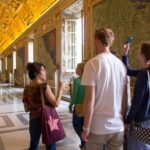
The group size is more than a comfort feature. It changes how you experience the art. With up to 6 people, your guide can slow down at the right moments and speed up where you don’t need extra explanation. You also get better “flow” inside the Vatican Museums, where bottlenecks can form fast.
In a big crowd tour, your attention gets split. You’re watching where everyone is going. Here, you’re more free to watch what you’re seeing. That’s especially valuable in places like the Octagonal Courtyard and the Raphael Rooms, where the room design and art placement are part of the point, not just decoration.
If you like a tour that feels like guided looking—not a sprint—this format fits. One guide name that shows up in feedback is Fabrizio, described as energetic and enthusiastic, with a strong sense of story. Even if you don’t get the same guide, the structure is built for that style: guide-led context before the art, then quiet time to actually take it in.
Getting started at 7:30am: what to bring and what to wear
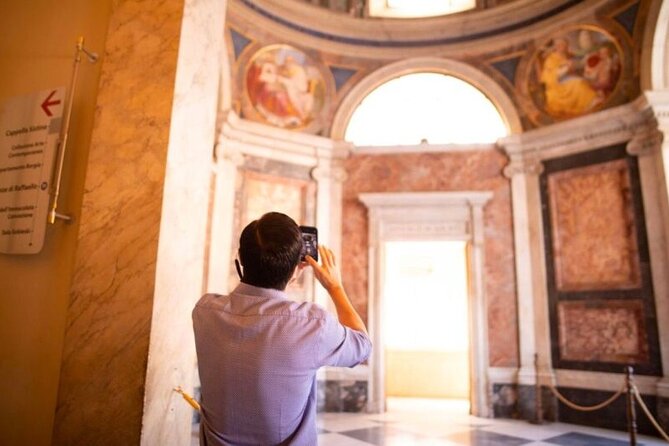
You meet at Viale Vaticano, 100 at 7:30am, and the activity runs for about 3 hours. Early start means you should treat breakfast like a logistics problem: have something light beforehand if you need it, because food and drinks aren’t included.
Plan for the Vatican’s very specific entry rules:
- You need a government-issued ID for everyone in your group, regardless of age.
- Dress for religious sites: shoulders and knees covered (no tank tops or short dresses).
- Backpacks aren’t permitted in the museums. If you travel with a bag, keep it minimal.
For photo rules, remember this basic split: no photography in the Sistine Chapel, and elsewhere photos are allowed but only without flash. This is one of those places where being prepared makes the whole visit feel calmer.
Vatican Museums first: how the route builds momentum
The best tours of the Vatican do one thing well: they create a line through the chaos. This one starts in the Vatican Museums and keeps giving you logical stops that “unlock” later rooms.
You begin with major collections that show western civilization through paintings and sculptures, guided by amusing anecdotes about artists and popes represented along the way. That’s not just trivia. It’s useful because it helps you connect names to works and works to context—so you’re not just looking at images, you’re following ideas.
You’ll also pause for the kind of views tourists usually miss. There’s a terrace overlooking the Vatican gardens, and then you move across a Renaissance courtyard to key landmarks like Hadrian’s Pinecone. The gardens view gives you a mental reset between dense interiors and makes the whole place feel like a living complex, not just a museum building.
Courtyards and modern surprises: Pinecone and Arnaldo Pomodoro
One reason I like this morning plan is that it doesn’t treat the Vatican as a museum-only bubble. It mixes eras on purpose.
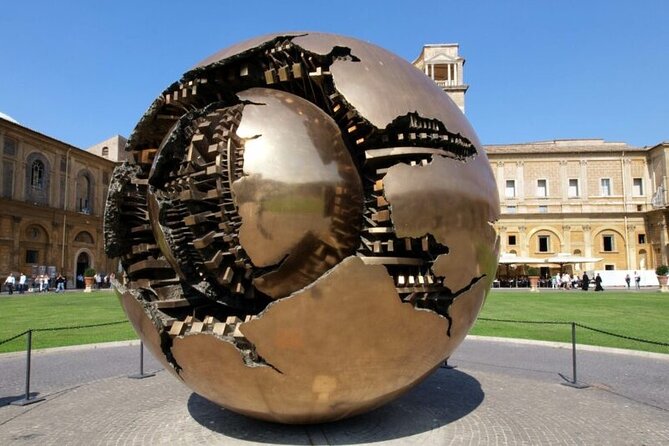
After the courtyard crossing, you’ll see Hadrian’s Pinecone, a famous centerpiece in the Pinecone Courtyard area. Then you’ll head to a modern art piece by Arnaldo Pomodoro. That contrast is fun—almost like the Vatican is reminding you that it keeps changing, even while it’s preserving its past.
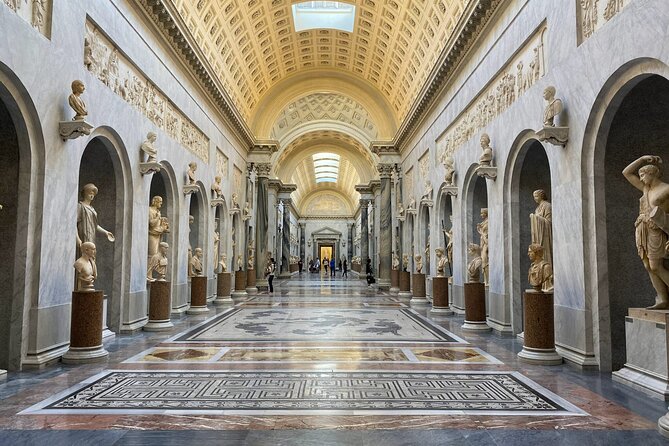
And then the pacing shifts again toward ancient artifacts as you reach the Octagonal Courtyard. The big point here is variety: Roman and Greek works in a space that feels built for looking slowly. If you tend to rush through museums, this is the moment to slow down.




Octagonal Courtyard to the Belvedere Torso: seeing sculpture with context
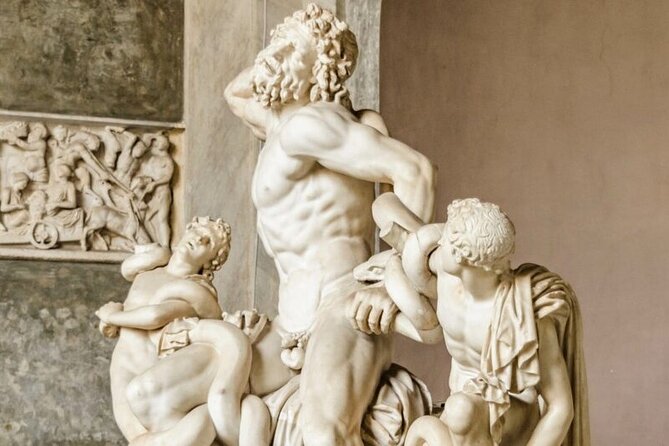
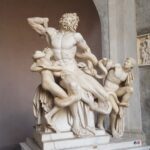
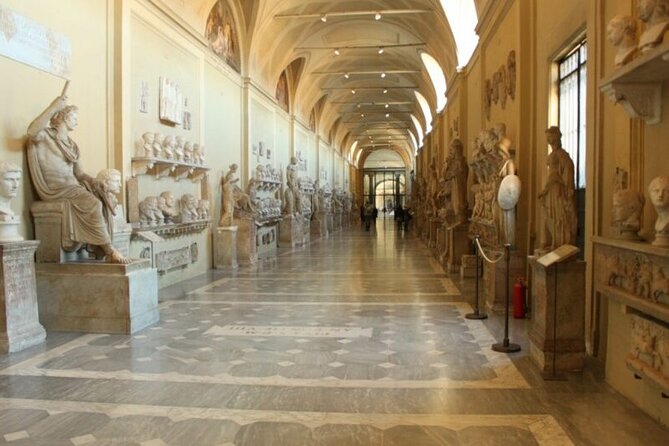
The stop pattern in the museums is designed to help you “read” sculpture, not just admire it. In the Octagonal Courtyard area, you’ll encounter highlights like the Belvedere Torso and learn about the mystery surrounding the Laocoon Priest of Troy. Those aren’t just famous because they’re famous. They’re famous because people have argued over what they are, where they came from, and what the scene means.
The Muses Room adds another layer. It’s one of those spaces where the artwork and the room itself are tied together. Even if you’re not an art-history nerd, a guided explanation helps you notice what your eye would otherwise skip.
If you only remember one “style” of stop from this tour, make it this: the guide connects the sculpture to a story before you’re expected to appreciate it on your own. That turns your time into understanding, not just sightseeing.
The museum galleries: candelabra, tapestries, and maps
Then you move into galleries packed with visual texture. This is where the tour earns its keep for people who want more than a checklist. You’ll see candelabra, tapestries, and maps—decorative elements that also show how Europeans of different eras thought about power, geography, and design.
In a crowd, these details blur. In a small group, you get to look at:
- how tapestries are built to feel like they’re part of a room’s architecture
- how maps communicate an era’s worldview
- how candelabra and lighting themes were meant to impress
This part of the visit feels less like rushing toward the Sistine Chapel and more like warming up your eye so the chapel later hits harder.
Julius II apartments and the Raphael Rooms: where the walls start talking
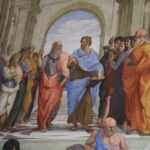
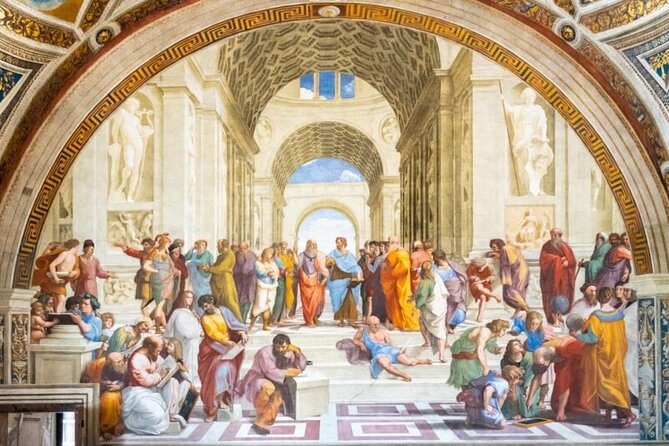
From the galleries, you head toward the grandeur of the Julius II apartments, then the Raphael Rooms. This is a major pivot in the tour: your attention shifts from the “museum collection” feeling to something more like entering a set of constructed ideas—politics, religion, and intellectual life built into fresco cycles.
The Raphael Rooms are famous for a reason, but the real trick is how you experience them in order. When you arrive with earlier context from the museums, the scenes don’t feel like random masterpieces. They feel like a system.
Even the time allocation helps. You’re not trying to see everything in one day—you’re seeing the rooms that matter most for a first-time visitor, with the guide pointing out details that are easy to miss if you’re just scanning.
Sistine Chapel: pre-briefing matters more than you think
This is the emotional center of the morning. But the chapel experience isn’t just about staring upward. It’s about rules and focus.
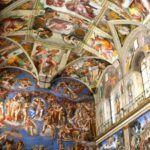
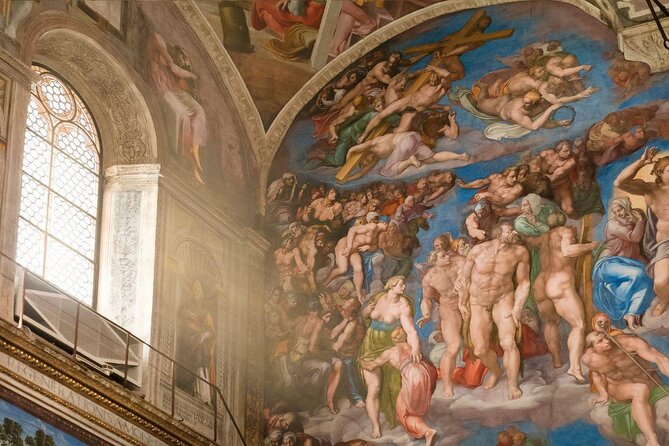
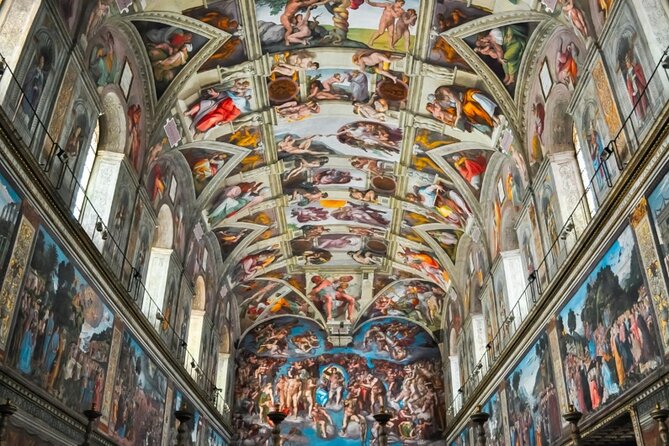
Inside the Sistine Chapel, talking is forbidden. That means you won’t get on-the-spot explanations while you’re looking. The guide handles that by briefing you before entry, so you walk in with a mental map of what you’re seeing and why it matters. You’ll then enter through a tiny door and take in the chapel’s scale—about 8,000 square feet—in contemplative silence.
One seasonal detail you should know: from January 12 through March 31, conservation work covers Michelangelo’s Last Judgment wall with scaffolding. The Sistine Chapel stays open and accessible, but you won’t be able to see that specific section during restoration. If your trip lands in that window, you should adjust expectations and focus on what is still visible.
Also, photography is not allowed in the chapel. Build that into your planning so you don’t waste a moment later fiddling with your phone.
Cortile della Pigna: a quick break that feels worth it
After the Sistine Chapel, there’s a chance to reset with a slower outdoor/semidynamic moment: the Cortile della Pigna, the Pinecone Courtyard. Even though it’s short, it’s a smart palate cleanser.
You come from an intense, sacred space and then move into something more open and relaxed. This courtyard moment helps you stretch and look around without the pressure of “one last indoor room before the end.”
Contemporary art and the Pinacoteca: a satisfying closing note
The tour continues into the Pinacoteca of the Vatican Museums, described as a section housed since 1932. It’s a good closing stop because it shifts you from fresco cycles to a different kind of masterpiece viewing—paintings by major Renaissance and Baroque figures like Raphael, Caravaggio, Leonardo, and Giotto.
You’ll spend a short time here before ending the tour and saying goodbye to your guide. The option to stay in the museums is nice if you’re the type who wants to linger, but the main benefit is that you’re not trapped in the Vatican until late afternoon. You get the morning plan and still keep your day.
Timing strategy: how to plan your day after mid-morning
The tour ends back at the meeting point around mid-morning. That’s a major part of the value, because Rome rewards second plans.
Do keep one Wednesday-specific detail in mind. On Wednesday morning, St. Peter’s Basilica is closed. The tour format accounts for it by not including Basilica access during that time. So if St. Peter’s is a top priority, plan to hit it later in the day, or pick an alternative morning activity that doesn’t rely on entering the Basilica right away.
Also, since you’re ending mid-morning, consider what you actually want from the rest of the day:
- If you want classic landmarks, you’ll have time to reposition.
- If you’d rather keep it easy, you can spend the afternoon wandering at street level near your next stop.
This is a tour that gives you momentum early and freedom after.
Price and value: is $190 worth it?
At $190.84 per person, you’re paying for three things that matter in the Vatican:
- Early access that reduces wasted time in the entry grind
- Small group handling (max 6), which improves pace and attention
- Guided context in the high-impact rooms, especially before the Sistine Chapel
If you tried to do all this independently, you’d still pay for admissions, and you’d still face the “when does the chapel unlock” reality plus the challenge of choosing what to see first. The tour helps you hit the big rooms in a smart order without losing an hour to confusion.
So the price feels most worth it if you:
- want a guide in the Sistine Chapel lead-in
- prefer fewer people over cheaper tickets
- would otherwise feel overwhelmed by Vatican Museums complexity
If you’re comfortable wandering alone, and you don’t care much about guidance, you might find cheaper DIY options. But if you care about your time and attention, $190-ish for a calm, timed morning is reasonable.
Who this tour suits best (and who might not love it)
This experience fits best if you want:
- a structured Vatican morning with major stops
- a guided experience rather than random roaming
- the Sistine Chapel with explanation before you enter, since talking is prohibited inside
It’s also a good match for first-timers who don’t want to spend all day inside the Vatican Museums.
You might not love it as much if you:
- are hoping to spend hours in one gallery without guidance
- want to photograph freely inside the Sistine Chapel (you can’t)
- rely on St. Peter’s Basilica during Wednesday morning (you won’t have access until after the tour ends)
Should you book this Vatican I early morning tour?
Yes—if your goal is to see the Vatican without fighting the crowds. The small group size is the difference-maker, and the early timing is what keeps it from turning into a stressful endurance test. I also like that the tour ends mid-morning, because that gives you real life flexibility in Rome, not just museum time.
Book it especially if you value being guided through the big rooms in the right order, with a pre-briefing that makes the Sistine Chapel experience more meaningful. If your dates fall between January 12 and March 31, go in knowing the Last Judgment will be covered, and you’ll be able to enjoy the rest of the chapel for what you can still see.
FAQ
What time does the tour start?
The tour starts at 7:30am.
How long is the experience?
It runs for about 3 hours.
How many people are in the group?
The tour has a maximum group size of 6.
Where do we meet and where does it end?
You meet at Viale Vaticano, 100, 00192 Roma RM, Italy, and the tour ends back at the same meeting point.
Is the tour offered in English?
Yes, it’s offered in English.
Is food included?
No. Food and drinks are not included.
Do I need an ID to enter?
Yes. Everyone in your group, regardless of age, needs a government-issued ID to enter the Vatican Museums.
Can I take photos in the Sistine Chapel?
No photography is allowed inside the Sistine Chapel. Elsewhere in the museums, photos are allowed without flash.