REVIEW · ROME
Vatican City: Sistine Chapel, Museums, Basilica Private Tour
Book on GetYourGuide →Operated by Crazy4rome srls · Bookable on GetYourGuide
One ticket, three world-famous stops, zero guesswork. This private Vatican tour is built to get you into the Museums quickly and then funnel you through the art and chapels that most people dream about. I especially like how it keeps the focus on what matters: the big museum highlights, the Sistine Chapel, and then St. Peter’s for the emotional finish.
Two things I really like: first, the tour style is direct and efficient, built around the key areas you’d otherwise miss while getting bounced around by crowds. Second, the guide component can make the art click fast—guides like Yevgen and Fabio stand out in the feedback for keeping people moving without turning it into a blur, and for working well with guests who have mobility needs.
One possible drawback: it’s a tight schedule. With about 2 hours in the Vatican Museums and only 30 minutes in the Sistine Chapel, you’ll need to accept that you can’t fully linger everywhere. The payoff is that you’ll still see the major works without losing hours to line time.
In This Review
- Key highlights to notice before you go
- Why This Vatican Private Tour Gets You There Faster
- Meeting Point at TMark Hotel Vaticano: The Practical Start That Matters
- Vatican Museums in Two Hours: What You Actually Get to See
- Cortile della Pigna: The pine-cone courtyard moment
- Cortile Ottagono: A courtyard with presence
- Gallery of the Candelabra: Antique scale you can feel
- Gallery of Tapestries: Flemish work with Renaissance connections
- Gallery of Maps: Old-world geography with modern impact
- The Renaissance room and the next power shift
- Raphael for Julius II and the Borgia Chambers: Art Wired to Power
- Sistine Chapel: How to Use 30 Minutes Well
- St. Peter’s Basilica and Saint Peter’s Square: The Spiritual Payoff
- Price and Value: Is $717.06 Worth the Money?
- Who This Tour Fits Best (and Who Might Want Something Else)
- Tips That Make the Biggest Difference on Tour Day
- Should You Book This Vatican Private Tour?
- FAQ
- How long is the tour?
- What does the tour include?
- Where does the tour start and end?
- Does the tour include hotel pickup or drop-off?
- Which languages are available for the guide?
- Is it wheelchair accessible?
- What should I bring?
- What dress code rules should I follow?
- FAQ
- Do I need headsets?
- Where is the Vatican Museums skip-the-line entry used?
Key highlights to notice before you go
- Skip-the-line access through the Vatican Museums so you start viewing sooner
- Cortile della Pigna with the famous pine-cone fountain and myth-hinted setting
- Egyptian Museum stops plus standout galleries like Candelabra and Maps
- Raphael rooms and Borgia chambers linked to Julius II and Alexander VI
- Sistine Chapel time-boxed well so you reach the ceiling frescoes and Last Judgment
- St. Peter’s Basilica + Piazza San Pietro for awe and atmosphere in one stretch
Why This Vatican Private Tour Gets You There Faster
The Vatican is one of those places where your day can quietly evaporate. Even when you’re excited, you can burn time standing still. This tour’s biggest value is simple: you’re given skip-the-line entry for the Vatican Museums, and you go in with a guide who steers you toward the most important areas.
You also get the benefit of a private format. That sounds fancy, but it really means less of the “follow the slowest person” problem and more of a plan. Feedback repeatedly points to guides like Yevgen and Fabio handling crowd pressure calmly, which matters here because the Vatican can feel like a moving wall of people.
The other thing I appreciate is the structure. You’re not trying to “do everything,” which is impossible. You’re seeing the highlights that connect across time—classical sculpture, Renaissance politics, and the spiritual gravity of St. Peter’s—all in one half-day.
You can also read our reviews of more city tours in Rome


Meeting Point at TMark Hotel Vaticano: The Practical Start That Matters
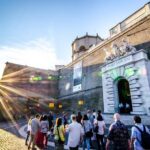
This experience meets at the entrance area of the Vatican Museums, with a specific meeting reference tied to TMark Hotel Vaticano at Viale Vaticano 99. The key point for you: don’t treat meeting time as flexible. The Vatican Museum area is busy, and the difference between arriving 10 minutes early versus right on time can be the difference between a smooth start and a stressful one.
Bring passport or ID. Also plan for the Vatican’s dress expectations. The rules here are straightforward: no shorts, no short skirts, and no sleeveless shirts. If you show up dressed comfortably but not appropriately, you can lose time at the entrance.
One more practical note: for groups larger than 5, headsets are necessary and are available for €3 per person. Even if you’re tempted to skip them, take the headset requirement seriously. In a place where you’re walking and listening at the same time, audio clarity is what keeps the tour enjoyable rather than exhausting.
Vatican Museums in Two Hours: What You Actually Get to See
The Museums are vast. That’s the problem. Most self-guided visits turn into aimless wandering—great for photos, less great for meaning. This tour is designed to hit the museum power points and move you through them efficiently.
Here’s what the museum portion sets up, and why it’s smart for your time:
Cortile della Pigna: The pine-cone courtyard moment
You’ll visit Cortile della Pigna, home to a pine-cone fountain that once stood near the Temple of Isis. Even if you’re not a classicist, this stop works because it’s visual and symbolic. It also gives you a “breathing space” feeling before you head back into gallery flow.
Cortile Ottagono: A courtyard with presence
Then comes Cortile Ottagono, the octagonal courtyard. This matters because courtyards break up long indoor corridors and help you reset. You’ll notice the tour doesn’t just chase artworks; it also choreographs your movement through spaces that change how you experience the collection.
You can also read our reviews of more private tours in Rome




Gallery of the Candelabra: Antique scale you can feel
Next, you’ll see pieces in the Gallery of the Candelabra, including 2nd-century candelabra from Otricoli. The value here is scale and context: these aren’t random antiquities. They’re connected to how the Vatican’s collection builds a story of the past.
Gallery of Tapestries: Flemish work with Renaissance connections
In the Gallery of Tapestries, you’ll admire Flemish tapestries associated with Raphael’s students. If you’ve only seen tapestries as museum-flat art, this kind of room helps you understand them as something closer to a “portable wall.” The guide’s job here is to connect the visual details back to who made them and why that style mattered.
Gallery of Maps: Old-world geography with modern impact
You’ll also find historic maps of the world in the Gallery of Maps. This is one of those stops that surprises people—in part because it’s so different from frescoes and sculpture. It’s also a reminder that the Vatican’s interest wasn’t only religious art; it also included how people pictured the world.
The Renaissance room and the next power shift
The museum route then brings you into one of the standout Renaissance spaces, setting up the moment when the Vatican becomes less “art museum” and more “world-shaping theater.”
The draw for you: you’re not just checking boxes. You’re walking a route where one era leads to the next.
Raphael for Julius II and the Borgia Chambers: Art Wired to Power
After you’ve moved through the museum highlights, the tour steers you into the rooms tied to two major political-religious eras.
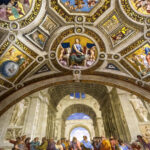
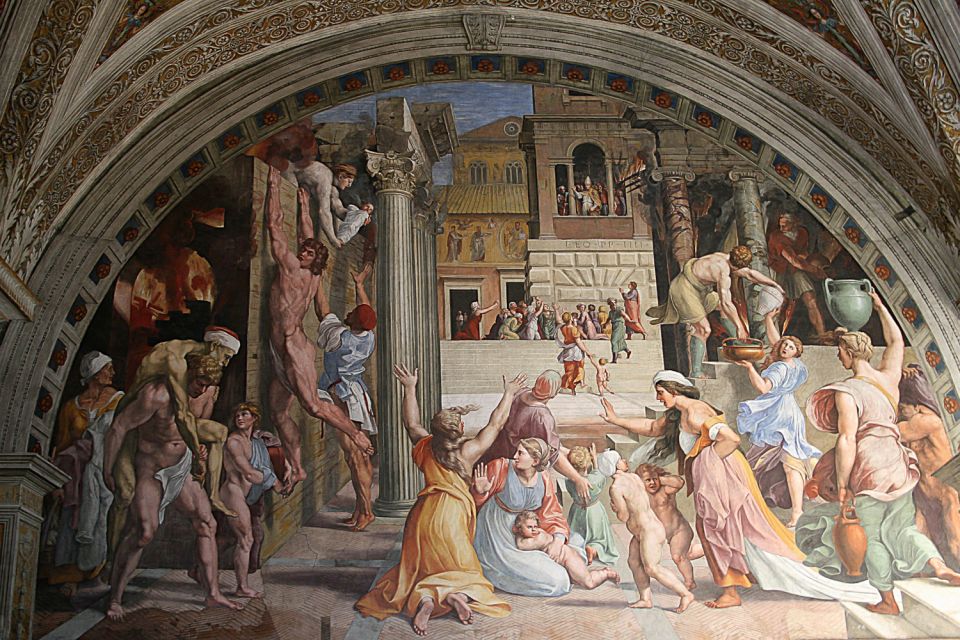
You’ll enter the apartments that Raphael painted for Julius II. This is crucial. Raphael isn’t just a famous name here—the rooms help you understand his work as part of a broader court culture, where art, messaging, and authority all travel together.
Then you’ll go into the private chambers of Pope Alexander VI, also known as the Borgia Pope. This stop changes the tone. If the Raphael rooms feel like controlled Renaissance confidence, the Borgia area can feel more like backstage history—an invitation to think about how the Church’s power operated in real human spaces.
What you should look for (without overthinking it): pay attention to how the design and subject matter work together. The Vatican is full of great objects, but it’s the room context that turns objects into a story.
If your goal is to leave with a few clear “anchors” in your memory, these chambers are strong anchors—because they tie famous artworks to the names and roles behind them.
Sistine Chapel: How to Use 30 Minutes Well
The Sistine Chapel visit is time-boxed to about 30 minutes. That’s not a lot, but it’s enough if you know what you’re there for.
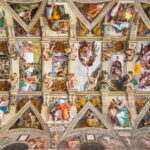
You’ll enter the Sistine Chapel and see Michelangelo’s ceiling painting and the fresco of The Last Judgment. For many people, these are the works they imagined before arrival. The practical challenge is that the chapel is crowded and people stop in unpredictable spots.
This is where a good guide really matters. The best guides help you orient quickly—so you don’t waste your short time staring at the floor or losing the viewpoint that gives the ceiling its impact. In the feedback, guides are repeatedly praised for presentations that stay clear and structured, which makes those 30 minutes feel complete rather than rushed.
A simple tip: when you’re inside, decide early what you’re going to focus on. If you try to “see everything,” you’ll end up seeing nothing clearly. Prioritize the ceiling and then the Last Judgment. Your guide can help you spot the right vantage points in the crowd.
St. Peter’s Basilica and Saint Peter’s Square: The Spiritual Payoff
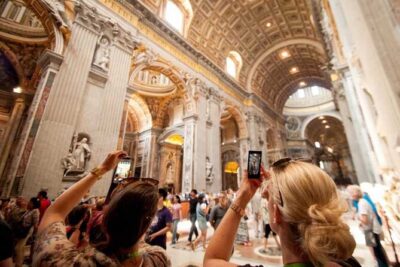
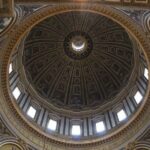
After the Sistine Chapel, you move into St. Peter’s Basilica for about 1 hour. This part is different from the Museums. The Vatican Museums can feel like a visual curriculum. The Basilica hits like a feeling.
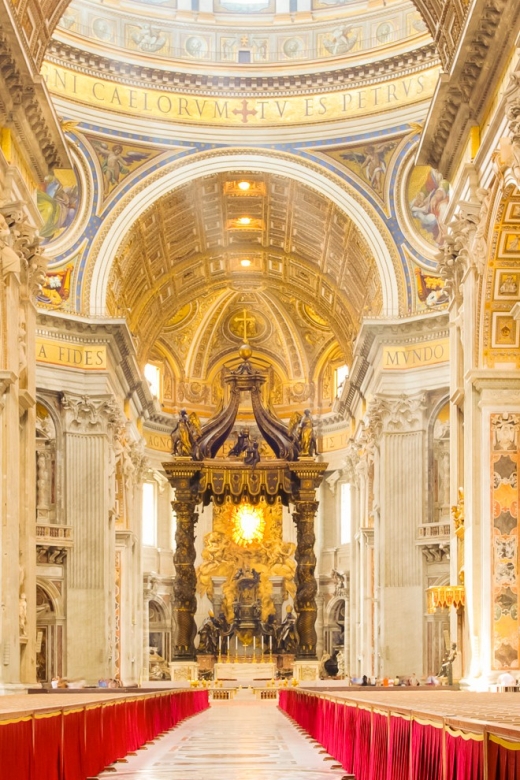
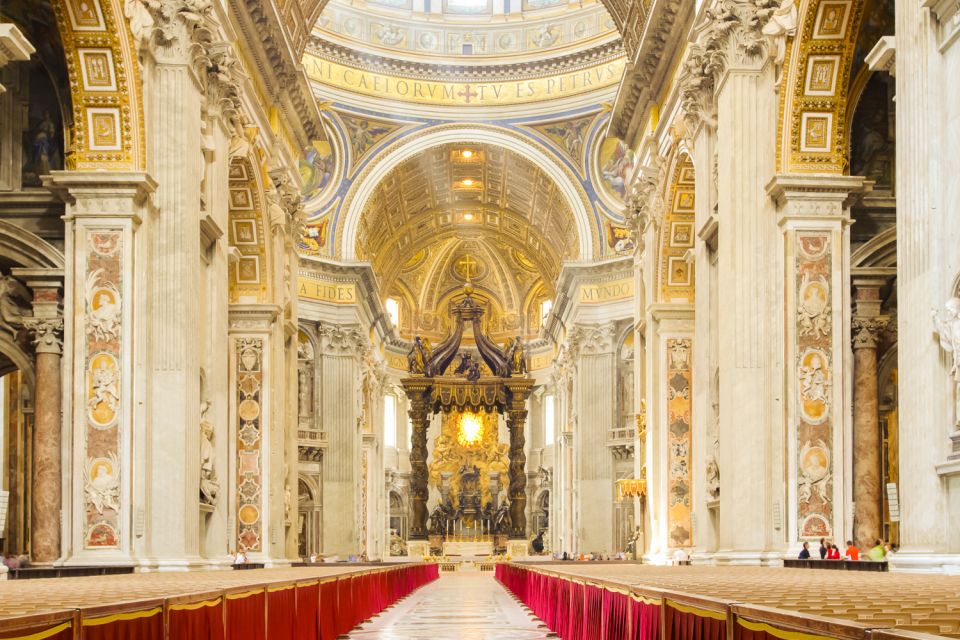
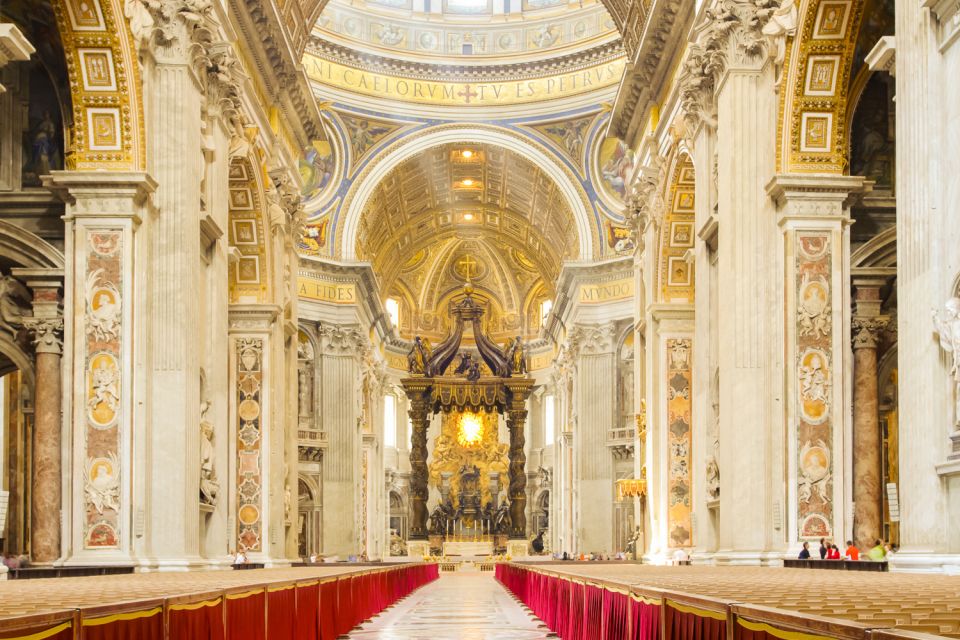
You’ll get to see major works inside, including Michelangelo’s Pietà and St. Peter’s Baldachin by Gian Lorenzo Bernini. These are not just famous names. They’re centerpiece artworks that can shift your mood in minutes—Pietà because of the human emotion, and Baldachin because of the theatrical scale of Baroque design.
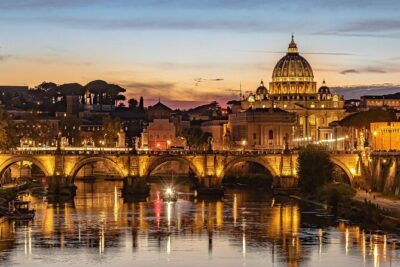
Then you’ll finish with time in Saint Peter’s Square for about 30 minutes. That square visit is more than a postcard stop. It’s where the Vatican’s architecture and open space make sense. Seeing the Basilica from outside helps you understand what you just experienced inside—especially the scale.
If you want a “full arc” to your Vatican visit, this tour does it: art history in the Museums, spiritual climax in the chapel, then the Basilica’s grandeur, capped by the square’s atmosphere.
Price and Value: Is $717.06 Worth the Money?
The listed price is $717.06 per group (up to 1) for a private, skip-the-line experience lasting about 4 hours. That can feel steep, until you look at what’s included.
What you’re paying for, in real terms:
- Skip-the-line Vatican Museums ticket
- Admission to the Sistine Chapel
- St. Peter’s Basilica visit
- A private live guide
- A route that hits the key points without wasting time
What you’re not paying for:
- Hotel pickup and drop-off
- Food and drinks
So the value equation depends on your situation. If you’re booking as a solo traveler, you’re effectively buying a guide and time savings rather than splitting costs across multiple people. If you can’t face long lines and you want to see a “greatest hits” path without turning the day into logistics, this price can make sense.
For me, the biggest value is not just skipping the line. It’s having someone filter the Vatican for you in the exact order that makes sense—so your attention stays on art and meaning, not crowd management.
Who This Tour Fits Best (and Who Might Want Something Else)
This tour is a strong fit if you:
- want a focused Vatican visit that still covers the headline works
- like guided context for art and religious history
- prefer a private format over joining a big group
It’s also a good choice if mobility matters. The experience is listed as wheelchair accessible, and the feedback highlights guides who handled wheelchair needs with care (including guides like Yevgen and Katia).
This tour may feel tight if you:
- need long, slow time with every room
- plan to read every label and take lots of detours
- want hours in the chapel alone
The schedule is built for momentum. You’ll get a lot of “major stops,” but you won’t have the freedom of a fully self-guided wander.
Tips That Make the Biggest Difference on Tour Day
A few details here can protect your energy and keep the experience smooth:
- Dress for the Vatican entrance rules: no shorts, short skirts, or sleeveless shirts. Plan your outfit with this in mind.
- Bring your ID: passport or ID card is required.
- Use headsets if your group is large: if more than 5 people, headsets are necessary and cost €3 per person.
- Go in ready to make choices: 30 minutes in the Sistine Chapel means you should decide what you want to see clearly.
- Wear comfortable shoes: the Museums and Basilica areas mean steady walking and crowd navigation.
One more small mindset shift: treat this tour like a guided route that gives you direction. You can still pause for photos and breathe, but it’s best when you follow the guide’s flow and let their “why this matters” framing do the heavy lifting.
Should You Book This Vatican Private Tour?
I’d book it if you want the Vatican experience to feel intentional—skip-the-line, guided emphasis on the core masterpieces, and a pacing that connects Museums to Sistine Chapel to St. Peter’s without turning your day into a line-and-wait marathon.
I’d think twice if you want a slow, open-ended museum day where you can drift and re-enter at your own rhythm. With only 4 hours total, you’re choosing breadth over deep, room-by-room wandering.
If you’re after an efficient, high-impact Vatican visit with strong guiding (the feedback repeatedly praises guides like Yevgen, Fabio, Julia, Katia, Paola, Rosana, Oksana, and Stefania for their presentation style and ability to keep things moving), this is the kind of tour that tends to deliver.
FAQ
How long is the tour?
It lasts about 4 hours.
What does the tour include?
It includes Vatican Museums skip-the-line ticket, admission to the Sistine Chapel, a St. Peter’s Basilica visit, and a private live guide.
Where does the tour start and end?
It starts at the meeting point linked to TMark Hotel Vaticano (Viale Vaticano 99). It finishes back at the meeting point, with the tour ending at Piazza San Pietro, Città del Vaticano.
Does the tour include hotel pickup or drop-off?
No. Hotel pickup and drop-off are not included.
Which languages are available for the guide?
The guide is available in Spanish, Dutch, English, French, Portuguese, German, Italian, and Russian.
Is it wheelchair accessible?
Yes, it is listed as wheelchair accessible.
What should I bring?
Bring a passport or ID card.
What dress code rules should I follow?
No shorts, no short skirts, and no sleeveless shirts.
FAQ
Do I need headsets?
Headsets are necessary for groups of more than 5 people, and they are available for €3 per person.
Where is the Vatican Museums skip-the-line entry used?
The skip-the-line ticket is for entering the Vatican Museums, which is the first major stop on the tour.