REVIEW · ROME
The Appian Way e-bike tour
Book on Viator →Operated by Landimension Travel · Bookable on Viator
The Appian Way is Rome’s quiet escape. Hop on a private e-bike ride outside the historic walls, and you’ll glide past the kind of ancient spots most people skip, while your guide ties it all together with clear context. I especially love that the tour includes e-bike rentals and helmets, making the whole outing feel safer and more doable. I also like the private format, so you can take your time at the stops and keep the ride focused on what your group wants to see.
One thing to plan for: this is not a casual stroll. You need moderate endurance, and there’s uneven ground plus some road riding when you move in and out of town, so you’ll want to be ready for a real cycling outing.
In This Review
- Key things to know before you go
- Why the Appian Way works so well on an e-bike
- Price and value for a 4-5 hour private ride
- Meeting point, timing, and what the morning feels like
- The riding reality: endurance, uneven ground, and traffic segments
- Big Roman landmarks before you settle into the Appian Way
- Capo di Bove: thermal Roman ruins and a quick, satisfying stop
- The tomb of Cecilia Metella: where the Appian Way becomes personal
- Caffarella Park: the break that makes the whole ride feel worth it
- Gates and road milestones: the Aurelian Walls and the road to the south
- How the guide improves your ride (including Amelio’s approach)
- What’s included, what’s not, and how to plan your half-day
- Who this tour suits best
- Weather and comfort: why timing matters
- Final verdict: should you book the Appian Way e-bike tour?
- FAQ
- How long is the Appian Way e-bike tour?
- Where does the tour start and where does it end?
- What time does the tour begin?
- What’s included in the price?
- What is not included?
- Is this tour private?
- Is it suitable for kids or teens?
- Is it safe or recommended during pregnancy?
- Are there any limits on physical fitness?
- How does cancellation work if weather is bad?
Key things to know before you go
- E-bike and helmet included: less hassle, more comfort, and you’re ready to ride from the start.
- Private tour for your group: you won’t be squeezed into a crowd’s pace.
- Ancient Rome, in full sequence: from early road-building to major tombs and city gates.
- Parks plus ruins: you get green breaks as well as archaeology stops.
- Guide matters here: you’ll get help choosing easier riding lines and staying safe.
Why the Appian Way works so well on an e-bike
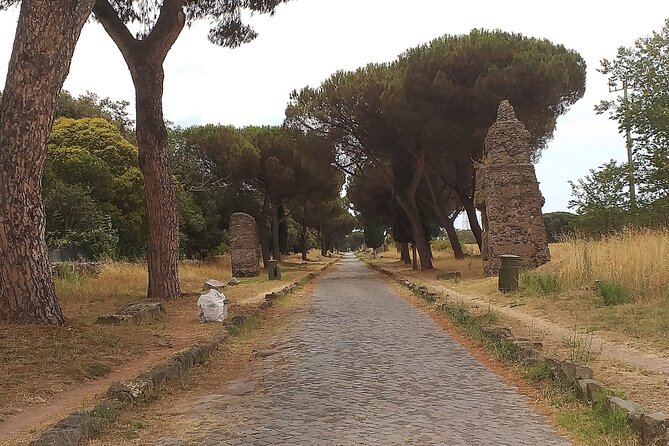
If you’ve only seen Rome from bus windows or between major headline stops, the Appian Way can feel like a secret that Rome is keeping to itself. The section just outside the walls has an in-between vibe: ancient ruins close by, but also rolling parks and quieter lanes where you can actually breathe.
An e-bike changes the experience fast. You’re not burning energy on every slope or turn. You can focus on reading the landscape—why these roads mattered, how people moved through the city and beyond, and how later emperors stamped their mark on the same corridor over centuries. The route also makes sense for a half-day: enough time to see meaningful sites without turning it into a full-day endurance event for everyone.
And because it’s private, the guide can adjust pace and stops for your group. That’s huge on a ride like this, where you might be moving from open paths to spots with uneven surfaces.
You can also read our reviews of more cycling tours in Rome
Price and value for a 4-5 hour private ride
At $34, this is priced like a serious value, not a splurge. What you’re paying for is the guided experience plus the equipment: your e-bike rental and a helmet are included, along with a tour escort.
That matters because e-bike rentals can add up quickly on their own in Rome. Here, the ticket is basically rolling the gear cost into the tour price, which makes it easier to compare fairly against guided walking tours that still require you to manage longer distances on foot. You also avoid the coordination headache of lining up rentals separately.
What you should keep in mind: you’ll likely need to handle your own extra costs. Tips aren’t included, and catacombs entry fees (if you’re thinking about adding that kind of visit) are not included either. Lunch also isn’t part of the price. Still, for a half-day that covers multiple major sites, it’s a strong match for travelers who want more than a quick overview without paying premium private-car rates.
Meeting point, timing, and what the morning feels like
The tour starts at 9:30 am from Vicolo di San Nicola de’ Cesarini (00186 Roma RM). The activity ends back at the meeting point, so you’re not left figuring out how to get back after the ride.
Going early is smart for two reasons. First, Rome’s mornings tend to be calmer, which helps when you’re rolling through areas where traffic can appear briefly. Second, the Appian Way portion feels more peaceful when you’re not fighting late-day crowds.
It’s also worth noting that the meeting area is described as near public transportation. That’s helpful if you want to arrive by tram or bus, or if you’re staying in central Rome and don’t want to overthink parking or long walks.
The riding reality: endurance, uneven ground, and traffic segments
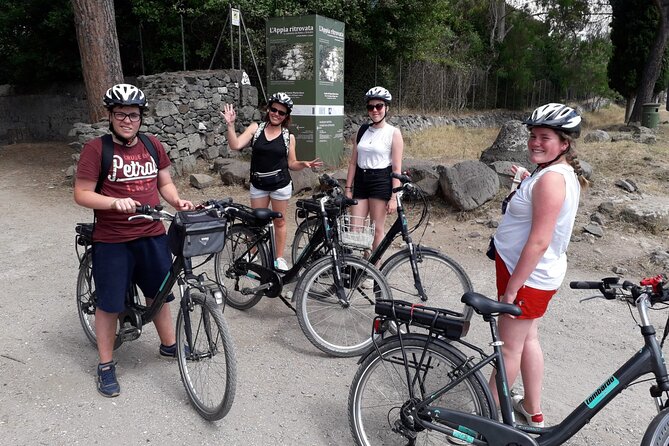
Even with an e-bike, this isn’t a flat, smooth promenade. The route includes some uneven ground and paths that can feel a bit tricky until you get used to the bike’s handling. One guide-led tip that shows up in the experience: your guide will help you find the easiest riding spots on the Appian Way, which makes a noticeable difference.
Also, you should expect occasional road segments that are more active, especially when leaving or entering the city. You’re not spending the whole time on private-feeling paths. Plan for a “ride with variations” day rather than a constant greenway.
How fit do you need to be? The tour isn’t recommended for children under 12, and it calls for moderate physical fitness. If you’re used to walking a lot and can handle some uneven surfaces, you’re likely fine. If you don’t bike at all, I’d still consider the e-bike helpful, but don’t underestimate how long you’ll be on the saddle.
Pregnancy note: it’s not recommended if you are pregnant, and it’s forbidden if you’re in the 4th month or more. If that applies, you’ll want to choose another Rome format that avoids biking.
Big Roman landmarks before you settle into the Appian Way

Before you reach the green quieter stretches, the ride introduces you to major landmarks that explain why this road matters. Expect stops that connect the dots between Rome’s grandeur and its infrastructure.
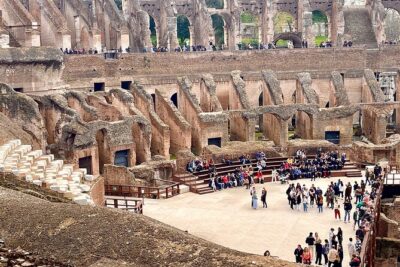
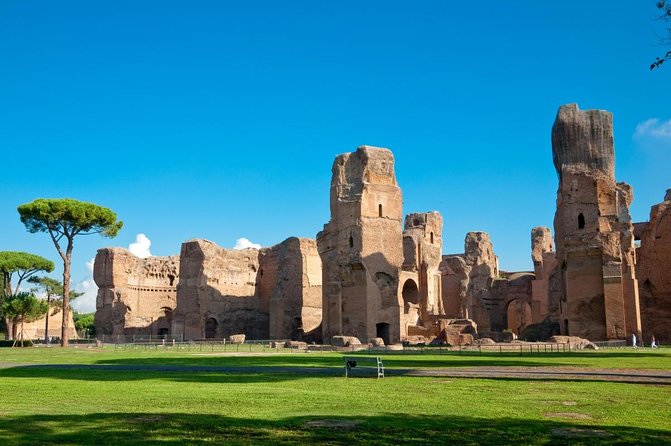
You’ll pass by the largest stadium ever built in history, which sets the scale for how Rome organized mass gatherings and entertainment. Then there’s a stop tied to the largest spa built under Caracalla—another reminder that Roman power wasn’t only military. It was also daily life, public space, and engineering.
The tour also includes Porta San Sebastiano, a gate linked to those arriving from Appia Antica. This is the kind of stop that clicks into place when you hear the story: the Appian Way wasn’t just a road; it was a corridor into Rome, complete with official entry points.
And you’ll get context about the first highway linking Rome with Capua and Brindisi—an early example of Rome building connections that shaped trade, travel, and control across the peninsula. In other words, your bike route is also a map of Rome’s growth strategy.
You can also read our reviews of more tours and experiences in Rome



Capo di Bove: thermal Roman ruins and a quick, satisfying stop
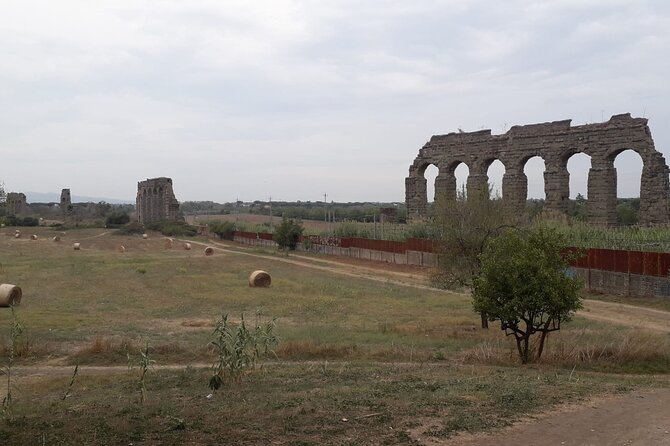
One of the core stops is Complesso di Capo di Bove, inside the Parco Archeologico dell’Appia Antica. This is where you get a close look at thermal Roman ruins on the Appian Way.
The best part here is pacing. The stop is brief—about 10 minutes—and it’s timed so you don’t lose momentum. You’ll see enough to understand what the site was used for, then you’re back on the bike moving through the route with the bigger story in mind.
Admission here is free for the stop, which is a nice bonus. It keeps the experience smoother if you’re trying to manage costs while still getting real archaeology time.
A practical note: because you’ll jump off and on the bike, this type of quick stop works best when you’re dressed for walking on uneven ground.
The tomb of Cecilia Metella: where the Appian Way becomes personal
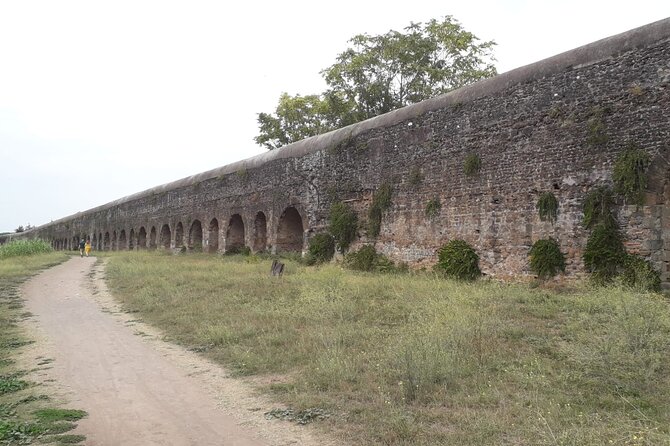
After you’ve taken in the scale of roads and public structures, the ride shifts toward monuments that feel almost intimate, even though they’re ancient and massive.
The tour includes the tomb of Cecilia Metella, a standout stop along the Appian Way. What I like about stopping here is that it changes the tone from infrastructure to legacy. You’re not only seeing what Rome built to move people; you’re seeing what Rome built to remember people.
You’ll also get a better sense of how this corridor functioned long after the earliest road-building: tombs, gates, and major sites clustered along the same route, turning the Appian Way into a kind of outdoor timeline.
If you enjoy reading stone and symbols—rather than only taking photos—this is one of the stops that makes the ride feel worth slowing down for.
Caffarella Park: the break that makes the whole ride feel worth it
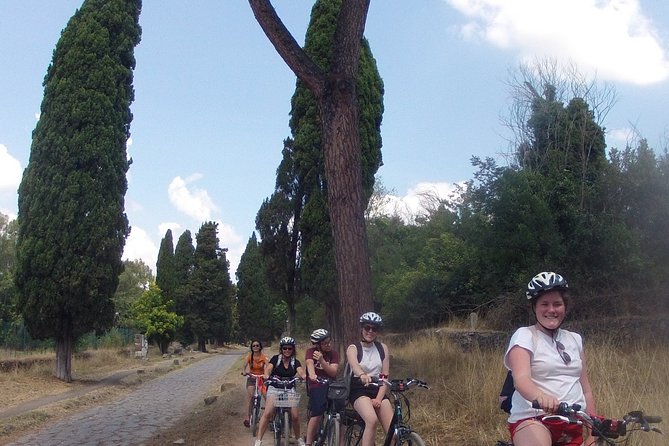
Between ruins and monumental architecture, the tour brings you into Parco di Caffarella. This is a key ingredient of why this e-bike format works.
The park stop doesn’t just provide scenery. It gives your body a breather and helps your brain reset. After focusing on history for a few stops, you get a greener, calmer environment where the Appian Way stops feeling like a museum line and starts feeling like a landscape people live next to.
For many people, this park segment is where the ride becomes truly enjoyable. You’re still in the same historical corridor, but it feels less like a checklist and more like a day out.
Gates and road milestones: the Aurelian Walls and the road to the south
Near the end, the experience circles back to Rome’s defensive story through a major gateway. The tour includes one of the most impressive gates to enter Rome through the Aurelian Walls.
Paired with the earlier stop at Porta San Sebastiano, it helps you understand how Rome controlled access. The Appian Way brought travelers in; the walls framed what arrival meant. It’s a better mental picture of the city than you’d get from photos alone.
You also hear about the road network and its early highway connections toward Capua and Brindisi. That context makes the Appian Way feel bigger than a single street. It becomes part of the engine that linked Rome to the rest of the region.
If you like historical “how it worked” explanations—who used what route and why—this section is where it starts clicking into a coherent story.
How the guide improves your ride (including Amelio’s approach)
The biggest repeated strength is the guiding itself. People talk about guides choosing the easier riding spots and keeping safety front and center. That’s not just nice customer service. It changes the tour quality.
In one experience, the guide Amelio was specifically praised for being informative. The same ride also came with a gentle reminder: yes, it’s a fab tour, but it’s still a long ride with some biking on uneven ground. The guide’s role matters because they can help you avoid the most stressful lines and focus on enjoying the sites.
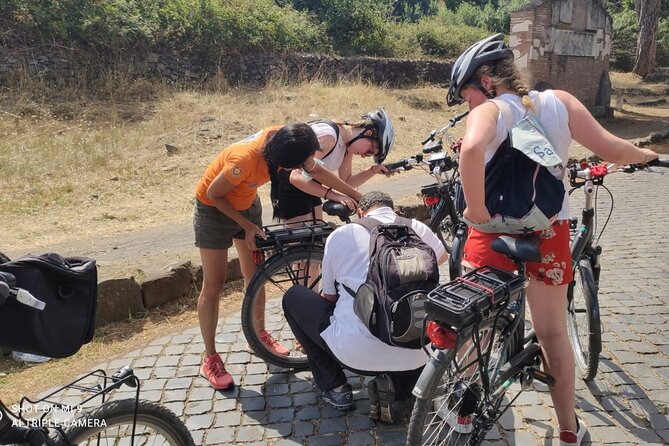
Another detail I appreciated from the feedback style of the experience: when a puncture happened, it was repaired on the route. That’s exactly the kind of thing you want a tour escort to handle quickly so the day stays fun.
One caution from the real-world side of biking: if you lose time due to repairs or route adjustments, the tour can run longer than you expect. One group ended up around six hours instead of a shorter range. It’s not a dealbreaker, but it’s worth planning your schedule around.
What’s included, what’s not, and how to plan your half-day
Included:
- Guided tour and a tour escort
- Helmet use
- E-bike rental
Not included:
- Tips
- Catacombs entry fees
- Lunch
For me, the practical takeaway is simple: eat something beforehand or plan a quick bite after. Since lunch isn’t included, you’ll want to handle food timing yourself, especially if you’re sensitive to getting hungry during a longer ride.
Also bring your own mindset for comfort. Helmet is provided, but you still need to dress for walking and biking. Comfortable clothes, sunscreen, and a small day pack can help a lot. If you’re prone to getting cold at night or early mornings, Rome’s mornings can feel cooler in the shade, so a light layer can be handy.
Who this tour suits best
This is a great choice if you want:
- A private experience with room to move at your group’s pace
- A guided history story tied to actual places you pass, not just background talk
- An active half-day that still feels manageable thanks to e-bikes
It’s not the best fit if:
- You need a fully flat, stroller-friendly outing
- You can’t handle uneven ground and longer time riding
- Pregnancy applies in the restricted timing described by the operator
If you’re traveling as a couple, friends, or a small group that wants more personal attention, private format is the reason to choose this over big group tours. If you’re solo, you can still book it, but you’ll get the same private structure only if the operator runs it for your booking group size.
Weather and comfort: why timing matters
The experience requires good weather. If conditions are poor, you’ll be offered another date or a full refund. Because you’re riding outdoors most of the time, weather isn’t a small detail here.
For planning, aim for a day when you can expect stable conditions. If rain is on the forecast, consider whether you’d rather wait than ride when surfaces could be slick or less comfortable.
Final verdict: should you book the Appian Way e-bike tour?
I’d book it if you want to see the Appian Way with real context, not just photos. The included e-bike and helmet remove key friction points, and the private setup makes it easier to enjoy the route at a comfortable pace. The stops—thermal ruins at Capo di Bove, the tomb of Cecilia Metella, the park of Caffarella, and the major gates—add up to a half-day that feels like more than a ride.
I’d skip it (or choose an easier style) if you hate uneven ground, can’t handle longer endurance, or fall into the pregnancy restrictions listed. Also, plan your day loosely since the ride can run a bit long if anything slows the group down.
FAQ
How long is the Appian Way e-bike tour?
It runs about 4 to 5 hours.
Where does the tour start and where does it end?
It starts at Vicolo di San Nicola de’ Cesarini, 00186 Roma RM, Italy, and ends back at the same meeting point.
What time does the tour begin?
The start time is 9:30 am.
What’s included in the price?
The tour includes a guided tour, a tour escort, helmet use, and an e-bike rental.
What is not included?
Tips, catacombs entry fees, and lunch are not included.
Is this tour private?
Yes. It’s a private tour/activity, and only your group participates.
Is it suitable for kids or teens?
It is not recommended if you’re under 12.
Is it safe or recommended during pregnancy?
It is not recommended for pregnant women, and it is forbidden if you are in the 4th month or more.
Are there any limits on physical fitness?
You should have a moderate physical fitness level, since the ride needs some endurance and includes uneven ground.
How does cancellation work if weather is bad?
You can cancel for a full refund up to 24 hours before the experience starts. The cut-off is based on local time, and the experience requires good weather—if it’s canceled due to poor weather, you’ll be offered a different date or a full refund.