REVIEW · ROME
Trevi Fountain Underground Guided Tour Small group
Book on Viator →Operated by Rome with Silvia · Bookable on Viator
Rome’s Trevi gets a second life underground. In about an hour, you’ll follow the small-group route beneath the fountain to Vicus Caprarius, where Roman water history is literally in the air and on the walls. I like that the visit includes admission tickets for the underground sites, so you’re not just paying for storytelling. One thing to keep in mind: this isn’t a long tunnel walk, and the spaces can feel tight with periods of standing.
If you love how Rome builds on itself, this tour is a smart way to see the city’s water system from the inside. It also runs in English, uses radio headsets, and keeps the group size capped at 10, which matters when you’re looking at fragile archaeological remains and want your questions answered.
In This Review
- Key things you’ll notice on this Trevi Underground tour
- Trevi Fountain Underground: What you’re actually seeing
- Meeting at Piazza dei Crociferi and the small-group rhythm
- Stop 1 at Trevi Fountain: spotting aqueduct remains beneath the famous facade
- Stop 2 at Vicus Caprarius: the City of Water beneath Trevi
- The guides make or break it: clarity, pace, and question time
- Value and price: is $57.68 a smart buy?
- How to prepare: comfort tips for tight underground areas
- Should you book this Trevi Fountain Underground guided tour?
- FAQ
- What is the duration of the Trevi Fountain Underground Guided Tour?
- Where does the tour start?
- Is the tour offered in English?
- How big is the group?
- What’s included in the price?
- Do I need a mobile ticket?
- What is the cancellation policy?
Key things you’ll notice on this Trevi Underground tour

- Small-group size (up to 10) means less shoving and more chance to ask questions
- Radio headsets help you hear the guide clearly underground
- Roman aqueduct remains are visible under and around the Trevi Fountain area
- Vicus Caprarius, City of Water is the main underground stop, with water still flowing nearby
- Short total time (about 1 hour) keeps it efficient, even if you’d prefer more walking
Trevi Fountain Underground: What you’re actually seeing
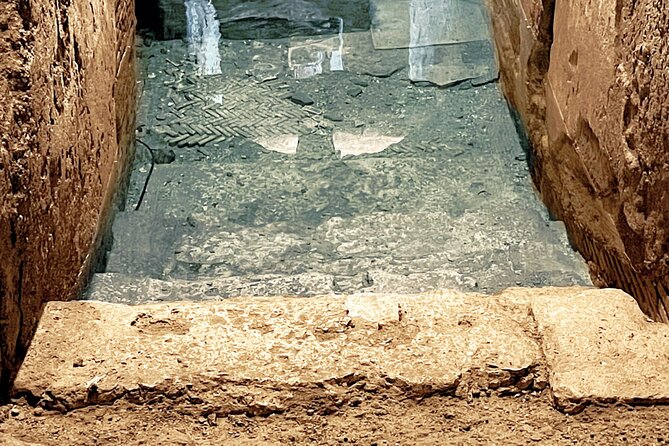
This tour is built around a simple idea: Trevi Fountain is famous above ground, but the water story starts long before you reach the marble and crowds. Under the city streets, you’ll encounter traces of the Roman water system that once supplied the fountains we still see today.
The experience centers on two linked areas. First, you spend a brief stretch at the Trevi Fountain area to spot remains of an ancient aqueduct beneath the monument. Then you move to Vicus Caprarius, which is where the underground feel really lands. This is an archaeological zone often described as the City of Water, and it’s tied to one of Rome’s key aqueduct stories: Aqua Virgo. The name matters because it points to the water’s reputation for purity and clarity.
I like that the tour doesn’t try to sell you a fantasy tunnel. It’s more grounded than that. You’re looking at archaeology—material evidence—while the guide explains how the water network worked and how these sites connect to what you see upstairs.
That approach is also why it can be hit-or-miss for people who want a more expansive, walk-for-ages underground route. But for anyone who enjoys history explained on-site, with the actual remains in front of you, it’s a satisfying use of time.
You can also read our reviews of more guided tours in Rome



Meeting at Piazza dei Crociferi and the small-group rhythm
You meet in Piazza dei Crociferi (00187 Roma RM) and the tour ends back at the same meeting point. The start time is 11:00 am, and the total duration is about 1 hour.
The small group cap is a real quality-of-life detail here. With a maximum of 10 people, the group can fit more comfortably in narrow underground areas. And since this is a hearing-sensitive setting—people talking at once, uneven echoes—the inclusion of radio headsets makes a difference. You’re not forced to guess what the guide is saying or strain to hear over other voices.
Timing is part of the design. The tour splits into two chunks: about 15 minutes connected to the Trevi Fountain area, then about 40 minutes for Vicus Caprarius. That structure matters because it keeps your experience from dragging. It also explains why some visitors feel they want more movement: the underground stops are where you’ll spend your attention, and sometimes that means more standing than walking.
Language is English, and the tour uses a mobile ticket. Service animals are allowed, and the experience notes that most people can participate. It’s also listed as near public transportation, which helps if you’re pairing this with other Rome sights the same day.
Stop 1 at Trevi Fountain: spotting aqueduct remains beneath the famous facade
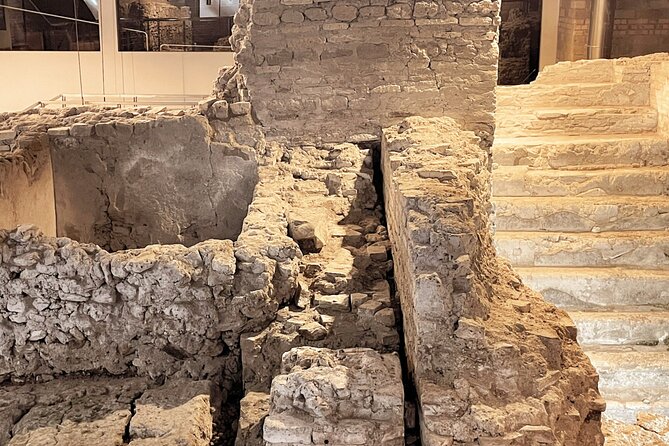
Stop 1 is the Trevi Fountain area, and the focus is clear: you’ll discover what lies beneath the stunning surface—specifically, remains of an ancient aqueduct under the Trevi Fountain zone.
What makes this stop valuable is perspective. From street level, Trevi Fountain can feel like a standalone masterpiece. Underground, you see the infrastructure logic behind it. You’re not just admiring a landmark; you’re learning how Rome fed the water that made monuments like this possible.
This first stop is also short—around 15 minutes—so it works best when you treat it like the opening chapter. Get your bearings fast. Ask your guide one good question, then look for what they point out. A short stop can feel rushed if you try to read everything on your own, but it works well if you let the guide set the context and then orient your attention to the key visible remains.
One practical note: depending on what you expected from the title, you may find this section more explanatory and less like a long tunnel route. The best strategy is to go in ready for a guided orientation to what’s visible, not a marathon underground trek.
Stop 2 at Vicus Caprarius: the City of Water beneath Trevi
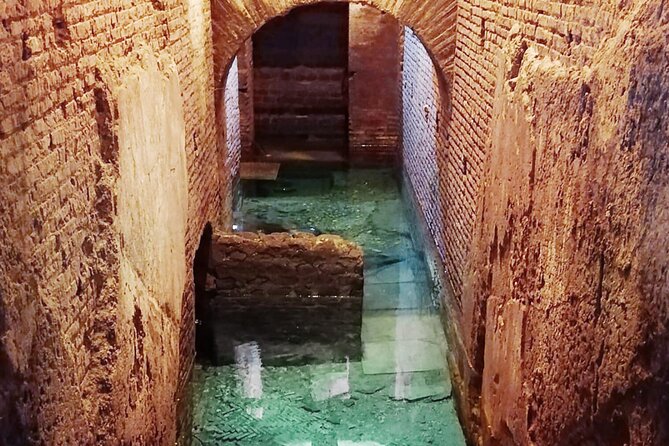
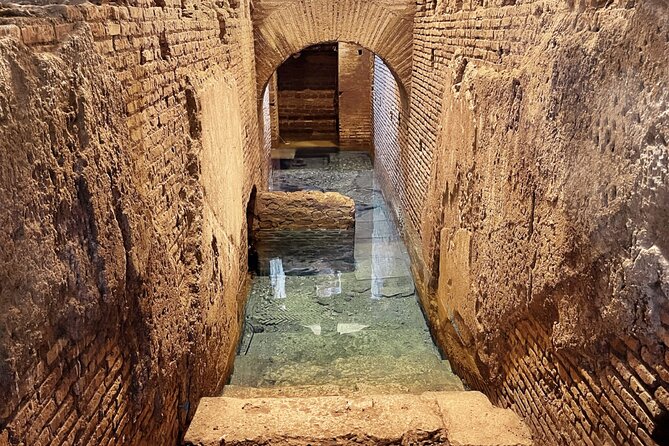
Stop 2 is the heart of the tour: Vicus Caprarius, described as the City of Water. This is an underground archaeological area beneath the broader Trevi district, and it’s where the experience becomes most memorable—especially if you care about the Roman water system and how it’s still present in physical ways.
Here’s the key idea you’ll hear again and again: Rome’s aqueduct network was built to deliver water steadily and reliably, and Aqua Virgo is one of the best-known aqueduct names linked to that idea of clean, clear water. The tour connects that to the fountains concept you see above ground.
Vicus Caprarius is also associated with something you can experience with your senses. Water is still flowing fresh and clear, and it laps near the ancient remains—so the sound becomes part of the storytelling. Even if you’re not an engineering type, that sensory detail helps the explanations stick. You can imagine water moving through the system instead of treating the story as pure dates and names.
Now the balanced warning: this isn’t a vast subterranean promenade. It’s an archaeological visit with tight viewing areas. That can make the tour feel less like a long walk-through and more like a guided look in a limited space. One person was disappointed because they wanted more walking and a more tunnel-like experience. Another noted that the underground engineering they expected wasn’t the main show. Both reactions make sense if you go in expecting a different style of underground access.
My advice: think of Vicus Caprarius as a focused underground look at Roman urban life and water infrastructure, not as a cinematic tunnel tour. If you want the richest payoff, listen for how the guide connects what you’re seeing to the ongoing water narrative—especially the Aqua Virgo idea of pure water.
The guides make or break it: clarity, pace, and question time
A lot of the tour experience depends on the guide’s style and how they manage time. The tour uses radio headsets, but your enjoyment still comes from how the guide frames what you’re looking at and whether you get a chance to ask questions.
The names that show up in guide-related feedback include Silvia and Alessandra, and the operator is Rome with Silvia (Passeggiando con Silvia). People praised their enthusiasm and their ability to connect the water story across different parts of Rome’s infrastructure, not only in the underground spaces.
One recurring theme: some guides spend longer explaining the route of the aqueduct and the remains across historical periods, which people can love because it makes the logic click. Others find that longer explanations mean more time standing and less time moving around. That’s not a flaw in the site—it’s a pacing decision. If you prefer shorter talks, be proactive. Ask your question early. Then let the guide point you toward the specific elements to look for.
There’s also a title expectation issue worth flagging. Some people felt the wording suggests a broader underground route under the fountain itself, while the visit is really about the Trevi water history and the underground archaeological area that’s tied to the broader Trevi district. Translation issues can happen. Even in your own planning, keep the mental picture accurate: you’re there for Roman water remains under the Trevi area, and your main underground stop is Vicus Caprarius.





Value and price: is $57.68 a smart buy?
At $57.68 per person for about an hour, this tour isn’t the cheapest way to spend time in Rome. But the value case is pretty clear when you look at what’s included.
Included items:
- radio headsets
- entrance tickets
That entrance component matters because underground archaeology often isn’t something you can pop into casually whenever you want. Paying for guided entry plus hearing support is especially useful when the spaces are tight and details matter.
You also get a small-group format capped at 10. In practice, that reduces the two big underground frustrations: not hearing well and not seeing what the guide is pointing at.
Is it worth it if you’re mostly after photos? Maybe not. The tour is guided and interpretive. If you want a slow, independent wandering experience, you might prefer spending time above ground with your own pace. If you want the water story connected to visible ruins, this is a better fit.
Who gets the best experience out of it?
- people who like Roman engineering and water history
- first-time Rome visitors who want one standout non-obvious experience
- anyone who appreciates learning on-site, in a setting where the evidence is right in front of you
How to prepare: comfort tips for tight underground areas
Even without a detailed packing list provided, you can plan around what the format tells you. The underground portions can feel cramped, and you’ll likely spend time standing to view remains while the guide explains what you’re seeing. So choose comfortable walking shoes you can trust in uneven underground surfaces.
Since the tour includes radio headsets, you won’t need to bring special audio gear. But you should be ready to wear them for the duration and keep your focus on the guide’s directions.
The tour language is English. If you’re relying on the guide for the narrative, come with one small goal in mind. For example: understanding how Aqua Virgo connects to Trevi’s water story, or figuring out why Vicus Caprarius is important beyond its name.
Finally, remember this is about an hour total. You’re not committing to a half-day. It fits well when you’re already touring central Rome and want one efficient, memorable underground segment.
Should you book this Trevi Fountain Underground guided tour?

Book it if you want a short, guided way to see Roman water history in real, visible remains, with radio headsets and entrance tickets included. The Vicus Caprarius stop is the part most people remember, especially if you like the idea of water still doing its work near ancient structures.
Skip or temper expectations if you want a long tunnel walk or a broad, engineering-focused underground route. This tour is more about focused archaeology and guided interpretation than an extended labyrinth of passages.
If you’re the type who enjoys asking questions and using a guide to connect the dots, this is a strong value play for central Rome. If you’re hoping for a more open-ended exploration, consider doing a different style of visit where you can roam at will.
FAQ
What is the duration of the Trevi Fountain Underground Guided Tour?
The tour lasts about 1 hour.
Where does the tour start?
The meeting point is Piazza dei Crociferi, 00187 Roma RM, Italy, and it ends back at the meeting point.
Is the tour offered in English?
Yes, the tour is offered in English.
How big is the group?
This experience has a maximum of 10 travelers.
What’s included in the price?
The price includes radio headsets and entrance tickets. Tips are not included.
Do I need a mobile ticket?
Yes, the tour uses a mobile ticket.
What is the cancellation policy?
You can cancel for free up to 24 hours in advance for a full refund. If the minimum traveler requirement isn’t met, you’ll be offered a different date or a full refund.